
Have you noticed your bird bath suddenly turning red and wondered what’s causing it? It’s a strange and worrying sight, especially when you want to keep your feathered friends safe and happy.
You might think it’s just dirt or rust, but there’s often more to the story. Understanding why your bird bath changes color can help you fix the problem quickly and protect the birds that visit. Keep reading to discover the surprising reasons behind that red tint—and how you can make your bird bath clean and inviting again.
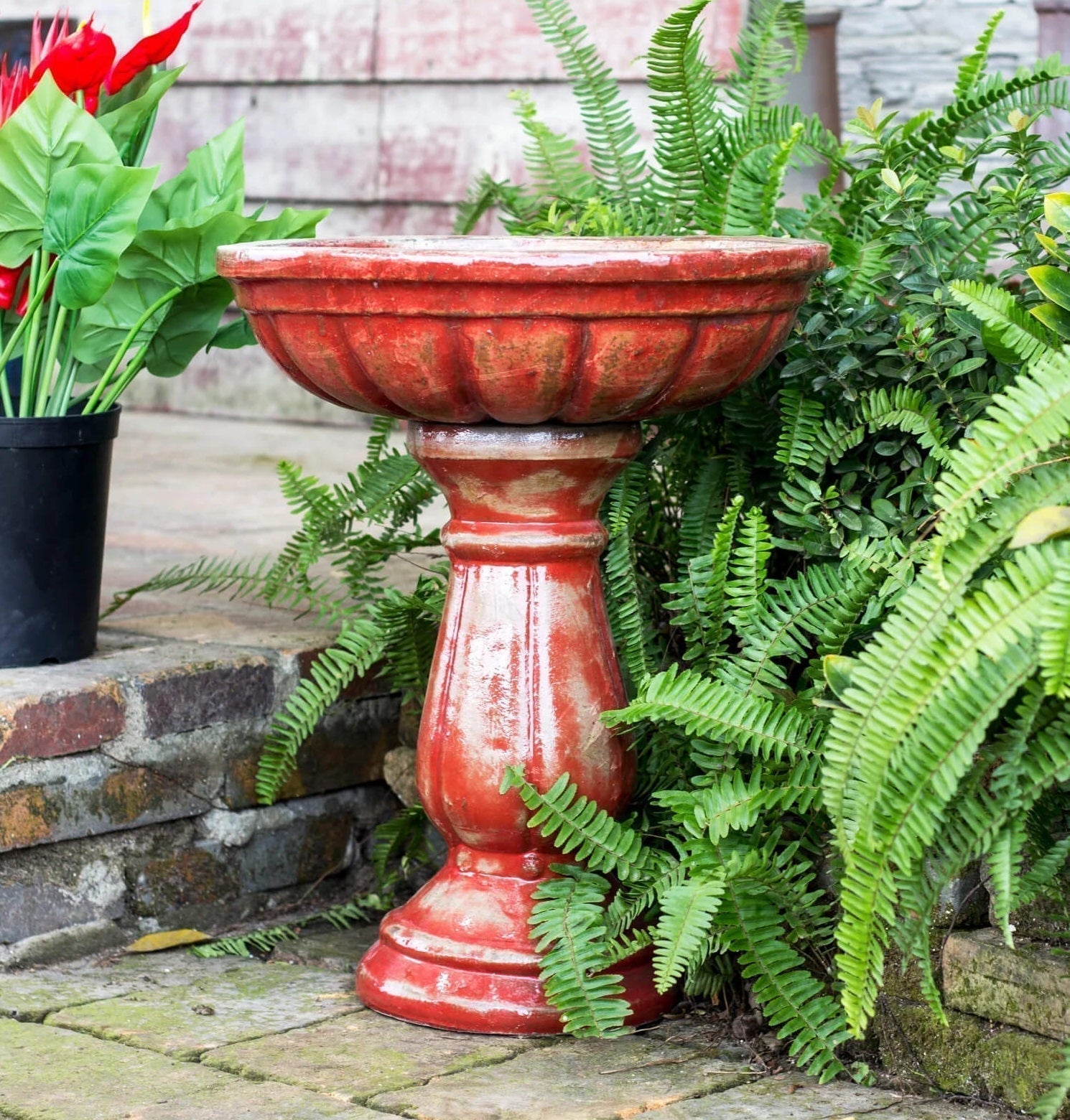
Credit: tenthousandpots.com
Common Causes Of Red Stains
Red stains in your bird bath can be both puzzling and frustrating. Understanding the common causes helps you tackle the problem effectively and keep your bird bath inviting for feathered visitors. Let’s break down the main reasons behind those stubborn red marks.
Iron And Mineral Deposits
Water containing iron or other minerals often leaves reddish stains. When iron oxidizes, it turns into rust, which sticks to surfaces like your bird bath. This is especially common if you use well water or water from natural sources.
Have you noticed red water stains around other outdoor fixtures? That’s a clue that your water supply might be the source. Regular cleaning and installing a water softener or filter can help reduce these deposits over time.
Algae Growth
Not all algae are green. Certain types, like red or brown algae, can create those reddish stains on the water’s surface or on the bath itself. These algae thrive in warm, sunny spots with stagnant water.
Keeping water fresh and frequently changing it can prevent algae buildup. You might also consider adding a small fountain or bubbler to keep water moving and less hospitable to algae growth.
Bacterial Presence
Some bacteria produce reddish pigments that stain surfaces. These bacteria often feed on organic matter like bird droppings, leaves, or debris in the water. Ignoring regular cleaning gives them the perfect environment to multiply.
How often do you clean your bird bath? Scrubbing it weekly with a brush and mild detergent can remove bacterial films before they cause visible stains.
Environmental Factors
Environmental elements like dust, pollen, and iron-rich soil can settle into your bird bath, causing red discoloration. Nearby plants or trees shedding red-tinted debris also contribute to the staining.
Placing your bird bath in a shaded or less dusty area may reduce this problem. Regular rinsing and covering the bath when not in use can also protect it from environmental staining.
Identifying The Source
Noticing a red tint in your bird bath can be frustrating and confusing. Pinpointing the exact cause is crucial to solving the problem effectively. Identifying the source helps you take the right steps to restore your bird bath’s natural appeal and keep your feathered friends safe.
Testing Water Quality
Start by checking the water quality. Red discoloration often comes from iron or other minerals dissolved in the water. You can buy simple water test kits from garden centers or online that measure iron levels, pH, and other minerals.
Look for high iron content or unusual pH levels. These can cause rust-colored stains and affect water clarity. If your water source is well water or untreated, mineral buildup is a likely culprit.
Inspecting The Bath Material
Next, examine the bird bath itself. Some materials, like metal or untreated concrete, can rust or leach minerals over time. Check for any rust spots, chips, or cracks that might be releasing iron or other elements into the water.
Even ceramic or stone baths can develop stains if their glaze wears down. If the bath’s surface feels rough or porous, it might be absorbing and releasing minerals that tint the water. Have you noticed the red color appearing more after rain or cleaning?
Checking Nearby Soil And Plants
Don’t overlook the environment around your bird bath. Nearby soil rich in iron or clay can wash into the water, especially after heavy rain. Plants with red or rust-colored sap or debris might also contribute to the tint.
Inspect the area for any reddish soil runoff or fallen leaves. Sometimes, natural elements can create unexpected effects in your water. Could shifting the bath or adding a barrier reduce this contamination?
Simple Cleaning Methods
Bird baths often develop a red tint from algae and iron deposits. Simple cleaning methods can restore their bright look. These methods use easy, safe ingredients found at home or stores. Regular cleaning keeps water fresh and birds happy. Follow the steps below to clean your bird bath effectively without harsh chemicals.
Using Vinegar Solutions
Vinegar is a natural cleaner that removes rust and algae. Mix equal parts white vinegar and water in a spray bottle. Spray the solution on red stains and let it sit for 15 minutes. Use a soft brush to scrub the surface gently. Rinse thoroughly with clean water to remove all vinegar. Repeat if stains remain stubborn.
Applying Baking Soda Scrubs
Baking soda acts as a mild abrasive and deodorizer. Sprinkle baking soda over wet stains in the bird bath. Use a damp sponge or brush to scrub in circular motions. Focus on red or rusty spots for best results. Rinse the bird bath well with water to clear away residue. Baking soda is safe for birds and easy to use regularly.
Safe Commercial Cleaners
Some commercial cleaners are made specifically for bird baths. Choose products labeled non-toxic and safe for wildlife. Follow the instructions on the label carefully. Usually, these cleaners require dilution and short contact time. Rinse the bird bath completely after cleaning. Avoid harsh chemicals that can harm birds and plants nearby.
Credit: www.homesandgardens.com
Preventive Measures
Preventing the red color in your bird bath is easier than fixing it later. Regular care and smart choices keep water clear and safe. A few simple steps stop the buildup of red algae and rust stains. These steps help maintain a healthy space for birds to enjoy.
Regular Cleaning Schedule
Clean the bird bath at least once a week. Use a scrub brush to remove dirt and algae. Empty old water before adding fresh water. Avoid harsh chemicals; mild soap or vinegar works best. Rinse thoroughly to protect birds from harmful residues. Consistency in cleaning stops red stains from forming.
Choosing The Right Location
Place the bird bath in a shaded area. Direct sunlight encourages algae growth and red discoloration. Avoid spots near rusty metal or iron-rich soil. These can cause rust stains in the water. A well-ventilated spot reduces moisture buildup. Good location slows down algae and keeps water fresh.
Water Treatment Options
- Use filtered or distilled water to reduce minerals.
- Add a few drops of bird-safe algaecide.
- Try natural treatments like barley straw extract.
- Change water often to prevent stagnation.
These treatments limit algae growth and iron buildup. Clean water keeps birds healthy and the bath attractive.
When To Replace Your Bird Bath
Knowing when to replace your bird bath is crucial to keep your garden inviting and safe for birds. A bird bath that turns red can be a sign of underlying issues that might not be fixable with simple cleaning. Understanding the signs and the durability of your bird bath material helps you decide the right time to invest in a new one.
Signs Of Permanent Staining
Permanent red stains often indicate mineral buildup or algae that have deeply penetrated the surface. If scrubbing and natural cleaning methods fail to restore the original look, the stain is likely permanent. You might notice the red color spreading or intensifying, which can deter birds from using the bath.
Ask yourself: does the bird bath still look clean and inviting, or has the red tint become a permanent eyesore? If the stain persists despite regular maintenance, it’s a clear signal to replace it. Remember, a clean bird bath encourages more frequent visits from your feathered friends.
Material Durability Considerations
The lifespan of your bird bath depends heavily on its material. Concrete baths are prone to staining and cracking over time, especially if exposed to harsh weather. On the other hand, resin or metal bird baths may resist stains better but can suffer from rust or fading.
Think about your local climate and how it affects your bird bath material. If you see cracks, chips, or corrosion, it’s time to consider a replacement. Durable materials like glazed ceramics or high-quality resin can extend the life of your bird bath and reduce maintenance.

Credit: www.reddit.com
Frequently Asked Questions
Why Is My Bird Bath Water Turning Red?
The red color is usually caused by iron bacteria or algae. These microbes thrive in water with iron minerals, creating a reddish tint. Regular cleaning and water replacement can help prevent this.
Can Rust Cause Bird Bath Water To Turn Red?
Yes, rust from metal bird baths or nearby fixtures can leach iron into the water. This iron oxidizes and causes a red or orange discoloration in the water. Using non-metallic bird baths reduces rust issues.
How Do I Clean A Red-stained Bird Bath?
Use a mixture of water and white vinegar or mild bleach solution. Scrub the bath thoroughly, rinse well, and refill with fresh water. Cleaning weekly prevents red stains caused by iron bacteria or algae buildup.
Is Red Water Harmful To Birds?
Generally, red water caused by iron bacteria or rust is not harmful. However, stagnant or dirty water can breed harmful bacteria. Always provide fresh, clean water to keep birds safe and healthy.
Conclusion
A bird bath turning red often means iron or algae growth. This is common and usually not harmful to birds. Clean the bath regularly to keep water fresh. Scrubbing with a brush helps remove red stains. Using safe cleaners can stop algae from growing.
Placing the bath in sunlight reduces bacteria. Watch your bird bath to keep it healthy and inviting. Small steps protect birds and keep your garden beautiful. Understanding these causes helps you care for your bird bath well.




