
Looking to add a splash of life to your shallow bird bath? You’re in the right place.
Finding the perfect plants to thrive in such a small, wet space can be tricky—but it’s also a great way to make your garden stand out. Imagine transforming your bird bath into a tiny oasis that attracts birds, boosts your garden’s beauty, and requires little effort.
Curious about which plants will grow best and how to care for them? Keep reading, and you’ll discover easy, stunning options that fit perfectly in your shallow bird bath.
Choosing Plants For Shallow Bird Baths
Choosing the right plants for a shallow bird bath requires careful thought. These plants must thrive in limited water and small space. They should also attract birds and pollinators to enhance your garden’s life. Picking suitable plants brings beauty and supports local wildlife.
Plants That Thrive In Shallow Water
Shallow bird baths need plants that can grow in wet, shallow conditions. Look for species that tolerate standing water but do not need deep roots. Some popular choices include:
- Water lettuce (Pistia stratiotes)
- Dwarf papyrus (Cyperus haspan)
- Water hyacinth (Eichhornia crassipes)
- Marsh marigold (Caltha palustris)
- Pickerelweed (Pontederia cordata)
These plants enjoy moist roots and help keep the water clean.
Considerations For Small Spaces
Shallow bird baths often have limited space for planting. Choose plants that stay small or grow slowly. Avoid tall or invasive plants that crowd the area. Use compact varieties or aquatic moss to cover the bath surface. Small pebbles or gravel can help anchor plants.
Consider how much sunlight the bird bath gets. Some plants prefer full sun, while others thrive in shade. Match the plant to your bird bath’s conditions for best growth.
Attracting Birds And Pollinators
Plants can invite birds and pollinators to your garden. Select flowering plants that provide nectar and seeds. These attract bees, butterflies, and hummingbirds. Examples include:
- Blue-eyed grass (Sisyrinchium angustifolium)
- Cardinal flower (Lobelia cardinalis)
- Cattails (Typha species)
- Native wildflowers nearby
Adding plants with varied shapes and colors creates a lively, inviting space. Birds will use the bath for drinking and bathing while enjoying the plants.

Credit: www.calloways.com
Succulents And Air Plants
Succulents and air plants are excellent choices for shallow bird baths. They need little soil and water, fitting perfectly in small spaces. Their unique shapes and colors add charm and interest. These plants survive well in sunny spots and dry conditions.
Best Succulents For Bird Baths
- Aloe Vera – Thick leaves and easy care.
- Hens and Chicks (Sempervivum) – Small rosettes that spread nicely.
- Jade Plant (Crassula) – Compact and sturdy with shiny leaves.
- Burro’s Tail (Sedum morganianum) – Trailing stems that add texture.
- Stonecrop (Sedum) – Low-growing and colorful foliage.
Choose succulents that stay small and do not need deep soil. These plants handle direct sunlight well and drain quickly. Avoid species that grow tall or need lots of water.
Caring For Air Plants In Small Spaces
Air plants do not need soil to grow. They absorb moisture and nutrients from the air. Place them on the edge or center of the bird bath for display.
- Spray water lightly two to three times a week.
- Ensure good air circulation around the plants.
- Keep them in bright, indirect sunlight.
- Remove any dead leaves to keep plants healthy.
- Occasionally soak in water for 20-30 minutes.
Air plants thrive in warm spots and dry conditions. Their minimal care makes them perfect for bird baths. This adds a fresh, modern look to your garden décor.
Aquatic And Semi-aquatic Plants
A shallow bird bath can become a charming mini water garden with the right aquatic and semi-aquatic plants. These plants not only add beauty but also support local wildlife like birds and beneficial insects. Choosing species that thrive in shallow water ensures your bird bath remains vibrant and healthy throughout the seasons.
Miniature Water Lilies And Lotus
Miniature water lilies and lotus varieties are perfect for shallow bird baths, adding stunning colors and delicate blooms. Their small size fits well in limited space, and their floating leaves provide shade for small aquatic creatures.
These plants need at least 4 to 6 inches of water to grow, so make sure your bird bath has enough depth. You’ll notice how their flowers attract pollinators, turning your bird bath into a lively, natural oasis.
Marsh Marigold And Other Marginals
Marginal plants like marsh marigold thrive with roots submerged and leaves above water, making them ideal for shallow bird baths. They bring bright yellow flowers and lush green foliage, brightening your garden space.
Other great marginals to consider are pickerel rush and water iris, both offering interesting textures and colors. These plants help maintain water quality by absorbing excess nutrients—have you thought about how this could reduce algae growth in your bird bath?
Herbs And Edibles
Transforming a shallow bird bath into a mini herb and edible garden is a clever way to use space and add beauty to your outdoor area. Growing plants in such a unique container can be surprisingly productive and visually appealing. You might be surprised at how well some compact herbs and small edibles thrive in these shallow water settings.
Compact Herbs Suitable For Bird Baths
Choosing the right herbs is key because shallow bird baths don’t hold much soil or water. Look for herbs that stay small and have shallow root systems. Some of the best options include:
- Thyme:A low-growing herb that spreads nicely without needing deep soil.
- Chives:Their slender leaves add vertical interest without overwhelming the space.
- Oregano:Compact varieties work well and provide a lovely aroma.
- Mint:Though usually invasive, planting mint in a bird bath keeps it contained and fresh.
These herbs not only add greenery but also offer fresh flavors for your kitchen. Have you ever tried snipping fresh thyme right outside your door? It’s a small joy that makes cooking more enjoyable.
Growing Edibles In Shallow Water
Beyond herbs, some edible plants can thrive in the unique environment of a shallow bird bath. Root depth is crucial here, so opt for small, water-loving plants. Consider:
- Lettuce and baby greens:They grow quickly and don’t require deep soil.
- Strawberries:Perfect for shallow containers and add a pop of color and flavor.
- Watercress:Naturally thrives in wet conditions, making it ideal for shallow water gardens.
Think about how easy it is to have fresh greens within arm’s reach. Wouldn’t it be satisfying to harvest a handful of crisp leaves from your bird bath garden?
Try mixing herbs and edibles to create a micro-garden that serves both your eyes and your palate. You might find that this small space becomes your favorite gardening spot.
Creative Planting Ideas
Creative planting in a shallow bird bath turns a simple garden feature into a captivating focal point. You can play with textures, heights, and colors to make your bird bath stand out. The key is to balance aesthetics with the needs of the plants and any visiting birds.
Layering Plants For Visual Appeal
Start by placing small, low-growing plants in the center or shallowest part of the bird bath. Succulents like sedumor hens and chickswork well here because they don’t need much soil depth.
Next, add mid-height plants such as creeping thyme or small ferns around the edges. This layering creates depth and draws the eye naturally from the center outward.
Think about mixing leaf shapes and colors too. Adding a splash of purple from a tiny ajugaor the bright green of baby’s tears can change the whole look. Have you tried combining different textures to see which plants complement each other best?
Combining Plants With Decorative Elements
Adding decorative elements like stones, small figurines, or colorful gravel can enhance your plant display. Arrange smooth river stones around the plants to create natural borders that keep soil in place and add contrast.
Miniature garden ornaments or tiny fairy garden accessories can bring a touch of whimsy. These details invite closer inspection and make your bird bath more than just a planter.
Consider how water interacts with your design. A thin layer of water can reflect light and highlight the plants, but be sure to choose plants that tolerate occasional moisture. What small details could you add to make your bird bath truly unique?
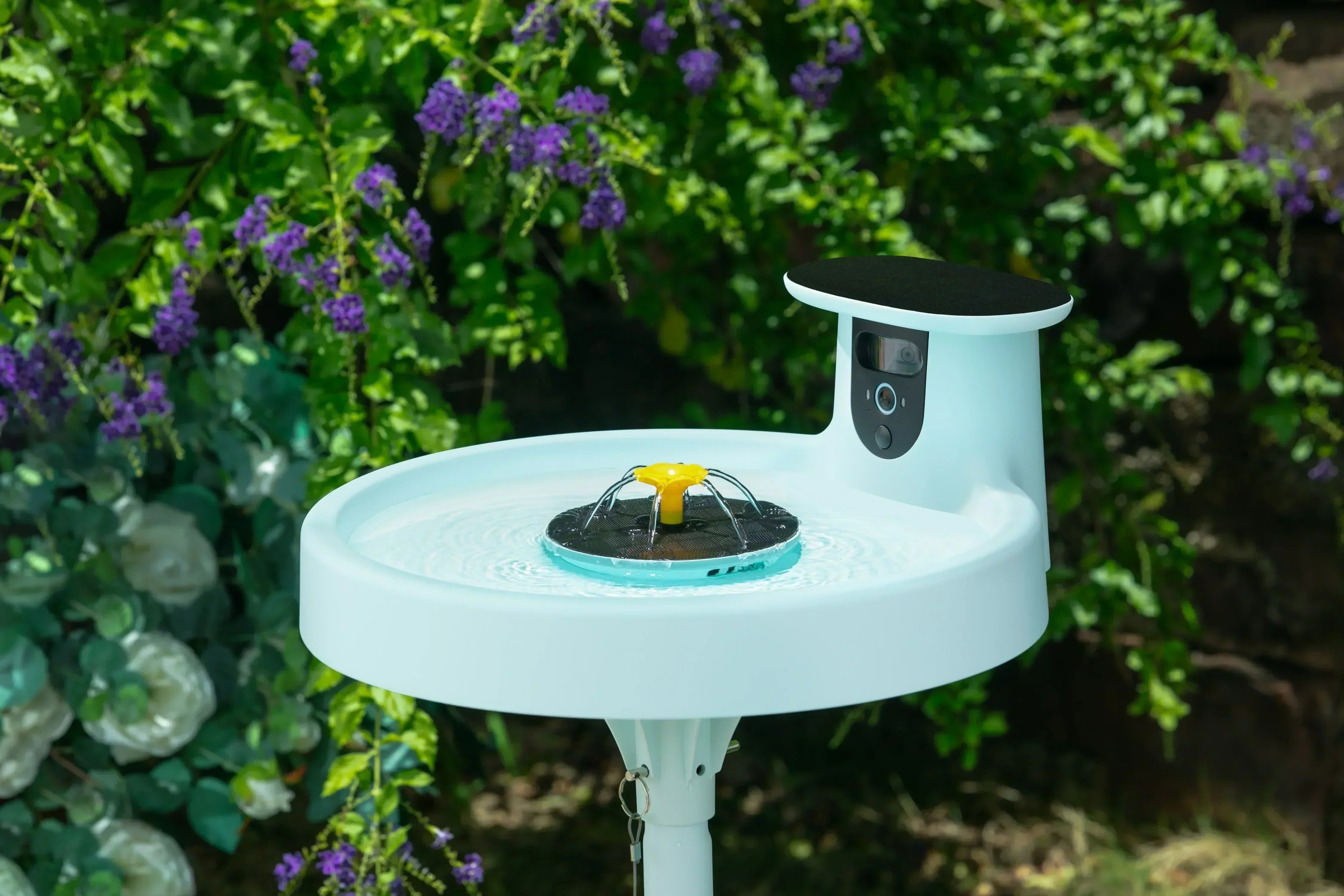
Credit: www.birdfy.com
Maintenance Tips
Maintaining plants in a shallow bird bath requires attention. Proper care ensures healthy growth. Regular maintenance helps prevent issues.
Watering And Drainage Solutions
Ensure the bird bath has adequate drainage. Drill small holes at the bottom. This prevents waterlogging. Use a well-draining soil mix. Check soil moisture often. Water when the top inch feels dry.
Preventing Algae And Pest Issues
Keep the bird bath clean. Rinse it every week. Remove any debris. Algae thrive in stagnant water. Ensure proper drainage to avoid this. Use natural pest repellents. Neem oil can be effective. Regularly inspect for pests. Act quickly to prevent infestations.

Credit: www.gardenista.com
Frequently Asked Questions
What Plants Thrive In A Shallow Bird Bath?
Succulents, mosses, and small water plants thrive in shallow bird baths. They require minimal soil and tolerate wet conditions well, making them ideal choices for adding greenery without harming birds.
Can I Grow Aquatic Plants In A Shallow Bird Bath?
Yes, small aquatic plants like duckweed and water lettuce grow well in shallow bird baths. They help maintain water quality and attract birds while adding a natural touch.
How Do I Prepare A Bird Bath For Planting?
Clean the bird bath thoroughly and add a thin layer of gravel or sand. This helps with drainage and provides a base for planting small, shallow-rooted plants suitable for the bath.
Are Shallow Bird Baths Safe For Plant Roots?
Yes, shallow bird baths are safe for plants with shallow roots. Avoid deep-rooted plants as they need more soil and space, which shallow baths cannot provide.
Conclusion
Choosing the right plants for a shallow bird bath adds life and charm. Small water plants keep the water clean and fresh. They attract birds and small insects, creating a lively garden spot. Remember to pick plants that fit shallow water and need little care.
This simple step turns your bird bath into a beautiful, natural feature. Enjoy watching wildlife visit and thrive in your garden.




