
Are you looking to add a charming touch to your garden while attracting beautiful birds? Making your own bird bath is easier than you might think, and it’s a fun way to connect with nature right outside your door.
Imagine watching colorful birds splash and play, bringing life and joy to your outdoor space. In this guide, you’ll discover simple steps to create a bird bath that suits your style and keeps your feathered friends happy. Ready to make your garden a peaceful haven for birds?
Let’s get started!

Credit: www.youtube.com
Choosing The Right Location
Choosing the right location for your bird bath is key to attracting birds and keeping them safe. The spot you pick affects how often birds visit and how comfortable they feel while drinking or bathing. A well-placed bird bath can become a lively gathering place right in your backyard.
Find A Sunny Spot
Birds love warmth, so placing your bird bath in a sunny area helps keep the water from freezing in colder months and warms it up on cool mornings. Sunlight also encourages evaporation, which helps keep the water fresh. Have you noticed how birds linger longer where the sun hits just right? That’s the kind of spot you want.
Ensure Visibility And Safety
Birds need to see their surroundings clearly to feel safe while using the bath. Choose a location where they have a good view of approaching predators like cats or hawks. Nearby shrubs or trees offer quick escape routes, but avoid dense cover that hides threats. Ask yourself: would you feel secure if you were a bird here?
Avoid High Traffic Areas
Noise and movement can scare birds away, so avoid placing the bird bath near busy walkways or playgrounds. A quiet corner of your garden allows birds to relax and enjoy the water without constant interruption. Think about your own need for peace—why wouldn’t birds want the same?
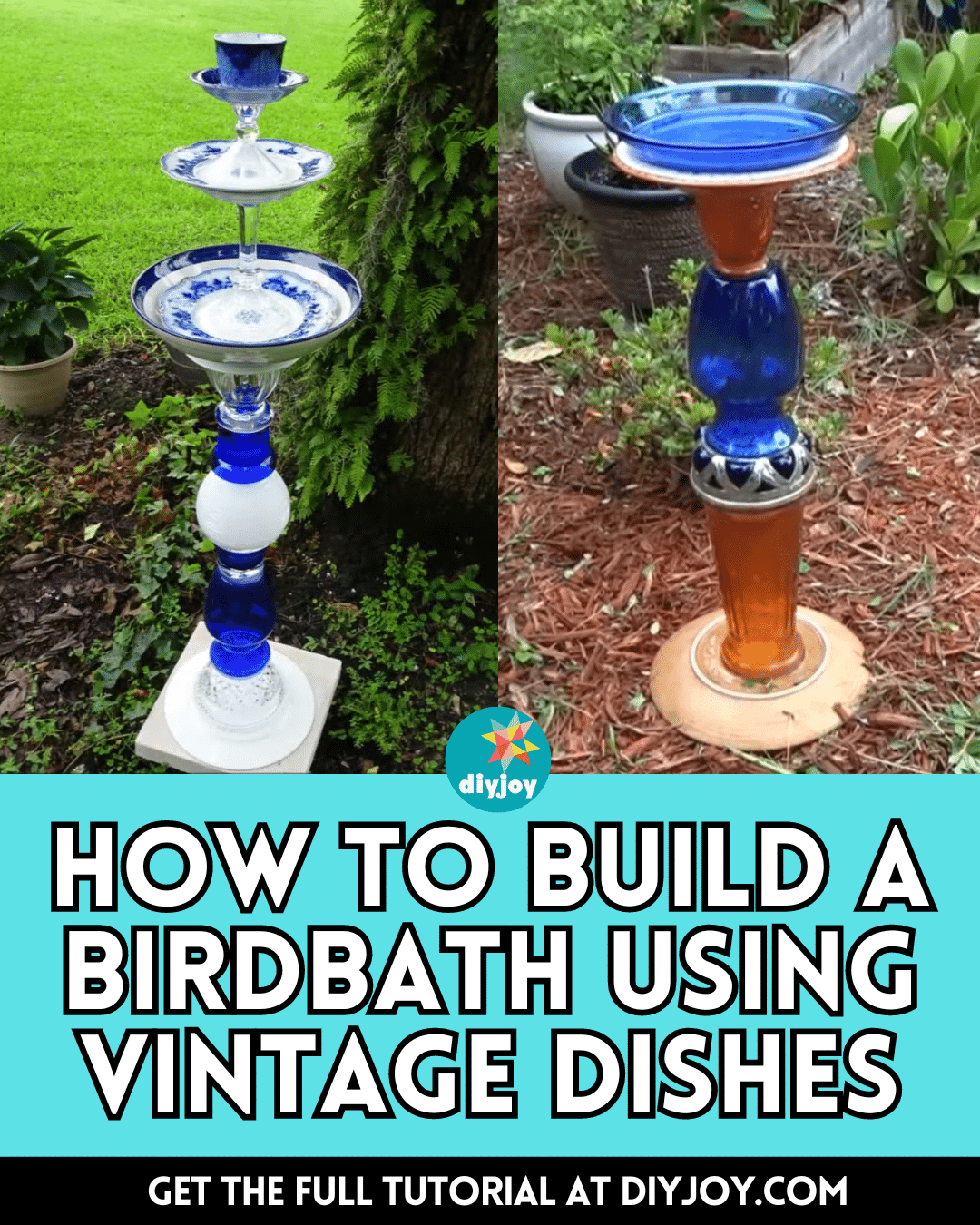
Credit: diyjoy.com
Selecting Materials
Selecting the right materials for your bird bath is key to creating a safe and inviting spot for birds. Choosing durable and bird-friendly components ensures your bath lasts long and stays healthy for wildlife. Consider materials that resist weather and are easy to clean. Think about what fits your garden style and budget too.
Types Of Basins To Use
- Concrete basins: sturdy and heavy, resist tipping.
- Ceramic bowls: decorative but can be fragile.
- Metal basins: durable but may heat up in sun.
- Plastic basins: lightweight and affordable, but less durable.
- Repurposed items: old sinks or dishes add charm and recycle.
Sturdy Bases And Stands
A strong base supports the basin safely. Choose materials that hold weight and resist weather.
- Stone pedestals: heavy and stable, blend with nature.
- Wooden stands: natural look but treat to prevent rot.
- Metal stands: sturdy and modern but check for rust.
- Concrete blocks: simple and strong option.
Non-toxic And Bird-friendly Options
Materials must be safe for birds. Avoid toxic paints, glues, or chemicals.
- Use natural stone or untreated wood.
- Choose non-toxic sealants if sealing is needed.
- Skip sharp edges that can hurt birds.
- Ensure no lead or harmful metals in metal parts.
Building The Bird Bath
Building your own bird bath is a rewarding project that invites nature right to your doorstep. It’s not just about providing water for birds; it’s about creating a charming garden feature that reflects your style. Let’s break down the key parts of the process so you can build a bird bath that’s sturdy, functional, and visually appealing.
Preparing The Base
The base is the foundation of your bird bath, so it must be stable and level. Choose a spot in your garden that’s flat and visible to enjoy watching your feathered visitors. Use materials like concrete blocks, bricks, or a thick wooden slab to create a solid platform.
Make sure the base is heavy enough to support the basin and resist tipping. If you’re using wood, treat it against moisture to avoid rotting. Have you checked the ground for drainage? Standing water under the base can cause instability over time.
Securing The Basin
The basin holds the water, so it needs to be secure and slightly tilted to prevent water from pooling unevenly. Popular options include shallow bowls, old wheel rims, or even large plant saucers. Pick a basin that is easy to clean and safe for birds to land on.
Attach the basin firmly to the base using strong adhesive or screws, depending on the materials. For example, silicone sealant works well with stone or ceramic basins and concrete bases. Always double-check the basin’s stability to avoid spills during windy days.
Adding Decorative Elements
Decorative touches make your bird bath a unique garden focal point. You can add pebbles around the basin edge to provide grip for birds or paint patterns on the base to brighten the look. Think about placing small statues, mosaic tiles, or even solar lights nearby for nighttime charm.
Remember, the decorations should not obstruct the birds’ access or make the bath unsafe. What colors or styles reflect your garden’s personality? Your creativity can turn a simple bird bath into a delightful conversation starter.
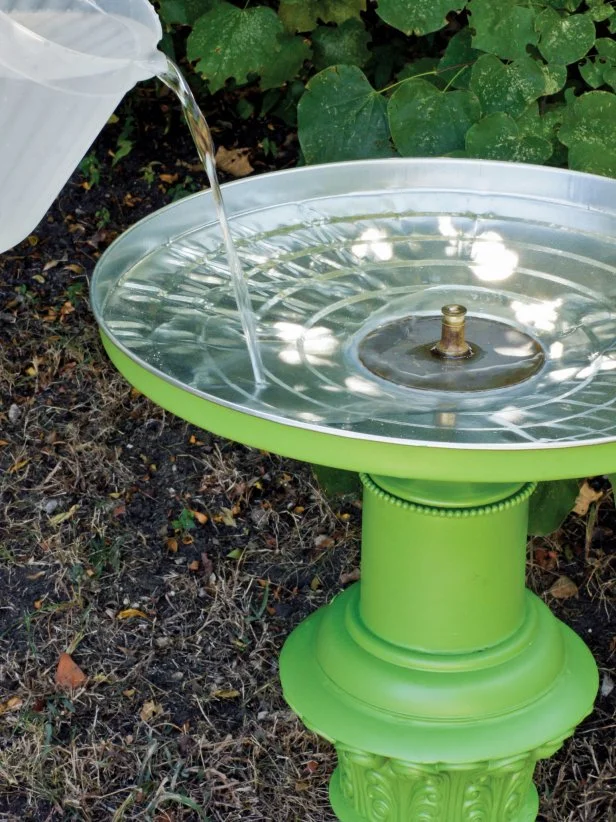
Credit: www.hgtv.com
Maintaining Your Bird Bath
Maintaining your bird bath is key to keeping birds happy and healthy. Clean water invites birds to visit often. Regular care prevents problems like algae and mosquitoes. Simple habits make your bird bath a safe, refreshing spot.
Cleaning Tips
Clean the bird bath every few days. Use a scrub brush to remove dirt and algae. Avoid strong soaps; they can harm birds. Use a mixture of water and white vinegar instead. Rinse the bath well to remove all vinegar. This keeps the surface safe and fresh.
Refilling And Water Quality
Refill the bird bath with fresh water daily. Birds need clean water for drinking and bathing. Use cool water, especially in hot weather. Avoid using water with chemicals or chlorine. Rainwater is a good natural choice. Keep the water level shallow to help small birds feel safe.
Preventing Mosquito Breeding
Stagnant water attracts mosquitoes. Change water often to stop their growth. Add a small fountain or dripper to keep water moving. Mosquitoes avoid moving water. Consider using mosquito dunks safe for birds. These help control larvae without harming wildlife.
Attracting Birds To Your Bath
Creating a bird bath is only half the fun; attracting birds to use it brings your garden to life. Birds look for more than just water—they want a safe, inviting space that meets their needs. Understanding what draws them can make your bath a favorite spot for a variety of feathered visitors.
Adding Plants And Shelter
Surround your bird bath with native plants to create a natural environment. Shrubs and trees offer birds places to hide from predators and rest nearby. I noticed that after planting a mix of flowering bushes, more colorful birds began visiting my bath regularly.
Consider placing your bird bath near natural cover but not too close to dense thickets where cats might lurk. Small branches or a nearby bush give birds quick escape routes. This balance makes your bath feel secure without trapping them.
Using Bird-friendly Features
Keep water shallow—about 1 to 2 inches deep—to accommodate small birds. Adding a few smooth stones or pebbles inside provides perches and helps birds drink safely. I once saw a robin cautiously hop on a stone before sipping water, showing how simple features encourage use.
Make sure the water is clean and refreshed often. Birds avoid dirty or stagnant water, so changing it daily increases visits. A gentle drip or fountain also attracts birds by creating sound and movement that signals fresh water.
Seasonal Adjustments
Adjust your bird bath to suit the seasons to keep birds coming year-round. In summer, shade the bath to prevent water from overheating. During winter, use a heater or change water frequently to prevent freezing.
Think about the local climate and bird species in your area. Some birds migrate, while others stay and need reliable water sources all year. How can you modify your bath to meet these changing needs?
Frequently Asked Questions
What Materials Do I Need To Make A Bird Bath?
You need a shallow basin, sturdy base, water source, and non-toxic paint. Optional: stones or tiles for decoration. Use materials safe for birds and weather-resistant.
How Do I Choose The Right Location For My Bird Bath?
Place it in a quiet, shaded area near trees or shrubs. Ensure it’s visible to birds and away from predators for safety.
How Often Should I Clean My Homemade Bird Bath?
Clean the bird bath at least once a week. Use mild soap and water to prevent algae and bacteria build-up, ensuring bird health.
Can I Use Recycled Materials For A Bird Bath?
Yes, recycled bowls, plates, or containers work well. Ensure they are safe, clean, and free of harmful chemicals before use.
Conclusion
Creating your own bird bath brings joy to both you and local birds. It adds beauty and life to your garden or yard. Choose safe materials and place it where birds feel safe. Keep the water clean for healthy visits.
Watching birds bathe and drink offers peace and fun. Start small, enjoy the process, and see nature up close. Your handmade bird bath becomes a simple way to help wildlife thrive nearby.




