
Have you ever felt tiny bites on your skin and wondered where they came from? If you’ve noticed small, itchy spots around your home, bird mites might be the hidden cause.
These tiny pests can sneak into your living space without you even realizing it. Understanding how bird mites get in the house is the first step to protecting your family and your home. Keep reading to discover the surprising ways these pests enter and what you can do to stop them before they become a bigger problem.

Credit: www.atpest.com.au
Common Bird Mite Types
Bird mites are tiny pests that often hitch a ride into your home without you even noticing. Knowing the common types of bird mites can help you identify them quickly and take action before they become a bigger problem. Each type has its own habits and preferred hosts, which influence how they invade your living space.
Ornithonyssus Sylviarum (northern Fowl Mite)
This mite is a frequent troublemaker for poultry owners. It feeds on birds like chickens but can also bite humans when bird hosts leave the nest. These mites are fast breeders, so once they enter your home, their numbers can grow rapidly.
Have you ever felt tiny bites after cleaning out a bird’s nest nearby? Northern fowl mites are often the culprits. They tend to stay close to the nest but will move indoors if food sources dry up.
Dermanyssus Gallinae (red Mite)
Red mites are nocturnal feeders, usually attacking birds at night. They hide in cracks and crevices during the day and come out to feed on blood when the birds rest. These mites can survive for long periods without a host, making them persistent invaders.
If you notice unexplained itching or small red bites appearing mostly at night, red mites might be involved. They can easily spread from bird nests on your property to your home’s interior.
Ornithonyssus Bursa (tropical Fowl Mite)
This mite prefers warmer climates and targets a variety of birds including pigeons and sparrows. It can bite humans, causing discomfort and irritation. Tropical fowl mites are known for their ability to disperse widely, especially during warm seasons.
Have you seen birds nesting near your vents or eaves? This mite type often uses those spots as entry points. Controlling bird access can reduce the risk of these mites invading your home.
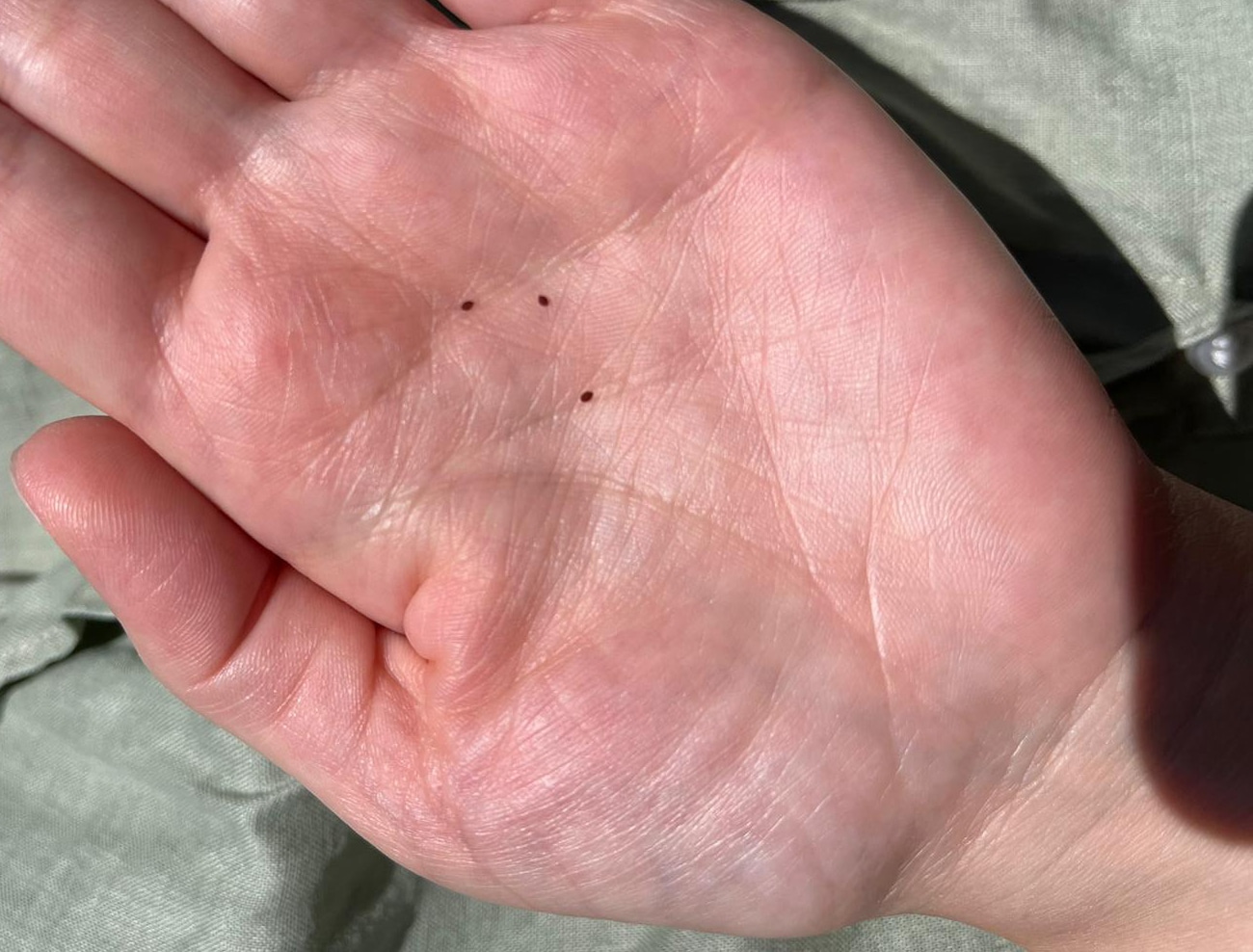
Credit: www.bedbugbarrier.com.au
Why Bird Mites Invade Homes
Bird mites are tiny pests that can suddenly become a big problem in your home. They don’t just appear out of nowhere—they have specific reasons for invading your living space. Understanding why bird mites enter homes can help you prevent an infestation before it starts.
Attracted By Nearby Bird Nests
Bird mites usually live on birds and their nests. If you have a bird’s nest close to your house, these mites might follow their hosts indoors. They are looking for new places to feed once the baby birds leave or if the nest gets disturbed.
Imagine noticing itchy bites after cleaning your attic where a bird’s nest was. That’s a clear sign these mites moved from the nest to your home. Removing old nests and sealing entry points can stop them from coming inside.
Searching For A New Host
Bird mites feed on bird blood, but when their bird hosts leave or die, mites must find new sources of food. Your warm body becomes an easy target. They are not picky and will bite humans if birds are no longer available.
Have you ever felt tiny bites after a bird nest was removed near your window? This happens because the mites desperately look for a new host. Understanding this behavior helps you act quickly to protect yourself.
Entering Through Openings And Cracks
Bird mites are incredibly small and can easily slip through tiny cracks and gaps in walls, windows, or vents. Homes with poor sealing or damaged screens are more vulnerable. These small openings act like doorways for mites seeking shelter.
Check your home carefully for even the smallest gaps. Simple fixes like sealing cracks and repairing screens can make a big difference in keeping bird mites out. Have you inspected your home’s exterior recently?
Riding On Pets Or Clothing
Pets that roam outside can unknowingly bring bird mites inside. Mites can cling to your pet’s fur or your clothes after you’ve been near bird nests. Once inside, they quickly spread around your home.
If you notice your pet scratching more than usual, consider the possibility of mites. Washing clothes and grooming pets regularly can reduce the chances of mites hitching a ride into your living space.
Bird Nests Near Your House
Bird nests near your house are a common reason bird mites find their way inside. Birds naturally seek safe spots close to human dwellings to build their nests. While watching baby birds hatch can be a delightful sight, these nests often become hotspots for mites that may soon invade your living space.
Roofs And Eaves
Roofs and eaves provide sheltered spots ideal for birds to build nests. These areas are often overlooked during home inspections, giving mites a perfect entry point. If you notice birds frequently visiting or nesting here, it’s wise to check for mite activity regularly.
Have you ever spotted tiny mites crawling around your roofline? That’s a sign they might be migrating indoors. Sealing gaps and cracks under eaves can stop them before they get inside.
Attics And Chimneys
Attics and chimneys are cozy, secluded spaces where birds often nest undisturbed. Mites living in these nests can easily crawl into your attic and from there into your home. If you use your attic for storage, you might unknowingly bring mites into your living areas.
Consider inspecting your attic and chimney for bird nests, especially during spring and summer. Installing chimney caps and attic vents with screens helps keep birds—and mites—out.
Porches And Balconies
Porches and balconies offer convenient ledges and corners for birds to settle and build nests. These spaces are close to your home’s entrances, making it easier for mites to find their way inside. Regularly cleaning and removing any nests here can prevent mite infestations.
Have you checked your porch ceiling or balcony corners lately? Even small nests can harbor a large number of mites ready to invade. Simple steps like installing bird deterrents or using mesh netting can protect these areas effectively.
Cracks And Gaps In Walls
Bird mites can find their way into homes through various entry points. Cracks and gaps in walls offer easy access for these tiny pests. They seek warmth and food, making your home an attractive place. Sealing these openings is crucial to prevent infestations.
Windows And Door Frames
Bird mites often enter through gaps around windows and doors. Even small spaces can be an invitation for them. Check your window and door frames for any gaps or cracks. Use weather stripping or caulk to seal these areas effectively.
Vents And Utility Openings
Vents and utility openings are common entry points for bird mites. They can easily crawl through these spaces into your home. Inspect these areas regularly and use mesh screens to cover any openings. This can help keep these pests at bay.
Pets And Outdoor Items
Pets and outdoor items can bring bird mites into your home without notice. These tiny pests cling to fur, feathers, and surfaces. Once inside, they find warm places to settle and multiply. Understanding how mites hitch a ride helps prevent infestations.
Bringing Mites Indoors
Pets that roam outside can carry bird mites on their fur. Mites latch onto animals near bird nests or roosts. When pets enter the house, mites drop off and spread. Outdoor gear like blankets or cushions also trap mites. Carrying these items inside invites mites into living spaces.
Infested Bird Feeders
Bird feeders attract birds, which sometimes host mites. Mites leave nests and cling to feeder surfaces. They can crawl onto hands or clothes during refills. Bringing feeders indoors or placing them near doors increases risk. Regular cleaning reduces mite presence around feeders.
Seasonal Mite Behavior
Bird mites don’t stay active all year long. Their behavior shifts with the seasons, and understanding these changes can help you prevent them from invading your home. Knowing when they are most likely to move indoors gives you a real advantage.
Warm Weather Activity
During spring and summer, bird mites thrive outdoors, especially near bird nests. Warm weather means more birds building nests close to your home, creating a perfect breeding ground for mites.
You might not notice them at this stage because they stick to their natural hosts. But if you’ve ever had a bird nest on your roof or eaves, you know how quickly mites can multiply when the temperature rises.
Are you checking your home’s exterior regularly for nests? Removing them early can stop mites before they get a chance to spread.
Fall And Winter Migrations
As temperatures drop, bird mites lose their main food source—birds often leave their nests or migrate. This forces mites to seek warmth and food elsewhere, often pushing them inside your home.
Fall and winter see increased mite activity indoors as they search for new hosts like pets or humans. You might notice unexplained itching or small bites during these months, a sign mites have entered your living space.
Have you noticed a sudden rise in tiny pests during colder months? This seasonal migration is a key reason why.
Keeping windows and vents sealed, and removing old nests near your home before fall, can reduce the chances of mites making your house their new home.
Preventing Bird Mite Intrusions
Preventing bird mite intrusions starts with understanding how these tiny pests enter your living space. Bird mites usually hitch a ride from nearby nests or gaps in your home’s exterior. Taking proactive steps to block their access can save you from itchy encounters and ongoing infestations.
Sealing Entry Points
Bird mites are incredibly small and can slip through cracks as thin as a paper edge. Carefully inspect your home’s exterior for gaps around windows, doors, vents, and roof eaves. Use weatherstripping, caulk, or mesh screens to close off these openings.
Have you checked the condition of your window screens lately? Even tiny tears can invite mites inside. Don’t overlook attic vents and chimney openings, as these are common mite highways.
Removing Bird Nests Safely
Bird nests near your home are the main source of bird mites. Removing them reduces the chance of mites migrating indoors. However, it’s crucial to do this safely—wear gloves and a mask to avoid direct contact with mites or bird droppings.
Consider timing nest removal outside of nesting season to avoid harming baby birds. If you spot nests in tricky spots, hiring a professional might be the safest option. Have you ever tried removing a nest yourself? It’s more delicate work than it seems.
Maintaining Clean Surroundings
Keeping your yard and home clean discourages birds from settling nearby. Trim tree branches that touch your roof or walls to limit bird access. Regularly clean gutters and remove debris where nests might be built.
Inside, vacuum and dust frequently to catch any mites that might have slipped in. Using a dehumidifier can also help, as bird mites prefer humid environments. What simple change can you make today to keep your surroundings less inviting to these pests?

Credit: www.bedbugbarrier.com.au
Frequently Asked Questions
How Do Bird Mites Enter Homes?
Bird mites usually enter homes through nests built on roofs, eaves, or vents. When baby birds leave nests, mites seek new hosts inside houses. Cracks, gaps, and open windows also allow mites to invade living spaces.
Can Bird Mites Infest Human Living Areas?
Yes, bird mites can infest human living areas. They do not live on humans but bite skin, causing itching and irritation. They thrive where bird nests are nearby or inside the house.
What Attracts Bird Mites To Houses?
Bird mites are attracted to houses with bird nests close by. The warmth and shelter of homes provide ideal conditions. Openings in walls or roofs give easy access for mites to enter.
How Can I Prevent Bird Mites In My Home?
Prevent bird mites by removing bird nests near your home. Seal cracks and gaps around windows, doors, and vents. Regularly inspect and maintain your roof and eaves to deter birds.
Conclusion
Bird mites enter homes mainly through bird nests near windows or vents. These tiny pests move inside seeking warmth and food. Keeping nests away from your house helps prevent infestations. Regularly check attics, eaves, and vents for bird activity. Clean and seal entry points to block mites from getting inside.
Acting fast stops mites from spreading in your living space. Understanding how bird mites enter your home helps you protect your family. Stay alert and maintain your home to keep these pests out. Simple steps make a big difference.




