
Have you ever wondered if putting bird seed inside your bird house is a good idea? You might think it’s a simple way to attract more birds, but there’s more to it than meets the eye.
What if the wrong choice could actually scare birds away or harm them? You’ll discover the surprising truth about bird seed and bird houses. By the end, you’ll know exactly what to do to create a safe and welcoming space for your feathered visitors.
Keep reading—you don’t want to miss these important tips!
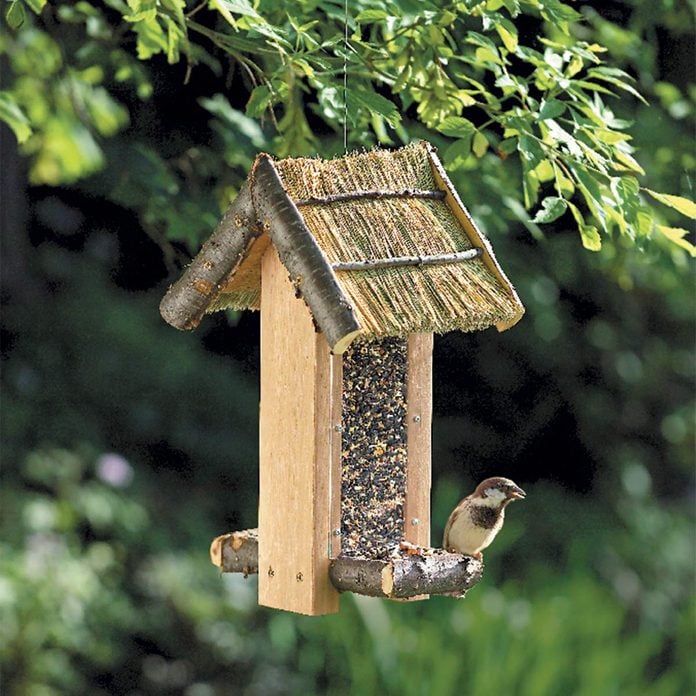
Credit: www.familyhandyman.com
Purpose Of Bird Houses
Bird houses serve a clear purpose beyond simply looking charming in your garden. They provide a safe space for birds to rest, nest, and escape harsh weather or predators. Understanding what bird houses are for helps you decide whether to put bird seed inside or not.
Shelter Vs Feeding Spot
Bird houses are mainly designed to offer shelter, not to be feeding spots. Their structure keeps birds safe from rain, wind, and predators while they sleep or raise their young. Putting bird seed inside can attract unwanted pests or cause messes that harm the birds rather than help them.
Have you noticed how birds often prefer to feed openly rather than inside confined spaces? Feeding should be done on feeders or ground spots where birds feel free to move and watch for danger. Bird houses should stay clean and dry to remain effective shelters.
Attracting Nesting Birds
Your goal with a bird house is to invite birds to build nests and raise their chicks safely. Different species need different house sizes and entrance hole diameters. For example, bluebirds like houses with a small round hole, while wrens prefer slightly larger openings.
Adding nesting materials like dry grass or soft fibers inside the bird house can encourage birds to stay longer. Avoid adding food inside, as it can attract predators or cause the nest to become unhealthy. Instead, position your bird house in a quiet spot where birds feel secure.
Feeding Habits Of Birds
Birds have unique feeding habits that reflect their natural environment. Understanding these habits helps decide if bird seed belongs in bird houses. Birds eat to survive, find energy, and care for their young. Their feeding behavior adapts to seasons, habitat, and food availability.
Natural Feeding Behavior
Birds search for food that matches their needs and skills. Many birds forage on the ground or in trees. Some catch insects, while others eat seeds, fruits, or nectar. Birds use their beaks in different ways to gather food. For example, woodpeckers drill into wood to find insects. Hummingbirds hover to sip nectar from flowers.
Bird houses mainly provide shelter, not food. Birds usually feed outside the house. Feeding inside a bird house can cause mess and attract pests. Therefore, placing food near bird houses is better.
Common Bird Food Preferences
- Seeds:Sunflower seeds, millet, and safflower are popular choices.
- Fruits:Berries and chopped apples attract many species.
- Insects:Mealworms and suet cakes provide protein.
- Nectar:Sugar water helps hummingbirds and orioles.
Different birds prefer different foods. For example, finches love small seeds. Cardinals enjoy sunflower seeds. Orioles seek fruit and nectar. Offering a variety attracts more birds. Avoid putting seed inside bird houses to keep them clean and safe.
Bird Seed And Bird Houses
Bird houses are designed to provide shelter and nesting spots for birds, but many bird lovers wonder if adding bird seed inside these homes can help attract more visitors. While it might seem like a good idea to offer food right where birds rest, there are important factors to consider. Understanding the relationship between bird seed and bird houses can help you create a safe and inviting space for your feathered friends.
Pros And Cons Of Putting Seed Inside
Adding bird seed inside a bird house can encourage birds to explore and stay longer. It offers easy access to food, especially in colder months when natural sources are scarce. This can increase the chances of birds nesting nearby, turning your garden into a lively bird hub.
However, there are downsides. Bird houses are primarily for shelter and nesting, not feeding. Seed inside can attract unwanted pests like rodents or insects, which may harm the birds or damage the house. Also, leftover seeds can become moldy or rotten, creating unhealthy conditions.
- Pros:Easy food access, attracts birds, supports birds in tough seasons.
- Cons:Invites pests, risk of mold, may discourage nesting.
Potential Risks For Birds
Feeding birds inside their houses can disturb their natural behavior. It may lead to overcrowding, increasing the spread of diseases among birds. Have you noticed how birds prefer clean, dry spaces to nest? Seed debris can make the house dirty and unsafe.
Another risk is that some seeds may not be suitable for all bird species, potentially causing digestive problems. You also risk attracting predators by leaving food in visible, confined spaces. Instead, placing seed feeders nearby offers a safer, cleaner way to feed birds without disturbing their homes.
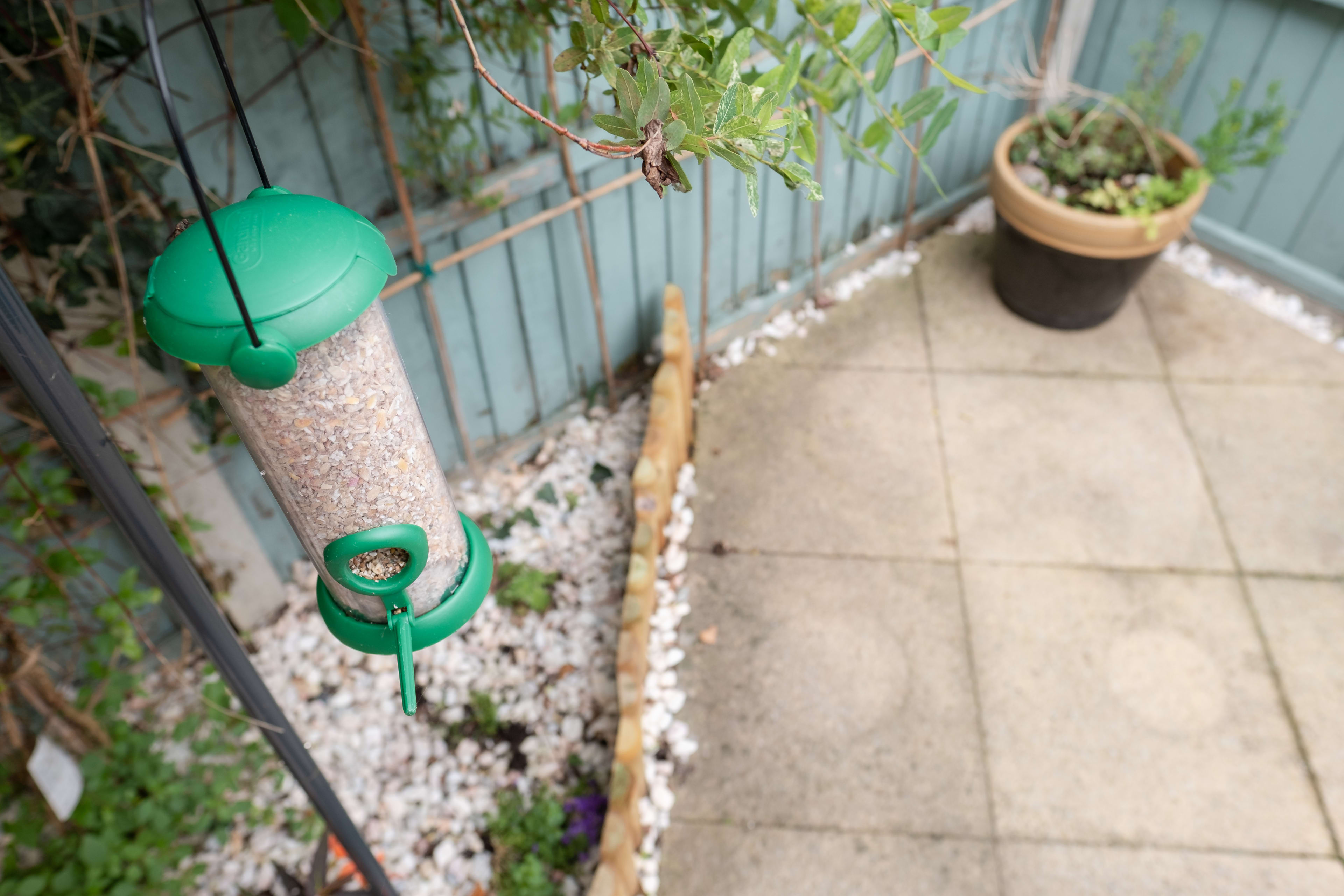
Credit: dengarden.com
Best Practices For Bird Feeding
Feeding birds is a rewarding activity that invites nature closer to home. Following best practices helps keep birds healthy and safe. It also ensures a clean, enjoyable feeding area for everyone. Understanding how to feed birds properly encourages more visitors and a thriving garden.
Using Feeders Vs Bird Houses
Bird feeders are designed to hold and dispense seed. They allow birds to eat comfortably without risk of overcrowding. Bird houses are meant for nesting, not feeding. Placing seed inside bird houses can cause mess and attract pests. Feeders provide easy access and reduce the chance of seed spoilage. Choose feeders that suit the types of birds in your area.
Safe Seed Types And Placement
Select seeds that are safe and popular with local birds. Black oil sunflower seeds attract many species and offer good nutrition. Avoid seeds with fillers like red millet or wheat that birds often discard. Place feeders in safe spots away from predators and harsh weather. Keep feeding areas clean by removing old seed and waste. Regular cleaning helps prevent disease and keeps birds healthy.
Maintaining Bird Houses
Bird seed does not belong inside bird houses because these are meant for nesting, not feeding. Keep bird houses clean and dry to protect baby birds. Feeding birds is best done with outdoor feeders placed nearby.
Maintaining bird houses is essential for a healthy bird habitat. Regular care ensures birds have a safe, welcoming place. It also helps prevent diseases and pests. Let’s explore how to maintain these houses effectively.Cleaning And Hygiene Tips
Bird houses need regular cleaning. Use mild soap and water. Rinse thoroughly to remove soap residue. Ensure the house dries completely before reuse. Remove old nesting material. This prevents mold and bacteria growth. Wear gloves for protection. Regular cleaning keeps birds healthy and happy.Seasonal Care Advice
Different seasons require different care. In spring, inspect houses for damage. Repair cracks or holes immediately. During summer, provide shade if possible. This keeps the house cool. In autumn, clean the house after birds leave. This prepares it for winter residents. Winter care involves checking for snow blockage. Keep entryways clear for easy access. Seasonal care ensures bird houses are usable year-round.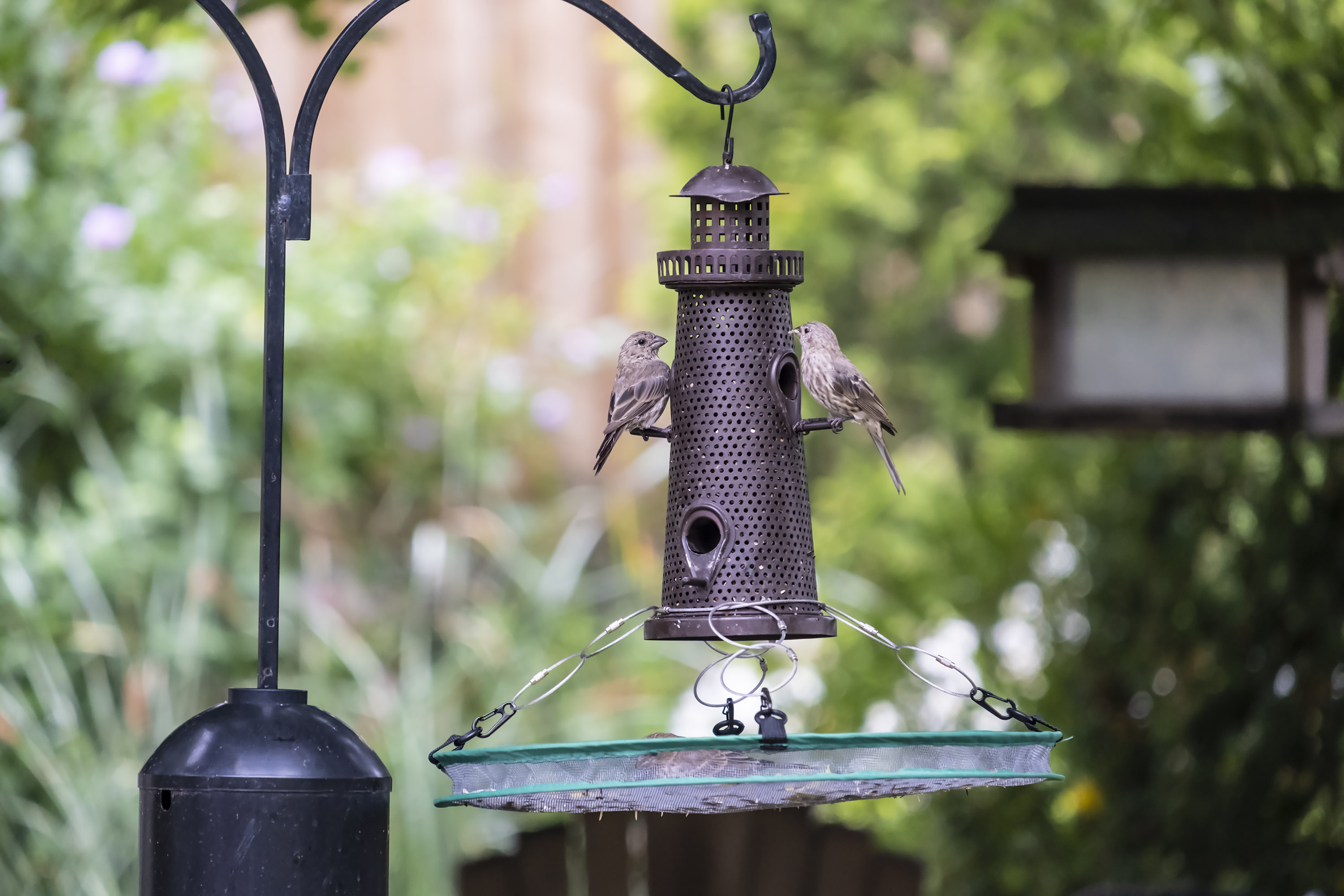
Credit: dengarden.com
Encouraging Happy Birds
Encouraging happy birds means making their space safe and welcoming. Birds thrive in environments that meet their basic needs. They seek shelter, food, and a place to rest. Supplying bird seed directly inside bird houses is not always the best choice. Birds prefer to eat in open feeders or on the ground. Bird houses mainly serve as safe nesting spots. Understanding this helps you create a happy space for birds to visit often.
Creating A Bird-friendly Environment
Place bird houses in quiet, shaded areas. Avoid spots with direct harsh sunlight or strong winds. Keep the house clean and dry to prevent mold and parasites. Use natural materials to build or line the house. Provide a variety of seeds nearby, but not inside the house. Water sources near the house attract more birds. Plant native shrubs and flowers to offer natural food and shelter. Keep pets away to reduce stress for the birds.
Additional Tips For Bird Wellness
- Offer fresh water daily in a shallow dish.
- Use seed mixes suitable for local bird species.
- Clean feeders and bird houses regularly.
- Avoid using pesticides or chemicals nearby.
- Provide nesting materials like small twigs or dry leaves.
- Monitor bird activity to spot any health concerns early.
Frequently Asked Questions
Can You Put Bird Seed Inside Bird Houses?
No, bird seed is not recommended inside bird houses. It attracts pests and predators, disturbing nesting birds. Bird houses are for shelter and nesting, not feeding. Use separate feeders to offer bird seed safely.
Why Avoid Bird Seed In Bird Houses?
Bird seed inside bird houses can cause mold and bacteria growth. It also invites unwanted animals, which can harm nesting birds. Keeping bird houses clean and seed-free ensures a safe, healthy environment for birds to raise their young.
What Is The Best Way To Feed Birds Near Houses?
Use outdoor bird feeders placed away from bird houses. Feeders attract birds without risking nests. Choose feeders suited to local birds and keep them clean to prevent disease. This approach supports birds’ feeding needs while protecting their nesting areas.
How Do Bird Houses Help Wild Birds?
Bird houses provide shelter and safe nesting spots for wild birds. They protect birds from weather and predators during breeding. Properly maintained bird houses encourage birds to stay and raise their young nearby. Avoid placing food inside to keep nests safe.
Conclusion
Bird houses are for shelter, not food. Putting bird seed inside can attract pests and harm birds. Instead, use feeders to offer seeds safely. Keep bird houses clean and dry to help birds stay healthy. Enjoy watching birds visit your garden naturally.
Simple care makes a big difference for bird safety. Choose the right way to feed and protect your feathered friends.




