
Have you ever wondered if leaving your bird feeders out in the rain is safe for the birds and your feeder? You want to keep your feathered friends happy and healthy, but rain might seem like a problem.
Should you bring the feeder inside, or can it stay outside without causing harm? You’ll discover the best way to protect your bird feeders and ensure your backyard visitors keep coming back, no matter the weather. Keep reading to find simple, practical tips that make a big difference for your birds and your feeder.

Credit: www.arkwildlife.co.uk
Effects Of Rain On Bird Feeders
Rain can affect bird feeders in many ways. It changes how birds use the feeders. It also affects the feeder’s condition and the food quality. Understanding these effects helps keep feeders safe and attractive for birds.
Impact On Seed Quality
Rain makes birdseed wet and soggy. Wet seeds can start to mold quickly. Moldy seeds are harmful to birds. Seeds may also clump together, making it hard for birds to eat. Wet seed loses its freshness and nutrition. Birds prefer dry, fresh seed for feeding.
Damage To Feeder Materials
Rain can wear down feeder materials over time. Wood feeders may rot or warp when soaked. Metal feeders can rust if not treated. Plastic feeders might crack or fade from constant wetness. Damaged feeders may leak seed or break easily. Regular cleaning and checking helps maintain feeders longer.
Attracting Unwanted Pests
Wet seed and feeders can attract pests like ants and rodents. Pests look for easy food and shelter in damp places. Standing water near feeders can also attract mosquitoes. Pests can scare away birds or spread diseases. Keeping feeders dry helps reduce pest problems and protects birds.
Best Feeder Designs For Rainy Weather
Choosing the right bird feeder design helps protect seeds during rain. Rain can spoil seeds and make feeding hard for birds. Some feeders keep seeds dry and fresh.
Good feeder designs also make cleaning easier. This keeps birds healthy and happy. Below are key features to consider for rainy weather.
Waterproof Materials
Feeders made with waterproof materials resist water damage. Plastic and metal are common choices. These materials do not soak up water or rot.
Wood feeders need special waterproof coating to last. Avoid feeders with fabric or untreated wood. They absorb water and get damaged fast.
Protective Covers And Roofs
Feeders with wide roofs shield seeds from rain. A sloped roof helps water run off quickly. This stops water from pooling on top.
Some feeders have covers extending beyond seed areas. This extra protection keeps seeds dry longer. Also, covers give birds a dry place to perch.
Drainage Features
Drainage holes let water escape from the seed area. This prevents seeds from sitting in water and rotting. Good drainage keeps food fresh and mold-free.
Look for feeders with raised seed trays. Raised trays avoid water build-up after rain. Small holes at the bottom help water drain out easily.
Choosing The Right Location
Choosing the right location for your bird feeder is essential, especially if you want to leave it out in the rain. The placement affects not only the birds’ safety and comfort but also the feeder’s durability and cleanliness. Let’s look at some practical tips to help you pick the perfect spot.
Sheltered Spots
Placing your feeder under a roof overhang, large tree branch, or porch can protect it from heavy rain. This shelter helps keep the birdseed dry, preventing mold and spoilage. I once moved my feeder under a sturdy pine tree, and noticed the birds stayed longer, enjoying their snacks without getting drenched.
Avoiding Muddy Areas
Birds love to hop around the feeder, so avoid spots where water collects and creates mud. Muddy ground can lead to dirty feathers and increase the risk of disease. Instead, pick a spot with good drainage or place a layer of gravel or wood chips underneath to keep the area clean and dry.
Visibility For Birds
Birds need to see the feeder clearly to feel safe approaching it. Open areas with good visibility help them spot predators early. Position your feeder near bushes or trees that offer quick shelter, but not so close that predators can hide. Have you noticed how birds hesitate when the feeder is too close to dense shrubs? Giving them a clear line of sight encourages frequent visits.

Credit: www.msn.com
Maintaining Feeders During Rain
Maintaining bird feeders during rainy weather is essential for keeping birds healthy and happy. Wet conditions can cause seeds to spoil and feeders to become breeding grounds for bacteria. Regular care ensures that feeders stay safe and attractive to birds. Pay close attention to moisture and cleanliness to prolong feeder life.
Regular Cleaning Tips
Clean feeders often to remove dirt and old seeds. Use warm water and mild soap to wash all parts. Rinse well to avoid soap residue. Dry feeders completely before refilling to stop mold growth. Clean feeders at least once a week during rainy times. Check feeders after heavy rain and clean if needed.
Replacing Wet Seeds
Wet seeds lose nutrition and spoil quickly. Remove any damp or clumped seeds right away. Replace with fresh, dry seeds for better bird health. Store seeds in airtight containers to keep them dry. Offer seeds in small amounts to reduce waste and spoilage.
Preventing Mold Growth
Mold can harm birds and ruin feeders. Keep feeders dry by using covers or placing them in sheltered spots. Remove moldy seeds and clean feeders thoroughly. Use feeders with good drainage to avoid water buildup. Regular cleaning and dry seeds help stop mold from growing.
Alternatives To Traditional Feeders
Traditional bird feeders often struggle in rainy weather. Wet seeds can clump or spoil. This can deter birds and waste food. Choosing alternatives helps keep birds fed and happy. These options protect seeds and attract different bird types. They also reduce mess and feeder maintenance.
Using Seed Trays
Seed trays are simple, flat dishes that hold birdseed. They do not have covers, so rain can reach the seeds. Placing trays under shelter or eaves keeps seeds dry. Trays allow birds to perch and feed easily. They suit ground-feeding birds and those that prefer open space.
To protect seeds from rain, add a small roof or clear cover above the tray. This keeps seeds dry and fresh. Clean trays often to avoid mold and pests. Seed trays offer a natural feeding experience for many bird species.
Hummingbird Feeders
Hummingbird feeders are designed to hold liquid nectar. Most have built-in covers to protect nectar from rain. These feeders prevent dilution and keep nectar fresh longer. Hummingbirds are attracted to bright colors, especially red.
Choose feeders with tight seals and small feeding ports. This stops rainwater from entering the nectar reservoir. Regular cleaning prevents mold growth. Hummingbird feeders work well in wet weather and draw beautiful birds to your garden.
Diy Rain-proof Solutions
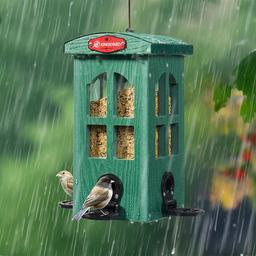
Simple DIY fixes can make any feeder rain-proof. Adding small roofs or umbrellas above feeders helps. Use waterproof materials like plastic or metal for covers. Tilted roofs allow rain to run off quickly.
Placing feeders under thick tree branches also provides natural shelter. Wrapping feeders with clear plastic shields blocks wind-driven rain. Check feeders often for damage or leaks. DIY solutions are cost-effective and easy to customize for your yard.
Credit: www.kingsyard.com
Frequently Asked Questions
Can Bird Feeders Stay Outside During Rain?
Yes, most bird feeders can stay outside in rain. However, wet feed may spoil quickly. Using weather-resistant feeders helps protect seeds and birds.
How Does Rain Affect Bird Feeder Seeds?
Rain can cause seeds to become moldy or clump together. This reduces seed quality and can harm birds. Dry, fresh seeds are best for feeding.
Should I Clean Bird Feeders After Rain?
Cleaning feeders after rain prevents mold and bacteria build-up. It keeps birds healthy and feeders in good condition. Regular cleaning is essential for safe feeding.
What Types Of Feeders Resist Rain Best?
Feeders made of metal or weatherproof plastic resist rain well. Covered or hopper-style feeders protect seeds from moisture. Choose designs that shield feed from rain.
Conclusion
Bird feeders can stay out in light rain without much trouble. Rain may spoil seeds or fill trays with water. Clean feeders often to keep birds safe and healthy. Place feeders where water drains quickly to avoid soggy seeds. Watching birds in wet weather still brings joy.
Careful attention helps birds enjoy feeding anytime. Keep feeders in good shape for bird happiness. Rain does not have to stop your bird feeding fun.




