
Are you ready to capture stunning photos of birds in their natural beauty? Choosing the right camera can make all the difference between blurry shots and breathtaking images that tell a story.
But with so many options out there, how do you know which one fits your needs? This guide will help you find the best camera for bird photography, so you can start snapping clear, vibrant pictures that truly showcase the magic of your feathered subjects.
Keep reading to discover the features that matter most and make your bird photos stand out like never before.
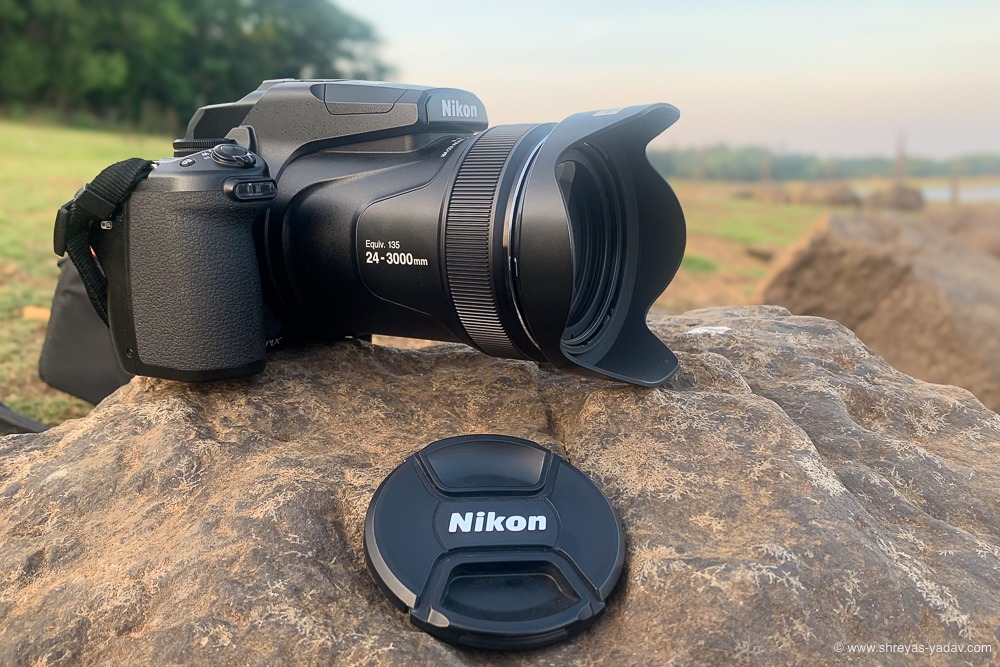
Credit: shreyas-yadav.com
Key Features For Bird Photography
Choosing the right camera for bird photography means focusing on features that help you capture sharp, detailed images of fast-moving subjects. Birds rarely stay still, so your gear needs to keep up with their speed and unpredictable behavior. Understanding the key features that impact your ability to freeze action and capture fine details will make a big difference in your results.
Importance Of Autofocus Speed
Fast autofocus is crucial for bird photography. Birds move quickly and often change direction, so your camera must lock focus instantly. Slow autofocus can cause missed shots or blurry images when the bird moves just as you press the shutter.
Look for cameras with advanced autofocus systems that track moving subjects well. Features like eye detection or animal tracking can be game-changers, helping you keep the bird in sharp focus no matter how erratic its flight.
Lens Compatibility
Your camera’s lens options determine how close and clear your bird photos can be. Telephoto lenses, especially those with focal lengths of 300mm or more, are essential for capturing birds without disturbing them.
Check if your camera brand offers a wide range of compatible lenses. This flexibility allows you to switch between lenses depending on the type of bird and shooting environment. Also, consider the availability of third-party lenses for more budget-friendly options.
Image Stabilization Benefits
Image stabilization helps reduce blur caused by hand shake or movement, which is common when using long telephoto lenses. This feature lets you shoot at slower shutter speeds without losing sharpness, especially in low light or early morning conditions when birds are most active.
Some cameras offer in-body stabilization, while others rely on stabilized lenses. The best setups combine both for maximum effect, giving you more flexibility to capture crisp images in challenging conditions.
Sensor Size And Resolution
A larger sensor generally captures more light and detail, resulting in better image quality. Full-frame sensors excel in low-light situations, which is useful during dawn or dusk bird activity.
Resolution matters, too. Higher megapixels allow you to crop images tightly without losing detail, which is helpful when you can’t get physically close to your subject. But balance resolution with noise performance to avoid grainy images at higher ISO settings.
Top Camera Types For Bird Photography
Choosing the right camera is key for bird photography. Different camera types offer unique features. These features impact how well you capture birds in action. Understanding each type helps you pick the best tool for your needs.
Dslr Cameras
DSLR cameras are popular among bird photographers. They have large sensors that capture sharp images. Fast autofocus helps catch birds in flight. Interchangeable lenses give flexibility for different shots. DSLRs often have longer battery life, useful in the field.
Mirrorless Cameras
Mirrorless cameras are lightweight and compact. They offer fast shooting speeds for quick bird movements. Electronic viewfinders show real-time exposure settings. Many mirrorless models have advanced autofocus systems. These cameras are easy to carry on long trips.
Bridge Cameras
Bridge cameras offer a middle ground between DSLRs and compacts. They have fixed, long zoom lenses ideal for distant birds. These cameras are usually more affordable. They provide manual controls for more creative shots. Bridge cameras are simple to use for beginners.
Compact Cameras
Compact cameras are small and easy to carry anywhere. Some models have powerful zoom lenses. They are great for casual bird watching and photography. These cameras usually have automatic settings for quick shots. Compact cameras fit well in pockets or bags.
Best Cameras For Beginners
Choosing the right camera as a beginner in bird photography can be challenging. The best cameras for beginners combine ease of use with good features. They help you focus on learning without feeling overwhelmed. These cameras also offer good image quality to capture birds clearly. Picking a camera that fits your budget and lifestyle is important too.
Affordable Options
Many beginner-friendly cameras come at a low price. They offer good value without high costs. Brands like Canon, Nikon, and Sony have budget models. These cameras provide decent zoom and autofocus. You can find cameras under $500 that work well for bird photography. Buying affordable gear means you can upgrade later.
Ease Of Use
Simple controls matter for beginners. Cameras with automatic settings help capture birds quickly. Look for models with clear menus and buttons. Touchscreen interfaces make navigation easier. Cameras with good autofocus track moving birds better. This reduces blurry photos and frustration. A good beginner camera guides you through shooting.
Portability
Bird photography often means hiking and waiting outdoors. Lightweight and compact cameras make carrying easier. Smaller cameras fit in backpacks without extra bulk. Portability lets you move quietly and get close to birds. Some beginner cameras come with built-in zoom lenses. This reduces the need for heavy extra gear.
Professional-grade Cameras
Professional-grade cameras offer the best tools for bird photography. These cameras provide high-quality images and reliable performance. They help capture fast movements and fine details of birds. Designed for serious photographers, these cameras combine power, precision, and durability. Understanding their key features is essential for choosing the right camera for bird photography.
High-speed Performance
Fast shutter speeds are crucial for sharp bird photos. Professional cameras can shoot many frames per second. This helps capture birds in flight or quick actions. High-speed performance reduces motion blur and missed moments. It allows photographers to focus on composition and timing without worry.
Durability And Weather Sealing
Bird photography often takes place outdoors in tough conditions. Professional cameras are built to withstand rain, dust, and cold. Weather sealing protects the camera’s internal parts. Durable bodies resist knocks and drops in the field. This reliability ensures longer use without damage or failure.
Advanced Autofocus Systems
Birds move fast and unpredictably. Advanced autofocus systems track subjects with precision. These systems use many focus points for better coverage. They lock focus quickly on small or distant birds. Improved autofocus increases the chance of sharp, clear images.
Top Lenses For Bird Photography
Choosing the right lens is crucial for capturing stunning bird photos. Bird photography demands lenses that offer sharp focus, great reach, and flexibility. The lens affects image quality more than the camera body in many cases. Below are key types of lenses and features to consider for bird photography.
Telephoto Lenses
Telephoto lenses bring distant birds closer without disturbing them. They usually range from 300mm to 600mm or more. These lenses help capture fine details like feathers and expressions. Telephoto lenses also provide a shallow depth of field, making birds stand out against blurred backgrounds. A sturdy tripod or monopod often helps with heavier telephoto lenses.
Prime Vs Zoom Lenses
Prime lenses have a fixed focal length. They offer excellent sharpness and faster apertures. Zoom lenses cover a range of focal lengths. They provide flexibility to adjust framing quickly. For bird photography, zoom lenses from 100-400mm or 200-500mm are popular. Prime lenses give better image quality but less versatility. Many photographers use both types depending on their style and location.
Lens Aperture Considerations
A lens’s aperture controls light and depth of field. Wider apertures like f/2.8 or f/4 allow more light, improving low-light shots. They also create a smooth background blur, highlighting birds. Narrow apertures increase depth of field but need more light or slower shutter speeds. For fast-moving birds, a lens with a wide aperture helps keep images sharp and bright.
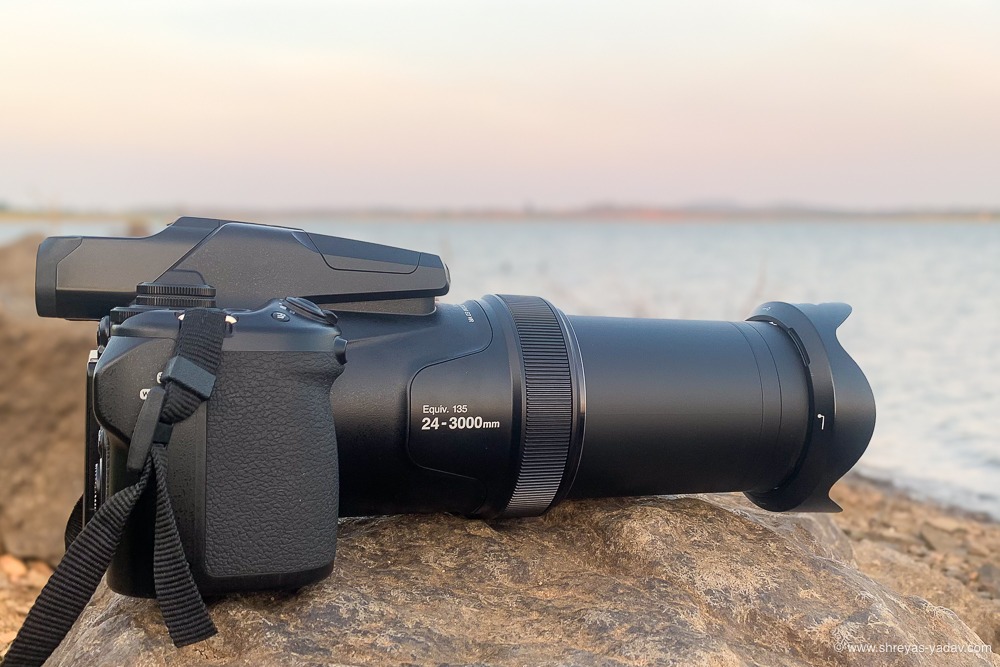
Credit: shreyas-yadav.com
Camera Accessories To Enhance Bird Photography
Capturing stunning bird photographs requires more than just a good camera. Accessories can significantly improve your results. They provide stability, control, and optimal lighting. Let’s explore some key accessories that enhance bird photography.
Tripods And Monopods
Tripods provide a stable base for your camera. They eliminate camera shake, essential for sharp images. Monopods are lighter and easy to carry. They offer some stability while allowing quick movement. Both are valuable for different shooting conditions.
External Flashes
Natural light isn’t always ideal. An external flash can help. It provides extra light in low-light situations. An external flash can also reduce shadows. This ensures your bird photos are well-lit and detailed.
Remote Shutters
Remote shutters reduce camera shake. They allow you to capture shots without touching the camera. This is useful for capturing shy birds from a distance. Remote shutters also let you take burst shots easily.
Tips For Choosing The Right Camera
Choosing the right camera for bird photography can feel overwhelming with so many options available. Focus on what truly matters for your style and needs. The right camera will not only capture stunning images but also make your photography experience enjoyable and hassle-free.
Budget Considerations
Your budget shapes your camera choices more than you might think. High-end models offer incredible features, but there are mid-range cameras that deliver excellent quality for bird photography without breaking the bank. Think about how much you are willing to invest initially and also factor in the cost of lenses and accessories.
Remember, spending a bit more on a good telephoto lens can sometimes be more impactful than the camera body itself. Have you compared prices of camera bundles versus buying gear separately? Sometimes deals on kits give you more value.
Portability Needs
Bird photography often means hiking, waiting in blinds, or moving quickly to capture a shot. A lightweight camera setup can make these moments easier and less tiring. Are you ready to carry a heavy DSLR and multiple lenses, or would a mirrorless system better suit your mobility?
Compact cameras with good zoom capabilities might sacrifice some features but win in portability. Think about your typical shooting location and how much gear you can comfortably carry. Portability is not just about weight but also about how quickly you can change settings and lenses in the field.
Future Upgrade Paths
Consider where your photography might take you in the next few years. Buying a camera system with a wide range of compatible lenses and accessories means you can upgrade without replacing everything. Does the brand you’re eyeing offer future-proof features like firmware updates or new lens releases?
For example, investing in a popular mirrorless system often gives access to diverse lenses and tech improvements over time. Think beyond your current skill level—will the camera grow with you? This approach saves money and frustration down the road.

Credit: www.thephoblographer.com
Latest Trends In Bird Photography Cameras 2025
Choosing the best camera for bird photography depends on fast autofocus and good zoom. Cameras with high resolution and quick burst modes capture sharp, detailed bird images in action. Many new models in 2025 focus on lightweight design and long battery life for outdoor use.
The world of bird photography is constantly evolving, and 2025 is no exception. As technology advances, the tools available to capture stunning avian moments become more sophisticated. This year, bird photography cameras are integrating innovative features that make capturing those elusive shots more accessible and enjoyable. Let’s dive into the latest trends that are shaping the best cameras for bird photography.Ai Autofocus Enhancements
In 2025, AI-driven autofocus systems are transforming the way photographers capture birds in action. These systems predict the movement of birds, allowing you to focus on your subject with remarkable accuracy. Say goodbye to blurry images and hello to crisp, clear shots as your camera intelligently tracks flying birds. Imagine capturing a hummingbird in mid-flight without breaking a sweat. AI enhancements ensure that your lens locks onto your subject, even against complex backgrounds. This technology takes the guesswork out of bird photography, giving you more time to enjoy the experience.Improved Image Stabilization
Shaky hands or windy conditions can ruin an otherwise perfect shot. Luckily, cameras in 2025 come with enhanced image stabilization features. These improvements mean you can shoot handheld without sacrificing image quality. For bird photographers, this is a game-changer. Imagine being able to capture a swift bird in flight without a tripod. With improved stabilization, you can focus on framing your shot rather than worrying about camera shake.Connectivity Features
Sharing your bird photography has never been easier. Modern cameras offer advanced connectivity options, allowing you to transfer images seamlessly to your devices. Whether you’re uploading to social media or storing images in the cloud, these features save you time and effort. Think about the convenience of editing your photos on the go. With Wi-Fi and Bluetooth capabilities, you can instantly transfer images to your smartphone or tablet. This connectivity not only enhances your workflow but also helps you stay engaged with your audience in real-time. Bird photography cameras in 2025 are equipped with features that make capturing the perfect shot easier and more enjoyable. What new features would make your bird photography experience even better?Frequently Asked Questions
What Features Make A Camera Ideal For Bird Photography?
A good bird photography camera has fast autofocus, high frame rate, and excellent image quality. Telephoto lens compatibility is essential. Weather sealing helps in outdoor conditions. A lightweight body aids portability during long shoots.
Which Camera Sensor Is Best For Capturing Birds?
APS-C and full-frame sensors are preferred. APS-C offers crop factor for extra reach. Full-frame provides better low-light performance and image quality. Both sensors deliver sharp, detailed bird images.
How Important Is Autofocus Speed In Bird Photography?
Autofocus speed is crucial to capture fast-moving birds. A camera with reliable, quick autofocus ensures sharp, in-focus shots. Continuous autofocus modes help track flying or erratic bird movements effectively.
Can Mirrorless Cameras Outperform Dslrs In Bird Photography?
Yes, mirrorless cameras offer faster shooting speeds and advanced autofocus. Their electronic viewfinders provide real-time exposure previews. Lightweight designs improve handling during long sessions. DSLRs still excel in battery life and lens options.
Conclusion
Choosing the best camera for bird photography depends on your needs and budget. Focus on features like zoom, speed, and image quality. A good camera helps capture sharp, clear bird photos. Practice patience and learn your camera’s settings well. Enjoy watching birds and taking pictures outdoors.
The right camera makes bird photography more fun and rewarding. Keep exploring and improving your skills every time you shoot. Your perfect bird photo is waiting to be taken.




