
Are you wondering if a 600mm lens is enough for bird photography? Choosing the right lens can make all the difference between blurry shots and stunning close-ups.
You want to capture every feather and detail without feeling limited or having to get too close and scare the birds away. You’ll discover the real strengths and limits of a 600mm lens, so you can decide if it fits your style and needs perfectly.
Keep reading to find out how this lens can transform your bird photography and when you might need something more.
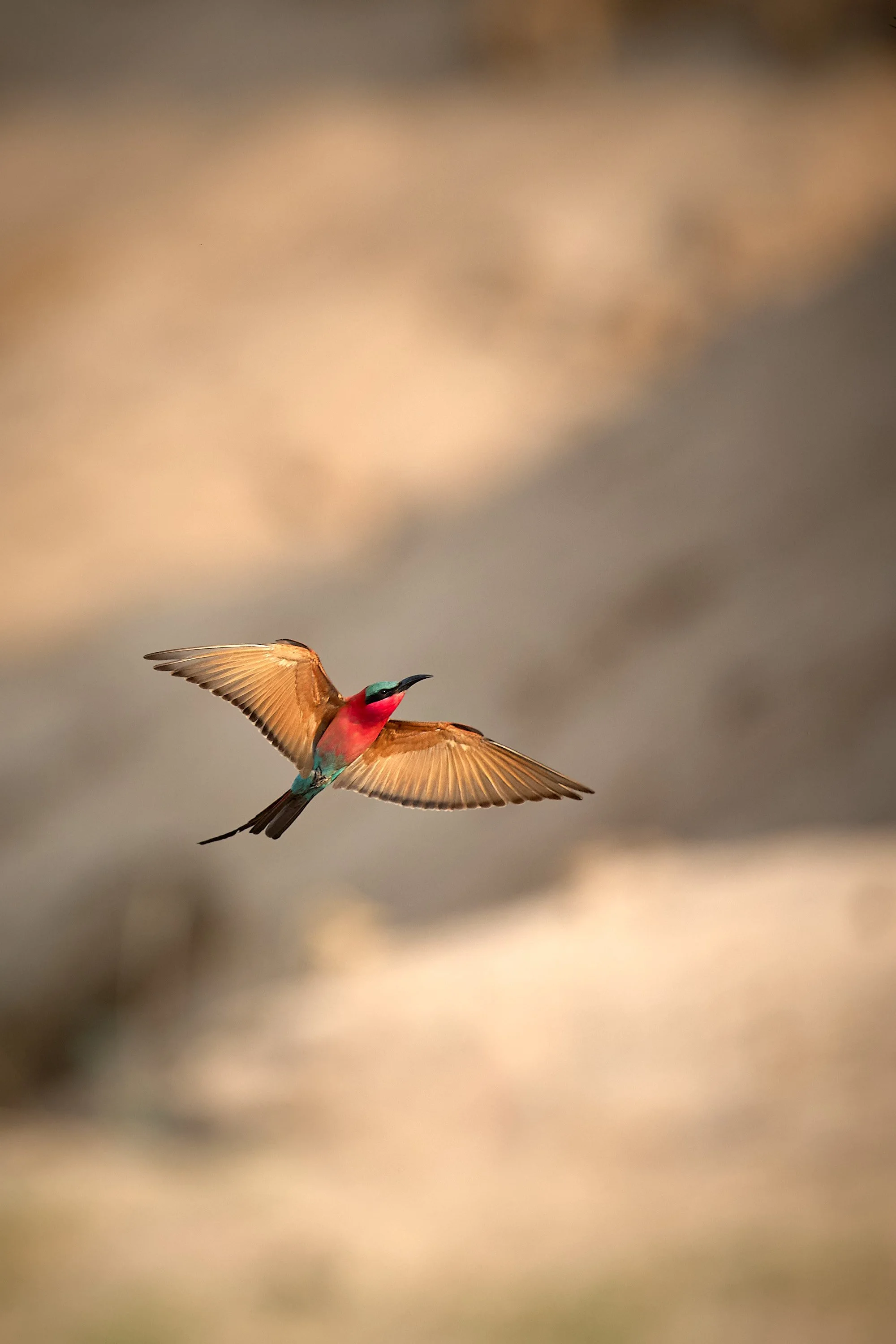
Credit: www.paolosartoriphotography.com
Choosing The Right Lens Length
Choosing the right lens length is vital for bird photography. The lens you use affects image quality, framing, and ease of use. Different situations require different lens lengths to capture birds clearly and sharply.
A good lens length helps you get close without disturbing the bird. It also influences how much detail appears in your photos. Knowing which lens length fits your needs makes your photography more successful and enjoyable.
Factors Influencing Lens Choice
- Distance to Subject:Birds are often far away. A longer lens helps capture details from a distance.
- Size of the Bird:Smaller birds need longer lenses to fill the frame.
- Light Conditions:Longer lenses may need better light or higher ISO settings.
- Weight and Portability:Heavier lenses can be tiring to carry and hold steady.
- Budget:Longer lenses usually cost more.
Common Lens Lengths For Bird Photography
| Lens Length | Best For | Advantages | Limitations |
|---|---|---|---|
| 300mm | Large birds nearby | Lightweight and easy to handle | Limited reach for distant birds |
| 400-500mm | Most bird types | Good balance of reach and clarity | Can be heavy and expensive |
| 600mm | Small or distant birds | Excellent reach, detailed close-ups | Heavy, needs steady support |
| 800mm+ | Very distant or small birds | Maximum reach and detail | Very heavy and costly |
Advantages Of 600mm Lenses
Choosing a 600mm lens for bird photography offers several advantages that can enhance your shooting experience and the quality of your images. This focal length strikes a balance between reach, image clarity, and handling, making it a favorite among many birders. Understanding these benefits can help you decide if a 600mm lens fits your photography style and needs.
Reach And Magnification
A 600mm lens gives you impressive reach, allowing you to capture distant birds without disturbing them. This magnification lets you fill the frame with your subject, revealing intricate details like feather patterns and colors. Have you ever struggled to get close enough to shy or flying birds? A 600mm lens often solves that challenge, bringing the action closer without losing image quality.
Image Quality And Sharpness
Many 600mm lenses are designed with high-quality optics that deliver sharp, clear images. You can expect minimal distortion and excellent contrast, which are crucial for highlighting the fine features of birds. When I switched to a 600mm lens, I noticed a significant improvement in the clarity of my photos, especially in good lighting conditions.
Portability And Weight Considerations
While longer lenses can be heavy and bulky, many modern 600mm lenses balance size and weight better than their longer counterparts. This makes them easier to carry on hikes or long photo sessions. You might find that a 600mm lens allows you to stay mobile and ready for sudden bird appearances without feeling weighed down.
Limitations Of 600mm Lenses
While 600mm lenses are popular for bird photography, they come with certain limitations that can affect your shooting experience and results. Understanding these drawbacks helps you make better decisions about your gear and shooting techniques. Let’s dive into some key challenges you might face with a 600mm lens.
Field Of View Challenges
A 600mm lens offers a narrow field of view, which means you see a smaller portion of the scene through your camera. This can make tracking fast-moving birds difficult, especially if they are close or flying erratically.
I’ve found that with a 600mm, you often need to anticipate the bird’s movement well in advance. Missing a shot becomes easy if the subject suddenly changes direction or flies out of the frame.
Ask yourself: Are you comfortable working with tight framing, or would a wider lens help you capture more context around the bird?
Low Light Performance
Many 600mm lenses have smaller maximum apertures, like f/5.6 or f/6.3, limiting the amount of light entering the lens. This can cause slower shutter speeds, increasing the risk of blur, especially during early mornings or late evenings when birds are most active.
In my experience, shooting with a 600mm in low light often requires a high ISO setting, which can introduce noise. This trade-off affects image quality and may require more post-processing.
Consider whether your camera body handles high ISO well or if you need additional support like tripods or image stabilization to overcome low light challenges.
Cost And Accessibility
High-quality 600mm lenses can be very expensive and heavy, making them less accessible to hobbyists or photographers on a budget. Their size and weight also make them harder to carry for long periods in the field.
I remember struggling with hand fatigue after a full day using a 600mm lens without proper support. This physical strain can reduce your shooting time and patience.
Think about whether investing in a 600mm lens fits your budget and shooting style, or if alternatives like teleconverters or shorter focal lengths might better suit your needs.

Credit: www.reddit.com
Comparing 600mm With Other Focal Lengths
Choosing the right focal length is key in bird photography. Different lenses offer various benefits and challenges. Comparing 600mm to other focal lengths helps understand its suitability for your needs. Factors like reach, weight, and image quality play a role in this comparison.
400mm Vs 600mm
A 400mm lens is lighter and easier to carry on long hikes. It offers good reach for many bird species but may require you to get closer. A 600mm lens provides more zoom, capturing distant birds in greater detail. This extra length often means heavier gear and more need for a tripod. Both lenses work well, but 600mm gives more flexibility for shy or small birds.
800mm And Beyond
Lenses of 800mm or longer offer incredible zoom power. They are ideal for very distant or small birds. These lenses tend to be very heavy and expensive. Using them often requires a sturdy tripod or monopod. Image stabilization becomes crucial at these focal lengths. For most photographers, 600mm balances reach and ease better than 800mm lenses.
Zoom Vs Prime Lenses
Prime lenses have a fixed focal length, like 600mm, and usually deliver sharper images. They often have wider apertures, letting in more light. Zoom lenses cover a range, such as 100-600mm, offering more versatility. Zooms are convenient when bird distance changes quickly. Prime lenses are simpler but less flexible. Choosing depends on your shooting style and budget.
Techniques To Maximize 600mm Lenses
600mm lenses are great for bird photography. Use a steady tripod to reduce shake. Adjust settings for lighting conditions. Practice focusing on moving birds for sharper images.
Capturing the beauty of birds with a 600mm lens can be a thrilling experience. However, you might wonder if this focal length truly suffices for bird photography. The good news is, with the right techniques, you can make the most of your 600mm lens. Let’s explore some effective methods to elevate your bird photography game.Using Teleconverters
Teleconverters can extend your reach without the need for a new lens. A 1.4x or 2x teleconverter can transform your 600mm lens into 840mm or 1200mm, respectively. However, keep in mind that teleconverters can reduce light entering the lens. This might necessitate adjustments in ISO or shutter speed to maintain image quality.Stabilization Tips
Ensuring stability is crucial with longer focal lengths. Even slight movements can result in blurry images. Use a sturdy tripod to keep your camera steady. If you prefer handheld shooting, consider investing in lenses with image stabilization features. Your breathing technique can also impact stability. Try exhaling slowly as you click the shutter to minimize shake.Optimal Shooting Settings
Selecting the right settings can dramatically improve your shots. Start with a faster shutter speed to freeze motion, especially for birds in flight. Adjust the aperture to balance depth of field and sharpness. A wider aperture can isolate the bird from its background, creating a pleasing bokeh effect. Increase the ISO carefully to ensure brightness without introducing noise. Experiment with these settings to find the sweet spot for your photography style. By applying these techniques, you can maximize the potential of your 600mm lens. What other creative methods have you discovered in your bird photography journey?
Credit: www.youtube.com
Real-world Scenarios And Recommendations
Choosing the right lens for bird photography depends on many real-world factors. The 600mm lens often comes up as a popular choice. Its usefulness varies based on bird size, distance, and shooting environment. Understanding these scenarios helps make smarter gear decisions. Here, practical tips and recommendations guide you through common situations.
Bird Size And Distance
Big birds like eagles or herons can fill the frame easily with 600mm. Small birds, such as warblers or finches, may appear tiny at the same distance. The farther a bird is, the harder it is to capture details.
600mm works well for medium to large birds within 30 to 50 meters. For very small birds or distant subjects, a longer lens or cropping may be necessary. Patience and positioning also improve results.
Habitat Considerations
Open spaces like lakes or fields suit 600mm lenses well. Birds stand out against clear backgrounds. Dense forests or thick bushes limit line of sight and reach.
In tight habitats, moving closer might be tough. A 600mm lens can feel bulky in cramped areas. Compact telephoto lenses or shorter focal lengths may offer more flexibility.
Budget-friendly Options
High-end 600mm lenses can be costly. Alternatives include:
- Used lenses in good condition
- Teleconverters to extend reach of shorter lenses
- Prime lenses around 400-500mm with cropping
These choices reduce cost while maintaining decent image quality. Renting expensive lenses for special trips also saves money.
Frequently Asked Questions
Is 600mm Lens Good For Bird Photography?
A 600mm lens offers excellent reach for bird photography. It allows close-up shots of distant birds with sharp detail. This focal length is ideal for capturing small or shy birds without disturbing them. It balances image quality and portability well for most birders.
Can 600mm Lens Capture Small Birds Clearly?
Yes, a 600mm lens can capture small birds clearly. Its long focal length helps fill the frame with tiny birds. Combined with good autofocus and steady hands or a tripod, it ensures sharp, detailed images even from afar.
Is 600mm Lens Better Than 400mm For Bird Photos?
A 600mm lens provides more zoom compared to a 400mm lens. This extra reach helps photograph distant or smaller birds better. However, 600mm lenses can be heavier and pricier. Choose based on your shooting style and bird distance.
Do I Need A Tripod For 600mm Bird Photography?
Using a tripod with a 600mm lens is highly recommended. It stabilizes the heavy lens and reduces camera shake. This results in sharper images, especially in low light or when shooting handheld for extended periods.
Conclusion
A 600mm lens often suits many bird photography needs well. It brings distant birds closer with clear details. You can capture sharp images without disturbing wildlife. Some situations may need longer lenses for tiny or far birds. But 600mm offers a good balance of size and power.
It is easier to carry and use in the field. Choosing the right lens depends on your style and subjects. Overall, 600mm can help you enjoy bird photography and get great shots. Give it a try and see what you can capture.




