
If you’ve noticed your bird’s droppings looking loose or watery, it can be worrying. Bird diarrhea is more than just a mess—it’s a sign that your feathered friend might be unwell.
You want to help your bird feel better fast, but where do you start? In this guide, you’ll discover simple, effective ways to treat bird diarrhea and keep your pet healthy. By understanding the causes and knowing what steps to take, you can protect your bird and bring back their happy, lively self.
Keep reading—you owe it to your bird to get this right.
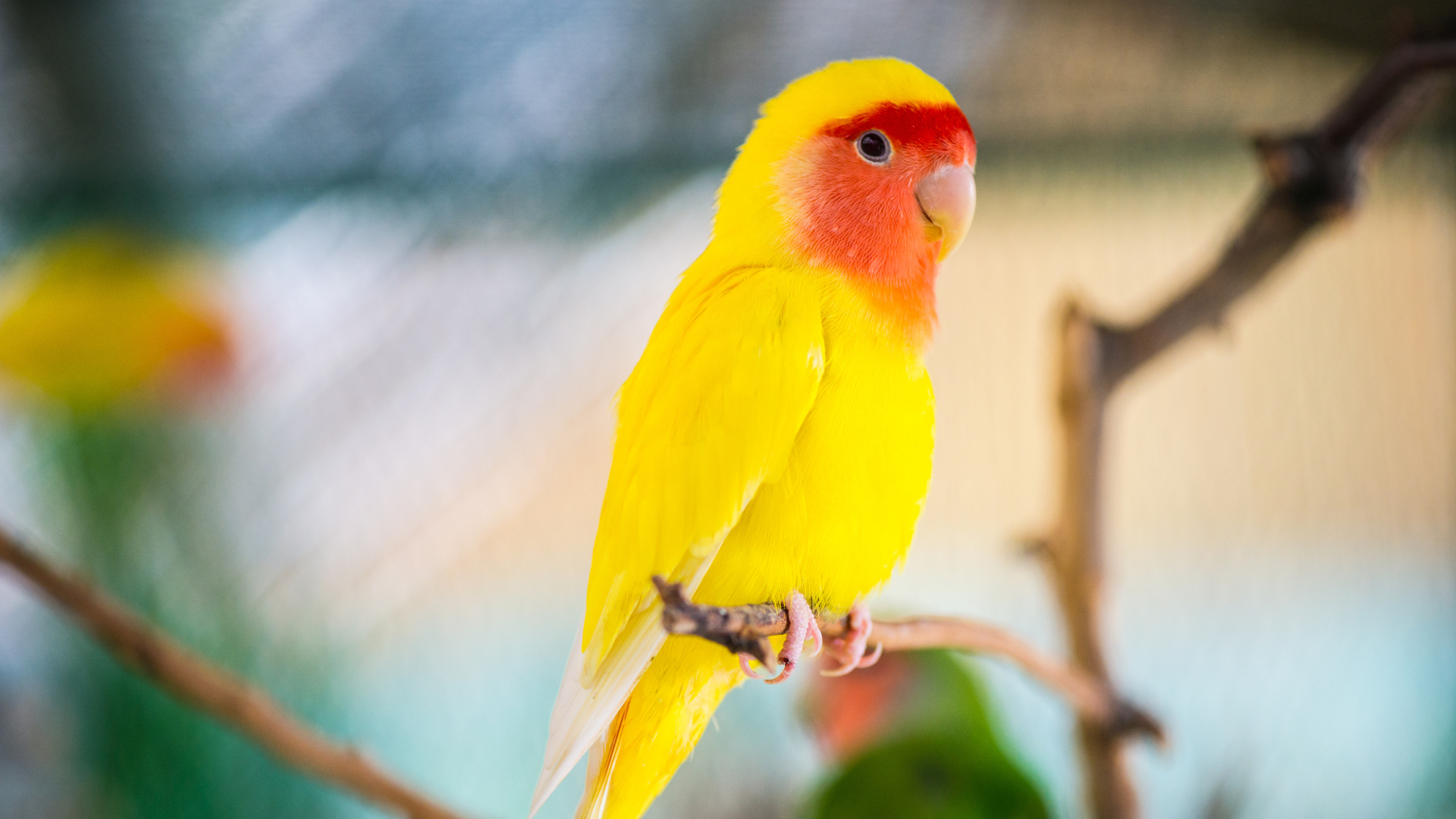
Credit: pethelpful.com
Causes Of Bird Diarrhea
Bird diarrhea can signal many health problems. It is important to find the cause quickly.
Understanding the causes helps in giving the right treatment and care for your bird.
Dietary Issues
Diet changes or poor food quality often cause diarrhea in birds. Birds need balanced nutrition.
Too much fruit, spoiled food, or sudden diet shifts can upset their stomachs.
- Overfeeding fruits high in water content
- Giving moldy or old seeds and pellets
- Sudden changes in diet or feeding routine
- Feeding too many fatty or sugary treats
Infections And Parasites
Bacteria, viruses, and parasites often cause diarrhea in birds. These infections can spread fast.
Common parasites like coccidia or worms irritate the bird’s intestines and cause loose stools.
- Bacterial infections such as Salmonella or E. coli
- Viral infections like Avian polyomavirus
- Parasites including coccidia, Giardia, or roundworms
- Fungal infections can also affect digestion
Stress Factors
Stress lowers a bird’s immune system and causes diarrhea. Birds react to changes quickly.
Moving to a new home, loud noises, or lack of sleep can stress a bird.
- New environments or cages
- Changes in daily routine
- Exposure to loud sounds or predators
- Social stress from other birds or pets
Toxin Exposure
Birds are very sensitive to toxins. Exposure to harmful chemicals can cause diarrhea.
Household cleaners, pesticides, and some plants are toxic to birds.
- Cleaning products with strong chemicals
- Ingesting poisonous plants like avocado or lilies
- Exposure to smoke or heavy metals
- Eating spoiled or contaminated food

Credit: www.ebay.com
Identifying Symptoms
Bird diarrhea can be a sign of illness. Knowing how to spot symptoms helps you act fast. Early detection can keep your bird healthy.
Look closely at your bird’s droppings, behavior, and body. Changes in these areas often show illness.
Changes In Droppings
Healthy bird droppings have three parts: solid, white, and liquid. Diarrhea means more liquid than usual.
Watch for watery droppings that look loose or runny. The color may also change to green or yellow.
- Loose or watery consistency
- Change in color to green, yellow, or white
- Unpleasant or strong odor
- More frequent droppings than normal
Behavioral Signs
Sick birds often act differently. They may be less active or hide more than usual.
Look for signs like loss of appetite, weakness, or unusual quietness. Your bird may also fluff its feathers.
- Less movement or play
- Eating less or no interest in food
- Hiding or staying in one spot
- Fluffed-up feathers to keep warm
Physical Changes
Birds with diarrhea might look tired or weak. Check their eyes, beak, and feathers for changes.
Swollen belly, pale skin, or wet feathers near the vent can show illness. These changes need attention quickly.
- Dull or sunken eyes
- Swollen or soft belly
- Feathers around the vent wet or dirty
- Pale skin or beak color changes
Immediate Care Steps
Bird diarrhea can be a sign of illness or stress. Acting quickly helps your bird feel better.
Follow these care steps to support your bird’s health right away.
Isolating The Bird
Keep your sick bird away from other birds. This stops infections from spreading.
Place the bird in a quiet, warm area with good ventilation. Avoid loud noises and stress.
Hydration And Nutrition
Bird diarrhea causes fluid loss. Offer fresh water often to keep your bird hydrated.
Provide easily digestible foods like cooked rice or mashed fruits. Avoid fatty or hard-to-digest foods.
- Change water twice a day
- Offer small, frequent meals
- Remove leftover food to prevent spoilage
Cleaning The Environment
Clean the bird’s cage daily to reduce germs. Use warm water and mild soap.
Remove droppings and replace bedding often. This keeps the area dry and safe.
- Disinfect perches and toys weekly
- Use bird-safe cleaning products
- Keep the cage in a clean, dry place

Credit: www.youtube.com
Home Remedies
Bird diarrhea can be worrying for pet owners. Treating it early helps birds recover fast.
Home remedies often support your bird’s health. They can soothe the digestive system safely.
Probiotics
Probiotics add good bacteria to your bird’s gut. They help balance digestion and fight bad germs.
- Use plain yogurt with live cultures in small amounts.
- Offer probiotic supplements made for birds.
- Mix probiotics into fresh water or food.
- Give daily for a few days to improve gut health.
Electrolyte Solutions
Birds lose fluids quickly during diarrhea. Electrolyte solutions help replace lost salts and water.
| Ingredient | Amount | Purpose |
| Water | 1 cup | Hydration base |
| Salt | 1/8 teaspoon | Replace sodium |
| Baking soda | 1/8 teaspoon | Balance pH |
| Sugar | 1 teaspoon | Energy source |
Offer this solution in a clean dish. Change it daily and keep fresh.
Natural Treatments
Some natural items help calm the bird’s stomach and reduce diarrhea.
- Chamomile tea cool and weak: soothe digestive tract.
- Cooked pumpkin: rich in fiber to firm stool.
- Apple cider vinegar: add a few drops to water for mild antibacterial effect.
- Clean environment: remove droppings often to prevent reinfection.
When To See A Vet
Bird diarrhea can be a sign of a serious health issue. It’s important to know when to consult a vet.
Understanding symptoms can help you make the right decision for your bird’s health.
Persistent Symptoms
If your bird has diarrhea for more than 24 hours, see a vet. Persistent symptoms can be dangerous.
- Check if your bird is eating normally
- Observe any changes in behavior
- Look for weight loss
Severe Dehydration
Dehydration can occur quickly in birds. Signs include sunken eyes and lethargy.
Blood In Droppings
Blood in droppings is a serious sign. It may indicate internal bleeding or infection.
| Sign | Action |
| Red streaks in droppings | Contact vet immediately |
| Dark, tarry stool | Urgent vet visit needed |
| Frequent bloody droppings | Emergency care required |
Preventing Future Episodes
Bird diarrhea can be a sign of many problems. Preventing future episodes keeps your bird healthy.
Simple daily habits help avoid illness. Focus on diet, cleanliness, and stress control.
Balanced Diet
Give your bird a diet with the right nutrients. Avoid too many seeds and fatty foods.
- Provide fresh fruits and vegetables daily
- Offer high-quality pellets formulated for your bird species
- Limit treats to small amounts
- Ensure clean water is always available
Regular Cage Cleaning
Clean cages stop germs that cause diarrhea. A dirty environment harms your bird’s health.
| Cleaning Task | Recommended Frequency |
| Remove droppings and old food | Daily |
| Wash food and water bowls | Daily |
| Deep clean cage and perches | Weekly |
| Replace cage liners or substrate | Weekly |
Stress Reduction
Stress can cause diarrhea in birds. Keep your bird calm and happy.
Ways to reduce stress:
- Place cage in a quiet, stable location
- Keep a regular feeding and cleaning schedule
- Limit loud noises and sudden movements
- Provide toys and interaction for mental stimulation
Frequently Asked Questions
What Causes Diarrhea In Pet Birds?
Diarrhea in birds can result from infections, poor diet, stress, or parasites. Identifying the cause early helps ensure proper treatment and recovery.
How Can I Treat Bird Diarrhea At Home?
Provide clean water, a balanced diet, and avoid sudden food changes. Consult a vet for medications or probiotics if symptoms persist beyond two days.
When Should I See A Vet For Bird Diarrhea?
Visit a vet if diarrhea lasts more than two days, or if your bird shows lethargy, weight loss, or blood in droppings. Early diagnosis prevents serious illness.
Can Diet Changes Help Stop Bird Diarrhea?
Yes, feeding easily digestible foods like cooked rice or boiled vegetables can soothe your bird’s digestive system and reduce diarrhea symptoms quickly.
Conclusion
Treating bird diarrhea requires quick care and attention. Keep your bird’s cage clean and give fresh water often. Watch its food to avoid spoiled or harmful items. Consult a vet if diarrhea lasts more than a day. Early action helps your bird feel better fast.
Healthy birds stay happy and active. Small steps make a big difference in your bird’s health. Stay patient and gentle while caring for your feathered friend.




