
Owls are mysterious and beautiful birds that many people dream of taming. If you’ve ever wondered how to build a bond with these silent hunters, you’re in the right place.
Taming owls is different from taming other exotic birds, but with the right approach, patience, and understanding, you can create a unique connection with your feathered friend. You’ll discover simple, effective steps that anyone can follow to gain an owl’s trust and enjoy a rewarding experience.
Ready to unlock the secrets of taming owls? Let’s dive in.
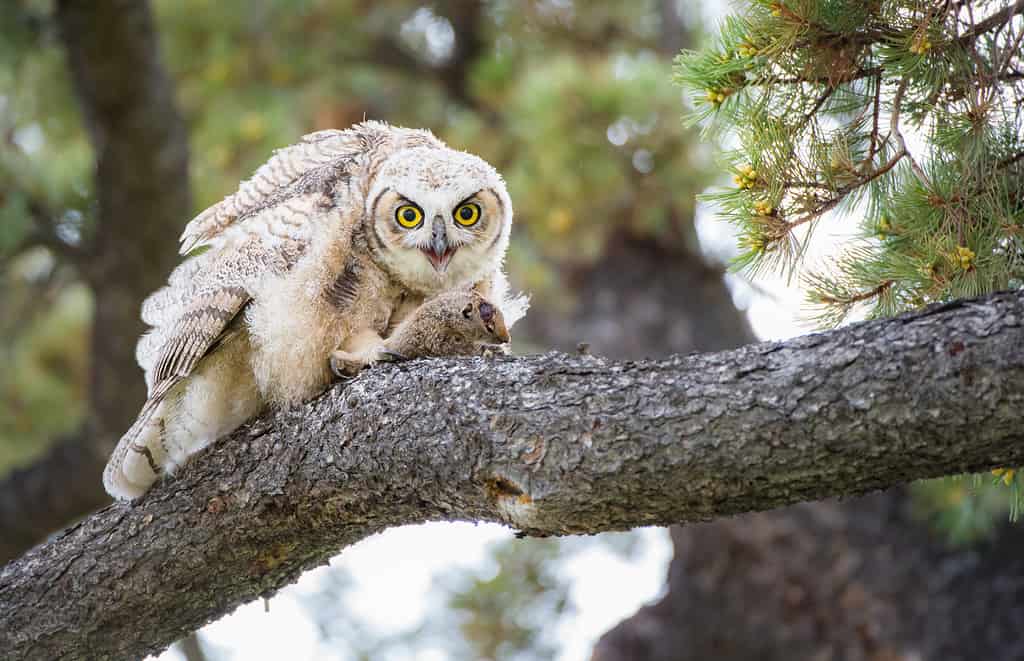
Credit: a-z-animals.com
Choosing The Right Owl Species
Choosing the right owl species is the first step in taming exotic birds. Not all owls have the same temperament or care needs. Some species adapt better to human interaction and captivity. Understanding differences helps in selecting an owl that fits your experience and lifestyle.
Common Owl Species For Taming
- Barn Owl: Known for its gentle nature and distinctive heart-shaped face.
- Screech Owl: Small, adaptable, and often friendly with regular handling.
- Eastern Screech Owl: Active and curious, making it a popular choice.
- Little Owl: Compact and bold, suitable for beginners.
- Burrowing Owl: Ground-dwelling and social, often interacts well with humans.
Temperament And Behavior Traits
Owls vary in personality. Some are shy and prefer solitude. Others enjoy interaction and can be playful. Tame owls are usually calm and less aggressive. They tolerate handling and respond to training. Observing these traits before taming helps avoid stress for both owner and bird.
Considering Legal And Ethical Factors
Laws protect many owl species. Some require permits for ownership or taming. Research local regulations before acquiring an owl. Ethical care means providing a safe and natural environment. Owls need space, proper diet, and mental stimulation. Respecting these factors ensures the bird’s well-being and your legal safety.
Preparing The Environment
Preparing the environment is a crucial first step in taming owls in exotic birds. A calm and secure space helps owls feel safe and ready to trust you. Setting up the right conditions improves their comfort and reduces fear. This section explains how to create the perfect environment for your owl.
Creating A Safe Habitat
Choose a quiet area away from loud noises and heavy foot traffic. Provide plenty of space for the owl to move freely. Use natural branches and perches that mimic their wild habitat. Keep the enclosure clean and dry to prevent illness. Ensure good ventilation without strong drafts. A secure cage or aviary protects the owl from predators and escapes.
Essential Equipment And Supplies
Use sturdy perches of different sizes for foot exercise. Provide fresh water in a shallow dish. Place a hide box where the owl can rest undisturbed. Include safe toys to stimulate mental activity and prevent boredom. Use natural bedding like wood chips or straw. Have proper lighting that mimics natural daylight cycles.
Minimizing Stress Triggers
Limit sudden movements and loud sounds near the owl. Approach slowly and speak softly during interactions. Keep other pets away from the owl’s space. Avoid overcrowding the habitat with too many objects. Maintain a consistent daily routine for feeding and cleaning. Watch for signs of stress, such as excessive noise or feather plucking, and adjust the environment accordingly.
Building Trust With Your Owl
Building trust with your owl is the foundation of a successful and rewarding relationship. Owls are naturally cautious creatures, so gaining their confidence takes patience and respect. When you focus on trust, you open the door to better communication and cooperation with your feathered friend.
Approach Techniques
Approach your owl slowly and calmly to avoid startling it. Sudden movements or loud noises can make the owl retreat and damage trust. Try to move at the owl’s pace—observe its body language to know when it feels comfortable.
Standing at a slight angle rather than directly in front of the owl helps it feel less threatened. Speak softly and avoid direct eye contact initially, as owls may see this as a challenge. Have you noticed how your owl reacts when you lower your voice?
Consistent Interaction Routines
Set a daily routine to spend time with your owl, even if it’s just a few minutes. Regular interaction builds familiarity, making your presence predictable and less intimidating. Choose quiet times when your owl is naturally more relaxed, like early morning or late afternoon.
Consistency means showing up at the same time and place. This predictability helps your owl anticipate your visit and feel safer around you. What small habit could you add to your day that encourages your owl to seek your company?
Using Positive Reinforcement
Reward your owl for calm behavior and willingness to engage. Use treats your owl enjoys, like small pieces of meat or specialized bird food, immediately after positive actions. Timing is key—rewards must follow the behavior closely to create a clear connection.
Positive reinforcement teaches your owl that being near you brings good things. Avoid punishment, as it breaks trust and causes fear. Have you tried pairing gentle words with treats to make your owl associate your voice with kindness?
Training Methods For Owls
Training owls requires patience and understanding. These birds have unique behaviors and instincts. Effective training helps build trust and improves their interaction with humans. The right methods encourage owls to respond positively and safely.
Basic Commands And Handling
Start training with simple commands. Teach owls to come to a glove or perch. Use gentle tones and consistent signals. Reward good behavior with treats or praise. Handling should be calm and slow to avoid stress. Regular short sessions work better than long ones.
Encouraging Natural Behaviors
Owls respond well when their natural habits are respected. Encourage flying by offering safe spaces and perches. Use toys or objects to stimulate hunting instincts. Let them explore and exercise to stay healthy. Training should support their natural rhythm and needs.
Dealing With Common Challenges
Owls may show fear or aggression at first. Avoid forcing interaction. Observe their body language closely. Build trust through patience and gentle care. Address biting or scratching by redirecting attention. Consistent routines help reduce stress and confusion.
Health And Nutrition Tips
Taming owls requires patience and gentle handling to build trust. Feeding them nutritious food and creating a calm environment helps them feel safe. Consistent interaction encourages owls to become comfortable around people.
Taming owls is a fascinating journey that requires understanding their unique needs, especially when it comes to health and nutrition. Ensuring your owl receives proper care is essential for its well-being and longevity. By focusing on their dietary requirements and keeping an eye on their health, you can form a strong bond with these majestic creatures. Let’s dive into some practical tips to help you take care of your feathered friend.Dietary Requirements
Owls have specific dietary needs that differ significantly from other birds. A balanced diet mainly consists of whole prey such as mice, which provide essential nutrients like calcium and protein. It’s vital to ensure that the prey is fresh and appropriately sized for your owl’s age and species. Supplementing their diet with vitamins and minerals can also be beneficial. However, consult with a vet before adding anything new to their meals. Remember, a healthy diet is the foundation of a happy owl.Recognizing Signs Of Illness
Your owl’s behavior is a key indicator of its health. Notice any changes in appetite, energy levels, or droppings? These could be signs of illness. Keep an eye out for physical symptoms like breathing difficulties, feather loss, or unusual vocalizations. Early detection is crucial. If you suspect something is wrong, don’t hesitate to contact a veterinarian specializing in exotic birds. Your prompt action can make all the difference in your owl’s recovery.Regular Health Checkups
Routine veterinary visits are essential for maintaining your owl’s health. During checkups, a vet can assess your owl’s physical condition, dietary habits, and overall wellness. Regular checkups also provide an opportunity for vaccinations and parasite control. Is your owl due for a visit? Schedule an appointment to ensure it’s in top shape. Regular monitoring not only prevents health issues but also strengthens your bond with your owl.
Credit: www.knysnaplettherald.com
Safety Measures For Owners
Owning and taming owls demands a strong focus on safety. These birds have sharp talons and powerful beaks that can cause injury if not handled carefully. Prioritizing your safety protects both you and your owl, ensuring a positive experience for everyone involved.
Protecting Yourself During Training
Wear thick leather gloves to shield your hands from scratches and bites. A falconry glove is ideal because it covers your wrist and forearm as well. Always approach your owl calmly and avoid sudden movements that might startle it.
Keep your training area clear of distractions and potential hazards. This helps your owl focus and reduces the chance of accidents. Have a perch or glove ready so the owl can land safely without risk of falling or flapping wildly.
Handling Aggressive Behavior
Owls can become aggressive if they feel threatened or stressed. Learn to read their body language—flattened feathers, hissing, or sudden wing flaps signal discomfort. If you notice these signs, give your owl space and time to calm down.
Use gentle but firm commands to set boundaries during training. Avoid shouting or force, which can increase aggression. If your owl bites or scratches, don’t react with anger; instead, pause and assess what triggered the behavior.
Emergency Preparedness
Have a first aid kit nearby with supplies for both you and your owl. Include antiseptic wipes, bandages, and styptic powder for minor bleeding. Know the location and contact details of the nearest avian vet in case of serious injury.
Practice safe handling techniques regularly so you can react quickly if your owl tries to escape or attack. Think about potential emergency scenarios and plan your response. Being ready can make the difference between a small scare and a serious accident.
Maintaining Long-term Bond
Building trust with owls requires patience and gentle interaction every day. Consistent care and respect help strengthen your bond over time. Creating a calm environment encourages owls to feel safe and connected.
Maintaining a long-term bond with your exotic owl requires dedication and love. This process isn’t just about taming the bird initially. It’s about nurturing a relationship over time. You need to engage with your owl regularly. Understand its needs and behaviors. This helps in building trust and companionship. Let’s explore how you can maintain this special bond.Ongoing Socialization
Socialization is key to keeping your owl comfortable. Spend time with your owl daily. Talk to it in a calm voice. Use gentle gestures. This helps the owl see you as a friend. Introduce it to different environments. This makes the owl adaptable and less stressed.Enrichment Activities
Owls need mental and physical stimulation. Provide toys that challenge their intelligence. Rotate toys to keep things interesting. Create safe flying spaces for exercise. This keeps your owl active and happy. Hide treats for them to find. It makes feeding time fun.Monitoring Behavioral Changes
Keep an eye on your owl’s behavior. Sudden changes can indicate stress or illness. Watch for signs like aggression or lethargy. Regular vet checks are important. Ensure your owl is healthy and content. Understanding these cues helps in maintaining your bond.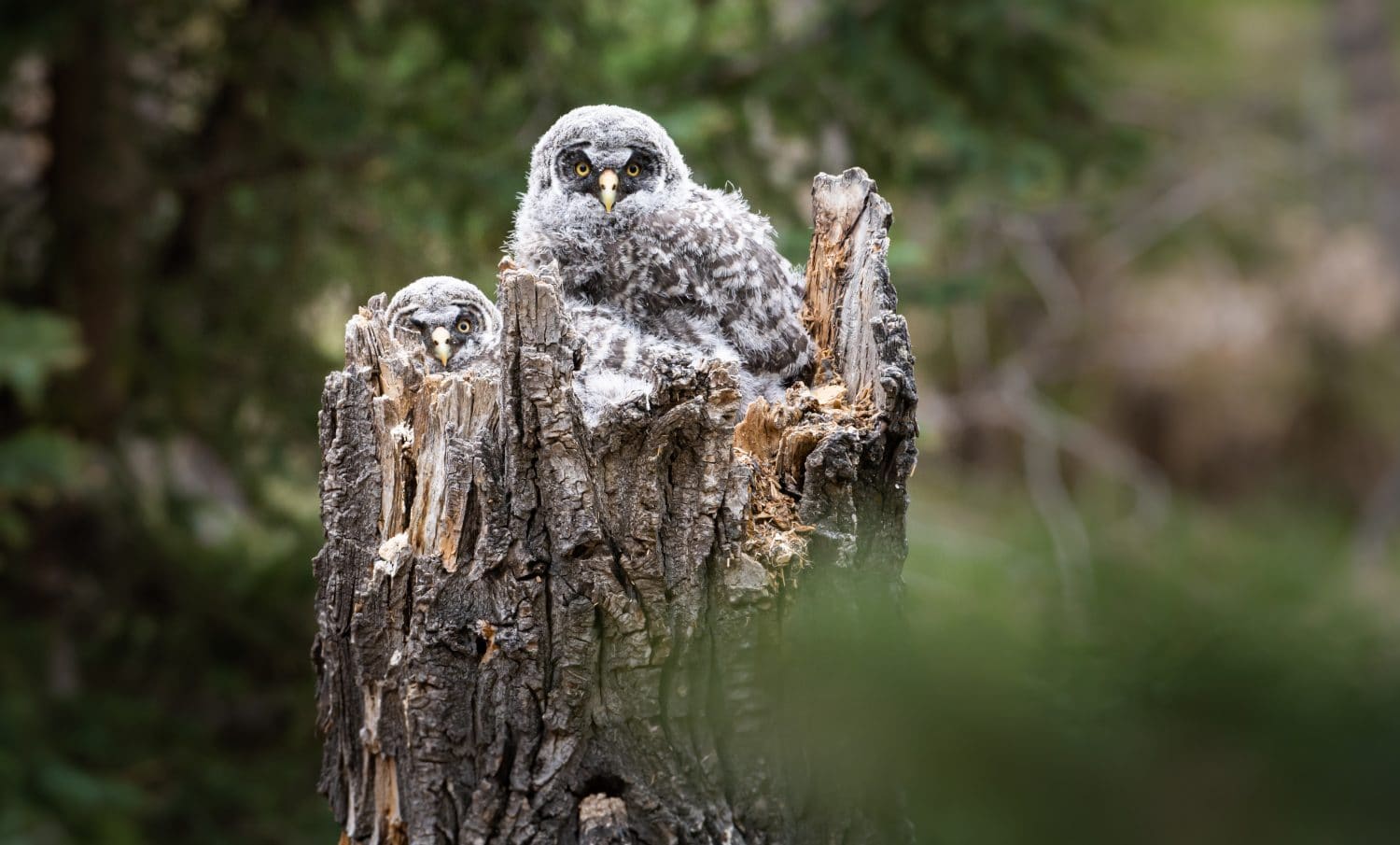
Credit: a-z-animals.com
Frequently Asked Questions
How Do You Start Taming An Owl Safely?
Begin taming an owl by building trust gradually. Use calm, consistent interactions daily. Avoid sudden movements and loud noises to prevent stress.
What Equipment Is Needed For Taming Exotic Owls?
Essential equipment includes gloves, a secure perch, and a leash. Use proper protective gear to handle owls safely. Ensure the environment is safe and quiet.
How Long Does It Take To Tame An Owl?
Taming an owl usually takes several weeks to months. Consistent patience and gentle handling speed up the process. Each owl’s temperament affects the time needed.
Can All Owl Species Be Tamed?
Most owl species can be tamed with patience. Some species may be more challenging due to temperament. Research specific owl behavior before attempting taming.
Conclusion
Taming owls takes patience and gentle care. Spend time with your bird every day. Use soft voices and slow movements. Trust builds slowly, but it is key. Owls respond well to kindness and routine. Always respect their space and natural habits.
Enjoy the unique bond you create together. Owls can become calm and friendly pets. Keep learning about their needs and behaviors. Taming an owl is a rewarding journey. Stay patient and watch your owl thrive.




