
Do you love watching birds up close but struggle to get a clear view? Imagine having a bird feeder camera right in your backyard, capturing every flutter and chirp without disturbing your feathered visitors.
Creating your own bird feeder camera is easier than you think, and it can bring hours of joy and discovery. In this guide, you’ll learn simple steps to build a device that lets you watch birds in real-time or record their beautiful moments.
Ready to turn your bird feeder into a nature’s window? Let’s get started!
Choosing The Right Camera
Choosing the right camera is key to capturing clear and exciting bird moments. The camera must fit your bird feeder setup and meet your needs. This choice affects photo quality, ease of use, and how well you can watch birds up close.
Consider the camera’s size, power source, and features. Think about where you will place the camera and how often you want to check it. Pick a camera that works well in outdoor conditions and can handle changing weather.
Types Of Cameras Suitable For Bird Feeders
- Trail Cameras:Designed for wildlife, they are weatherproof and have motion sensors.
- Action Cameras:Small and durable, these can be mounted easily and record HD video.
- Webcams:Good for live streaming but need a power source and internet connection.
- Compact Digital Cameras:Offer high image quality but may need manual operation.
- Smartphone Cameras:Can work with holders and apps, but battery life limits use.
Key Features To Look For
- High resolution for sharp photos and videos.
- Motion detection to capture birds only when they arrive.
- Night vision to see birds in low light.
- Weather resistance to withstand rain and wind.
- Easy mounting options for flexible setup.
- Long battery life or easy power supply.
- Wide lens angle to cover more area.
Budget-friendly Options
- Basic trail cameras offer good features at low cost.
- Older model action cameras can be affordable and reliable.
- Entry-level webcams provide decent quality with simple setup.
- Used or refurbished cameras save money without losing quality.
- DIY camera kits for tech-savvy users reduce expenses.
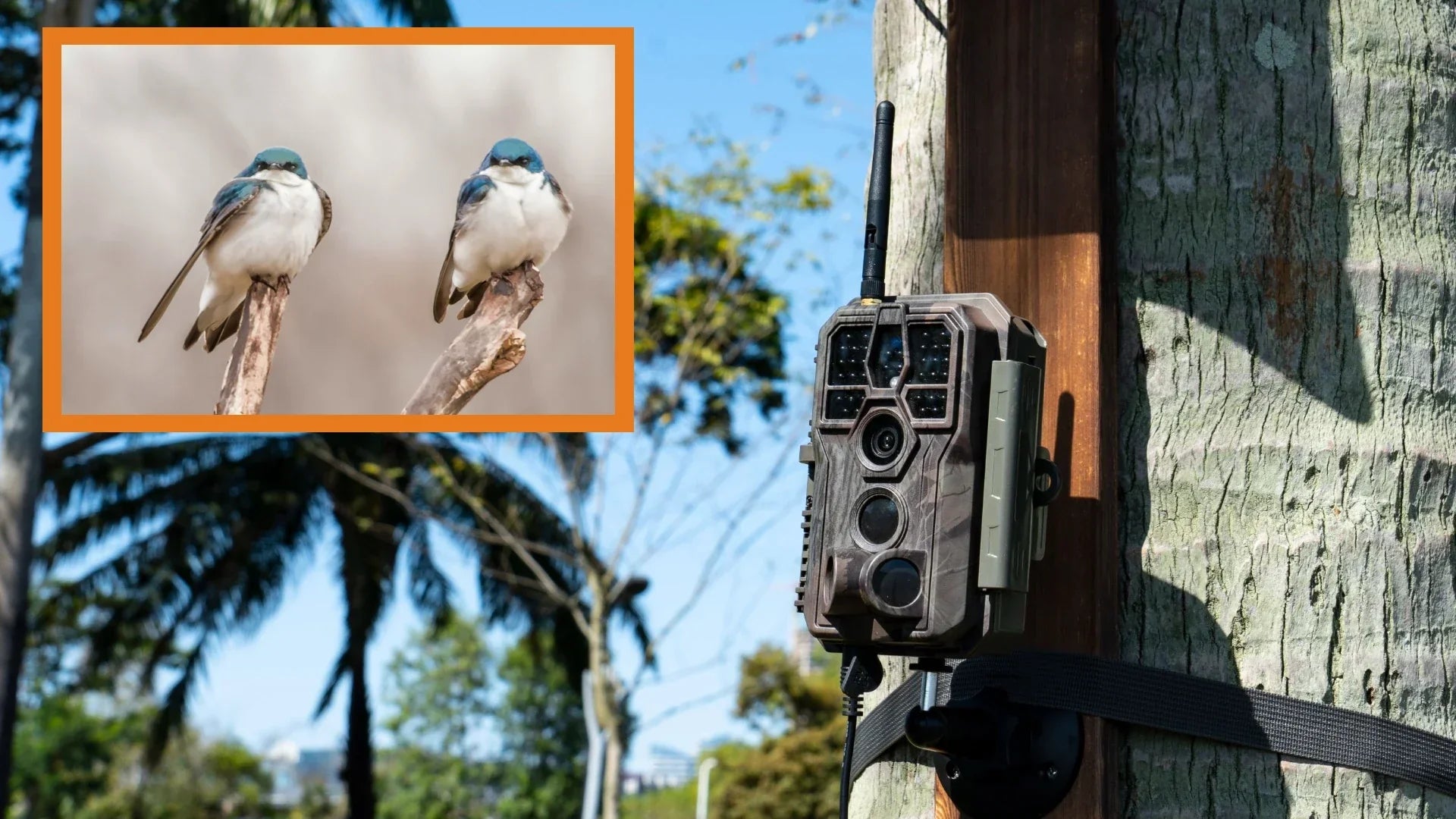
Credit: gardepro.com
Selecting A Bird Feeder
Selecting the right bird feeder is key to capturing clear and exciting footage. The feeder must support the camera and attract birds naturally. It should allow easy camera mounting without disturbing the birds.
Consider the feeder’s style, material, and where to place it. These factors affect the quality of your bird feeder camera setup. Choose feeders that balance durability and visibility for the best results.
Best Feeder Styles For Camera Mounting
- Tube feeders: Slim and easy to attach small cameras.
- Platform feeders: Flat surface offers space for camera placement.
- Hopper feeders: Larger build allows sturdy camera attachment.
- Suet feeders: Simple cages ideal for small, lightweight cameras.
Pick styles with spots where the camera lens can capture birds directly. Avoid feeders with too many obstructions around the feeding ports.
Materials And Durability
- Plastic feeders: Lightweight but may crack over time.
- Metal feeders: Strong and weather-resistant, good for camera mounting.
- Wood feeders: Natural look but may degrade in rain or snow.
Choose materials that hold up in your climate. A sturdy feeder keeps the camera steady and safe.
Placement Tips For Optimal Viewing
- Place feeder near natural bird paths or feeding spots.
- Mount camera at eye level with birds for clear shots.
- Use shaded areas to reduce glare and harsh light.
- Keep feeder away from busy human or pet traffic.
Good placement helps catch birds’ natural behavior. Try different spots to find the best view.
Assembling The Camera Setup
Setting up your bird feeder camera requires careful assembly. The camera must be secure, powered, and protected from weather. Each part of the setup plays a key role in capturing clear bird footage. Follow simple steps to make your setup strong and reliable.
Mounting The Camera On The Feeder
Attach the camera close to the feeder for clear views. Use a small bracket or clamp to hold it steady. Make sure the lens points directly at the feeding area. Avoid blocking the camera with branches or feeder parts. Check the angle for the best shot of visiting birds.
Power Supply Solutions
Choose a power source that fits your location and camera type. Battery packs work well for places without outlets. Solar panels provide continuous power during daylight hours. Keep cables neat and out of birds’ way. Test the power supply to ensure your camera runs without interruptions.
Weatherproofing The Equipment
Protect your camera from rain, snow, and dust. Use waterproof cases or covers designed for electronics. Seal cable connections with weatherproof tape or silicone. Place the camera under a small roof or shelter if possible. Regularly check for damage to keep the setup safe and dry.

Credit: www.youtube.com
Configuring Camera Settings
Configuring the camera settings is key for clear bird feeder footage. Proper setup helps capture sharp images and videos. It also ensures the camera reacts to bird movements quickly. Adjusting settings improves both daytime and nighttime shots.
Adjusting Focus And Angle
Set the focus to make birds clear and sharp. Use manual focus to avoid blurry images. Place the camera at a slight angle to cover the feeder fully. Avoid pointing directly at the sun or bright lights. Check the view on your screen before finalizing.
Setting Motion Detection
Enable motion detection to start recording automatically. Adjust sensitivity to catch small bird movements without false alarms. Position the sensor near the feeder for best results. Test the detection by moving your hand in front of the camera. Save settings once motion triggers work well.
Optimizing For Day And Night Shots
Use automatic mode to switch between day and night. Check if infrared lights turn on for night vision. Reduce glare or reflections by adjusting brightness and contrast. Place the feeder camera away from street lights. Review footage at night to confirm clear visibility.
Attracting Birds To Your Feeder
Attracting birds to your feeder is key to capturing captivating footage with your bird feeder camera. Without the right approach, you might find your feeder empty or visited by only a few species. Let’s dive into how you can draw a variety of birds right to your setup.
Choosing The Right Bird Food
Different birds prefer different types of food. Black oil sunflower seeds are a favorite for many songbirds because they have a thin shell and high oil content. If you want to see colorful finches, try offering nyjer seeds—they love them.
Peanuts (unsalted) attract woodpeckers, jays, and nuthatches. Avoid bread or processed foods; they offer little nutritional value and won’t keep birds coming back. You might want to experiment with a mix to see which birds appear most often near your feeder camera.
Creating A Bird-friendly Environment
Birds look for safety and comfort before visiting a feeder. Place your feeder near natural cover like bushes or trees where birds can quickly hide from predators. A feeder too exposed might scare them away.
Provide fresh water nearby for drinking and bathing—birds use water as a sign of a healthy habitat. Keep your feeder clean to prevent disease, which can discourage visits. Think about adding perches or branches around the feeder for resting spots.
Seasonal Tips For Bird Activity
Bird behavior changes with the seasons, affecting how often they visit feeders. In winter, birds need high-energy food like suet or fat balls to survive cold temperatures. Offering these can increase your feeder’s popularity.
During spring and summer, switch to seeds and fruits as birds focus on raising their young. Migration periods in fall and spring bring a wider variety of species—try to provide food that appeals to both local and migrating birds. How might adjusting your feeder setup seasonally change the types of birds you capture on camera?
Monitoring And Maintaining The Setup
Once your bird feeder camera is set up, regular monitoring and maintenance are crucial. Ensuring everything works smoothly helps capture clear footage of visiting birds. Maintenance keeps the system reliable and extends its lifespan.
Regular Cleaning And Inspection
Bird feeders attract more than just birds. Dirt and debris accumulate over time. Regular cleaning is essential to prevent blockages and maintain camera clarity. Wipe the camera lens gently with a soft cloth. Inspect the feeder structure for any damage or wear. Check the camera housing for signs of moisture or dirt build-up. This keeps the camera functioning optimally.
Troubleshooting Common Issues
Technical issues can disrupt your setup. Common problems include blurry images, loss of power, or connectivity issues. Ensure the camera is securely mounted and free from obstructions. Check power connections regularly. Test the Wi-Fi signal strength near the feeder. Adjust settings in the camera app if needed. These steps help resolve most common issues.
Upgrading Your System Over Time
Technology advances rapidly. Consider upgrading components to enhance your bird feeder camera. Newer cameras offer better resolution and features. Solar panels can provide a sustainable power source. Wireless signal boosters improve connectivity. Regularly assess the system for potential upgrades. This keeps your setup current and effective.
Sharing Your Wildlife Captures
Building a bird feeder camera lets you capture close-up moments of visiting birds. Place a small camera near the feeder to record their natural behavior. Sharing these wildlife photos brings joy and helps others appreciate nature’s beauty.
Sharing Your Wildlife Captures Capturing the charm of your local wildlife with a bird feeder camera is only the beginning of the adventure. Sharing these moments can connect you with like-minded enthusiasts, inspire others to appreciate nature, and even contribute to citizen science projects. But before you hit that share button, there are a few things you should consider to make the most of your wildlife captures.Editing Photos And Videos
Editing is a crucial step in making your wildlife captures stand out. Simple tweaks like adjusting brightness, contrast, and cropping can make a world of difference. Free tools like GIMP or more sophisticated options like Adobe Lightroom offer user-friendly interfaces to enhance your photos and videos. Think about what story you want to tell with your footage. Whether it’s the vibrant colors of a bird’s plumage or the serene environment of your backyard, your edits should highlight these details. Remember, less is often more; avoid over-editing which can detract from the natural beauty.Best Platforms For Sharing
Choosing the right platform can amplify your reach and engagement. Social media sites like Instagram and Facebook are excellent for connecting with a broader audience and receiving instant feedback. These platforms allow you to use hashtags and geotags to reach specific communities interested in wildlife. For those interested in building a more curated collection, consider platforms like Flickr or creating your own blog. These options provide more control over how your work is presented and shared. Think about who you want to reach and what kind of interaction you’re looking for.Ethical Considerations When Sharing
When sharing wildlife captures, it’s important to think about the ethical implications. You should always respect the privacy and safety of the animals. Avoid sharing the exact location of rare or endangered species to protect them from potential harm. Ask yourself if your photos and videos promote a positive message about wildlife conservation. Sharing images that highlight the beauty and importance of preserving these creatures can inspire others to take action. Always aim to educate and not just entertain.:max_bytes(150000):strip_icc()/rsp-camera-bird-feeder-tout-e10ecdf22ae844f59ff550e8ede9c550.jpg)
Credit: www.realsimple.com
Frequently Asked Questions
How Do I Build A Bird Feeder Camera At Home?
To build a bird feeder camera, use a small camera, waterproof housing, and mount it near the feeder. Connect to Wi-Fi for live streaming and power it with batteries or solar panels for easy installation.
What Equipment Is Needed For A Bird Feeder Camera?
You need a compact camera with Wi-Fi, a waterproof case, mounting brackets, power source (batteries/solar), and a microSD card for recording. Optional accessories include motion sensors and night vision for better bird watching.
How Can I Power A Bird Feeder Camera Efficiently?
Use rechargeable batteries or solar panels to power your bird feeder camera. Solar panels are eco-friendly and reduce maintenance. Batteries work well for short-term setups but require regular replacement or recharging.
What Is The Best Camera Type For Bird Feeders?
Choose a small, weatherproof, Wi-Fi-enabled camera with good resolution. Action cameras or wildlife trail cameras work well. Ensure it has night vision and motion detection for capturing bird activity anytime.
Conclusion
Building a bird feeder camera is a fun and simple project. You get to watch birds up close anytime you want. It helps you learn about different bird species and their habits. Using basic tools and a camera, anyone can create one at home.
This project brings nature closer and adds joy to your day. Give it a try and enjoy bird watching like never before.




