
Have you ever wondered if the flax seeds in your pantry are safe or even beneficial for the birds visiting your backyard? If you’re feeding wild birds or keeping pet birds, knowing what seeds they can eat is important.
Flax seeds are packed with nutrients for humans, but what about for birds? You’ll discover whether birds enjoy flax seeds, how these tiny seeds affect their health, and the best way to offer them. Keep reading to find out how flax seeds can fit into your bird-feeding routine and help your feathered friends thrive.
Birds And Flax Seeds
Flax seeds are small, shiny, and brown or golden. Birds find them tasty and easy to eat. These seeds offer a good source of food for many bird species. They are often added to bird feed mixes to attract wild and pet birds alike.
Birds enjoy flax seeds because they are natural and full of nutrients. These seeds help birds stay healthy and active. Understanding which birds eat flax seeds and the benefits they get is important for bird lovers.
Types Of Birds That Eat Flax Seeds
- Finches
- Canaries
- Parakeets
- Lovebirds
- Wild songbirds like sparrows and cardinals
- Pigeons and doves
These birds enjoy flax seeds as part of their diet. Pet birds often get flax seeds in their daily food. Wild birds may find flax seeds in feeders or on the ground.
Nutritional Benefits For Birds
- Rich in omega-3 fatty acids for healthy feathers
- High in fiber to aid digestion
- Contains protein for energy and growth
- Packed with antioxidants to boost immunity
- Provides vitamins like B1, B6, and folate
Flax seeds help birds maintain good health and strong feathers. They support energy levels for daily activities. Regular flax seed consumption can improve birds’ overall well-being.

Credit: www.amazon.com
Flax Seeds In Bird Diets
Flax seeds are a small but powerful part of some bird diets. They offer nutrients that support bird health and energy. Many birds enjoy flax seeds for their taste and benefits. Understanding how birds eat flax seeds helps in feeding them properly. Comparing flax seeds to other seeds shows their unique value.
How Birds Consume Flax Seeds
Birds often eat flax seeds whole or cracked. Small birds like finches prefer them whole. Larger birds might crack the seeds open with their beaks. Some birds mix flax seeds with other foods. This helps them get a balanced diet. Flax seeds are easy to digest. Birds get energy from the fats and protein inside.
Flax Seeds Compared To Other Seeds
| Seed Type | Size | Main Nutrients | Bird Preference |
|---|---|---|---|
| Flax Seeds | Small | Omega-3, Protein, Fiber | Favored by finches, canaries |
| Sunflower Seeds | Medium | Fat, Protein, Vitamin E | Popular with many birds |
| Millet | Very Small | Carbs, Protein | Preferred by smaller birds |
Flax seeds stand out for their high omega-3 content. This supports bird feathers and brain health. Birds may like flax seeds less if other seeds are available. Mixing flax seeds with common seeds encourages birds to try them.
Health Effects On Birds
Understanding how flax seeds affect your bird’s health is key before adding them to their diet. These tiny seeds pack a punch in nutrients that could benefit your feathered friend, but they also come with some risks you should consider. Let’s look at both sides to help you decide if flax seeds are right for your bird.
Positive Impacts On Feather And Skin
Flax seeds are rich in omega-3 fatty acids, which are essential for healthy feathers and skin. Many bird owners notice a shinier, smoother plumage after adding small amounts of flax seeds to their bird’s meals. These fatty acids help reduce dryness and flakiness, which can be common issues, especially in indoor birds.
Besides improving appearance, omega-3s support the bird’s immune system, making them less prone to skin infections and irritations. Have you ever seen your bird preening more confidently or looking more vibrant? This could be a sign that their diet is supporting their skin and feathers well.
Potential Risks And Precautions
While flax seeds offer benefits, they should be given in moderation. Too much flax can cause digestive upset or interfere with nutrient absorption in birds. Birds have sensitive digestive systems, so introducing any new food gradually is essential.
Another concern is the presence of cyanogenic compounds in raw flax seeds, which can be harmful if consumed in large quantities. To avoid this, you can lightly toast the seeds or buy pre-processed flax seed products designed for birds. Always observe your bird after introducing flax seeds and stop feeding if you notice any unusual behavior or health issues.
Feeding Flax Seeds To Birds
Feeding flax seeds to birds can be a healthy treat. These tiny seeds are rich in nutrients that support bird health. Birds enjoy the mild, nutty flavor and benefit from the omega-3 fatty acids found in flax seeds. Offering flax seeds correctly ensures birds get the most from this superfood without harm.
Best Practices For Offering Flax Seeds
Serve flax seeds in small amounts mixed with other birdseed. Whole seeds may be hard to digest for some birds. Grinding flax seeds before offering improves nutrient absorption. Avoid salted or flavored flax seeds, as additives harm birds. Provide fresh water nearby to help with digestion.
- Mix ground flax seeds with regular birdseed.
- Offer seeds in a clean, dry feeder.
- Observe how birds respond to flax seeds.
- Remove uneaten seeds to prevent mold.
How Much Flax Seed Is Safe
Limit flax seeds to about 5% of a bird’s daily diet. Excess flax seed can cause digestive upset. Start with a small amount to check tolerance. Increase gradually if birds enjoy and tolerate well. Monitor bird health and behavior for any changes.
| Bird Type | Daily Flax Seed Amount |
|---|---|
| Small Birds (finches, canaries) | Less than 1/4 teaspoon |
| Medium Birds (parakeets, cockatiels) | 1/4 to 1/2 teaspoon |
| Large Birds (parrots, cockatoos) | 1/2 to 1 teaspoon |
Flax Seeds And Wild Birds
Flax seeds offer a nutritious treat for many wild birds. These tiny seeds are rich in oils and nutrients that support bird health. Wild birds often seek out high-energy foods, especially during colder months. Flax seeds can be an excellent addition to their diet.
Many bird species enjoy flax seeds, including finches, sparrows, and doves. These seeds provide essential fatty acids and help birds maintain energy. Feeding wild birds with flax seeds can encourage them to visit your yard more often.
Attracting Wild Birds With Flax Seeds
Place flax seeds in a clean bird feeder or scatter them on the ground. Use feeders designed for small seeds to prevent waste. Mix flax seeds with other bird-friendly seeds to attract a variety of species.
- Choose feeders with small openings
- Keep feeding areas dry and clean
- Offer fresh seeds regularly
Birds notice a reliable food source quickly. Patience helps to see more visitors over time.
Seasonal Considerations
Bird feeding needs change with the seasons. Flax seeds provide valuable energy in fall and winter. During spring and summer, birds may prefer insects and fresh fruits.
- Offer more flax seeds in cold months
- Reduce seeds in warm weather
- Keep water available year-round
Adjust your feeding habits to match bird behavior and local climate. This helps keep birds healthy and active all year.
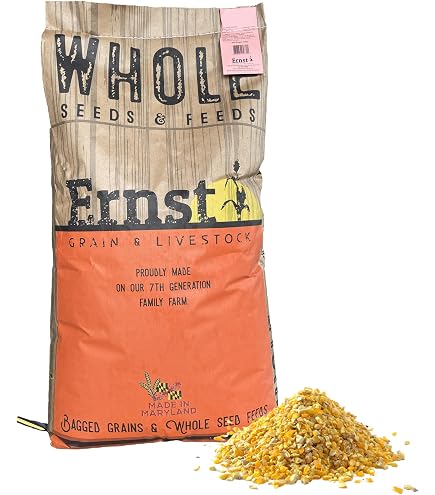
Credit: www.amazon.com
Bird Lover Tips
Birds can enjoy flax seeds as a nutritious snack. They provide essential omega-3 fatty acids and fiber. Ensure seeds are fresh and in moderation for optimal health benefits.
Are you a bird enthusiast looking to enhance your feathered friends’ diet? Flax seeds might just be the nutritious addition you need. Adding these tiny seeds can offer your birds a rich source of omega-3 fatty acids, essential for their overall health. But how do you choose the best flax seeds, and what are some tasty combinations to try? Let’s dive into some practical tips to ensure your birds enjoy every bite.Choosing Quality Flax Seeds
Selecting the right flax seeds is crucial for your birds’ well-being. Always opt for organic flax seeds to avoid pesticides and chemicals. Freshness is key, so check the expiration date before purchasing. Storing flax seeds properly is equally important. Keep them in an airtight container to maintain their freshness and nutritional value. Placing them in a cool, dark place, like a pantry, extends their shelf life.Combining Flax Seeds With Other Foods
Mixing flax seeds with other bird-friendly foods can make mealtime exciting for your birds. You might try blending them with sunflower seeds or millet for a delightful treat. This not only adds variety but also enhances the nutritional profile of their meals. Have you considered incorporating fruits and vegetables? Chopping up apples or carrots and mixing them with flax seeds creates a fiber-rich snack. Remember, the goal is to keep the diet balanced and enjoyable. Experiment with different combinations and observe what your birds like the most. Do they prefer a certain seed mix or fruit pairing? Your observations can help tailor a diet that keeps them happy and healthy. By focusing on the quality and combination of flax seeds, you’re not just feeding your birds—you’re enriching their lives. So, what’s stopping you from trying something new today?
Credit: www.reddit.com
Frequently Asked Questions
Do Birds Commonly Eat Flax Seeds?
Yes, many birds enjoy eating flax seeds. These seeds are nutritious and provide essential fatty acids, vitamins, and minerals that support birds’ health and feather quality.
Are Flax Seeds Safe For Pet Birds?
Flax seeds are generally safe for pet birds when given in moderation. They help improve digestion and boost the immune system but should be part of a balanced diet.
Can Wild Birds Digest Flax Seeds Easily?
Wild birds can digest flax seeds, as their digestive systems handle small seeds well. Flax seeds offer energy and nutrients, especially during colder months.
How Do Flax Seeds Benefit Birds’ Health?
Flax seeds provide omega-3 fatty acids, antioxidants, and fiber. These nutrients promote healthy feathers, reduce inflammation, and support overall bird vitality and immune function.
Conclusion
Birds enjoy flax seeds as a healthy snack. These seeds provide good fats and nutrients for birds. You can easily add flax seeds to their diet. Just make sure to offer them in moderation. Birds will benefit from the energy and vitamins flax seeds bring.
Feeding flax seeds can help keep birds active and strong. Always watch how birds react to new foods. Flax seeds can be a tasty and safe treat for many birds. Try adding them to your bird feeding routine today.




