
Are you wondering if you can place your hummingbird feeders right next to your regular bird feeders? It’s a common question for anyone who loves attracting a variety of birds to their yard.
You want to enjoy watching all kinds of feathered friends without causing any problems for them. But is it safe for the hummingbirds? Will it affect how often they visit? Keep reading, and you’ll discover the simple answers and smart tips that can help you create the perfect feeding spot for every bird that visits your garden.
Hummingbird Feeder Placement
Hummingbird feeder placement matters a lot for attracting these tiny birds. Proper placement helps hummingbirds find the feeder easily. It also keeps them safe and comfortable while they feed. Choosing the right spot enhances your chances of enjoying their visits daily.
Ideal Locations For Hummingbird Feeders
Place feeders where hummingbirds feel safe and can rest nearby. Near flowering plants works well. They offer natural food and shelter. Avoid direct sunlight all day to keep nectar fresh. Partial shade is perfect. Ensure the feeder is visible from windows for easy watching.
Distance From Regular Bird Feeders
Keep hummingbird feeders at least 10 feet away from regular feeders. Different birds may compete or scare hummingbirds. This distance reduces conflicts and stress. Separate feeders also prevent spreading diseases between species. A clear space helps hummingbirds feed calmly and return often.

Credit: www.reddit.com
Attracting Hummingbirds Safely
Attracting hummingbirds safely requires careful placement of feeders. These tiny birds are delicate and need peaceful spots to feed. Positioning hummingbird feeders near regular bird feeders can cause problems if not done right. Protecting hummingbirds from stress and harm is key to enjoying their visits.
Avoiding Competition With Other Birds
Hummingbirds and larger birds compete for food and space. Keep their feeders apart to reduce conflicts. Place hummingbird feeders in quiet areas with some shade. Regular bird feeders can be placed lower or farther away. This separation helps hummingbirds feel safe while feeding.
Preventing Aggression And Territorial Behavior
Hummingbirds can be very territorial around their feeders. Close proximity to other bird feeders may increase fights. Space hummingbird feeders at least 10 feet from other feeders. Use multiple hummingbird feeders to spread out the birds. This reduces aggressive behavior and keeps hummingbirds calm.
Feeder Types And Designs
Choosing the right feeders is key to attracting hummingbirds and other birds safely. Feeders come in many shapes and designs tailored to different bird species. Each feeder type offers unique features that support the feeding habits of its visitors.
Hummingbird feeders usually focus on nectar, while regular feeders hold seeds. Their design helps prevent mixing and protects birds from harm. Understanding these differences helps decide if placing feeders close together works well.
Choosing The Right Hummingbird Feeder
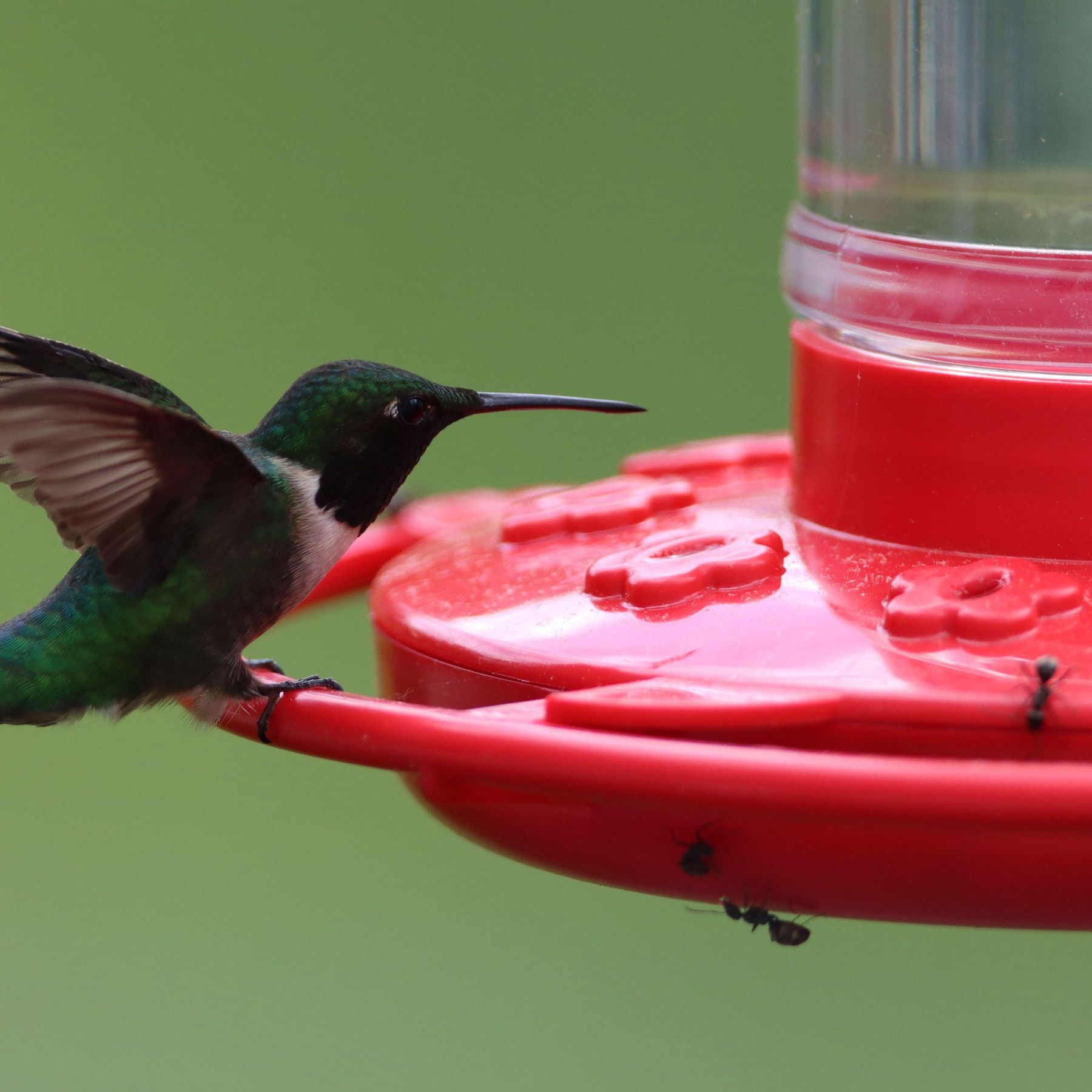
Hummingbird feeders often feature bright colors like red to attract birds. They include small feeding ports that fit the bird’s slender bill. Most have built-in bee guards or ant moats to keep insects away from the nectar.
Clear containers allow you to see nectar levels easily. Choose feeders that are easy to clean to stop mold growth. Hanging styles work best near flowers or open spaces where hummingbirds feel safe.
Differences Between Hummingbird And Regular Feeders
| Feature | Hummingbird Feeders | Regular Bird Feeders |
|---|---|---|
| Food Type | Sweet nectar | Seeds, nuts, or suet |
| Feeding Ports | Small holes for long bills | Wide openings or trays |
| Design | Bright colors, often red | Natural colors or camouflage |
| Insect Protection | Ant moats, bee guards | Rarely included |
| Cleaning | Easy to clean parts | Varies by type |
Feeder Maintenance Tips
Keeping hummingbird feeders clean and well-maintained is key to attracting healthy birds. Proper care prevents harmful buildup and keeps the nectar fresh. Regular checks can save hummingbirds from illness and keep them visiting your garden often.
Cleaning Frequency For Hummingbird Feeders
Clean hummingbird feeders at least twice a week. In hot weather, clean every two to three days. Use warm water and mild soap. Avoid harsh chemicals that can harm birds. Rinse thoroughly to remove all soap residue. Empty old nectar before refilling to prevent spoilage.
Preventing Mold And Fermentation
Mold grows quickly in sweet nectar, which can harm hummingbirds. Check feeders daily for any signs of mold or fermentation. Keep feeders out of direct sunlight to slow down nectar spoilage. Use a vinegar solution for deep cleaning to kill mold spores. Always replace nectar with fresh sugar water to keep birds safe and healthy.
Timing And Seasonal Considerations
Timing plays a crucial role when placing hummingbird feeders next to regular bird feeders. Different bird species have varying feeding patterns depending on the season. Understanding these patterns helps you decide the best time to offer food and where to place your feeders for maximum enjoyment and safety.
Best Seasons To Use Hummingbird Feeders
Hummingbirds are most active during spring and summer when flowers bloom and temperatures rise. This is the ideal time to set up your hummingbird feeders because these birds need extra energy for migration and breeding. In fall, some hummingbirds may still visit, but activity generally slows down as they prepare to migrate.
Winter is usually not the best season for hummingbird feeders, especially in colder regions where these birds migrate to warmer areas. If you live in a mild climate where hummingbirds stay year-round, you might continue feeding them, but keep an eye on mold growth in the feeders due to cooler, wetter weather.
Adjusting Placement Throughout The Year
As seasons change, so should the placement of your feeders. During spring and summer, placing hummingbird feeders near flowering plants can attract more birds. Regular bird feeders can be positioned a bit farther away to reduce competition and stress among different bird species.
In late summer or early fall, you might notice fewer hummingbirds and more regular birds. At this time, shifting your hummingbird feeders closer to the house or shaded areas can protect them from harsh sun and predators. Meanwhile, regular feeders can stay in open spaces where larger birds feel comfortable.
Have you noticed how birds’ feeding habits shift as the seasons change? Paying attention to these small changes can improve your birdwatching experience and keep your feathered visitors safe and happy throughout the year.
Credit: www.homesandgardens.com

Credit: photofocus.com
Frequently Asked Questions
Can Hummingbird And Regular Feeders Be Placed Together?
Yes, you can place hummingbird and regular feeders near each other. Just ensure enough space to reduce competition and avoid overcrowding.
Will Regular Bird Feeders Attract Hummingbirds Too?
No, hummingbirds prefer nectar feeders. Regular feeders with seeds or suet don’t attract hummingbirds.
How Far Apart Should Hummingbird And Regular Feeders Be?
Place feeders at least 10 feet apart to prevent aggressive bird interactions and give hummingbirds space to feed peacefully.
Can Regular Bird Feeders Harm Hummingbirds?
Regular feeders themselves don’t harm hummingbirds, but crowded areas might stress them. Proper feeder placement helps protect hummingbirds.
Conclusion
Placing hummingbird feeders near regular bird feeders can work well. Keep a small distance to avoid crowding and protect hummingbirds. Clean both feeders often to stop mold and bacteria. Watch how birds behave and adjust if needed. Enjoy watching different birds visit your garden every day.
This simple setup brings more life and color close to home. Try it and see which birds come by!




