
Have you ever wondered if those cheerful bird feeders in your yard could be making you sick? You love watching birds up close, but what if your favorite pastime carries hidden health risks?
Understanding how bird feeders might affect your well-being is important for you and your family. Keep reading to discover what you need to know to stay safe while enjoying nature’s visitors right outside your window.
Health Risks Linked To Bird Feeders
Bird feeders attract many birds, but they can also pose health risks. These feeders can become spots where diseases spread among birds and potentially to humans. Understanding these risks helps keep both birds and people safe.
Common Diseases Transmitted
Bird feeders can carry diseases that affect both birds and humans. Some common illnesses include:
- Salmonellosis – causes diarrhea and fever in people
- Histoplasmosis – a lung infection from bird droppings
- Psittacosis – flu-like symptoms from infected birds
- Avian Influenza – bird flu that can sometimes infect humans
Pathogens Found On Feeders
Feeders often harbor harmful germs. These include bacteria, viruses, and fungi. They thrive on leftover seeds, droppings, and moist environments. Common pathogens include:
- Salmonella bacteria
- Chlamydia psittaci bacteria
- Histoplasma fungus
- Avian influenza virus
How Birds Spread Illness
Birds spread diseases through direct contact and droppings. They contaminate feeders with saliva, feathers, and feces. Other birds touch the same spots, picking up germs. Humans touching feeders can catch these pathogens too. Poor feeder cleaning increases this risk.
Signs Of Illness From Bird Feeders
Bird feeders are a wonderful way to connect with nature, but they can sometimes be a source of illness. Recognizing the signs of sickness related to bird feeders helps you protect your health and enjoy birdwatching safely. Let’s look at what symptoms to watch for, how quickly they appear, and who is most at risk.
Symptoms To Watch For
After handling bird feeders or cleaning them, you might notice symptoms like:
- Fever and chills
- Persistent cough or difficulty breathing
- Fatigue and muscle aches
- Eye irritation or redness
- Skin rashes or irritation around the hands
These symptoms could indicate infections from bacteria or fungi that thrive in bird droppings. If you experience any of these, especially after contact with feeders, don’t ignore them.
Timeframe For Onset
How quickly symptoms show up varies depending on the illness. Some infections might cause signs within a few hours, while others take days or even weeks.
For example, psittacosis, a disease linked to bird droppings, can cause symptoms within 5 to 14 days. On the other hand, fungal infections like histoplasmosis might take longer to develop noticeable signs.
Being aware of this timeframe helps you connect the dots between your symptoms and bird feeder exposure.
High-risk Individuals
Not everyone is equally vulnerable to illnesses from bird feeders. People with weakened immune systems, such as the elderly, young children, or those with chronic illnesses, face higher risks.
If you or someone in your home fits these categories, extra caution is necessary. Wearing gloves when cleaning feeders and washing hands thoroughly afterward can make a big difference.
Have you considered how your health status might affect your interaction with bird feeders? Taking small safety steps can protect those who need it most.
How Contamination Occurs
Contamination from bird feeders happens through several key ways. Germs and bacteria can build up in places where birds eat and gather. These germs sometimes spread to humans, causing illnesses. Understanding how this contamination occurs helps keep everyone safe around feeders.
Feeders As Germ Hotspots
Bird feeders often collect leftover seeds and moisture. This creates a perfect place for germs to grow. Many birds touching the feeder spread bacteria with their beaks and feet. Dirty feeders can harbor harmful microbes for days. Regular cleaning reduces the risk of contamination.
Role Of Bird Droppings
Bird droppings contain bacteria, fungi, and viruses. These germs can contaminate nearby surfaces and seeds. People touching feeders or ground near droppings risk exposure. Some bird diseases, like histoplasmosis, come from inhaling dried droppings. Keeping feeders away from living areas lowers risk.
Environmental Factors
Weather affects germ growth on feeders. Warm and wet conditions speed up bacteria spread. Wind and rain can spread contaminated materials around feeders. Standing water near feeders also encourages germs. Placing feeders in dry, shaded spots helps limit contamination.
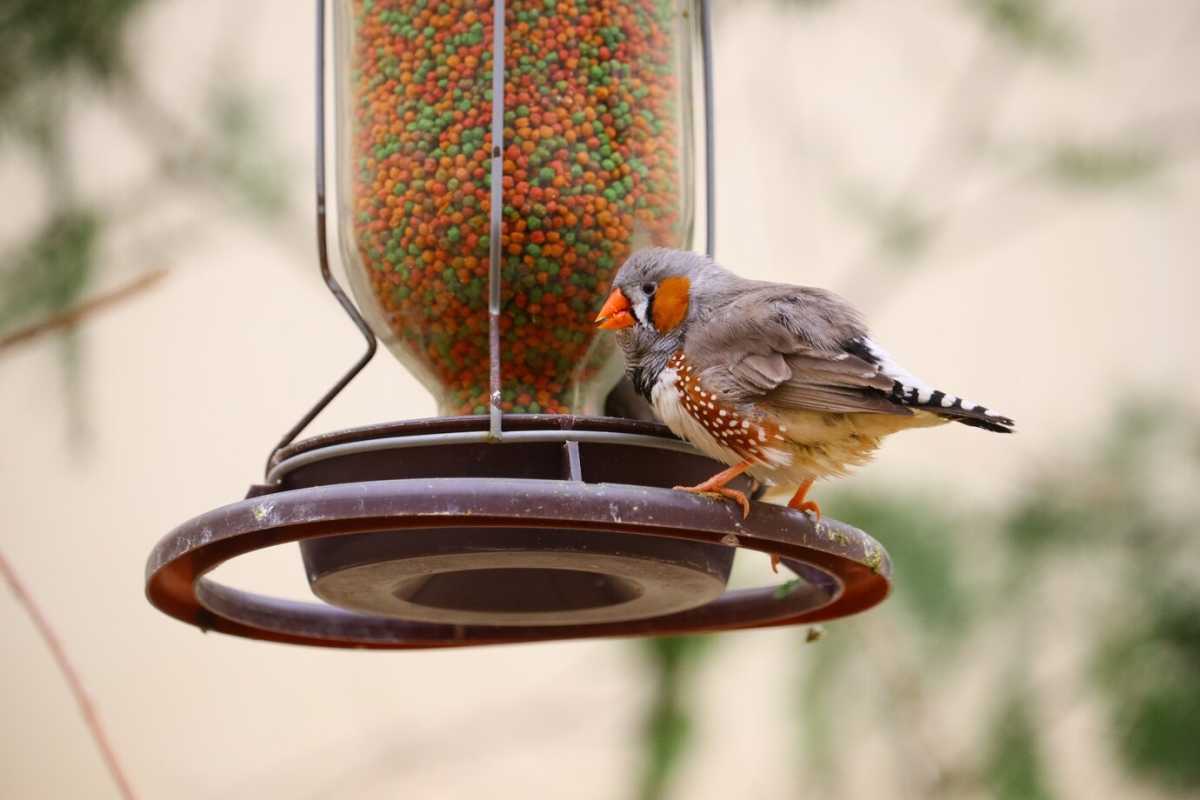
Credit: www.greenmatters.com
Preventing Illness From Bird Feeders
Preventing illness from bird feeders is essential for both your health and the well-being of the birds visiting your yard. Birds can carry germs that sometimes transfer to feeders, creating a potential health risk. Taking simple steps can keep your feeding area safe and enjoyable for everyone.
Cleaning And Maintenance Tips
Regular cleaning is key to stopping the spread of disease. Use a solution of one part bleach to nine parts water to scrub feeders at least once every two weeks.
Rinse thoroughly and let feeders dry completely before refilling. Avoid letting old seed accumulate, as it can harbor mold and bacteria harmful to birds and humans alike.
Check feeders for cracks or damage that might trap moisture, encouraging germs to grow. Have you noticed how quickly feeders can get dirty after rain? Staying on top of this can save you from headaches later.
Safe Feeding Practices
Wash your hands before and after handling bird feeders or seed. This simple habit reduces your chances of picking up germs. Consider wearing gloves if you have any cuts or scrapes on your hands.
Place feeders in areas that are easy to reach and clean. Avoid spots near doorways or high-traffic areas where seed debris can create slip hazards or attract unwanted pests.
Keep your feeding station away from places where pets eat or play, minimizing cross-contamination risks. How often do you pause to clean your hands after bird feeding? It’s a small step that protects you and your family.
Choosing The Right Feeder
Pick feeders made from materials that are easy to clean, such as metal or hard plastic. Wooden feeders may look nice but can absorb moisture and harbor bacteria.
Design matters: feeders with multiple feeding ports reduce crowding among birds, lowering disease spread. Tube feeders with seed trays underneath help contain mess and make cleaning simpler.
Consider feeders that protect seed from rain and humidity to prevent mold growth. Have you ever seen seed clumping together after a storm? Choosing the right feeder helps keep the food fresh and safe for birds and you.
When To Seek Medical Help
Knowing when to seek medical help after contact with bird feeders is crucial. Bird feeders can harbor germs that cause illnesses in humans. Early medical attention can prevent complications and speed recovery.
Watch closely for signs of serious illness. Some symptoms need prompt care to avoid worsening health. Understanding testing and treatment options helps you make informed choices.
Serious Symptoms
- High fever lasting more than two days
- Severe cough or difficulty breathing
- Chest pain or tightness
- Confusion or dizziness
- Persistent vomiting or diarrhea
- Unusual fatigue or weakness
Testing And Diagnosis
Doctors may order blood tests to check for infection. Chest X-rays can reveal lung problems. Sputum samples help identify specific bacteria or viruses. Early diagnosis guides proper treatment and recovery.
Treatment Options
Treatment depends on the illness type and severity. Antibiotics treat bacterial infections. Antiviral medicines may be used for some viruses. Rest and hydration support healing. Severe cases might require hospitalization and oxygen therapy.

Credit: www.bellinghamherald.com
Benefits Of Bird Feeding Despite Risks
Bird feeding offers joy and a connection to nature. While it poses some health risks, proper hygiene can prevent illness. Keep bird feeders clean to enjoy the benefits safely.
Bird feeding can bring many joys, even with potential risks. These risks can be managed with proper care and attention. Bird feeding offers numerous benefits that enhance both human and wildlife experiences.Mental Health Advantages
Watching birds at feeders reduces stress and anxiety. Their vibrant colors and lively behavior bring joy and relaxation. Bird watching can be a peaceful escape from daily pressures.Supporting Local Wildlife
Bird feeders help local birds find food, especially in harsh weather. They provide essential nutrients for survival and growth. Feeding supports bird populations, aiding in their conservation.Balancing Enjoyment And Safety
Use clean feeders to prevent disease. Regular cleaning keeps everyone safe. Place feeders away from predators to protect birds. Enjoy the beauty of nature while ensuring safety.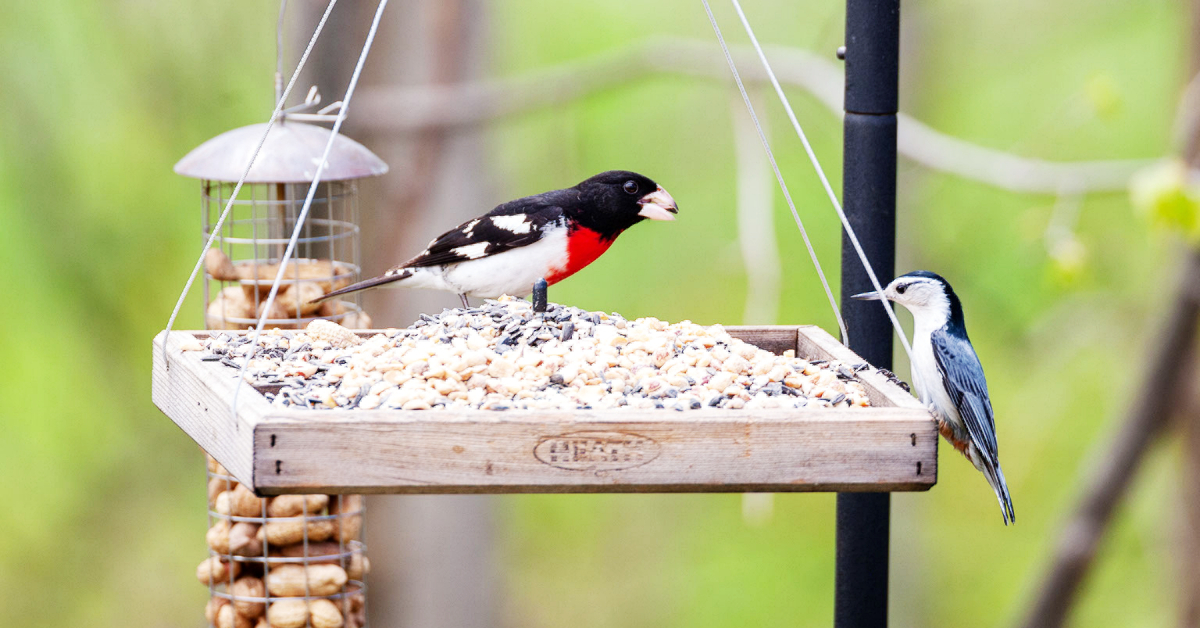
Credit: www.michiganaudubon.org
Frequently Asked Questions
Can Humans Catch Diseases From Bird Feeders?
Yes, humans can catch diseases from bird feeders if they come into contact with contaminated bird droppings or feathers. Proper cleaning of feeders reduces this risk significantly.
What Illnesses Can Bird Feeders Transmit To Humans?
Bird feeders can harbor bacteria like Salmonella and fungi like Histoplasma, which may cause respiratory or gastrointestinal illnesses in humans.
How Can I Safely Clean Bird Feeders?
Use hot water and mild detergent to clean feeders weekly. Wear gloves and avoid inhaling dust or droppings during cleaning.
Are Certain Birds More Likely To Spread Diseases?
Yes, birds like pigeons and starlings often carry more pathogens, increasing the risk of disease transmission near feeders.
Conclusion
Bird feeders can sometimes carry germs that make people sick. Cleaning feeders often helps keep risks low. Wash your hands after handling bird food or feeders. Keep feeders dry and fresh to stop mold growth. Watching birds stay healthy makes feeding more fun.
Small steps protect both birds and humans well. Stay safe while enjoying nature’s visitors close by.




