
Have you ever noticed a bird chipping or pecking at your mirror and wondered why it does that? It might seem strange or even funny, but there’s a fascinating reason behind this behavior.
When you see a bird acting this way, it’s not just random—your mirror is triggering something important for that bird. Understanding why birds chip in the mirror can help you see the world from their perspective and maybe even change how you interact with nature around your home.
Keep reading, and you’ll discover the surprising reasons behind this curious bird behavior.
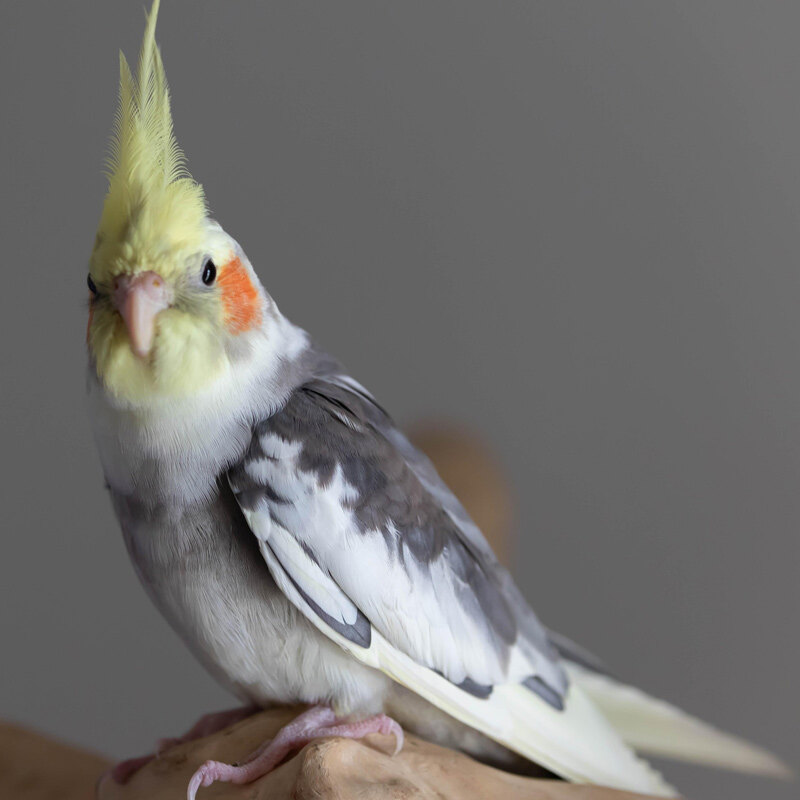
Credit: lafeber.com
Birds And Mirror Interaction
Birds often react strongly when they see themselves in mirrors. They may chip, peck, or sing at the reflection. This happens because birds think the reflection is another bird.
Understanding why birds chip in mirrors helps us learn about their behavior and communication. It also shows how they see their environment.
Common Behaviors Near Mirrors
Birds show several common behaviors when they see mirrors. Many try to interact with their reflection. Some may chip loudly to warn the “other bird.”
Other behaviors include pecking at the mirror or fluffing their feathers. Some birds sing or display courtship moves. These actions show they think the reflection is real.
- Chipping or loud calls
- Pecking or tapping the mirror
- Fluffing feathers to look bigger
- Singing or courtship displays
Species Most Likely To Chip
Not all birds react the same to mirrors. Some species chip more often than others. Birds with strong territorial instincts are more likely to chip.
Birds like robins, sparrows, and finches are often seen chipping at mirrors. These birds defend their space and see the reflection as a rival.
- Robins
- Sparrows
- Finches
- Mockingbirds
- Wrens
Causes Of Chipping Behavior
Birds often chip at mirrors for different reasons. This behavior can tell us about their feelings and instincts.
Understanding why birds chip at their reflection helps us learn more about their nature and needs.
Territorial Responses
Birds see their reflection as another bird in their space. They chip to warn the “intruder” away. This shows their strong need to protect their area.
Mating And Courtship Signals
Some birds chip at mirrors to attract mates. They think the reflection is a potential partner. This chipping is part of their courtship ritual.
- Calling to get attention
- Showing off bright feathers
- Performing small dances
Mistaken Identity
Birds may not realize the reflection is themselves. They treat it as a stranger. This causes chipping as a reaction to the unknown bird.
Stress And Anxiety Factors
Stress can make birds chip more at mirrors. They may feel trapped or confused. This behavior helps them release nervous energy.
| Stress Cause | Effect on Bird |
| New environment | Increased chipping |
| Loneliness | More mirror interaction |
| Sudden noises | Startled chipping |
Effects On Birds
Birds often chip at mirrors because they see their reflection. They may think it is another bird. This behavior can affect their health in different ways.
Understanding these effects helps us care for birds better. It also shows why this behavior can be harmful.
Impact On Mental Health
Seeing their reflection can confuse birds. They may feel stressed or anxious. This can lead to repeated attacks on the mirror.
- Birds may become aggressive toward their reflection.
- Stress from this behavior can cause fatigue.
- It might reduce their time spent on feeding or resting.
- Constant confusion may lead to frustration.
Physical Risks From Chipping
Birds can hurt themselves by hitting the mirror. Their beaks or feathers may get damaged. This can cause pain or infection.
| Type of Injury | Possible Cause | Effect |
| Beak Damage | Repeated pecking | Pain and difficulty eating |
| Feather Loss | Hitting mirror edges | Reduced flight ability |
| Eye Injury | Close contact during chipping | Blurred vision or infection |
| Stress Injuries | Overexertion | Fatigue and weakness |
Preventing Mirror Chipping
Birds often chip or peck at mirrors because they see their reflection as a rival. This behavior can harm the mirror and stress the birds. Preventing mirror chipping helps protect both the glass and the birds.
Several methods reduce mirror chipping. These include placing mirrors safely, using deterrents, and giving birds other things to focus on.
Safe Mirror Placement
Placing mirrors where birds cannot easily reach lowers the chance of chipping. Avoid putting mirrors at bird eye level or near feeders. Position mirrors in shaded areas to reduce reflections that attract birds.
- Mount mirrors higher than 6 feet off the ground
- Keep mirrors away from bird feeding spots
- Use angled placement to reduce direct reflection
- Place mirrors where sunlight does not shine directly
Using Deterrents
Deterrents help keep birds away from mirrors. Visual and sound devices make birds feel unsafe near the glass. This lowers their urge to chip or attack the mirror.
| Deterrent | Effect |
| Reflective tape | Confuses birds with moving light |
| Fake predators | Scares birds from the area |
| Sound alarms | Startles birds with sudden noise |
| Window decals | Blocks clear reflection |
Alternative Stimuli For Birds
Offering other stimuli keeps birds busy and less likely to chip mirrors. Toys, feeders, and plants provide safe distractions. This lowers mirror damage and helps birds stay calm.
- Place bird feeders near windows but not mirrors
- Use colorful bird toys in outdoor spaces
- Plant shrubs and flowers to attract birds naturally
- Provide water sources like small fountains or baths
Research Insights
Birds often chip at mirrors, showing curiosity or confusion. Scientists want to understand why birds react this way.
Research looks at how birds see themselves in mirrors. This helps us learn about their behavior and intelligence.
Studies On Mirror Self-recognition
Some birds can recognize their reflection in mirrors. This skill is called mirror self-recognition. It shows a type of self-awareness.
Scientists tested birds like magpies and crows by placing marks on their bodies. Birds that touched the marks while looking in the mirror showed they knew the image was themselves.
- Magpies passed the mirror test in several studies
- Crows also showed signs of self-recognition
- Many other bird species react differently to mirrors
Behavioral Experiments And Findings
Behavioral experiments observe how birds act near mirrors. Birds may chip at mirrors out of curiosity or to challenge their reflection.
Birds that chip mirrors might think the reflection is another bird. This causes them to act aggressively or explore the mirror closely.
- Birds chip mirrors to test if the reflection is real
- Some birds show aggressive behavior towards their reflection
- Others use mirrors to explore or groom themselves

Credit: urbannature.blog

Credit: www.reddit.com
Frequently Asked Questions
Why Do Birds Chip At Mirrors?
Birds chip at mirrors because they see their reflection as a rival. They try to defend their territory from this perceived threat. This behavior is common during mating season when birds are more territorial.
Do Birds Recognize Themselves In Mirrors?
Most birds do not recognize their reflection as themselves. Instead, they perceive it as another bird. This often leads to aggressive behavior like pecking or chipping at the mirror.
Can Mirror Chipping Harm Birds?
Yes, repeated chipping can injure a bird’s beak or face. It may also cause stress and fatigue. Providing visual barriers can help reduce this harmful behavior.
How To Stop Birds From Chipping Mirrors?
Cover mirrors or use decals to break reflections. This prevents birds from seeing their reflection. Creating a safe environment reduces aggressive mirror behavior effectively.
Conclusion
Birds chip at mirrors because they see their own reflection. They think it is a rival bird. This makes them act to protect their space. Sometimes, they want to show strength or defend territory. This behavior helps birds communicate without physical fights.
Knowing this can help bird watchers understand their actions. It also explains why birds might seem aggressive near glass. Next time you see a bird chip at a mirror, remember it is just trying to interact. Simple behavior with a strong natural reason behind it.




