
Are you wondering when the best time is to put bird houses out in your yard? Getting this timing right can make all the difference in attracting birds and helping them feel safe.
If you put the bird house out too early or too late, you might miss the chance to welcome new feathered friends. You’ll discover the perfect timing to hang your bird house so your garden becomes a cozy home for birds.
Keep reading—you’re about to learn a simple trick that can turn your outdoor space into a lively bird sanctuary!
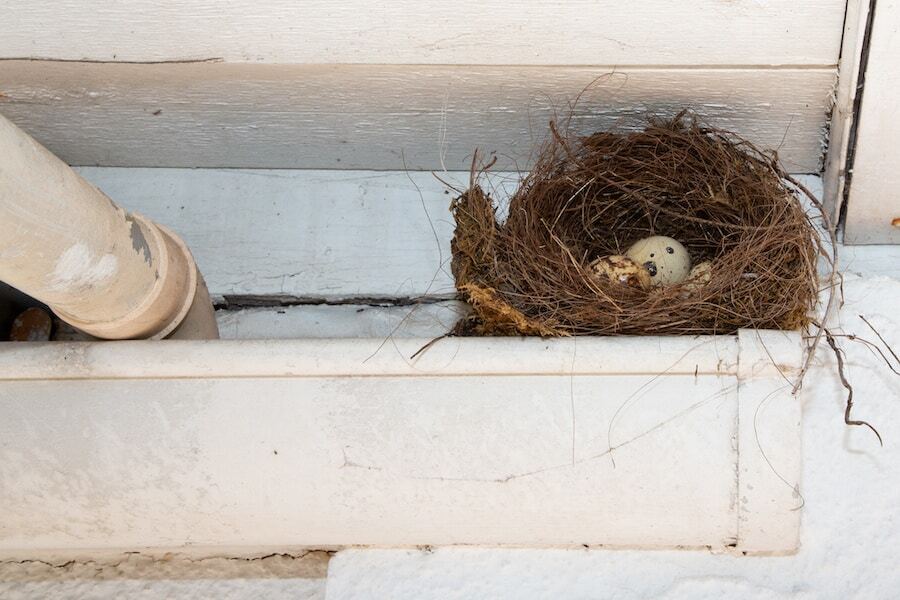
Credit: www.callnorthwest.com
Ideal Timing By Bird Species
Timing matters a lot when placing bird houses. Different bird species choose nesting times that suit their habits and climates. Knowing these patterns helps provide a safe space for birds to raise their young. This section explores the ideal timing for various birds.
Early Nesters’ Schedule
Early nesters like chickadees and wrens start building nests in late winter or early spring. Putting out bird houses by late February or early March gives them a head start. These birds prefer cool but not freezing weather. Early placement helps them prepare before eggs arrive.
Late Nesters’ Preferences
Late nesters such as bluebirds and tree swallows begin nesting in mid to late spring. Putting up houses in April or early May works well. These birds wait for warmer temperatures and more insects for feeding chicks. Timely bird houses ensure they find a home quickly.
Migratory Birds’ Arrival
Migratory birds like purple martins and some warblers arrive after traveling long distances. Their nesting season starts in late spring or early summer. Bird houses should be ready by May to welcome these travelers. Early preparation supports their safe and timely nesting.
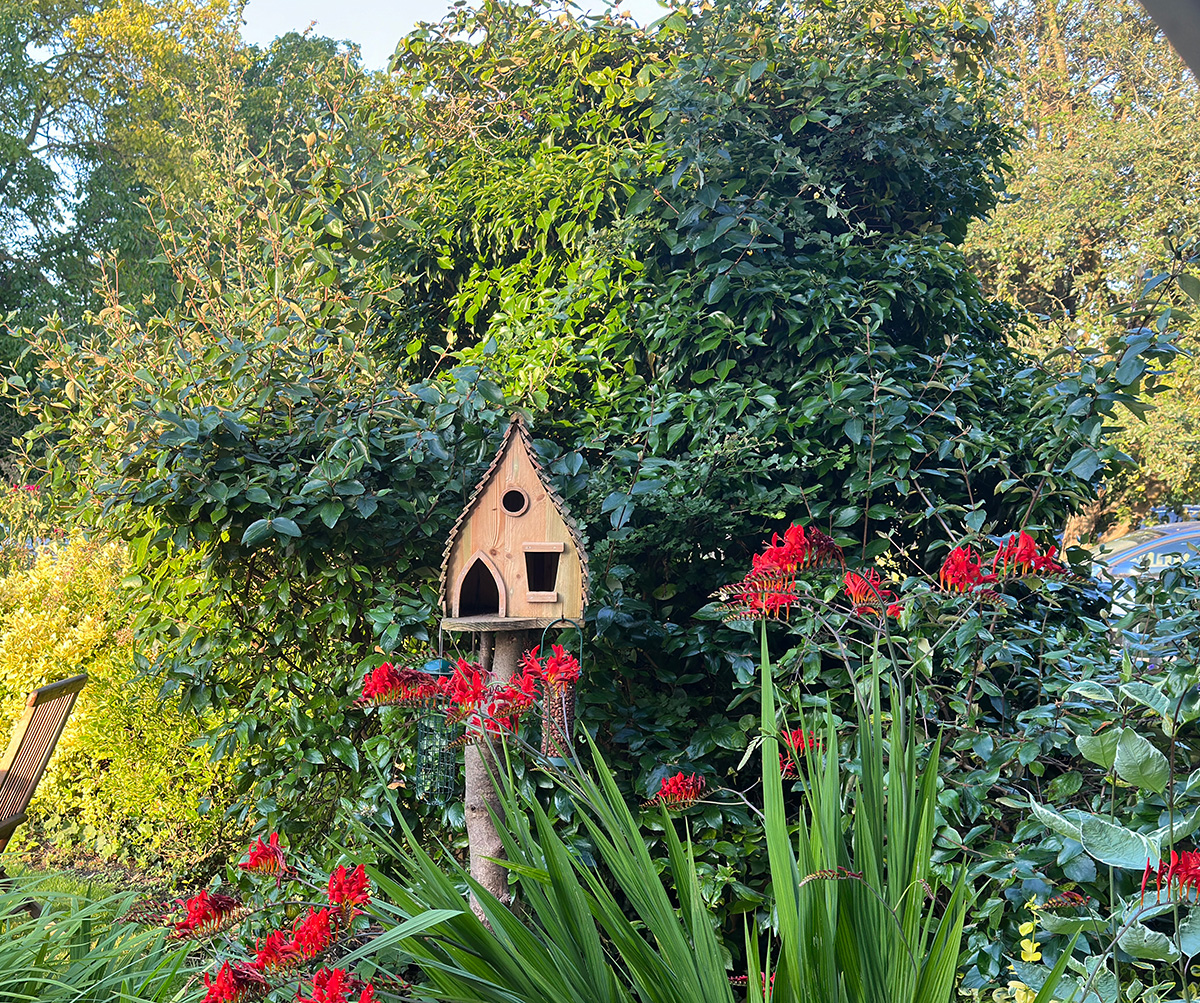
Credit: www.milltreestudio.co.uk
Seasonal Factors To Consider
Choosing the right time to put bird houses out depends on several seasonal factors. These factors influence bird activity and nesting success. Paying attention to the seasons helps create a safe and welcoming space for birds. Birds are sensitive to changes in weather and daylight. Understanding these patterns can improve your chances of attracting birds.
Spring Weather Patterns
Spring is the prime season for many birds to start nesting. Weather during spring can be unpredictable. Warm days often alternate with cold snaps or rain. Place bird houses out after the last frost to avoid damage. Early placement can encourage birds to settle quickly. Watch local weather trends before setting up the houses.
Temperature And Daylight
Birds respond to rising temperatures and longer days. Increased daylight triggers breeding behavior in many species. Stable temperatures provide a comfortable environment for eggs and chicks. Avoid putting bird houses out too early in cold weather. Birds are more likely to use houses when warmth is consistent.
Avoiding Harsh Conditions
Harsh weather can harm birds and damage houses. Strong winds, heavy rain, or freezing temperatures create risks. Delay installing bird houses until harsh conditions subside. Position houses where they are shielded from direct wind and sun. A safe location helps birds feel secure and protected.
Signs Birds Are Ready
Birds show clear signs when they are ready to start nesting. Observing these signs helps you know the best time to put out bird houses. Early preparation increases the chances that birds will use the houses.
Increased Bird Activity
Watch for more birds flying around your yard. Groups of birds may appear near trees or shrubs. They often explore new places to find safe nesting spots. This behavior signals they are scouting for homes.
Bird Calls And Songs
Birds sing louder and more often during nesting season. Males use songs to attract mates and mark territory. Listen carefully for repeated calls or new bird sounds. These vocal signs show the nesting period has started.
Nesting Material Collection
Birds begin gathering twigs, leaves, and feathers. They carry these materials to potential nesting sites. Seeing birds collect and carry items means they are building nests. This is a clear sign to put out bird houses now.
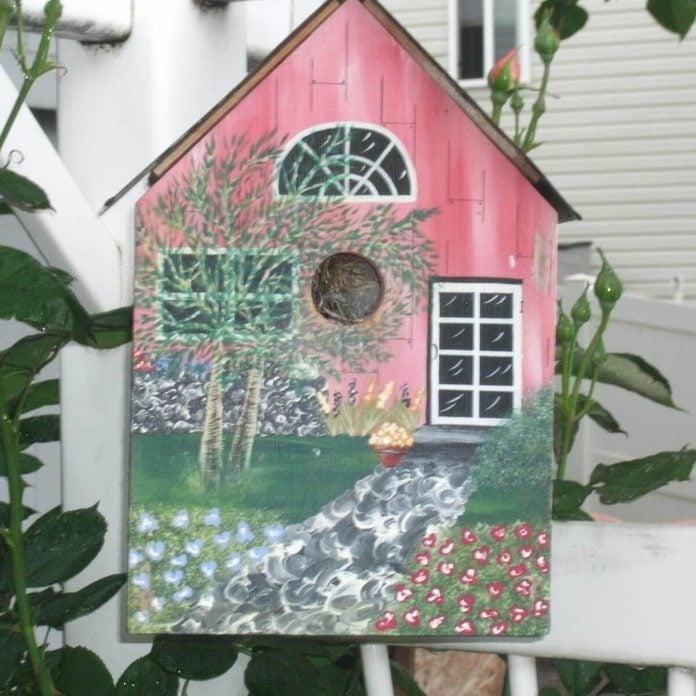
Credit: www.familyhandyman.com
Placement Tips For Bird Houses
Placing bird houses correctly enhances your backyard’s appeal to birds. Thoughtful placement ensures birds feel safe and comfortable in their new homes. Key factors include height, predator protection, and sunlight exposure. Let’s explore these essential placement tips.
Optimal Height And Location
Bird houses should be mounted at a height of 5 to 12 feet. This height range suits most garden birds. Choose a location away from busy areas. Avoid placing houses near doors or loud noises. Ensure the entrance faces away from prevailing winds.
Protection From Predators
Protect bird houses from predators by using baffles on poles. These prevent climbing animals from reaching the house. Avoid locations near fences or trees. Predators can use these to access the bird house. Ensure the house is sturdy and secure.
Sunlight And Shade Balance
A balance between sunlight and shade is crucial. Direct sunlight can overheat the bird house. Position houses to receive morning sun and afternoon shade. This keeps the interior at a comfortable temperature. Avoid placing houses in full shade or full sun.
Maintenance Before Installation
Proper maintenance before placing bird houses outside is crucial. It ensures a safe and inviting home for birds. Taking time to clean, inspect, and prepare the bird house helps protect birds from disease and injury. Well-maintained bird houses last longer and attract more visitors.
Cleaning Old Nesting Material
Remove old nesting material from previous seasons. Leftover nests can carry parasites and bacteria. Use gloves to take out debris carefully. Wash the interior with a mild bleach solution (one part bleach to nine parts water). Rinse thoroughly and let the house dry completely before installing.
Checking For Damage
Inspect the bird house for cracks, holes, or loose parts. Small damages can let in rain or predators. Repair broken areas with wood glue or replace damaged pieces. Make sure the entrance hole is the right size for the bird species you want to attract. Tighten any loose screws or nails to keep the house sturdy.
Using Safe Materials
Choose non-toxic and natural materials for bird houses. Avoid paints or finishes with harmful chemicals. Untreated wood is the best choice. Avoid metal or plastic, which can become too hot or cold. Use smooth wood to prevent splinters but keep ventilation holes for airflow. Safe materials keep birds healthy and comfortable.
Monitoring After Setup
After setting up your bird houses, keeping a close eye on them is crucial. Monitoring helps you understand how birds are using the houses and ensures their safety. It also gives you a chance to make small changes that can make a big difference in attracting and protecting feathered visitors.
Regular Inspections
Check your bird houses at least once a week. Look for signs of activity like nesting materials or bird droppings. This helps you track which species are visiting and whether the house is safe and clean.
During inspections, watch for damage or blockages. For example, wasps or ants sometimes take over bird houses. Removing these pests quickly keeps the birds comfortable and willing to return.
Minimizing Disturbance
Approach your bird houses quietly and avoid sudden movements. Loud noises or frequent visits can scare birds away. Try to keep inspections brief and limit them to times when birds are less active, like midday.
Have you noticed how birds react when you get too close? Staying calm and patient often encourages them to stay and raise their young peacefully. You want to be a quiet observer, not a threat.
Adjusting Placement If Needed
If you find no bird activity after a few weeks, consider moving the house. Sometimes sunlight, wind, or nearby predators affect where birds feel safe. Try relocating to a spot with more shade or better shelter from the wind.
Think about the surrounding environment—are there bushes or trees nearby? Birds often prefer houses close to natural cover. Small changes in placement can improve your chances of hosting a happy bird family.
Frequently Asked Questions
When Is The Best Time To Put Bird Houses Out?
The best time to put bird houses out is early spring. This timing helps attract birds before nesting starts. It also allows birds to find shelter and prepare for breeding season.
How Does Season Affect Bird House Placement?
Seasons impact bird house placement because birds seek shelter based on weather. Spring and early summer are ideal for nesting. In colder months, birds use houses for warmth and protection.
Which Birds Use Bird Houses In Spring?
Birds like bluebirds, chickadees, and wrens commonly use bird houses in spring. They prefer safe, quiet spaces for nesting. Providing clean, well-placed houses boosts their chances of settling.
Should Bird Houses Be Cleaned Before Putting Out?
Yes, always clean bird houses before putting them out. Remove old nests and debris to prevent parasites. Clean houses encourage birds to nest and promote healthy breeding conditions.
Conclusion
Putting out bird houses at the right time helps birds find safe homes. Early spring works well for most species to start nesting. Avoid late summer or fall, when birds prepare to migrate. Check local bird habits to choose the best time.
Clean and maintain bird houses yearly to keep birds healthy. Watching birds settle in brings joy and supports nature. Small actions like this help protect wild birds easily. Start planning today and enjoy birdwatching all season.




