
Finding a tiny, helpless newborn bird can pull at your heartstrings. You want to help, but you might wonder, “What should I feed this little creature to keep it alive and healthy?”
Feeding a newborn bird isn’t as simple as giving it any food you have at home. Your choices can make a big difference in its growth and chances of survival. You’ll discover exactly what to feed a newborn bird, how often to feed it, and important tips to keep it safe.
Keep reading—your new feathered friend is counting on you.
Choosing The Right Food
Choosing the right food for a newborn bird is crucial for its growth and survival. The delicate digestive system of a hatchling requires a diet that is not only nutritious but also easy to digest. Feeding the wrong food can lead to health problems, so understanding what to offer is key to raising a healthy bird.
Types Of Suitable Foods
Newborn birds typically need a high-protein, soft diet that mimics what their parents would feed them in the wild. You can provide:
- Commercial hand-feeding formulas:These are specially made for baby birds and contain the right balance of nutrients.
- Soft-cooked eggs:Eggs offer excellent protein and are easy for newborn birds to digest.
- Moistened dog or cat kibble:Soaked until very soft, this can be a temporary protein source but should not be the main diet.
- Insects like mealworms or crickets:These are natural protein sources but must be chopped finely to prevent choking.
Have you noticed how birds in the wild eat mostly soft-bodied insects and regurgitated food? Mimicking this natural diet helps ensure your bird thrives.
Avoiding Harmful Ingredients
Some foods can harm newborn birds, even if they seem harmless to us. Avoid:
- Milk and dairy products:Birds lack the enzymes to digest lactose.
- Salt and sugar:These can cause dehydration and other health issues.
- Processed human foods:Anything with additives, preservatives, or artificial flavors should be off-limits.
- Large seeds or nuts:These pose choking risks and are hard to digest.
Remember, what you feed a bird today shapes its health tomorrow. Are you confident the foods you choose support its delicate system?

Credit: www.discovermagazine.com
Feeding Frequency And Amount
Feeding a newborn bird requires careful attention to both how often you feed and the amount you provide. Getting this balance right is crucial for the chick’s growth and survival. Too little food can stunt development, while too much can cause health problems.
How Often To Feed
Newborn birds need frequent feedings because they have tiny stomachs that empty quickly. Typically, you will feed a hatchling every 15 to 20 minutes from dawn until dusk. This might sound exhausting, but consistent feeding keeps the baby bird’s energy levels stable.
As the chick grows, the interval between feedings gradually increases. By the time it reaches two weeks old, feeding every 30 to 60 minutes is usually enough. You might wonder how to keep track of such a tight schedule—using a timer or alarm can help maintain regular feeding times.
Portion Sizes By Age
The amount of food changes as the chick develops. In the first few days, feed just enough to fill the crop without overstuffing—usually about a pea-sized amount per feeding. As the bird grows, increase the portion size, matching its expanding crop capacity.
| Age of Bird | Approximate Portion Size per Feeding | Feeding Frequency |
|---|---|---|
| Day 1-3 | Pea-sized (about 0.1-0.2 ml) | Every 15-20 minutes |
| Day 4-7 | Quarter to half teaspoon (0.3-0.5 ml) | Every 20-30 minutes |
| Week 2 | Half to three-quarters teaspoon (0.5-0.75 ml) | Every 30-60 minutes |
| Week 3 and older | Gradual increase as needed | Every 1-2 hours |
Always observe your bird’s crop to avoid overfeeding. A crop that stays full too long may mean you are giving too much. Have you noticed your bird’s behavior change after feeding? That can be a good indicator of whether you’re hitting the right portion size.
Preparing The Food
Preparing the food for a newborn bird requires careful attention to detail. The right texture and temperature can make a huge difference in the bird’s health and willingness to eat. How you mix and warm the food influences digestion and safety, so take your time to get it right.
Proper Mixing Techniques
Mix the formula thoroughly to avoid lumps that could choke the bird or cause discomfort. Use a small whisk or fork to blend the powder and water evenly. The consistency should be similar to a smooth, thick porridge—easy to swallow but not too runny.
If the mixture is too thick, add a little warm water gradually. Too thin, and the bird might not get enough nutrients with each feeding. Remember, the goal is a balanced texture that mimics what the parent bird would provide.
Ensuring Safe Temperature
Temperature plays a crucial role in feeding newborn birds. The food should be warm, about 102°F (39°C), close to the bird’s natural body heat. Use a food thermometer if possible to check the temperature before feeding.
Too hot food can burn the bird’s crop, while cold food may cause digestive issues. Test the temperature by dropping a bit on your wrist—it should feel comfortably warm, not hot. Have you ever experienced how a small temperature change affects feeding success?

Credit: swibirds.org
Feeding Methods
Feeding a newborn bird requires careful attention to both the type of food and how you deliver it. The feeding method you choose can impact the bird’s health and growth. It’s important to handle the process gently and with precision to avoid causing stress or injury.
Hand Feeding Techniques
Hand feeding allows you to control the amount and frequency of food the baby bird receives. Start by warming the food to a suitable temperature—about the warmth of your skin—to mimic the natural feeding environment. Cold or overheated food can harm the delicate digestive system.
Use a gentle approach by holding the bird securely but softly in your hand or on your lap. Open the bird’s beak carefully and offer the food slowly. Let the bird swallow at its own pace to avoid choking or aspiration.
Have you noticed how some birds respond differently to hand feeding? Patience is key; some may take to it quickly, while others need repeated calm encouragement. Observing their cues helps you adjust your technique for the best results.
Using Feeding Tools
Feeding tools like syringes, droppers, or small spoons can make feeding easier, especially for tiny or fragile birds. Syringes allow precise control over the amount of food delivered. Always check the size of the syringe tip to ensure it fits comfortably in the bird’s mouth.
Droppers are useful for watery or semi-liquid food, allowing you to drip food slowly into the bird’s throat. Small spoons work well for thicker mixtures but require a steady hand to avoid spills or stress.
Cleaning your feeding tools thoroughly after each use is crucial to prevent bacterial infections. Have you prepared backup tools to avoid interruptions during feeding? Keeping everything ready helps maintain a smooth feeding routine and supports the bird’s well-being.
Monitoring Bird Health
Monitoring the health of a newborn bird is crucial to ensure it thrives under your care. Regular observation helps catch any issues early, allowing you to adjust feeding or seek help before problems worsen. Your attentiveness can make a huge difference in the bird’s chances of growing strong and healthy.
Signs Of Good Growth
Healthy growth in a newborn bird is visible through steady weight gain and increasing activity. You should see the bird’s feathers start to develop smoothly, and its skin should look clean and hydrated.
Watch for these clear signs:
- The bird eagerly opens its mouth when you approach, signaling hunger and good appetite.
- Weight gain of about 10% daily in the first week is typical for many species.
- Bright, clear eyes with no discharge or swelling.
- Strong muscle tone when gently handled.
I once cared for a tiny finch that refused to open its mouth when feeding time came. That was my first red flag, and checking its weight daily helped me realize it was losing rather than gaining weight. Catching these signs early helped me adjust the feeding formula and save its life.
Recognizing Feeding Issues
Not all feeding problems are obvious, but some signs should prompt immediate action. If your bird seems lethargic or refuses food repeatedly, it’s time to rethink your feeding routine.
Be alert for these warning signs:
- Regurgitation or frequent vomiting after feeding
- Swollen crop that doesn’t empty properly
- Dry or flaky skin around the beak
- Unusual droppings, such as watery or very dark stools
Feeding issues can sometimes be subtle. Ask yourself: Has the bird’s behavior changed recently? Is the feeding schedule consistent? Your answers will guide you to find solutions faster.
Transitioning To Solid Food
Transitioning a newborn bird to solid food requires careful choices. Start with soft foods like soaked dog kibble or baby bird formula. Gradually introduce mashed fruits and vegetables.
Transitioning a newborn bird to solid food is a crucial phase in its development. This period marks a significant milestone as it learns to eat independently. It’s vital to ensure this transition is smooth to promote healthy growth and development.When To Start
The timing of introducing solid foods depends on the species, but generally, you can start the process when the bird is about three to four weeks old. Look for signs such as the bird showing interest in solid foods or pecking at its environment. Observing these cues ensures you’re not rushing or delaying this important transition.Types Of Solid Foods
Starting with the right types of solid foods is essential. Begin with soft, easily digestible foods like soaked pellets or moistened bird-specific cereal. Gradually introduce small pieces of fruits and vegetables, such as apples or carrots, ensuring they’re cut into tiny, manageable pieces. A small personal tip: I found that offering a variety of foods keeps the bird interested and encourages exploration. This approach not only aids in dietary balance but also keeps the feeding routine exciting for your feathered friend. Transitioning is an exciting time, but it requires patience and attentiveness. Are you observing your bird closely to ensure it’s adapting well to these changes? Adjustments and careful monitoring make all the difference in this pivotal phase.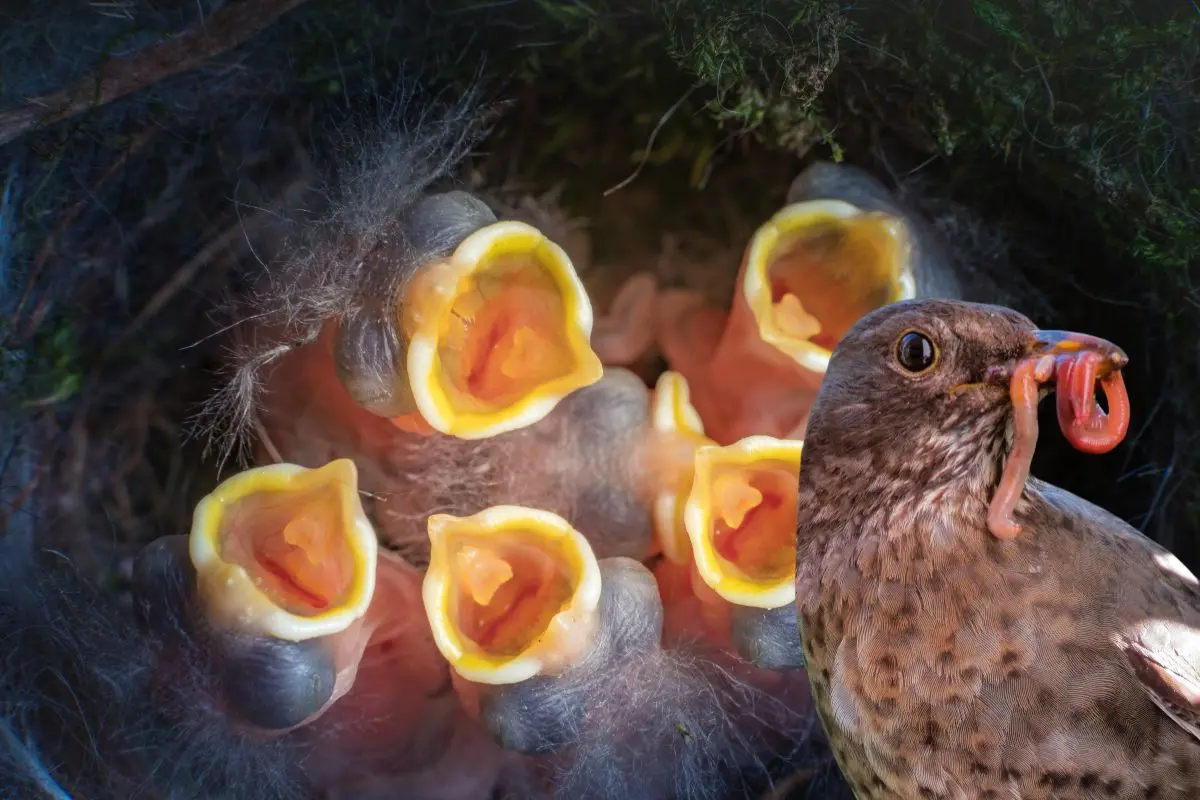
Credit: wildbloo.com
Frequently Asked Questions
What Is The Best Food For A Newborn Bird?
The best food for a newborn bird is a specialized formula or soft, easily digestible protein. Avoid solid seeds or bread, as they can harm the bird. Use a syringe or dropper to feed small amounts frequently, mimicking natural feeding patterns.
How Often Should You Feed A Newborn Bird?
Newborn birds require feeding every 15 to 20 minutes during daylight hours. As they grow, feeding frequency decreases. Consistent feeding ensures proper nutrition and growth. Avoid overfeeding to prevent health issues.
Can I Feed A Newborn Bird With Milk?
No, avoid feeding milk to newborn birds. Birds lack enzymes to digest dairy products. Feeding milk can cause digestive problems and harm the bird. Stick to bird-specific formulas or natural protein sources for safe feeding.
How Do I Prepare Homemade Bird Formula?
To prepare homemade bird formula, mix boiled water, baby cereal, and hard-boiled egg yolk. Blend to a smooth consistency and serve warm. Always consult a vet for recipe accuracy and bird species-specific needs.
Conclusion
Feeding a newborn bird needs care and attention every day. Use soft, easy-to-digest foods like soaked seeds or baby bird formula. Keep the feeding schedule regular to help the bird grow strong. Always keep the bird warm and safe during feeding times.
Watch the bird’s health and behavior closely for any changes. Patience and gentle handling make a big difference. Helping a tiny bird thrive brings great joy. Remember, good feeding habits lead to a healthy, happy bird.




