
Have you ever wondered how those stunning bird’s eye view images are captured? Whether it’s for maps, real estate, or breathtaking landscape shots, the cameras behind these views are far from ordinary.
You might think it’s just about pointing a camera from above, but there’s much more to it. You’ll discover the types of cameras used to create these amazing perspectives and why they are perfect for the job. Keep reading, and you’ll learn exactly what makes these cameras special—and how they bring the world to your fingertips from high above.

Credit: www.amazon.co.uk
Types Of Cameras For Bird’s Eye View
Choosing the right camera type is crucial for capturing a clear and informative bird’s eye view. Different cameras serve different purposes depending on your needs, environment, and budget. Understanding these camera types helps you pick the best option to get the perspective you want.
Fixed Cameras
Fixed cameras offer a constant, unchanging view from a single angle. They are simple, reliable, and often used in places where you want to monitor a specific area continuously. If you want a straightforward setup without needing to control the camera, fixed cameras are a solid choice.
These cameras work well in applications like parking lots or building rooftops where the field of view doesn’t need to change. Would a fixed viewpoint give you all the information you need, or do you require more flexibility?
Pan-tilt-zoom Cameras
Pan-Tilt-Zoom (PTZ) cameras give you control over the camera’s direction and zoom level remotely. This flexibility allows you to scan large areas or focus on specific details when something catches your attention. PTZ cameras are perfect if you want to actively manage what you see from above.
They work great for security surveillance and wildlife monitoring, where adjusting the view can reveal more than a static image. Think about how often you might need to change your viewing angle—would PTZ cameras make your observations more effective?
360-degree Cameras
360-degree cameras capture a full panoramic view in every direction at once. This means you don’t miss anything happening around the camera’s position. They are incredibly useful if you want an immersive bird’s eye view without blind spots.
These cameras are often used in urban planning and event monitoring to get a comprehensive look at the area. Imagine having a complete overview without needing to move or adjust the camera—how could that change the way you analyze your environment?
Thermal Cameras
Thermal cameras detect heat signatures instead of visible light, making them ideal for low-light or night-time bird’s eye views. They can reveal hidden details, such as animal movements or heat leaks in buildings, invisible to regular cameras. This technology adds a new dimension to what you can observe from above.
If you want to track wildlife activity or monitor energy efficiency, thermal cameras provide unique insights that standard cameras can’t. What hidden details could thermal imaging uncover in your bird’s eye view projects?

Credit: veise2008.en.made-in-china.com
Key Features In Bird’s Eye Cameras
Bird’s eye view cameras capture scenes from above with clarity and detail. These cameras have unique features that help them deliver clear, wide, and stable images. Understanding these key features helps in choosing the right camera for aerial photography and surveillance.
High Resolution
High resolution is crucial for bird’s eye view cameras. It allows capturing fine details from far away. More pixels mean sharper and clearer images. This helps identify objects and landscapes accurately.
Wide-angle Lenses
Wide-angle lenses capture a larger area in one shot. They provide a broad field of view from above. This is essential to cover wide spaces without moving the camera. It helps in monitoring large areas efficiently.
Image Stabilization
Image stabilization reduces blurriness caused by movement. It keeps the image steady even when the camera shakes. This feature is important for aerial shots from drones or helicopters. Clear and sharp images result from good stabilization.
Low Light Performance
Low light performance allows cameras to work in dim conditions. It improves image quality during dawn, dusk, or cloudy weather. Sensors and lenses designed for low light capture more details. This feature extends the camera’s usability beyond daylight hours.
Technologies Enhancing Bird’s Eye Views
Bird’s eye views have become clearer and more detailed thanks to advances in technology. These technologies allow you to see landscapes, cities, and events from above with stunning clarity. Understanding the tools behind these views can help you appreciate the complexity and precision involved.
Drone-mounted Cameras
Drones equipped with high-resolution cameras capture sharp aerial images and videos. Their ability to hover and maneuver in tight spaces gives you perspectives that were once impossible or very costly to obtain. You can even control drones remotely, making it easier to get the perfect shot.
Many drones use stabilized gimbals to keep the camera steady, even in windy conditions. This means your bird’s eye view will be smooth and clear, without shaky footage. Have you ever tried flying a drone yourself? The experience shows how flexible and accessible this technology has become.
Satellite Imaging
Satellites orbiting the Earth provide large-scale bird’s eye views that cover vast areas. These images are crucial for mapping, weather forecasting, and environmental monitoring. They use different sensors to capture data beyond visible light, revealing details invisible to the naked eye.
Satellite images often update frequently, letting you track changes over time. This technology is especially useful for studying urban growth or natural disasters. Imagine watching a city’s expansion unfold from space—how does that change your view of urban development?
Lidar Integration
LiDAR, or Light Detection and Ranging, uses laser pulses to create precise 3D maps of the ground and structures. This technology adds depth and detail to bird’s eye views, showing contours, trees, and buildings in high resolution. It’s widely used in forestry, archaeology, and even self-driving cars.
LiDAR data can reveal hidden features under dense foliage or in urban environments. Have you seen those stunning 3D maps that let you virtually explore terrain? LiDAR plays a major role in making those experiences possible.
Ai-powered Image Processing
Artificial intelligence helps enhance bird’s eye images by improving clarity, stitching multiple shots together, and identifying objects automatically. This means you get sharper images and faster results with less manual work. AI can also detect changes or anomalies in images, aiding in surveillance and research.
Some AI tools even colorize or restore old aerial photos, giving new life to historical views. How could AI-driven enhancements change the way you use bird’s eye images in your projects or hobbies?
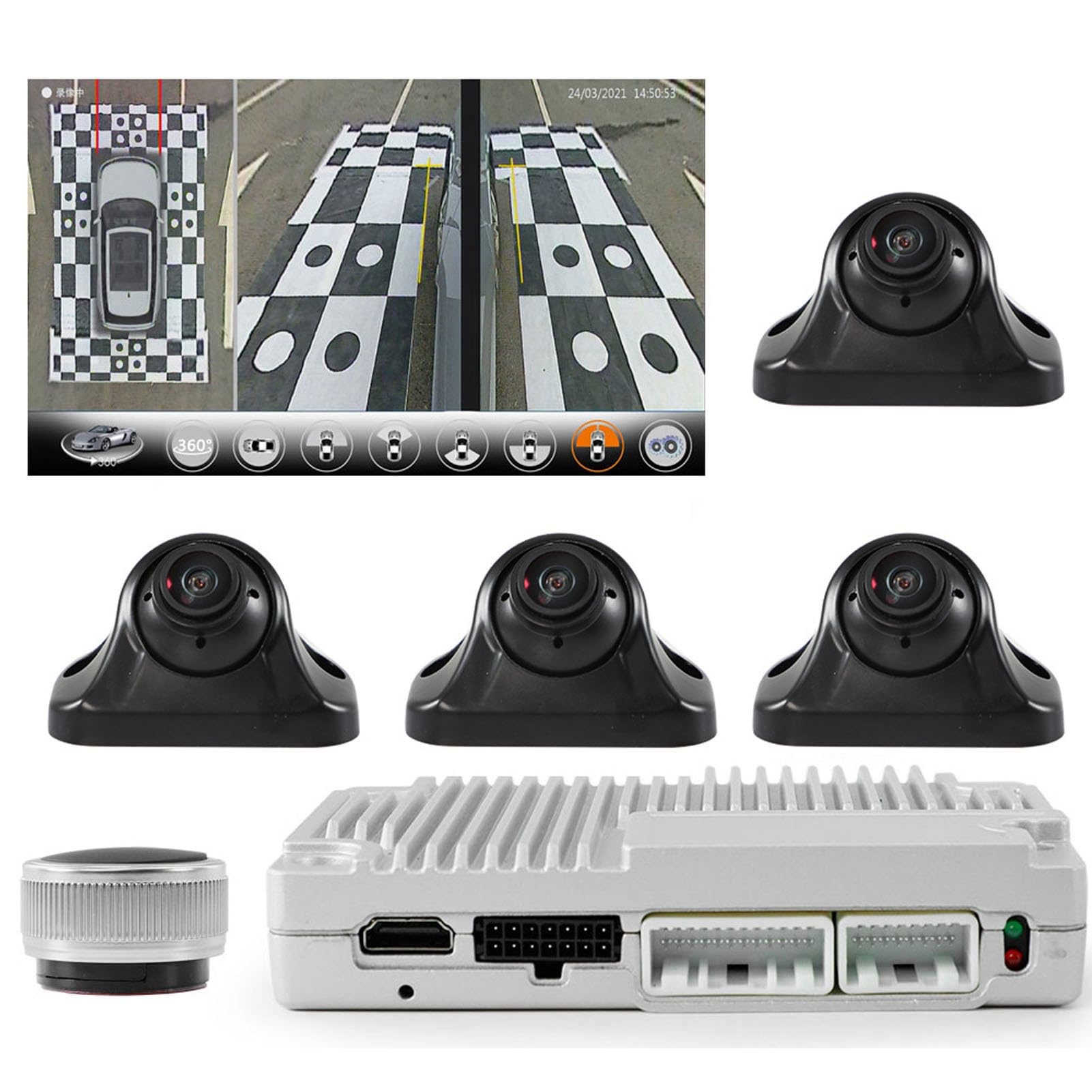
Credit: www.amazon.com.be
Applications Of Bird’s Eye Cameras
Bird’s eye view cameras capture wide, top-down images. These cameras offer unique perspectives that help in many fields. Their ability to cover large areas makes them very useful.
Bird’s eye view cameras use advanced lenses and sensors. They often attach to drones, helicopters, or tall structures. This setup allows for clear images from high above.
Surveillance And Security
Bird’s eye cameras watch over large spaces. They monitor public places, buildings, and borders. This helps spot threats early and keeps areas safe.
These cameras also assist in crowd control. They provide a full view of events or gatherings. Security teams can respond faster to any problem.
Urban Planning
City planners use bird’s eye images to see entire neighborhoods. It helps in designing roads, parks, and buildings better. They can check land use and growth patterns clearly.
These cameras also track construction progress. They give planners a real-time view of changes in the city. This saves time and reduces errors in planning.
Agriculture Monitoring
Farmers use bird’s eye cameras to check crop health. They spot dry areas, pest damage, or nutrient needs quickly. This helps improve crop yields and reduce waste.
These cameras also monitor irrigation and soil conditions. Farmers can manage their land more efficiently. It leads to better farming decisions and higher profits.
Sports And Event Coverage
Bird’s eye cameras capture entire fields or stadiums. This gives viewers a clear view of the game or event. It shows player positions and crowd reactions well.
Event organizers use these cameras to manage large crowds. They watch entry points and emergency routes. This keeps everyone safe and ensures smooth operations.
Choosing The Right Camera
Choosing the right camera for capturing bird’s eye view images is crucial. The camera you select directly impacts the clarity, detail, and usefulness of the aerial shots. Understanding your specific needs will help you avoid overspending or ending up with poor-quality images.
Budget Considerations
How much are you willing to invest in your camera? Cameras designed for bird’s eye views range from affordable consumer drones to high-end professional equipment. Keep in mind that expensive gear doesn’t always guarantee better results if it doesn’t match your project requirements.
Think about the total cost, including lenses, mounts, and accessories. Sometimes, a mid-range camera combined with the right lens can outperform a pricey but unsuitable model. Have you considered the long-term value versus immediate expenses?
Environmental Conditions
Where will you be capturing your bird’s eye shots? Cameras must withstand the conditions they face—whether it’s bright sunlight, rain, or dusty environments. Some models offer weather sealing and temperature resistance, which can save you headaches later.
Also, consider the altitude and movement involved. If you’re mounting the camera on a drone, weight and stabilization features become important. Have you checked if the camera can handle the local climate and flight conditions?
Required Image Quality
What level of detail do you need in your images? Higher resolution cameras capture more detail but require more storage and processing power. If you’re mapping large areas, balance resolution with file size to avoid workflow bottlenecks.
Consider sensor size and lens quality too. A larger sensor usually means better low-light performance and sharper images. Ask yourself if your project demands ultra-high resolution or if standard HD will suffice.
Integration With Existing Systems
Does your camera need to work with other equipment or software? Compatibility can simplify your workflow and save time. For example, some cameras are designed to integrate seamlessly with drone flight controllers or mapping software.
Think about data transfer methods, storage formats, and how easily you can process the images afterward. Will your current tools support the new camera, or will you need additional investments? These questions can prevent future frustrations.
Frequently Asked Questions
What Types Of Cameras Are Used For Bird’s Eye View Images?
Bird’s eye view images commonly use wide-angle and fisheye cameras. These cameras capture expansive areas from high altitudes, offering detailed overhead perspectives. They are often mounted on drones, aircraft, or satellites for diverse applications such as mapping, surveillance, and urban planning.
How Do Drone Cameras Capture Bird’s Eye Views?
Drone cameras capture bird’s eye views by flying at elevated altitudes. They use high-resolution lenses to photograph or record expansive ground areas from above. Drones offer flexibility, allowing precise positioning for clear, detailed aerial images and videos useful in agriculture, construction, and real estate.
Why Are Fisheye Cameras Ideal For Bird’s Eye Views?
Fisheye cameras provide ultra-wide angles, capturing panoramic overhead shots. Their unique lens design minimizes distortion, covering up to 180 degrees or more. This makes them perfect for bird’s eye views, enabling comprehensive area coverage in a single image for applications like security and environmental monitoring.
What Role Do Satellite Cameras Play In Bird’s Eye Views?
Satellite cameras provide large-scale bird’s eye views from space. They capture detailed images of Earth’s surface, supporting weather forecasting, environmental studies, and mapping. These cameras use advanced sensors to cover vast areas with high resolution, enabling global monitoring from orbit.
Conclusion
Birds eye view cameras capture wide, clear images from above. They use drones, satellites, or fixed aerial cameras. Each type suits different tasks and budgets. These cameras help in mapping, surveying, and security. Choosing the right camera depends on your needs.
The technology keeps improving, making views sharper. Understanding these cameras helps you pick the best one. Clear images from above offer unique perspectives. Birds eye view cameras show the world differently. Simple tools, big impact.




