
Are you struggling to capture those stunning bird photos you’ve always wanted? Choosing the right camera lens can make all the difference between blurry shots and breathtaking close-ups.
Whether you’re a beginner or looking to upgrade your gear, knowing which lens suits your bird photography style will help you get sharper images and more vibrant details. Keep reading, and you’ll discover the best lenses that bring your feathered subjects into crystal-clear focus every time.
Choosing The Right Lens
Choosing the right lens can make all the difference in bird photography. The right lens helps you capture sharp, detailed images while keeping a respectful distance from your subject. Understanding the key features of lenses will help you pick one that fits your style and the birds you want to photograph.
Focal Length Essentials
Focal length determines how close you can get to your subject without physically moving. For bird photography, lenses with longer focal lengths, typically between 300mm and 600mm, are preferred because birds are often small and shy. A 400mm lens, for example, allows you to fill your frame with a bird without disturbing it.
Do you often photograph birds in dense forests or open fields? Your environment might affect your choice. Longer focal lengths work best in open spaces, while shorter ones can be useful for more confined areas.
Aperture And Light Capture
A wide aperture (low f-number) lets in more light, which is crucial for shooting fast-moving birds in varying light conditions. An aperture like f/4 or f/5.6 can help you maintain faster shutter speeds to freeze motion. This also creates a beautiful background blur, making your bird stand out sharply.
Are you shooting early in the morning or late afternoon when light is limited? A lens with a larger aperture can make a noticeable difference in your images’ clarity and color vibrancy.
Autofocus Speed
Birds move quickly and unpredictably, so your lens needs to keep up. Fast and accurate autofocus ensures you don’t miss that perfect moment. Lenses with advanced autofocus motors, like ultrasonic or stepping motors, provide smooth and silent focusing.
Have you ever missed a shot because your lens couldn’t lock focus fast enough? Choosing a lens with quick autofocus can save you from frustration and missed opportunities in the field.

Credit: suryatara.com
Prime Vs Zoom Lenses
Choosing between prime and zoom lenses can shape your bird photography experience. Each type offers unique strengths that suit different styles and situations. Understanding these differences helps you pick the right tool for capturing stunning bird images.
Advantages Of Prime Lenses
Prime lenses have a fixed focal length, which often results in sharper images. They usually offer wider apertures, allowing more light and better performance in low-light conditions like early mornings or dense forests.
Using a prime lens can improve your composition skills since you move physically to frame your shot. This hands-on approach helps you engage more with your subject and environment.
Many bird photographers appreciate prime lenses for their lightweight design. Carrying less weight means you can stay out longer without fatigue, increasing your chances of spotting elusive birds.
Benefits Of Zoom Lenses
Zoom lenses cover a range of focal lengths, giving you flexibility to capture birds at different distances without changing lenses. This is especially useful when birds move unpredictably or when you need to switch quickly between wide and tight shots.
Zoom lenses reduce the need to carry multiple lenses, making your gear lighter overall. This convenience lets you focus more on the moment and less on swapping equipment.
With zoom lenses, you can experiment more with framing and perspective. Have you ever missed a shot because you couldn’t get close enough? Zoom can solve that by letting you adjust instantly.
Top Telephoto Lenses
Top telephoto lenses are essential for bird photography. They bring distant birds close without disturbing them. These lenses offer sharp images and good zoom range. Choosing the right telephoto lens improves photo quality and detail.
Best Budget Options
- Canon EF 70-300mm f/4-5.6 IS II USM – Affordable, lightweight, and good image stabilization.
- Nikon AF-P DX 70-300mm f/4.5-6.3G ED VR – Great zoom and vibration reduction for Nikon users.
- Sigma 100-400mm f/5-6.3 DG OS HSM Contemporary – Offers longer reach at a reasonable price.
- Tamron 70-300mm f/4.5-6.3 Di III RXD – Compact and suitable for mirrorless cameras.
Professional Grade Picks
- Canon EF 100-400mm f/4.5-5.6L IS II USM – Excellent sharpness and fast autofocus.
- Nikon AF-S 200-500mm f/5.6E ED VR – Long zoom and superb image stabilization.
- Sony FE 200-600mm f/5.6-6.3 G OSS – Ideal for Sony mirrorless users needing extra reach.
- Sigma 150-600mm f/5-6.3 DG OS HSM Sports – Durable build and impressive zoom range.
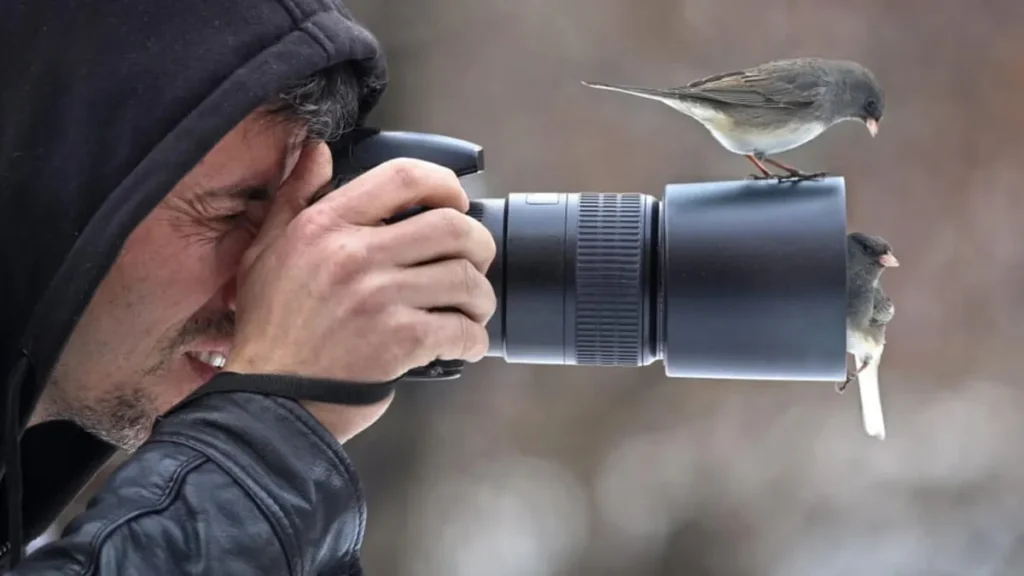
Credit: suryatara.com
Specialty Lenses For Bird Photography
Specialty lenses expand your creative options in bird photography. They allow you to capture unique perspectives beyond typical telephoto shots. These lenses help highlight intricate details and show birds within their natural environment. Choosing the right specialty lens can add depth and interest to your bird images.
Macro Lenses For Detail Shots
Macro lenses capture tiny details with sharp focus. They reveal feathers, eyes, and textures often missed in regular photos. These lenses work best for close-up shots of small birds or feathers. Macro photography shows the beauty of birds in fine detail. Use a tripod to keep the camera steady for crisp images. A macro lens with a focal length between 90mm and 105mm is ideal.
Wide-angle For Habitat Scenes
Wide-angle lenses capture birds in their environment. These lenses offer a broad view, including landscapes and habitat. They create a sense of scale and place around the bird. Perfect for photographing birds in flight or perched in large trees. Wide-angle lenses typically range from 14mm to 35mm. Use them to tell a story about the bird’s world, not just the bird.
Lens Features To Consider
Choosing the right lens for bird photography means focusing on key features. These features help capture sharp, clear images in different conditions. They also affect how comfortable it is to carry and use the lens during long shoots.
Image Stabilization
Image stabilization reduces blur caused by camera shake. This is vital for bird photography, especially with long lenses. It allows you to shoot at slower shutter speeds without losing sharpness. This feature is helpful when you handhold the camera or work in low light.
Weather Sealing
Birds are often found outdoors, in various weather conditions. Weather sealing protects the lens from dust, rain, and moisture. It ensures your lens stays safe and works well in harsh environments. This feature adds durability and confidence for outdoor use.
Weight And Portability
Long lenses can be heavy and tiring to carry. A lightweight lens makes it easier to follow birds in the field. Portability helps you move quietly and quickly, capturing more natural moments. Balance weight with lens quality to find the best fit for your needs.
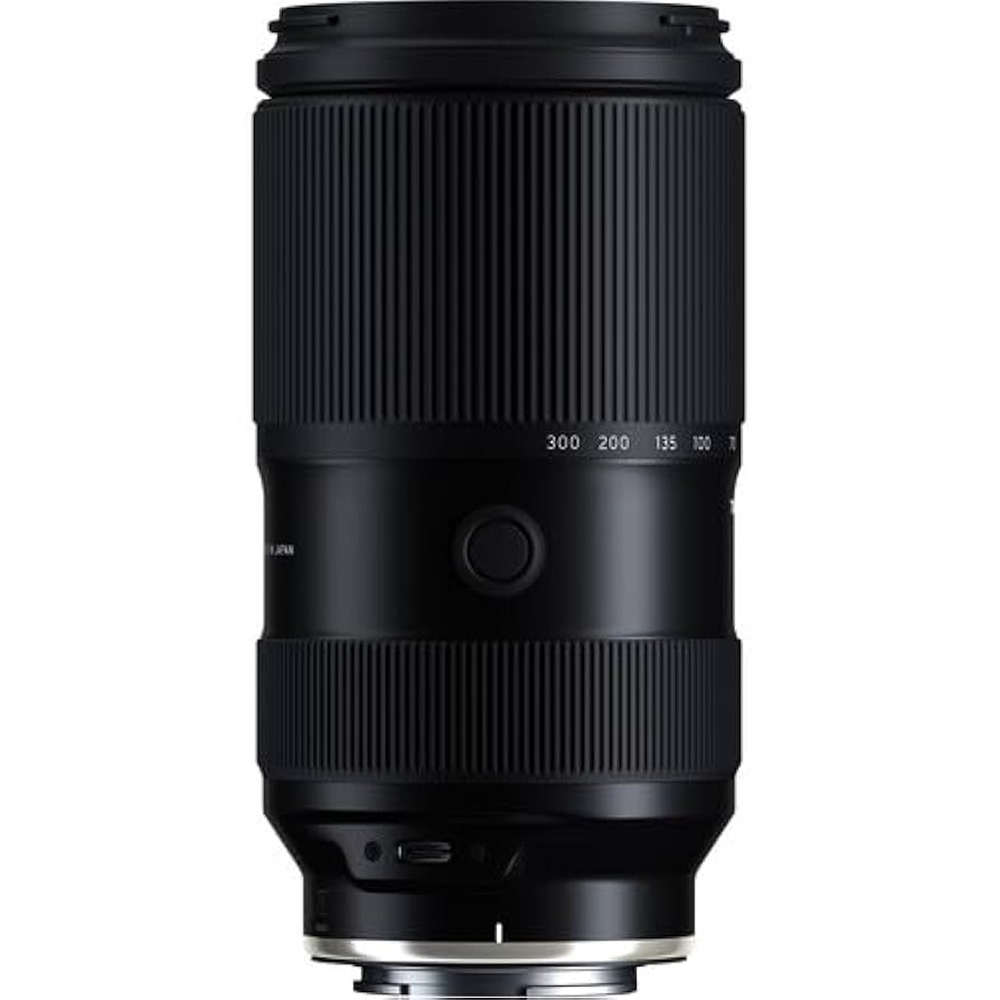
Credit: www.livescience.com
Tips For Using Lenses Effectively
Capturing stunning bird photos requires more than just a good camera. Using lenses effectively makes all the difference. Understanding lens techniques can elevate your bird photography. Here are essential tips to get the most from your lenses.
Techniques For Sharp Images
Keeping your camera steady is crucial. Use a tripod for stability. A fast shutter speed helps capture movement. This reduces blur from flapping wings. Focus on the bird’s eye for a sharp image. Continuous autofocus mode can track moving birds.
Get close to your subject with a telephoto lens. This lens brings distant birds into sharp focus. Position yourself for the best light. Morning or late afternoon offers soft, natural light. Avoid harsh midday sun for better results.
Choosing The Right Settings
Adjust the aperture for depth of field. A wide aperture isolates the bird from the background. This makes the bird stand out in the image. Use a high ISO in low light conditions. This increases the camera’s sensitivity to light.
Experiment with different settings. Find what works best for each situation. Practice makes perfect in bird photography. Learn to anticipate bird movements. This helps in capturing the perfect shot.
Frequently Asked Questions
What Camera Lens Is Best For Bird Photography?
A telephoto lens between 300mm and 600mm is ideal for bird photography. It allows capturing distant birds clearly and in detail. Fast autofocus and image stabilization features help track moving birds and reduce blur.
Are Zoom Lenses Good For Photographing Birds?
Yes, zoom lenses provide flexibility in framing birds at varying distances. A 100-400mm zoom lens is popular for birding, offering versatility without changing lenses often. They are convenient for unpredictable bird movements and different shooting environments.
Should I Use Prime Or Zoom Lenses For Birds?
Prime lenses offer sharper images and wider apertures for low light. Zoom lenses give versatility to adjust focal length quickly. For bird photography, a zoom lens like 200-500mm balances sharpness and flexibility well.
How Important Is Lens Aperture For Bird Photography?
A wide aperture (f/2. 8 to f/5. 6) helps in faster shutter speeds to freeze motion. It also creates a pleasing background blur, making the bird stand out. However, longer focal lengths often come with smaller apertures, so balance is key.
Conclusion
Choosing the right lens helps capture birds clearly and sharply. Telephoto lenses let you photograph birds from far away. Fast lenses perform better in low light or quick movements. Consider weight and size for easier carrying outdoors. A good lens makes bird photography more enjoyable and rewarding.
Keep your gear simple and practice often to improve skills. Every bird shot tells a unique story worth sharing.




