
Are birds constantly making a mess around your home? Their droppings, nests, and loud noises can quickly turn your peaceful space into a frustrating zone.
You want to protect your property without harming the birds, but where do you start? This guide will show you simple, effective ways to scare away birds from your house. By the end, you’ll have practical tips that work, helping you reclaim your space and enjoy a cleaner, quieter home.
Keep reading—your solution is just ahead.

Credit: www.amazon.ca
Common Bird Problems At Home
Birds near homes can cause many problems. They often create noise, mess, and damage. Understanding these issues helps protect your house and health. Knowing why birds pick your home is also key to keeping them away.
Damage Birds Cause
Birds can harm roofs, gutters, and vents. Their droppings are acidic and can erode paint and wood. Nests block drainage systems, causing water damage. Chewing on wires can create fire hazards. Over time, this damage leads to costly repairs.
Health Risks From Birds
Bird droppings carry bacteria and fungi. These can cause diseases like histoplasmosis and salmonella. Dust from feathers can trigger allergies and asthma. Bird mites and ticks may infest homes. This makes bird problems a health concern, not just a nuisance.
Why Birds Choose Your House
Birds seek food, water, and shelter near homes. Open trash bins and bird feeders attract them. Warm attics and eaves provide safe nesting spots. Shiny surfaces and reflective glass confuse birds, causing crashes. Identifying these factors helps stop birds from settling.
Physical Barriers To Keep Birds Away
Physical barriers are one of the most effective ways to keep birds away from your house. They prevent birds from landing, nesting, or entering areas where they cause damage or mess. Using physical deterrents means you don’t have to rely on chemicals or noisy devices, which can be disruptive or harmful.
Installing Bird Spikes
Bird spikes are strips with long, thin points that make it uncomfortable for birds to land on ledges or rooftops. They are easy to install and blend well with most building designs.
I once installed bird spikes on my porch ledges. The difference was immediate—no more pigeons lounging or leaving droppings. You can buy spikes in plastic or stainless steel, depending on your budget and how long you want them to last.
- Place spikes along window sills, roof edges, and signs.
- Make sure spikes cover the entire landing area for best results.
- Check periodically to clear any debris that may reduce effectiveness.
Using Netting And Screens
Netting and screens create a physical wall that birds cannot pass through. They’re perfect for protecting fruit trees, balconies, or open vents without blocking airflow or light.
When I used netting around my garden, the birds couldn’t reach the berries anymore, saving the harvest completely. Choose a mesh size small enough to keep even small birds out.
- Secure netting tightly to frames or hooks to prevent gaps.
- Use UV-resistant materials for longer durability outdoors.
- Regularly inspect for tears or loose sections.
Blocking Entry Points
Birds often find their way inside attics, chimneys, or vents through small openings. Sealing these entry points denies them shelter and nesting spots.
After sealing gaps around my roof and vents, I noticed fewer bird noises inside the house. Use wire mesh, caulk, or weather stripping to close holes while allowing ventilation.
- Look for gaps as small as half an inch where birds can squeeze in.
- Check around eaves, soffits, and attic vents carefully.
- Maintain these seals regularly to prevent new openings.
Have you checked your home for these easy fixes yet? Sometimes, just a few simple physical changes can make your house bird-free and peaceful again.
Visual Deterrents That Work
Visual deterrents offer a simple way to keep birds away from your house. Birds dislike sudden movements and shiny reflections. These tricks create discomfort and keep birds from settling near your home.
Reflective Objects
Reflective items scare birds by flashing bright light. Hang old CDs, aluminum foil strips, or mirrors near windows and garden areas. The sunlight bouncing off these objects confuses birds and scares them off.
Place reflective objects where birds usually perch. Move them often to maintain their effectiveness. Birds get used to static objects quickly.
Fake Predators
Birds fear natural enemies like owls and hawks. Placing fake predators near your home tricks birds into thinking danger is close.
Choose realistic models and position them in visible spots. Change their locations every few days. This stops birds from realizing the predators are fake.
Moving Decorations
Decorations that move with wind or touch can scare birds away. Wind chimes, pinwheels, and spinning garden stakes work well.
These items create movement and sound that birds dislike. Place them near entry points or common roosting spots. Their activity keeps birds alert and away.
Sound Repellents And Their Use
Birds can be beautiful and enchanting, but when they start making your house their home, they become less of a delight and more of a nuisance. Sound repellents offer a humane and effective way to encourage them to find another place to roost. This approach not only keeps your home bird-free but also ensures you maintain a peaceful environment without harming these feathered visitors. Let’s dive into different sound repellents and how to use them effectively.
Ultrasonic Devices
Ultrasonic devices are designed to emit sounds at frequencies that are unpleasant to birds but inaudible to humans. This makes them a popular choice for those seeking a discreet solution. Place these devices in areas where birds frequently gather, such as rooftops or garden areas.
While setting up, ensure the device covers the targeted area effectively. Consider testing the device for a few days to monitor its impact. Have you ever wondered if the frequency bothers other animals? Rest assured, they are typically designed to affect only birds.
Noise Makers
Noise makers can be an effective deterrent by creating an environment that birds find uncomfortable. Items like wind chimes, bells, or even tin cans can disrupt their peace. You might find that personalizing your noise makers adds a unique touch to your garden.
Some people use homemade noise makers, adding a personal flair to this method. Are you someone who enjoys a bit of DIY? Experiment with different materials to see which creates the most effective sound.
Timing And Placement Tips
Timing and placement are crucial for maximizing the effectiveness of sound repellents. Early morning and late afternoon are peak times when birds are most active. Position your devices and noise makers in strategic locations to disrupt their routine.
Consider rotating your devices and noise makers periodically. This prevents birds from becoming accustomed to the sound. Have you noticed a particular spot where birds congregate? Focus your efforts there for the best results.
Natural Repellents To Try
Natural repellents offer a gentle way to keep birds away from your house. They avoid harsh chemicals and work with the environment. These options provide safe and effective bird control. Using natural scents, plants, and sprays can reduce bird visits without harm.
Using Essential Oils
Essential oils smell strong and can deter birds easily. Oils like peppermint, eucalyptus, and citronella are disliked by birds. Place cotton balls soaked in these oils near entry points or garden areas. Refresh the oil every few days to keep the scent strong. This method is simple and safe for both pets and children.
Planting Bird-repellent Vegetation
Certain plants naturally keep birds away with their scent or texture. Try planting lavender, marigold, or rosemary around your house. These plants look nice and also act as a barrier. Birds avoid areas with these strong-smelling plants. Arrange them near windows, patios, or fruit trees to protect your space.
Homemade Spray Solutions
Homemade sprays are easy to make and effective. Mix ingredients like water, garlic, and hot pepper to create a bird-repellent spray. Use a spray bottle to apply on surfaces where birds perch. Spray regularly, especially after rain, to maintain protection. This solution keeps birds at bay without toxic chemicals.
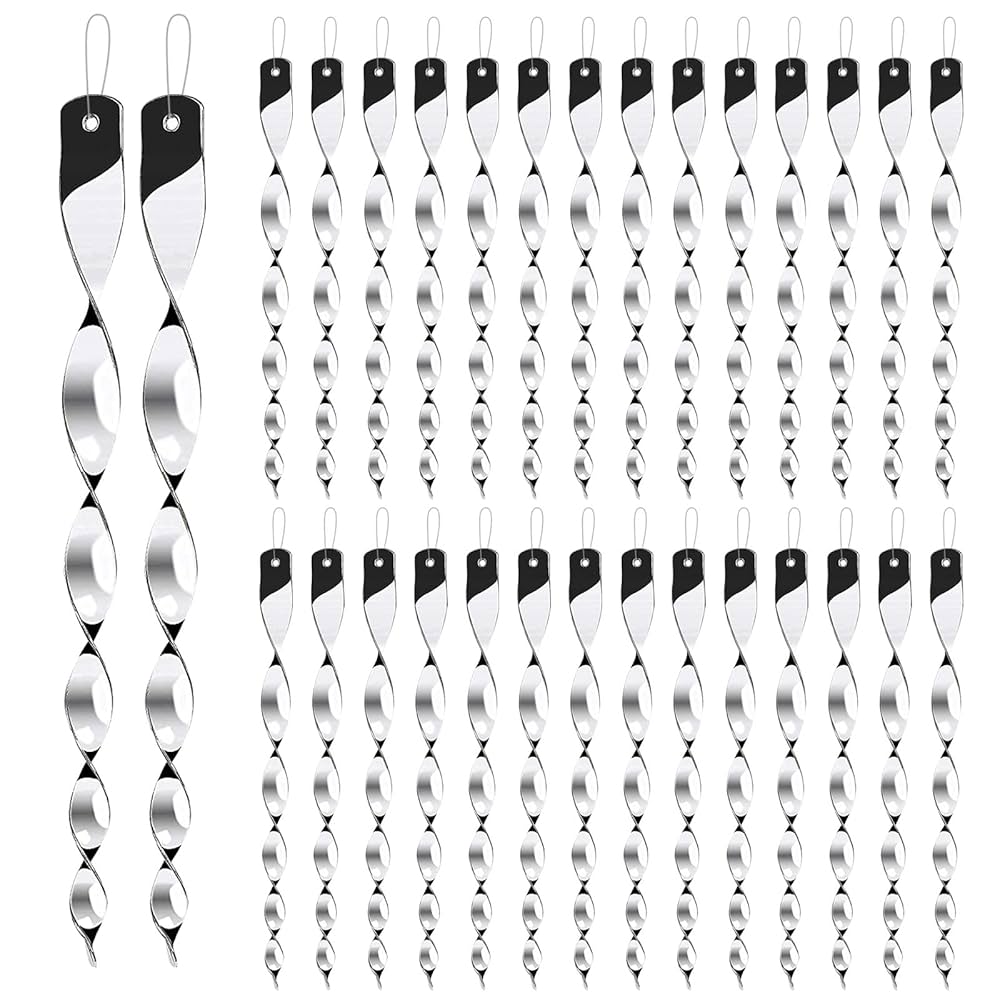
Credit: www.amazon.ca
Maintaining A Bird-unfriendly Environment
Creating an environment that birds avoid is key to keeping them away from your house. Birds come mainly for food and shelter. By removing these attractions, you reduce their visits effectively. Simple changes around your home can make a big difference.
Removing Food Sources
Birds are drawn to easy food. Avoid leaving pet food outside. Secure bird feeders and clean spilled seeds promptly. Fruit trees should be picked regularly to prevent fallen fruit. Cover compost bins tightly to stop birds from scavenging. Reducing available food cuts bird visits sharply.
Managing Waste Properly
Garbage can attract many birds. Use bins with tight-fitting lids. Avoid overfilling garbage cans. Store trash away from doors and windows. Clean bins often to remove food smells. Proper waste management makes your property less appealing to birds.
Regular Cleaning Routines
Birds prefer dirty places with leftover food. Sweep patios and porches regularly. Wash outdoor tables and chairs to remove crumbs. Clear gutters and drains to stop nesting. Remove bird droppings promptly to discourage returns. Regular cleaning keeps birds from settling around your home.
When To Call Professional Help
Knowing when to call professional help to scare away birds from your house can save you time, stress, and potential damage. Some bird problems are easy to handle on your own, but others require expert knowledge and tools. Recognizing the signs that indicate you need professionals can make all the difference in keeping your home safe and bird-free.
Signs You Need Experts
If you notice large flocks repeatedly roosting near your home despite your efforts, it’s time to get help. Birds nesting inside vents, chimneys, or attic spaces can cause structural damage and health risks. Persistent noise, droppings buildup, or damage to your property are clear signals that simple deterrents aren’t enough.
Have you tried multiple bird repellents without success? That’s another sign experts should step in. Professionals can also help if you’re unsure about the species involved or if the birds are protected by local laws, which means you must handle the situation carefully.
What Professionals Can Do
Experts bring specialized equipment and knowledge to address bird problems safely and effectively. They can install humane deterrents like netting, spikes, or sound devices designed to keep birds away without harming them. Professionals also know how to safely remove nests and clean affected areas to prevent future infestations.
Moreover, they can assess your property for vulnerabilities and suggest long-term solutions tailored to your specific situation. Have you ever wondered why some bird deterrents work better on certain homes? The answer lies in customized strategies that only experts can provide.
Costs And Considerations
Hiring professionals involves costs that vary depending on the severity of the problem and the methods used. Basic bird deterrent installation might cost a few hundred dollars, while extensive removal and repairs can be more expensive. It’s important to weigh these costs against potential damages and health risks caused by ignoring the issue.
Think about your budget and how quickly you want results. Sometimes investing in expert help upfront prevents costly repairs later. Remember, the right professional service will also comply with local regulations, ensuring that bird removal is done legally and ethically.

Credit: www.amazon.ca
Frequently Asked Questions
How Can I Keep Birds Away From My House?
Use bird deterrents like reflective objects, noise makers, or decoys. Seal entry points and remove food sources to discourage birds effectively.
What Natural Methods Scare Birds From Buildings?
Natural methods include hanging shiny objects, using predator decoys, or planting bird-repellent plants. These techniques deter birds without harming them.
Are Ultrasonic Bird Repellents Effective For Homes?
Ultrasonic repellents can help but results vary. Birds may get used to sounds, so combine with other methods for best results.
How Do I Stop Birds Nesting On My Roof?
Install bird spikes or netting on your roof. Regularly clean nests and block access points to prevent birds from settling.
Conclusion
Scaring birds away helps protect your home and garden. Use simple tools like reflective tape or noise makers. Change methods often to keep birds from getting used to them. Stay patient; results may take some time. Keep your space clean to avoid attracting birds.
Small efforts can lead to big improvements. Protect your home with care and consistency. Birds will learn to stay away. Enjoy a bird-free, peaceful environment around your house.




