
Want to give your bird bath a fresh new look that stands out in your garden? Painting your bird bath is a simple and rewarding way to add color and personality to your outdoor space.
But how do you make sure the paint lasts and looks great? In this guide, you’ll discover easy steps to transform your bird bath, protect it from the elements, and create a beautiful spot that attracts more feathered friends. Keep reading to find out how you can turn your bird bath into a charming garden centerpiece!
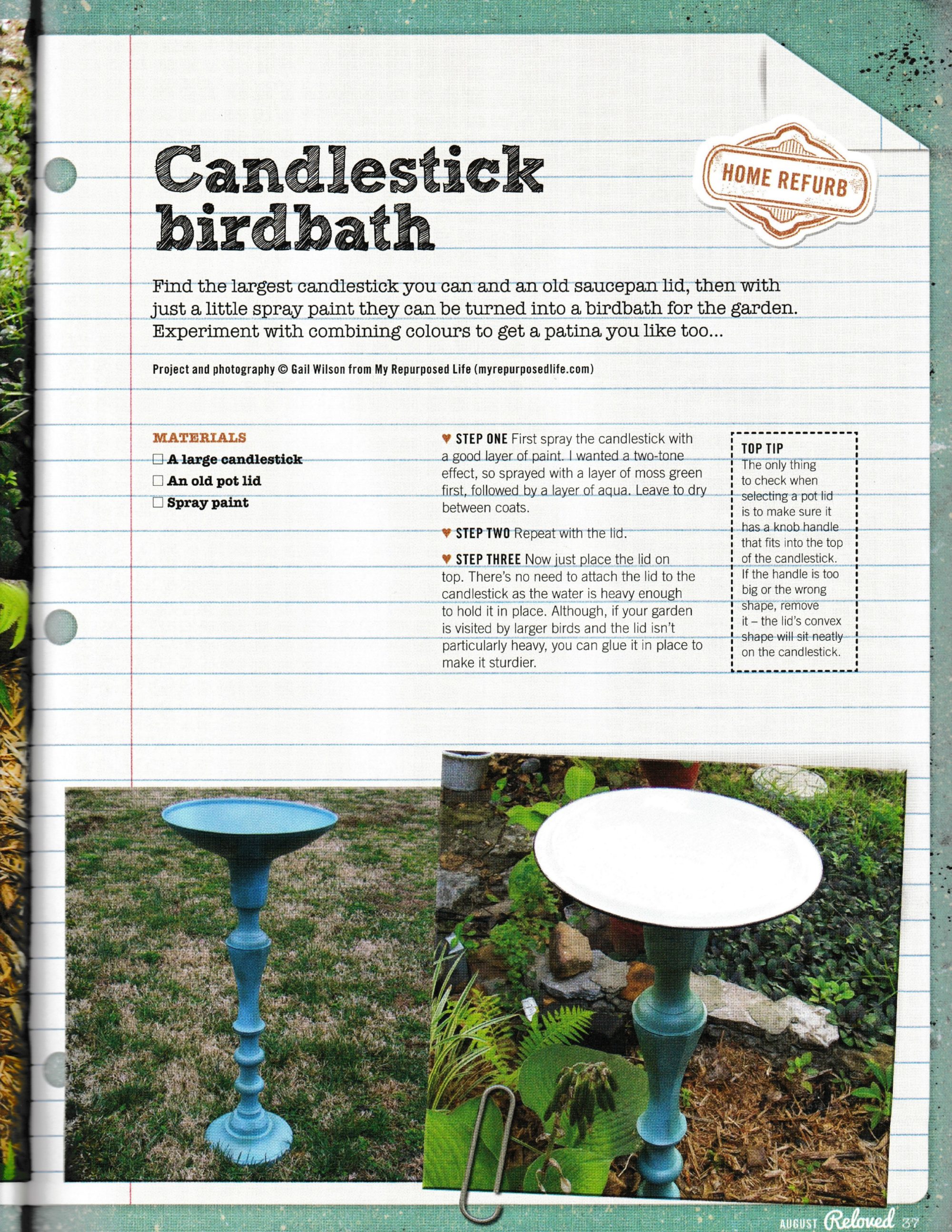
Credit: www.myrepurposedlife.com
Choosing The Right Paint
Choosing the right paint for your bird bath is essential to ensure it looks great and lasts through the seasons. The paint you pick must withstand outdoor conditions and be safe for birds. Taking time to select the right type, finish, and color can make your bird bath a charming and durable garden feature.
Types Of Paint Suitable For Bird Baths
Not all paints are created equal for outdoor water features. Acrylic latex paint is a popular choice because it is water-based, easy to apply, and durable. It also dries quickly and is less likely to peel over time.
Epoxy-based paints offer excellent waterproofing and strong adhesion, making them great for bird baths that hold water constantly. However, they can be harder to apply and require proper ventilation during use.
Avoid oil-based paints as they take longer to dry and may release harmful fumes. Also, steer clear of paints that contain toxic chemicals to keep your feathered friends safe.
Selecting Weather-resistant Options
Weather resistance is key since your bird bath will face rain, sun, and temperature changes. Look for paints labeled as exterior or outdoor paint. These formulations resist fading, cracking, and peeling under UV rays and moisture.
Adding a clear sealant or varnish designed for outdoor use can extend the life of your paint job. This extra layer protects against water damage and helps keep colors vibrant.
Think about where your bird bath sits. Does it get full sun or stay mostly shaded? This can influence the type of paint and protective finish you choose.
Color Choices And Their Impact
Colors do more than beautify; they affect bird behavior and your garden’s vibe. Light colors like soft blues and greens blend well with natural surroundings and attract more birds by mimicking water and foliage.
Bright colors such as red or yellow can stand out and add a pop of personality but might deter some shy species. Consider what types of birds you want to welcome to your space.
Also, darker colors absorb heat, which could warm the water too much on hot days. Think about your local climate before picking a color that might affect the comfort of your visiting birds.
Preparing The Bird Bath
Preparing your bird bath before painting is crucial for a lasting and beautiful finish. Skipping this stage can lead to peeling paint and a less attractive look. Taking the time to clean, sand, and repair ensures your bird bath will stand up to weather and time.
Cleaning And Removing Old Paint
Start by thoroughly cleaning your bird bath. Use warm water, mild soap, and a scrub brush to remove dirt, algae, and bird droppings. If old paint is peeling or flaking, gently scrape it off with a putty knife or wire brush to create a clean base.
Have you noticed how grimy surfaces stop paint from sticking? Removing all residue is essential. A clean surface means your new paint will adhere better and look smoother.
Sanding For A Smooth Surface
Once clean, sand the entire surface of the bird bath. Use medium-grit sandpaper to smooth out rough patches and feather the edges where old paint was removed. This step helps the new paint grip the surface more effectively.
Imagine painting over a bumpy wall—would the paint look neat? Sanding fixes that problem. Take your time; a smooth surface makes your paint job look professional.
Fixing Cracks And Damages
Inspect your bird bath for cracks or chips that could worsen over time. Use an outdoor-safe epoxy or filler to repair these areas. After the filler dries, sand it down so it blends seamlessly with the rest of the surface.
Ignoring small cracks can cause bigger issues later. Repairing now saves you from repainting or replacing the bird bath sooner than needed. Don’t rush this step—it’s key to durability.
Painting Techniques
Painting your bird bath can be a rewarding project that adds charm and personality to your garden. Using the right painting techniques ensures that the finish is smooth, durable, and visually appealing. The process involves careful preparation, applying a solid base, and then adding creative details to make your bird bath truly unique.
Priming The Surface
Priming is essential for a long-lasting paint job. Start by cleaning the bird bath thoroughly to remove dirt, algae, or old paint flakes. Use a primer designed for outdoor surfaces, especially if your bird bath is made of concrete or stone.
Apply the primer evenly with a brush or roller, covering every nook and cranny. This step helps the paint stick better and prevents peeling caused by moisture. Have you noticed how a good primer transforms rough surfaces into smooth canvases ready for paint?
Applying The Base Coat
Choose a weather-resistant, outdoor acrylic paint for your base coat. This type of paint withstands sun, rain, and freezing temperatures effectively. Use broad, even strokes to avoid streaks or thick patches.
Allow each coat to dry completely before applying the next. Two coats usually provide solid coverage and vibrant color. Think about the color that best complements your garden—are you going for something subtle or a bold statement?
Adding Decorative Details
This is where your creativity shines. Use smaller brushes or even stencils to add patterns, shapes, or nature-inspired designs like leaves or birds. You can also experiment with textured paint or sponging techniques to add depth.
Seal your artwork with a clear, waterproof sealant to protect it from weather damage. Your bird bath can become a centerpiece that reflects your style and invites more feathered visitors. What personal touch will you add to make it one-of-a-kind?

Credit: artloversaustralia.com.au
Sealing And Protecting
Sealing and protecting your bird bath after painting is essential to keep it looking fresh and to withstand outdoor conditions. Without proper protection, paint can chip, fade, or wash away, especially when exposed to water and weather. Taking the time to seal your bird bath ensures your hard work lasts and the surface remains vibrant and safe for birds.
Choosing The Right Sealant
Select a sealant designed for outdoor use and compatible with your paint type. Acrylic sealants work well with water-based paints, while polyurethane sealants offer extra durability for harsher weather. Consider a non-toxic, bird-safe option since your bird bath will be in direct contact with wildlife.
Look for sealants that provide UV protection to prevent color fading. Some sealants come with a matte finish, while others add gloss—decide which look fits your style. Don’t rush this step; the right sealant can extend the life of your paint job by years.
Applying A Protective Finish
Apply the sealant using a clean brush or spray, working in thin, even coats to avoid drips and bubbles. Cover every painted surface, including edges and undersides, to fully protect the bird bath. It’s a good idea to apply at least two coats for maximum durability.
Make sure to follow the sealant’s instructions on application temperature and humidity. If you’ve painted intricate designs, use a small brush for detailed areas to maintain precision. You’ll notice the paint colors become richer and more vibrant after sealing.
Drying And Curing Time
Allow each coat of sealant to dry fully before applying the next. Drying times vary—some sealants dry in a few hours, while others take longer. Patience here pays off; rushing the process can lead to peeling or uneven protection.
After the final coat, give your bird bath plenty of time to cure before placing it outdoors or adding water. This curing period ensures the sealant forms a tough, protective layer. Have you ever experienced paint peeling shortly after a project? Proper curing is often the missing step.
Maintenance Tips
Maintaining your painted bird bath keeps it looking fresh and lasts longer. Regular care protects the paint from fading and peeling. Simple habits help preserve both beauty and function.
Cleaning Painted Surfaces
Use a soft brush or cloth to clean the bird bath gently. Avoid harsh chemicals that can damage the paint. Mild soap and water work well for removing dirt and algae. Rinse thoroughly and let it dry fully before refilling.
Touching Up Paint
Check the bird bath for chips or cracks in the paint. Lightly sand the affected area to smooth the surface. Apply matching outdoor paint with a small brush. Allow the paint to dry completely before use to prevent peeling.
Seasonal Care Advice
In colder months, drain water to prevent freezing damage. Store the bird bath indoors or cover it to protect paint from harsh weather. Inspect for wear in spring and touch up as needed. Proper seasonal care extends the life of your bird bath.

Credit: www.dukemanorfarm.com
Frequently Asked Questions
How Do I Prepare A Bird Bath For Painting?
Clean the bird bath thoroughly with soap and water. Remove dirt, algae, and old paint flakes. Let it dry completely before painting.
What Type Of Paint Is Best For Bird Baths?
Use waterproof, non-toxic outdoor paint. Acrylic or enamel paints work well. They resist weather and are safe for birds.
How Many Paint Coats Are Needed On A Bird Bath?
Apply 2 to 3 thin coats for even coverage. Allow each coat to dry fully before the next application.
Can I Paint A Bird Bath While It Has Water?
No, always paint a dry bird bath. Water prevents paint adhesion and causes uneven drying and peeling.
Conclusion
Painting a bird bath can brighten your garden easily. Choose the right paint and clean the surface well. Apply paint in thin, even coats for best results. Let each coat dry fully before adding the next. This protects the bird bath and keeps colors fresh longer.
A painted bird bath adds charm and invites birds to visit. Enjoy your colorful creation and watch nature come alive. Simple steps lead to a beautiful outdoor space. Try it yourself and see the difference today.




