
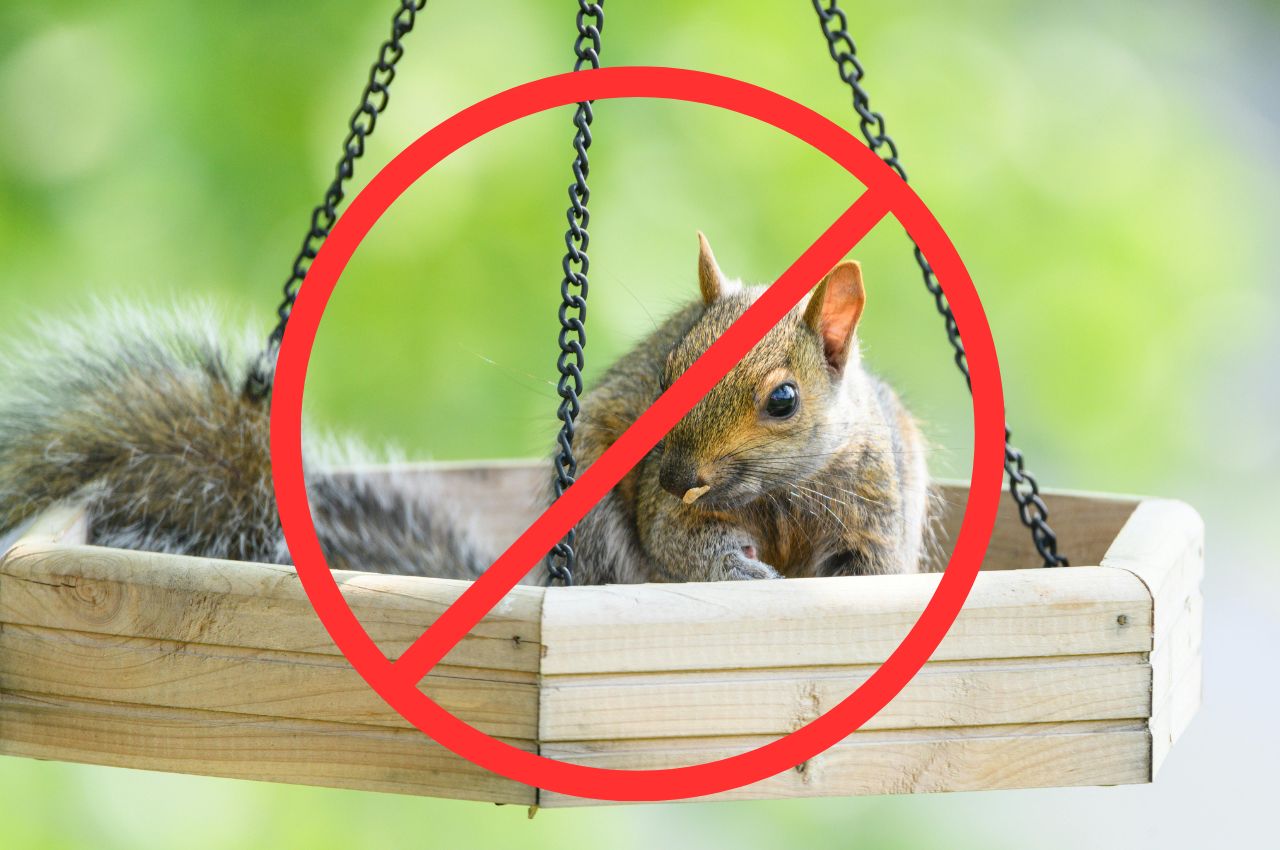
Are you tired of squirrels raiding your bird feeders and scaring away your feathered friends? You’re not alone.
These clever little creatures can turn your peaceful bird-watching into a frustrating battle. But what if you could enjoy watching birds without the constant squirrel interruptions? You’ll discover simple and effective ways to keep squirrels away from your feeders. By the end, you’ll have easy strategies that protect your bird food and bring back the calm, relaxing birdwatching experience you crave.
Keep reading, and say goodbye to those pesky squirrels for good!
Why Squirrels Target Bird Feeders
Squirrels often raid bird feeders, causing frustration for bird lovers. Understanding why squirrels target these feeders helps in finding ways to stop them. Squirrels are clever and persistent creatures. They find bird feeders an easy food source. Their natural habits and diet make bird feeders very appealing.
Squirrel Behavior And Diet
Squirrels are active and curious animals. They are always searching for food to store for winter. Bird feeders offer a steady supply of nuts and seeds. These foods are high in energy and easy to carry. Squirrels use their sharp teeth to open seed shells. They are skilled climbers and jumpers, making access easy.
Common Attraction Factors
- Easy access to food without much effort
- High-calorie seeds and nuts that squirrels love
- Protection from predators while eating
- Warmth and shelter near feeders in cold months
- Bright colors or shiny parts of feeders that catch their eye

Credit: www.popsci.com
Choosing Squirrel-resistant Feeders
Choosing the right squirrel-resistant feeder is a key step in protecting your bird feeders from these persistent visitors. The right feeder design can make a big difference in keeping squirrels away while still providing easy access for birds. Let’s look at what features and materials can help you make the best choice for your backyard.
Design Features To Look For
Look for feeders with built-in squirrel guards like cages or weight-sensitive perches. These features close off access when a squirrel tries to land, but stay open for lighter birds. Feeders with a dome or baffle above or below can also block squirrels from climbing down or jumping onto the feeder.
Consider feeders that hang from thin wires or poles with squirrel baffles. These setups make it harder for squirrels to jump or climb onto the feeder. Have you noticed how squirrels often avoid feeders that move or wobble? Some feeders use motion to discourage these agile creatures effectively.
Materials That Discourage Squirrels
Choose feeders made from metal or heavy-duty plastic rather than wood, which squirrels can chew through easily. Metal feeders are more durable and resistant to damage. Plastic feeders should be thick and tough enough to prevent squirrels from gnawing holes.
Some feeders have a slippery coating or finish that makes it difficult for squirrels to grip. These materials reduce their ability to cling and climb. Would you trust a feeder that squirrels can’t hang onto? That kind of material choice can save you a lot of frustration.
Placement Strategies To Avoid Squirrels
Choosing the right spot for bird feeders helps keep squirrels away. Placement strategies focus on making feeders hard for squirrels to reach. This protects birdseed and invites more birds to visit. Small changes in location can make a big difference. Understanding where and how to place feeders creates a squirrel-free feeding area.
Ideal Locations For Feeders
Place feeders far from trees and fences. Squirrels jump from these to reach feeders. Open areas with no nearby jumping points work best. Use poles or hooks in the middle of the yard. Sunlight and shade balance helps attract birds. Avoid windy spots that shake feeders and scare birds.
Using Distance And Barriers
Keep feeders at least 10 feet away from launching spots. Create barriers like baffles or cones on poles. These block squirrels from climbing up to feeders. Use smooth, slippery poles that squirrels cannot grip. Surround feeders with thorny branches or plants. This adds extra protection without harming birds.
Physical Barriers To Block Squirrels
Physical barriers offer a straightforward way to keep squirrels away from your bird feeders. These barriers create a tough obstacle that squirrels find hard to bypass, protecting your birdseed without harming the animals. Using the right tools lets you enjoy watching birds without the frustration of constant squirrel raids.
Baffles And Guards
Baffles are dome- or cone-shaped shields placed above or below feeders. They stop squirrels from climbing down poles or jumping onto feeders from above. You can install a metal or plastic baffle that spins when squirrels try to land on it, making access tricky.
Think about the placement of the baffle carefully. It needs to be far enough from nearby branches or structures squirrels could use as a bridge. Have you checked all possible squirrel entry points around your feeder lately?
Guards work similarly but often wrap directly around feeder poles. They create a slippery or unstable surface that squirrels can’t grip. A guard covered with smooth metal or plastic usually does the trick.
Cages And Enclosures
Cages are another great way to protect your bird feeder. These wire enclosures let birds fly in and out easily but keep squirrels out. The mesh size is small enough to block squirrels but large enough not to stress the birds.
You can buy ready-made squirrel-proof cages or build your own with hardware cloth. I once crafted a cage around my feeder, and the difference was immediate—squirrels gave up within days. Have you considered enclosing your feeder as a long-term solution?
Enclosures also help if you want to feed only certain bird species. They prevent larger animals from hogging the feeder, making your birdwatching more enjoyable. Think about the types of birds you want to attract and choose a cage design that suits them.
Natural Deterrents That Work
Keeping squirrels away from your bird feeders doesn’t have to mean harsh chemicals or complicated traps. Natural deterrents offer a gentle, effective way to protect your feathered friends’ food while maintaining a healthy garden environment. These solutions use what nature provides to encourage squirrels to look elsewhere without causing them harm.
Repellent Plants And Scents
Some plants naturally repel squirrels due to their strong smells or tastes. You can add garlic, mint, or chives around your bird feeder area to create an invisible boundary that squirrels dislike. Planting these nearby not only helps deter squirrels but also adds fresh herbs to your garden.
Essential oils like peppermint or eucalyptus can be powerful too. Dab a few drops on cotton balls and place them near your feeders. The strong scent confuses squirrels’ sensitive noses, making them less likely to approach.
Have you tried mixing these scents with your usual bird seed routine? Many gardeners find the combination creates a squirrel-free zone without scaring away the birds.
Taste And Texture Solutions
Squirrels avoid certain tastes and textures that birds don’t mind. Adding cayenne pepper or crushed red pepper flakes to your birdseed can keep squirrels at bay. Birds can’t taste the spice, but squirrels find it unbearable.
Another trick is to use sticky substances like petroleum jelly on feeder poles or baffles. The unpleasant, sticky feel discourages squirrels from climbing up. Just be careful to keep these applications away from bird perches to avoid bothering your visitors.
Think about the last time you touched something sticky unexpectedly—would you go back? Squirrels feel the same way. Using these textures strategically can save your feeders from unwanted guests.
Maintenance Tips To Keep Squirrels Away
Keeping squirrels away from bird feeders can be challenging. Regular maintenance is crucial. With consistent care, you can enjoy birdwatching without pesky interruptions. This section covers essential maintenance tips to keep squirrels at bay.
Regular Cleaning Routines
Clean feeders frequently to deter squirrels. Dirty feeders attract squirrels with leftover seeds. Use warm soapy water for cleaning. Ensure feeders are dry before refilling. This discourages mold and pests. A clean feeder is less appealing to squirrels.
Seed Management And Cleanup
Choose seeds that squirrels dislike. Safflower seeds are a good option. Avoid using mixed seeds. Squirrels find them attractive. Keep the ground clean under feeders. Fallen seeds can lure squirrels. Use a seed tray to catch spills. This minimizes attraction to the area.
Alternative Feeding Options For Squirrels
Squirrels are notorious for raiding bird feeders, leaving bird enthusiasts frustrated. Offering alternative feeding options can help. By creating separate spaces and providing the right food, you can keep both birds and squirrels happy. This approach reduces competition and maintains peace in your garden.
Separate Feeding Stations
Establish dedicated spots away from bird feeders. Squirrels are clever and persistent. Position these stations at a distance to keep them occupied. Use sturdy platforms or hanging feeders designed for squirrels. These stations attract squirrels, distracting them from bird feeders. Ensure they are easily accessible yet safe.
Providing Squirrel-friendly Food
Select foods squirrels love. Corn, nuts, and sunflower seeds work well. These foods are tasty and fulfilling for squirrels. Avoid placing these foods near bird feeders. Doing so encourages squirrels to stay at their designated spots. Keep the supply consistent to maintain their interest.

Credit: www.yahoo.com
Credit: www.beakybites.co.uk
Frequently Asked Questions
How Can I Keep Squirrels Away From Bird Feeders?
Use squirrel-proof feeders or install baffles on poles. Place feeders away from jumping spots like trees. Offer squirrel-friendly food separately to distract them effectively.
What Type Of Bird Feeder Prevents Squirrel Damage?
Choose feeders with weight-sensitive perches that close feeding ports under heavy weight. Metal or caged feeders also deter squirrels better than plastic ones.
Are Natural Repellents Effective Against Squirrels?
Yes, natural repellents like cayenne pepper or garlic spray can deter squirrels. Reapply often, especially after rain, for best results.
Can Feeder Placement Reduce Squirrel Visits?
Absolutely. Place feeders at least 10 feet away from trees or structures squirrels use to jump. Hanging feeders on thin, slippery wires also helps.
Conclusion
Squirrels can be a real nuisance around bird feeders. Using simple tricks helps keep them away. Try using baffles, spicy birdseed, or placing feeders in tricky spots. Regular cleaning and feeder maintenance also stop squirrels from coming back. Patience and consistency make a big difference.
Enjoy watching birds without the squirrel mess. Keep your feeders safe and your garden peaceful. Small steps bring big rewards in keeping squirrels off feeders.




