
Are you wondering if you can place your hummingbird feeder right next to your regular bird feeders? It’s a common question for anyone who loves watching all kinds of birds in their backyard.
You want to attract hummingbirds without scaring away the other feathered visitors. But is it really a good idea to keep these feeders side by side? Keep reading, and you’ll discover what experts say, what works best, and how to create a safe and happy space for every bird that visits your garden.
Your backyard birdwatching experience could change for the better with just a few simple tips.

Credit: www.kitchenparade.com
Hummingbird Feeder Placement
Hummingbird feeder placement plays a crucial role in attracting these tiny, vibrant birds to your garden. Positioning your feeder correctly ensures hummingbirds feel safe and can easily access the nectar. It also helps avoid conflicts with other birds and maximizes your chances of frequent visits.
Ideal Locations For Hummingbird Feeders
Choose a spot that offers partial shade to keep the nectar fresh longer, especially during hot days. Placing the feeder near flowering plants can attract more hummingbirds by providing natural food sources alongside the feeder.
Look for a location visible from a window so you can enjoy watching these fascinating birds up close. Avoid areas with strong winds or heavy foot traffic to keep the birds comfortable and undisturbed.
Distance From Regular Bird Feeders
Keep hummingbird feeders at least 10 to 15 feet away from regular bird feeders. This distance reduces competition and prevents larger birds from intimidating the hummingbirds.
Hummingbirds are territorial and may avoid areas crowded with bigger birds. Providing separate feeding zones helps maintain peace and ensures each species has its own space.
Safety Considerations
Place feeders where you can easily clean and refill them regularly to prevent mold and bacteria growth. Avoid hanging feeders near windows without decals or stickers, as hummingbirds often fly into glass because they can’t see it.
Consider adding a squirrel baffle or hanging the feeder in a spot that’s difficult for squirrels to reach. Protecting your feeder keeps the nectar for the hummingbirds and prevents damage.

Credit: www.yahoo.com
Feeder Types And Designs
Choosing the right feeder types and designs impacts which birds visit your yard. Different birds prefer different feeders, based on shape, size, and food offered. Hummingbirds and regular birds need feeders made especially for their feeding habits.
Placing hummingbird feeders near regular feeders can work well if you understand their differences. Proper feeder selection helps attract a variety of birds safely and comfortably.
Differences Between Hummingbird And Regular Feeders
Hummingbird feeders are small and bright. They often have red parts to attract hummingbirds.
They use nectar, a sugar-water mix. The feeder has tiny feeding ports for the hummingbird’s long beak.
Regular bird feeders come in many shapes:
- Tube feeders for seeds
- Platform feeders for mixed foods
- Suet feeders for high-energy food
These feeders have larger openings for birds like finches, sparrows, and cardinals. They are not made for nectar or tiny feeding tubes.
Choosing The Right Feeder For Your Yard
Place hummingbird feeders where they get shade and easy access. Keep them away from strong winds.
Regular feeders should be in open spots to avoid predators. Use feeders suited for the types of birds common in your area.
Maintain cleanliness by washing feeders often. This prevents mold and disease.
Separate feeders by a few feet. This reduces competition and stress among birds.
Feeding Habits And Behavior
Understanding the feeding habits and behavior of hummingbirds and other backyard birds is key to deciding whether you can place a hummingbird feeder near regular bird feeders. These habits shape how the birds interact with each other and with the feeders, influencing your garden’s bird activity and your enjoyment as a watcher.
Hummingbird Feeding Patterns
Hummingbirds feed frequently, often every 10 to 15 minutes during the day, because their fast metabolism requires constant energy. They prefer nectar from flowers or hummingbird feeders filled with a sugar-water mix, sipping for just a few seconds at each visit.
Unlike seed-eating birds, hummingbirds hover while feeding and need feeders designed with small ports. Their feeding is quick and precise, and they tend to defend their feeding territory aggressively, especially during peak nectar demand.
How Other Birds React To Hummingbird Feeders
Most seed-eating birds show little interest in hummingbird feeders because the nectar solution doesn’t appeal to them. However, some curious birds might investigate but usually do not feed on the nectar.
Placing hummingbird and regular feeders close can sometimes cause tension. Larger birds might dominate seed feeders, while hummingbirds guard their nectar sources. Have you noticed if your backyard birds respect each other’s space or compete aggressively?
Positioning feeders thoughtfully can reduce conflict. Try placing hummingbird feeders a few feet away from seed feeders to give each bird type its own feeding zone. This setup encourages peaceful coexistence and lets you observe a variety of bird behaviors without disturbance.
Preventing Feeder Conflicts
Placing a hummingbird feeder near regular bird feeders can sometimes lead to conflicts among your feathered visitors. Different bird species have unique behaviors and feeding habits, which might cause tension or even aggression around the feeding areas. Understanding how to prevent these conflicts ensures that all birds enjoy their meals peacefully and helps you create a harmonious birdwatching environment in your yard.
Tips To Avoid Aggression
Hummingbirds are known for their territorial nature, especially when protecting nectar sources. To reduce aggressive encounters, place the hummingbird feeder at least 10 feet away from regular seed feeders. This distance gives hummingbirds enough space to defend their feeder without constant interruptions.
Use multiple feeding stations for regular birds as well. Spreading out seed feeders prevents overcrowding and lowers competition, which often triggers aggressive behaviors. You might notice that certain birds prefer specific feeders, so diversifying feeder types and locations can keep peace among your visitors.
Managing Competition For Food
Competition for food is a common challenge when feeders are close together. You can manage this by providing feeders that cater to the different dietary needs of hummingbirds and other birds separately. Hummingbirds thrive on sugar water, while most other backyard birds prefer seeds or suet.
Keep feeders clean and consistently filled to minimize competition. If food is scarce, birds become more aggressive. Regular maintenance and timely refilling can prevent these conflicts and keep all birds coming back happily.
Maintenance And Cleaning
Keeping your hummingbird feeder and regular bird feeders clean is key to attracting healthy birds and preventing disease. Dirty feeders can harbor mold and bacteria that harm the birds you want to enjoy. Maintaining a regular cleaning routine not only protects your feathered visitors but also keeps your backyard a safe and inviting space.
Cleaning Schedules For Different Feeders
Hummingbird feeders and regular bird feeders need different cleaning schedules because of the types of food they hold. Nectar in hummingbird feeders can spoil quickly, especially in warm weather. You should clean hummingbird feeders at least twice a week, and more often if the weather is hot.
Regular bird feeders, which often hold seeds, don’t need cleaning as frequently but still require attention. Cleaning them once every two weeks is usually enough unless you notice mold or wet seeds. If you see clumps of seed or dust buildup, it’s time to clean regardless of schedule.
Preventing Mold And Contamination
Mold grows fast in sugary nectar and damp seed, and it’s dangerous for birds. To prevent mold, always empty and rinse feeders before refilling. Use a simple cleaning solution of hot water and vinegar or mild soap—avoid harsh chemicals that could harm birds.
Dry feeders completely before refilling to stop moisture buildup. Consider placing your feeders in shaded areas to slow down nectar fermentation and seed spoilage. Have you noticed how a little extra care in cleaning can change the number of birds visiting your feeders?
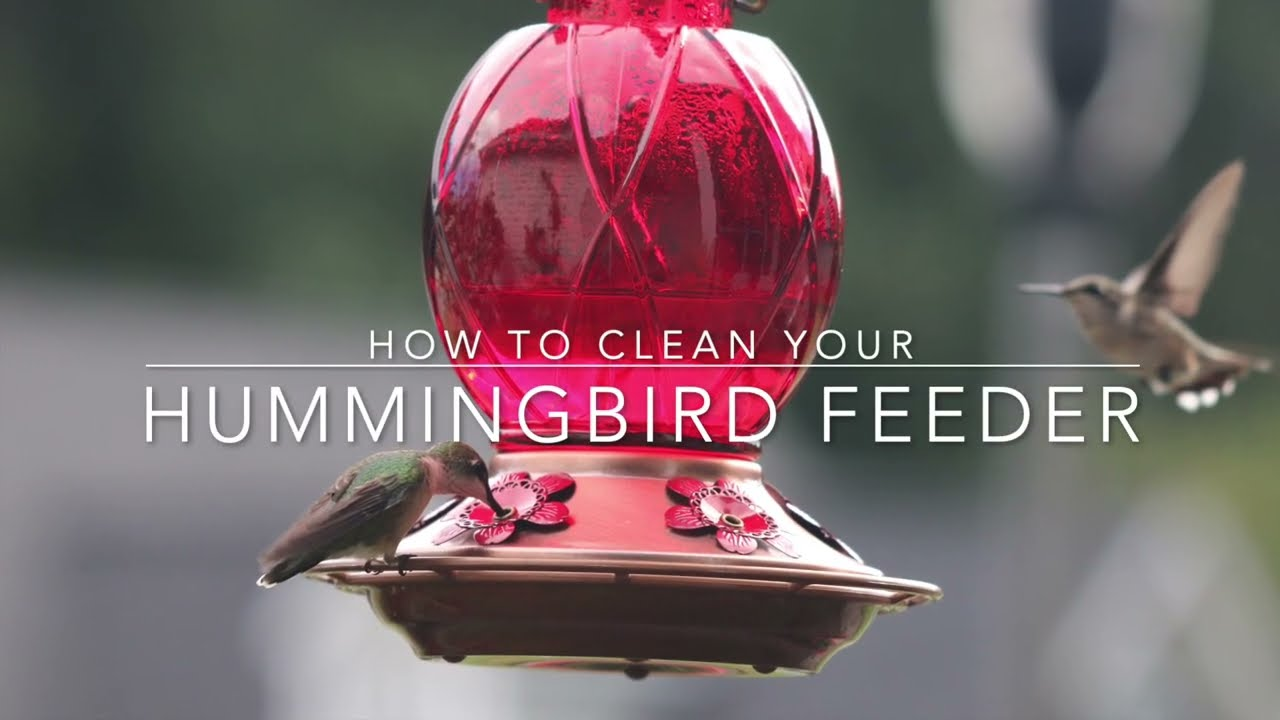
Credit: growcycle.com
Enhancing Your Backyard Birdwatching
Placing a hummingbird feeder near regular bird feeders can be a delightful experience. Hummingbirds and other birds often coexist peacefully. Ensure enough space to reduce competition and attract a variety of birds to your backyard.
Enhancing Your Backyard Birdwatching Transform your backyard into a bird paradise. Observing birds can be a soothing experience. Setting up feeders for both hummingbirds and regular birds attracts diverse species. This enhances your birdwatching experience right at home. Create a vibrant, inviting space for your feathered friends.Attracting A Variety Of Bird Species
Place feeders at different spots in your yard. This encourages various birds to visit. Use nectar feeders for hummingbirds. Seed feeders attract sparrows, finches, and cardinals. Offering different food types brings more species. Keep feeders clean to prevent diseases. Fresh food ensures regular visits.Creating A Bird-friendly Habitat
Plant flowers and shrubs for natural shelter. Native plants provide food and nesting spots. Add a birdbath for drinking and bathing. Water is essential for birds. Place feeders near trees or bushes. These offer protection from predators. Ensure safe, cozy places for birds to rest. A welcoming environment keeps them coming back.Frequently Asked Questions
Can Hummingbird Feeders Be Placed Near Regular Bird Feeders?
Yes, you can place hummingbird feeders near regular bird feeders. Keep them at least 10-15 feet apart to avoid competition and stress. This distance helps hummingbirds feel safe and reduces interference from larger birds feeding nearby.
Does Proximity Affect Hummingbird Feeding Behavior?
Proximity to other feeders can affect hummingbird feeding. Too close placement may cause hummingbirds to avoid the area due to aggressive birds. Maintaining some distance ensures hummingbirds feel secure and can feed peacefully.
How To Prevent Ants Near Hummingbird And Regular Feeders?
To prevent ants, use ant moats or place feeders on poles with ant guards. Clean spills regularly and avoid sugary residue. This keeps both hummingbird and regular feeders clean and pest-free.
Will Regular Feeders Attract Aggressive Birds Near Hummingbird Feeders?
Yes, regular feeders often attract aggressive birds like jays or squirrels. These can intimidate hummingbirds if feeders are too close. Separating feeders helps protect hummingbirds from bullying and ensures they get enough nectar.
Conclusion
Placing a hummingbird feeder near regular bird feeders works well with care. Keep feeders clean and fresh to attract more birds. Space them enough to avoid crowding and stress. Hummingbirds and other birds can share your yard happily. Watch how birds behave and adjust feeder spots if needed.
This setup brings more color and life to your garden. Enjoy the peaceful moments as different birds visit together. Simple steps help create a safe feeding space for all.




