
Have you ever wondered if the bird bath in your garden is truly safe for the birds that visit? You want to help these beautiful creatures, but could your good intentions be putting them at risk?
Understanding how to keep your bird bath clean and secure is key to making sure it’s a safe haven, not a hazard. Keep reading, because what you learn here could make all the difference to the health and happiness of your feathered friends.

Credit: www.birdfy.com
Benefits Of Bird Baths
Bird baths offer more than just a decorative touch to your garden. They serve vital roles that support the health and behavior of local bird populations. Understanding these benefits can help you create a safe and welcoming space for birds right outside your window.
Hydration And Cooling
Birds need fresh water for drinking, especially during hot and dry weather. A bird bath provides an easy and accessible source of hydration, which is crucial for their survival.
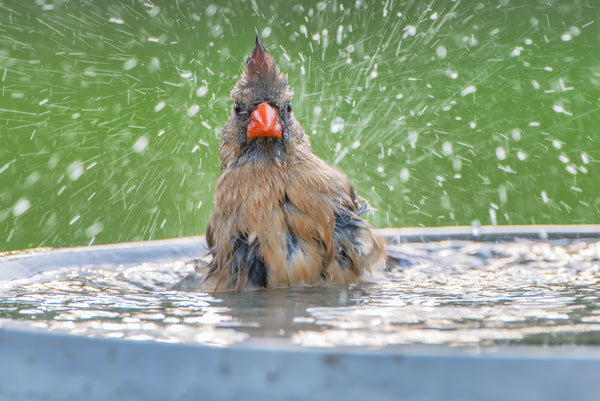
Beyond drinking, birds use water to cool down. On warm days, you might see them splashing around to lower their body temperature. Have you noticed birds visiting your garden more often during heatwaves? A bird bath could be their oasis.
Feather Maintenance
Birds rely on clean feathers to fly efficiently and stay warm. Regular bathing helps remove dust, dirt, and parasites that can accumulate.
Wet feathers also make preening more effective. When birds preen, they spread oils that waterproof their feathers, keeping them in top condition. Providing a bath supports this natural grooming behavior and contributes to their overall health.
Attracting Wildlife
Adding a bird bath can transform your garden into a lively wildlife hotspot. It attracts a variety of species beyond just birds, such as butterflies and small mammals.
Watching this diverse activity can bring unexpected joy and educational moments. Are you curious which birds might visit your area if you add a water source? The answer might surprise you and deepen your connection with nature.
Choosing The Right Bird Bath
Choosing the right bird bath is more important than you might think. It affects not only the safety of the birds but also how often they will visit your garden. A well-chosen bird bath invites a variety of birds while keeping them safe from harm.
Material Options
Bird baths come in many materials, including plastic, ceramic, stone, and metal. Each has pros and cons that impact the birds’ safety and your maintenance routine.
Plastic baths are lightweight and affordable but can crack in cold weather. Stone or ceramic feels natural and stays cool but can be heavy and breakable. Metal options are durable but may heat up quickly in the sun, risking bird burns.
Think about your local climate and how often you want to clean or replace the bath. Which material feels right for your space and the birds you want to attract?
Size And Depth Considerations
The size and depth of your bird bath determine how comfortable and safe it is for birds. Shallow water is safer because deep water can cause drowning, especially for smaller birds.
A depth of about 1 to 2 inches is ideal, and the bath should have gentle slopes or ledges for birds to perch on. Large bird baths can hold more water and attract bigger species, but smaller baths work well for tiny birds.
Would you prefer a bath that invites a wide range of birds or one focused on smaller species? Your choice here shapes the bird visitors you’ll see.
Design Features
Look for bird baths with features that enhance safety and ease of use. Non-slip surfaces prevent birds from slipping and injuring themselves.
A built-in fountain or dripper adds moving water, which attracts birds and helps prevent mosquito breeding. Drain plugs make cleaning easier, ensuring fresh water for your feathered friends.
Also, consider a design that’s easy to cover or drain during freezing weather. How do these design details fit with your lifestyle and local environment?
Placement Tips For Safety
Choosing the right spot for your bird bath can make all the difference in keeping your feathered visitors safe and happy. Placement is not just about aesthetics; it directly affects how birds use the bath and feel secure while doing so. Here are some practical tips to help you find the best location that balances safety with comfort.
Avoiding Predators
Birds need to feel safe from predators while they drink or bathe. Place the bird bath away from dense bushes or areas where cats and other predators could hide. Open spaces near trees or shrubs provide quick escape routes without giving predators a place to lurk.
I once placed a bath right next to thick bushes, and it was rarely used. Moving it to a more open area with nearby trees increased visits dramatically. Could you identify spots in your yard where birds can easily spot danger?
Sunlight And Shade Balance
Bird baths in full sun can heat up quickly, which might discourage birds from using them during hot days. On the other hand, too much shade can make the water cold and less inviting. Aim for a location that receives morning sun and afternoon shade to keep the water comfortable throughout the day.
Think about how the sun moves across your yard. Is there a spot that gets gentle sunlight but still offers protection during the hottest hours? This balance helps maintain fresh water longer and attracts more visitors.
Stable And Accessible Locations
Bird baths should be on a stable surface to prevent tipping or spilling. A flat, sturdy base reduces accidents and keeps the water clean. Avoid placing baths in areas with heavy foot traffic or where children and pets might disturb the birds.
Accessibility is just as important. Birds prefer spots where they can land easily and take off without obstacles. A low bird bath might be vulnerable to predators, but one placed too high could be hard for smaller birds to reach. Finding that perfect height matters for their comfort and safety.
Credit: sunnydazedecor.com
Cleaning And Maintenance
Cleaning and maintenance of bird baths keep birds safe and healthy. Dirty water can spread diseases among birds. Regular care prevents harmful bacteria and algae buildup. Clean bird baths also attract more visitors to your garden.
Frequency Of Cleaning
Bird baths need cleaning at least twice a week. In hot weather, clean them more often. Standing water quickly becomes dirty. Remove leaves, dirt, and droppings daily. Frequent cleaning helps keep the water fresh and safe.
Safe Cleaning Methods
Use mild soap and warm water for cleaning. Avoid harsh chemicals that harm birds. Rinse thoroughly to remove all soap. A solution of one part white vinegar to nine parts water works well. Scrub with a soft brush to remove grime. Let the bath dry before refilling.
Preventing Algae And Bacteria
Change the water daily to stop algae growth. Place the bird bath in a shaded area. Algae grows faster in sunlight. Add small, clean stones or pebbles for birds to perch on. These help keep the water moving slightly. Clean the bath regularly to prevent bacteria buildup.
Seasonal Care Adjustments
Seasonal changes demand different care approaches to keep your bird bath safe and inviting for birds throughout the year. Adjusting your maintenance routine based on the weather can prevent harm and encourage frequent visits from feathered friends. Here’s how you can manage your bird bath effectively across seasons.
Winter Precautions
Cold weather brings the risk of water freezing, which can be dangerous for birds. To avoid this, consider using a bird bath heater or replacing the water frequently to keep it from freezing.
Check the bath daily for ice buildup. If you notice ice, gently break it or swap in fresh water at temperatures above freezing. This simple step ensures birds always have access to safe drinking and bathing water.
Also, place the bath in a sunny spot to maximize natural warmth, but make sure it’s sheltered from harsh winds. Have you noticed how birds prefer sunny spots during the cold months? Positioning your bath wisely can make all the difference.
Summer Heat Management
High temperatures can cause water to evaporate quickly and encourage algae growth. To keep water fresh, refill the bath often—at least once a day during hot spells.
Shade the bird bath with nearby plants or a light cover to reduce direct sunlight. This not only cools the water but also offers birds a safe, shaded place to rest.
Clean the bath more frequently in summer to prevent harmful bacteria buildup. Have you ever seen birds avoid a dirty bath? Clean water keeps them healthy and happy.
Rainy Season Tips
Rain can fill your bird bath, but it can also introduce debris and dilute water quality. After heavy rains, check for leaves, dirt, and stagnant water that might attract mosquitoes.
Drain and refill the bath regularly during the rainy season to maintain clean water. Adding a small amount of gravel or stones at the bottom helps provide footing and prevents birds from slipping.
Consider placing your bird bath under a partial cover to reduce the amount of rainwater collected. How often do you inspect your bird bath after storms? Staying on top of this helps keep birds safe and encouraged to visit.
Common Hazards To Avoid
Standing water can breed mosquitoes and spread disease. Dirty baths may harm birds, so clean water often is best. Sharp edges and deep water also pose risks to safety.
Common Hazards to Avoid Bird baths offer a refreshing spot for birds. But, not all are safe. Certain hazards can harm birds. Here are some dangers to avoid.Toxic Materials And Chemicals
Bird baths made from harmful materials pose risks. Some metals release toxins. Avoid lead-based paints and sealants. Birds may ingest these toxins. Check for safe, bird-friendly materials.Standing Water Risks
Stagnant water is a breeding ground for bacteria. It attracts mosquitoes and spreads diseases. Change water regularly. Keep the bath clean to ensure bird safety.Unsafe Bath Designs
Some designs can be dangerous. Deep water can drown small birds. Slippery surfaces may cause falls. Use shallow, textured baths. Ensure birds can easily enter and exit.Encouraging Safe Bird Bath Use
Bird baths can be safe for birds if cleaned regularly and placed in a quiet, sheltered spot. Shallow water helps birds bathe easily without risk. Keeping water fresh prevents germs and keeps birds healthy.
Encouraging birds to safely use bird baths in your yard can be a rewarding experience. However, it requires some thoughtful planning and care. By ensuring your bird bath is a welcoming and safe spot, you can help your feathered friends thrive.Providing Fresh Water Regularly
Regularly changing the water in your bird bath is crucial. Stagnant water can quickly become a breeding ground for mosquitoes and harmful bacteria. Aim to refresh the water every couple of days to keep it clean and appealing. Adding a water agitator can help keep the water moving. This not only prevents mosquito larvae from developing but also attracts more birds. Birds are naturally drawn to the sound of moving water, so this is a win-win for you and your avian visitors.Supplementing With Food
Complement your bird bath with a nearby feeder. Offering a variety of seeds, nuts, and suet can entice more birds to visit. When birds find both food and water in your yard, they’re likely to return frequently. Consider adding seasonal treats. In the summer, provide fruits like apples or oranges, and in the winter, high-energy foods like sunflower seeds are perfect. This thoughtful gesture can make your yard a year-round haven for birds.Creating A Bird-friendly Environment
Think about the overall setting of your bird bath. Place it near shrubs or trees where birds can easily perch and feel safe. These natural elements offer protection from predators and harsh weather. Be mindful of your yard’s layout. Avoid placing the bird bath in open spaces where cats can easily pounce. Instead, choose a spot with good visibility for birds, allowing them to spot potential threats. By making these simple adjustments, you can transform your yard into a sanctuary for birds. What changes will you make today to ensure a safer environment for them?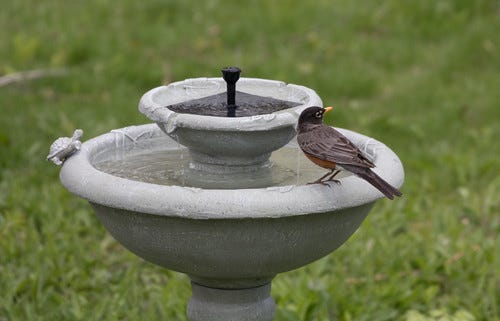
Credit: lauraerickson.substack.com
Frequently Asked Questions
Are Bird Baths Safe For All Bird Species?
Yes, bird baths are generally safe for most bird species. Ensure clean water and a shallow basin to prevent drowning and contamination risks.
How Often Should Bird Baths Be Cleaned?
Clean bird baths at least once a week. Regular cleaning prevents algae, bacteria, and mold, keeping birds healthy and safe.
Can Bird Baths Spread Diseases Among Birds?
Yes, dirty bird baths can spread diseases. Frequent cleaning and fresh water reduce disease transmission risks effectively.
What Is The Best Water Depth For Bird Baths?
A water depth of 1 to 2 inches is ideal. Shallow water helps birds bathe safely without drowning risks.
Conclusion
Bird baths can be safe for birds if kept clean and fresh. Dirty water can cause harm and spread disease. Place baths where birds feel safe and away from predators. Change the water regularly to keep it healthy. Use shallow baths with gentle slopes for easy access.
Watching birds enjoy baths brings joy and helps them stay cool. Simple care makes a big difference for bird safety. A clean bird bath invites happy, healthy visitors to your yard.




