
Have you ever wondered which bird people love to keep inside their homes? It’s not just about having a pet; it’s about bringing a little life, color, and joy into your everyday space.
This bird is special—it can brighten your mood, fill your rooms with cheerful sounds, and even become your loyal companion. If you’re thinking about adding a feathered friend to your life, this article will reveal the most popular choice and why it might be perfect for you.
Keep reading to discover the bird that could change your home and your happiness.
Credit: lafeber.com
Popular Pet Birds
Pet birds bring life and color to any home. They are lively, social, and often easy to care for. Many people choose birds as companions due to their cheerful nature and beautiful songs. Some birds are small and quiet, while others are playful and talkative. Here are some popular pet birds loved around the world.
Budgerigars
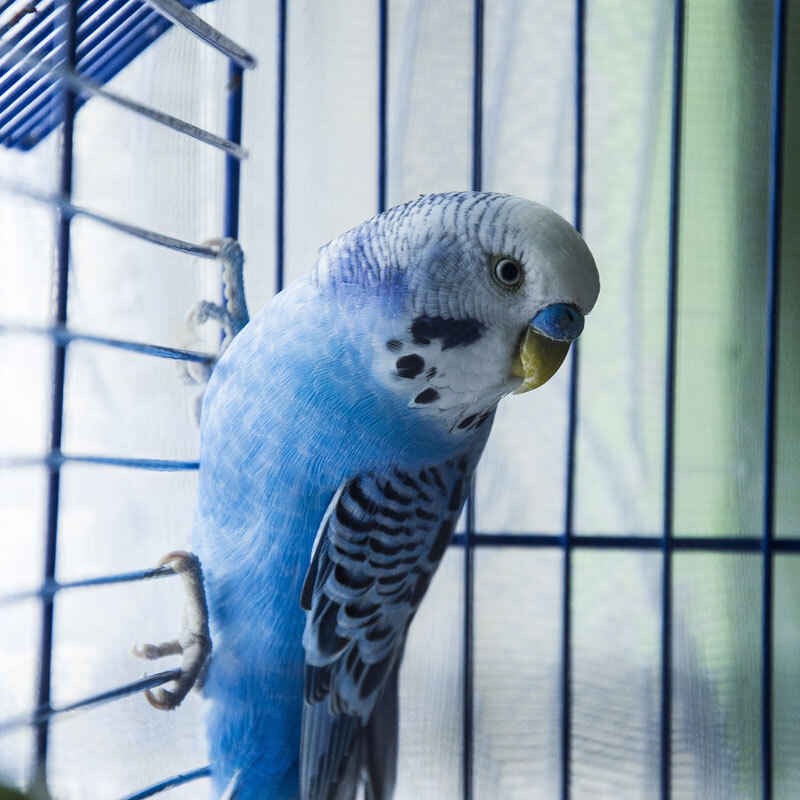
Budgerigars, also called budgies, are small and bright. They are easy to train and enjoy human company. Budgies come in many colors, including green, blue, and yellow. Their cheerful chirps make them a joyful addition to the home. They live well in cages and need daily interaction.
Canaries
Canaries are famous for their sweet singing. These small birds come in yellow, orange, and red shades. They prefer calm environments and sing most during the day. Canaries do not need much handling but enjoy fresh air and sunlight. Their songs bring calm and happiness indoors.
Cockatiels
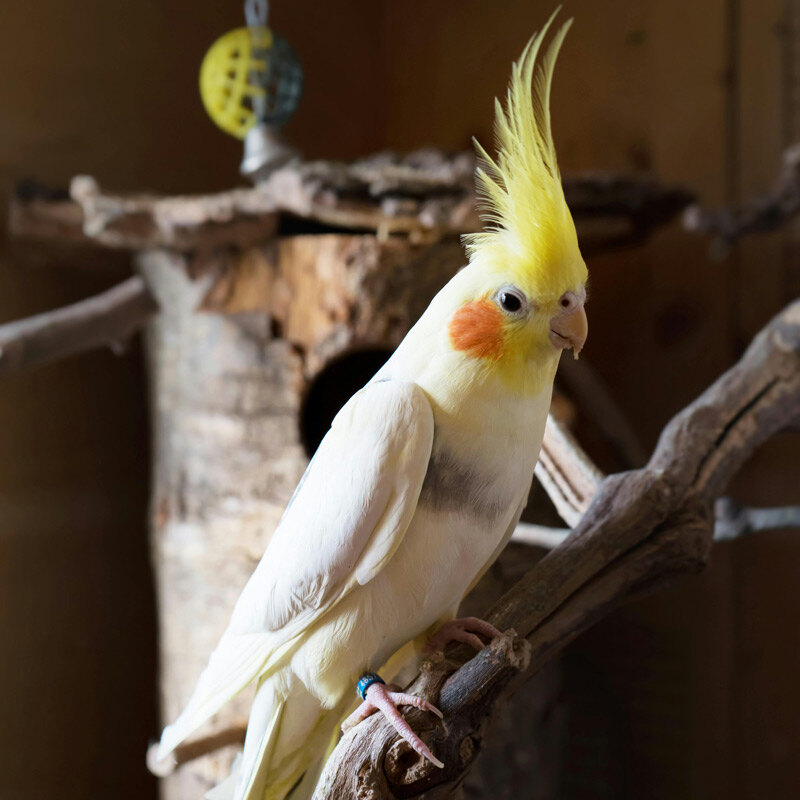
Cockatiels are gentle and friendly birds. They have a crest on their head and soft feathers. These birds can mimic sounds and whistles. Cockatiels enjoy being petted and playing with toys. They are a great choice for families with children.
Lovebirds
Lovebirds are small, colorful, and social. They get their name from their strong pair bonds. These birds love to cuddle and stay close to their partners. They are curious and enjoy exploring new toys. Lovebirds need attention and can become very tame.
Parrotlets
Parrotlets are tiny parrots with big personalities. They are bold and active, often showing playful behavior. These birds are easy to train and can learn tricks. Parrotlets come in vibrant colors like green, blue, and yellow. They prefer interaction and do well in small cages.
:strip_icc()/sun-parakeets-135559243-5b53f406c9e77c0037e36d6b.jpg)
Credit: www.thesprucepets.com
Choosing The Right Bird
Choosing the right bird for your home is more than just picking a pretty feathered friend. It requires understanding your living space, daily routine, and what kind of companion fits best with your lifestyle. Making the right choice ensures a happy bird and a harmonious household.
Size And Space
Birds come in all sizes, from tiny finches to larger parrots. Before bringing one home, think about the space you can dedicate to its cage and play area. A small apartment might suit a budgie or canary, while larger birds like cockatoos need room to stretch their wings.
Have you measured the area where the bird will stay? Remember, birds need more than just a cage—they thrive with room to move and explore safely.
Lifespan Considerations
Bird lifespans vary greatly. Some small birds live just 5 to 10 years, while larger parrots can live 50 years or more. Think about your long-term commitment and whether you can care for a bird through its entire life.
Ask yourself: Are you ready for a long-term relationship with your bird? This helps avoid future heartbreak and ensures you provide consistent care.
Noise Levels
Birds can be surprisingly loud. Some species are known for their chatter and calls, which might disturb neighbors or family members. Consider your tolerance for noise and the time you spend at home.
Think about your work schedule and whether you can handle a bird that vocalizes frequently. Quieter species like doves might be better if you prefer a calm environment.
Social Needs
Birds are social creatures, but their needs vary. Some enjoy constant interaction and become lonely without attention, while others are more independent. Understanding your availability helps pick a bird that fits your social routine.
Have you thought about how much time you can spend playing, talking, or training your bird daily? Meeting their social needs keeps them healthy and happy.
Bird Care Basics
Budgies are popular pet birds known for their bright colors and friendly nature. They need fresh food, clean water, and daily attention to stay healthy and happy. Simple care helps them thrive in home environments.
Birds are popular pets in many households. They bring joy and color with their vibrant feathers and cheerful songs. To keep them healthy and happy, understanding bird care basics is essential.Diet And Nutrition
Birds need a balanced diet for good health. Fresh fruits and vegetables are crucial. Seeds and pellets provide necessary nutrients. Avoid chocolate and avocado as they can harm birds. Clean, fresh water should always be available.Housing And Environment
Birds need a spacious cage for movement. Place the cage away from direct sunlight. Ensure proper ventilation. A variety of perches helps exercise their feet. Include toys to prevent boredom.Health And Hygiene
Regular cage cleaning prevents diseases. Remove waste daily. Replace water and food dishes with clean ones. Watch for signs of illness like feather loss or lack of energy. Consult a vet if needed.Exercise And Enrichment
Birds need exercise to stay fit. Allow them to fly in a safe room. Provide climbing structures inside the cage. Interactive toys stimulate their minds. Rotate toys regularly to keep them engaged.Training And Interaction
Training and interaction play a key role in keeping a happy and healthy bird at home. Birds thrive on attention and mental challenges. Regular training sessions create trust and improve their behavior. Interaction strengthens your bond and keeps your bird active and engaged.
Bonding With Your Bird
Spend time near your bird daily. Speak softly and offer gentle touches. Let your bird explore your hand and shoulder. Patience helps build trust over time. Use treats as rewards to encourage positive behavior. A strong bond reduces fear and stress.
Basic Commands
Teach simple commands like “step up” and “stay.” Use clear, consistent words during training. Reward your bird immediately when it follows a command. Keep training sessions short, about 5 to 10 minutes. Repetition helps your bird learn faster. Avoid punishment; focus on positive reinforcement.
Handling Behavioral Issues
Identify the cause of unwanted behavior. Common problems include biting, screaming, and feather plucking. Stay calm and avoid yelling. Redirect your bird’s attention to toys or activities. Create a routine to reduce anxiety. Consult a vet or trainer if problems persist.
Common Challenges
Keeping a bird in your home can bring joy and companionship, but it also comes with its own set of challenges. Understanding these common issues helps you prepare better and ensure a happier life for both you and your feathered friend. Let’s look at some of the typical hurdles bird owners face and how you might handle them.
Health Problems
Birds are delicate creatures that can develop health issues if not cared for properly. Respiratory infections, feather plucking, and nutritional deficiencies are among the most common problems.
Regular vet check-ups and a balanced diet can prevent many of these conditions. Have you noticed any unusual behavior or changes in your bird’s appearance? Early detection is key to effective treatment.
Allergies And Sensitivities
Some people may develop allergies to bird feathers, dander, or droppings. Even if you don’t have allergies, your family or guests might react to airborne particles.
Cleaning the bird’s cage daily and using air purifiers can reduce allergens. Are you prepared to manage potential sensitivities in your household?
Noise And Mess
Birds are naturally noisy, and their chirping or squawking can sometimes disturb your peace. Additionally, their feathers, seeds, and droppings can create messes around the cage.
Setting up a dedicated space for your bird and maintaining a regular cleaning routine can help control noise and mess. What strategies do you have in place to keep your home bird-friendly without sacrificing comfort?
Benefits Of Keeping Pet Birds
Keeping a pet bird offers many benefits. Birds bring joy and liveliness into any home. They are not only beautiful but also provide emotional support. Their presence helps create a warm and welcoming atmosphere. Pet birds are easy to care for and can fit into small living spaces. Below are some key benefits of having a pet bird.
Companionship
Birds make great companions. They can bond closely with their owners. Their cheerful chirps and songs brighten up quiet moments. Birds respond to attention and often enjoy interaction. They help reduce feelings of loneliness. Having a pet bird means always having a little friend nearby.
Mental Stimulation
Birds are intelligent creatures. Watching them play and explore keeps the mind active. Their curiosity encourages owners to engage with them regularly. Training a bird offers fun challenges and rewards. This interaction helps both the bird and owner stay sharp. Mental stimulation is important for a bird’s health and happiness.
Aesthetic Appeal
Pet birds add beauty to any room. Their colorful feathers brighten the space naturally. Watching them move gracefully is calming and pleasant. Birds bring a touch of nature indoors. They can become a living decoration that changes daily. Their presence makes homes feel more lively and inviting.
Credit: lafeber.com
Frequently Asked Questions
What Bird Is Most Commonly Kept As A Pet?
The budgerigar, or budgie, is the most common pet bird. They are small, colorful, and easy to care for. Budgies are social and enjoy interacting with humans, making them ideal pets for beginners and families.
Why Do People Choose Birds As House Pets?
Birds are chosen for companionship, beauty, and low maintenance. They offer cheerful sounds and bright colors. Birds also require less space compared to other pets, making them perfect for indoor living.
How Do I Care For A Pet Bird At Home?
Provide a balanced diet, fresh water, and a clean cage. Regular social interaction and mental stimulation are crucial. Ensure proper lighting and avoid exposure to toxic fumes or drafts for healthy birds.
Are Certain Birds Better Suited For Indoor Living?
Yes, small birds like budgies, canaries, and finches adapt well indoors. They need safe, comfortable cages and daily care. These birds thrive in controlled environments with attention to their social and physical needs.
Conclusion
Keeping a bird at home brings joy and calm to daily life. These birds are easy to care for and friendly to people. They brighten rooms with their colors and songs. Many enjoy watching their playful behavior every day. Choosing the right bird makes a happy home.
Birds teach patience and love through simple care. They fit well in small spaces and busy homes. A bird’s company can make any day better. Small, lively, and full of charm – a perfect pet.




