
Have you ever noticed a bird in a cage staring intently at a mirror? It’s not just a random habit—there’s a surprising reason behind this behavior.
If you’ve ever wondered why birds seem so fascinated by mirrors, you’re about to discover some fascinating insights that can change how you care for your feathered friend. Understanding this simple yet powerful attraction can help you make your bird’s environment happier and healthier.
Keep reading, and you’ll learn exactly why mirrors matter to caged birds—and how you can use this knowledge to improve their daily life.

Credit: www.reddit.com
Birds And Mirrors
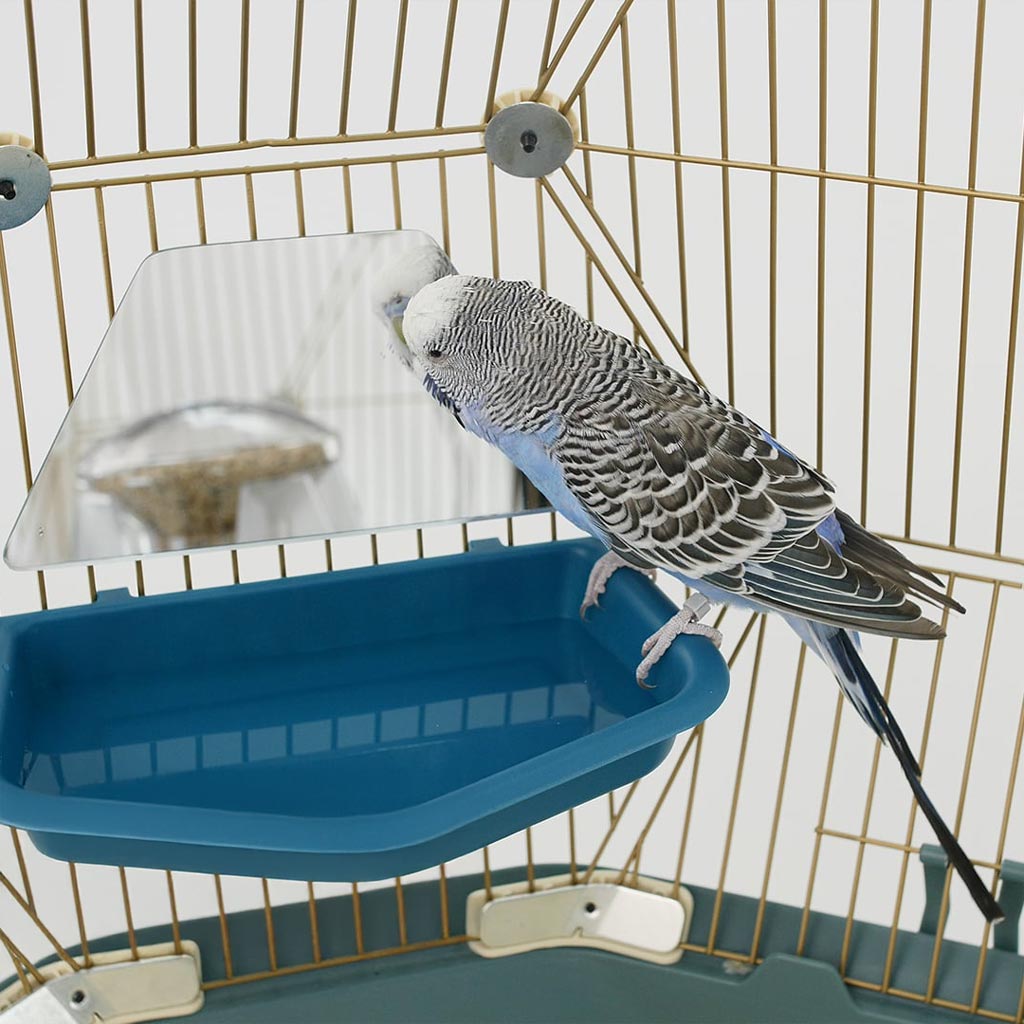
Many pet birds enjoy looking at mirrors inside their cages. Mirrors catch their attention and keep them busy. Birds may see their reflection as another bird or a friend.
Understanding why birds like mirrors helps owners give better care. It also shows how birds think and react to their environment.
How Birds See Their Reflection
Birds see their reflection as if it is another bird nearby. Their brains do not always realize the image is themselves. This can make birds curious or excited.
The mirror shows a clear image, so birds pay close attention. Some birds may try to communicate or play with the reflection.
- Birds do not have self-recognition like humans.
- They often think the reflection is a new companion.
- Reflections can trigger social behaviors in birds.
Common Bird Reactions To Mirrors
Birds show many reactions when they see a mirror. Some become friendly and try to interact with the image. Others may act aggressively or be scared.
Reactions depend on the bird species and personality. Some birds enjoy mirrors for hours. Others may lose interest after a short time.
- Friendly birds may sing or talk to the mirror.
- Some birds try to feed or touch their reflection.
- Aggressive birds may peck or attack the mirror.
- Shy birds might avoid the mirror completely.
- Many birds use mirrors to reduce boredom.
Psychological Benefits
Birds kept in cages often face boredom and loneliness. Mirrors can help improve their mental health. They offer psychological benefits by interacting with birds’ natural instincts.
Understanding these benefits helps bird owners provide better care. Mirrors can reduce stress and keep birds active.
Companionship Through Reflection
Birds see their reflection in mirrors and think it is another bird. This reflection gives them a sense of companionship. It helps birds feel less alone in their cage.
Reducing Loneliness And Stress
Loneliness causes stress and anxiety in caged birds. Mirrors help lower these feelings. The reflection acts like a friend, calming the bird.
- Provides a constant presence
- Helps reduce fear and anxiety
- Encourages social behavior
- Improves overall mood
Stimulating Mental Activity
Mirrors also keep birds mentally active. They watch and interact with their reflection. This stimulation prevents boredom and supports brain health.
| Benefit | Effect on Bird |
| Reflection Interaction | Encourages play and curiosity |
| Visual Stimulation | Keeps the bird alert |
| Social Simulation | Promotes natural behaviors |
| Stress Reduction | Improves emotional well-being |
Behavioral Effects
Birds kept in cages often show changes in their behavior. Mirrors can affect these behaviors in different ways. They may influence how birds play or act around others.
Understanding these effects helps bird owners provide better care. It also helps keep birds mentally active and less stressed.
Encouraging Play And Exploration
Mirrors can stimulate birds to explore their surroundings. Birds often see their reflection as another bird. This can make them more curious and playful.
- Birds may sing or chirp more near mirrors.
- They might try to interact with their reflection.
- Mirrors can reduce boredom by offering visual interest.
- Some birds use mirrors to practice social behaviors.
Impact On Aggression And Territoriality
Mirrors can sometimes cause birds to act aggressively. They may see their reflection as a rival bird. This can lead to territorial behaviors.
| Behavior | Possible Cause |
| Pecking or attacking the mirror | Seeing a rival bird |
| Increased vocalization | Warning off the “intruder” |
| Displaying feathers | Trying to show dominance |
| Restlessness | Stress from perceived threat |
Species That Respond Best
Many birds enjoy looking at mirrors in their cages. They see their reflection and react to it in different ways. Some species like mirrors more than others.
Understanding which birds respond best to mirrors helps owners choose the right toys. Birds use mirrors to play, explore, or feel less lonely.
Parrots And Their Mirror Fascination
Parrots are smart and curious birds. They often like mirrors because they think the reflection is another bird. This can keep them busy and entertained.
Some parrots talk to their mirror image. They may try to interact or play with it. Mirrors can help reduce boredom in parrots.
Finches And Budgerigars
Finches and budgerigars also react well to mirrors. They are small birds that enjoy company. A mirror can give them a sense of a friend nearby.
These birds may sing or chirp at their reflection. This behavior shows they feel less alone. Mirrors can make their cage more lively and fun.
Potential Downsides
Birds often enjoy mirrors in their cages. They see their reflection and think it’s another bird. This can lead to issues.
While mirrors can be fun, they may cause problems for birds. Let’s explore these potential downsides.
Overattachment To Mirrors
Birds can become too attached to mirrors. They spend lots of time interacting with their reflection. This can limit their social behavior with real birds or humans.
- Less interest in playing with toys
- Reduced interaction with caretakers
- Increased time spent near the mirror
Signs Of Mirror-induced Stress
Some birds show stress when they have a mirror. They may not understand the reflection. This confusion can cause anxiety.
| Behavior | Possible Indication |
| Feather plucking | Stress or anxiety |
| Aggressive pecking at mirror | Frustration |
| Excessive vocalization | Seeking attention |

Credit: www.amazon.com
Safe Mirror Use Tips
Birds in cages often like mirrors because they see their reflection. The mirror can keep them company and reduce boredom.
Using mirrors safely is important. Some mirrors can cause stress or harm if not chosen or placed correctly.
Choosing The Right Mirror
Select mirrors made for birds. Avoid glass mirrors that can break and hurt your bird. Use plastic or acrylic mirrors instead.
Make sure the mirror is small enough to fit inside the cage. It should be light and easy to clean.
- Use plastic or acrylic mirrors only
- Pick a size that fits the cage
- Choose mirrors with smooth edges
- Avoid breakable glass mirrors
Placement And Monitoring
Place the mirror where your bird can see it but not get too close. Avoid placing it near food or water dishes.
Watch your bird’s behavior. If it becomes aggressive or stressed, remove the mirror. Some birds may become obsessed with their reflection.
- Keep the mirror at bird’s eye level
- Do not place near food or water
- Check for signs of stress or aggression
- Remove the mirror if the bird shows bad behavior
Credit: chooks.co.nz
Frequently Asked Questions
Why Do Caged Birds Enjoy Mirrors?
Caged birds see mirrors as companions. They feel less lonely and more secure. Mirrors stimulate their curiosity and reduce boredom. This interaction mimics social behavior, improving their mental health and happiness inside the cage.
Can Mirrors Reduce Bird Stress In Cages?
Yes, mirrors help reduce stress in caged birds. Seeing their reflection provides comfort and distraction. It helps prevent anxiety caused by isolation. However, mirrors should not replace social interaction or proper care.
Do All Bird Species Like Mirrors?
Not all birds respond the same to mirrors. Some species enjoy mirrors more, especially social birds. Others might ignore or become aggressive toward reflections. Understanding your bird’s behavior helps decide if a mirror is beneficial.
How To Safely Use Mirrors For Pet Birds?
Place mirrors securely to avoid injury. Ensure the mirror is clean and unbreakable. Monitor your bird’s behavior to prevent obsession or aggression. Use mirrors as enrichment, not a substitute for interaction.
Conclusion
Birds enjoy mirrors because they see a friend nearby. The mirror helps reduce their loneliness in cages. It also keeps them busy and less stressed. Birds may sing, talk, or preen when they see their reflection. This simple object brings comfort and joy to caged birds.
Still, owners should watch their birds’ behavior around mirrors. Too much time with mirrors might cause confusion or frustration. Balance mirror use with real interaction and care. A mirror is a small way to make a bird’s life happier indoors.




