
Are you curious about owning a bird that stands out from the usual pet parrot or canary? Exotic birds bring vibrant colors, unique personalities, and fascinating behaviors into your home.
But which ones can you actually own? Whether you’re dreaming of a lively macaw or a charming cockatoo, knowing your options is key. This guide will help you discover the exotic birds that fit your lifestyle and home. Ready to find your perfect feathered friend?
Keep reading to learn more!

Credit: www.wildlifenomads.com
Popular Exotic Birds
Choosing an exotic bird as a pet can add a splash of color and personality to your home. Popular exotic birds are admired not just for their looks but also for their unique behaviors and sounds. Understanding the different types can help you decide which bird fits your lifestyle and space best.
Colorful Parrots
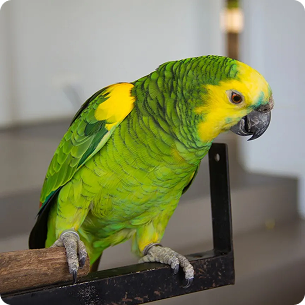
Colorful parrots stand out with their bright feathers and lively personalities. Birds like the African Grey and Amazon parrots are known for their intelligence and ability to mimic sounds. If you enjoy teaching tricks and having a chatty companion, a parrot might be your perfect match.
These birds need mental stimulation and social interaction daily. Do you have the time to engage with a pet that thrives on attention? Their vibrant colors make them a joyful addition, but their care requires commitment.
Elegant Cockatoos
Cockatoos impress with their striking crests and affectionate nature. They often form strong bonds with their owners, showing loyalty and playful behavior. However, they can be loud and demand a lot of attention, which is worth considering before bringing one home.
Have you considered how much noise level is acceptable in your living environment? Cockatoos also enjoy chewing, so providing safe toys is essential. Their elegant appearance often draws people in, but their personality keeps you engaged.
Vibrant Macaws
Macaws are among the largest and most colorful of exotic birds. Their bold feathers come in reds, blues, and greens, making them visually stunning pets. They are social birds that thrive on interaction and require spacious living conditions.
Owning a macaw means preparing for a long-term relationship, as they can live for decades. Are you ready for such a commitment? Their intelligence and playful nature can bring endless joy but also demand patience and understanding.
Rare Bird Species
Rare bird species offer a unique charm for exotic bird enthusiasts. Owning one of these birds means embracing not just their beauty but also their special care needs and behaviors. These birds often require a deeper understanding and commitment, making them perfect for dedicated bird lovers.
Hyacinth Macaw
The Hyacinth Macaw is the largest flying parrot species, known for its stunning cobalt-blue feathers. They are intelligent and social, needing plenty of interaction and mental stimulation to stay happy. Have you considered how much space and time you can dedicate? These birds thrive in environments where they can fly freely and engage with their owners daily.
Palm Cockatoo
Palm Cockatoos stand out with their striking black plumage and bright red cheek patches. Their powerful beak is designed for cracking tough nuts, which also makes them playful and curious pets. Owning one means being ready for a bird that can be loud and demanding, but also incredibly affectionate when properly socialized.
Turquoise Parrot
Smaller yet vibrant, the Turquoise Parrot sports a colorful palette of blues and greens that brighten any space. They are known for their gentle temperament, making them easier to handle compared to larger exotic birds. If you want a bird that’s lively but not overwhelming, this species could fit perfectly into your home environment.
Caring For Exotic Birds
Caring for exotic birds requires special attention and dedication. These birds have unique needs that differ from common pets. Understanding their diet, housing, and health is crucial. Meeting these needs helps exotic birds thrive in your home.
Diet And Nutrition
Exotic birds need a balanced diet for good health. Their food includes seeds, fruits, vegetables, and nuts. Some species require specific diets, like nectar or insects. Always provide fresh, clean water daily. Avoid feeding birds chocolate, caffeine, or salty foods. A proper diet supports feathers, energy, and immune health.
Housing And Environment
Housing must be safe and spacious. Birds need room to move and spread their wings. Use cages made of non-toxic materials. Include perches of different sizes and textures. Provide toys to keep birds active and prevent boredom. Keep cages away from drafts and direct sunlight. Maintain a clean environment to avoid diseases.
Health And Wellness
Regular health checks prevent many problems. Watch for signs like changes in feathers, appetite, or behavior. Exotic birds need annual vet visits with an avian specialist. Keep nails and beaks trimmed carefully. Stress reduction is important for their wellbeing. Offer daily social interaction to keep birds happy and calm.
Credit: www.happypet.care
Legal Considerations
Owning an exotic bird comes with more than just the joy of a colorful companion. You need to navigate a maze of legal requirements that vary widely depending on your location and the species you choose. Ignoring these laws can lead to hefty fines or even losing your bird, so understanding the legal landscape is crucial before you bring an exotic bird home.
Permits And Regulations
Many exotic birds require special permits to own legally. These permits ensure that the bird is sourced responsibly and that owners can provide proper care. Check with your local wildlife agency or government office to find out which permits apply to the species you want.
Failure to obtain the right permits can result in confiscation of your bird or legal penalties. Some states or countries outright ban certain species, so it’s important to verify what’s allowed in your area. Have you checked your local laws yet?
Import And Export Rules
If you’re thinking about importing an exotic bird, you must follow strict international rules. Many countries enforce CITES (the Convention on International Trade in Endangered Species) regulations to control the trade of wildlife.
These rules can include quarantine periods, health certifications, and limits on how many birds can be imported. Even if you find a rare bird available for sale abroad, it might not be legal to bring it into your country without proper paperwork.
Conservation Status
The conservation status of a bird affects whether you can own it legally. Birds listed as endangered or threatened usually have strict protections. Owning such birds often requires special licenses or is prohibited to prevent harming wild populations.
Consider how your choice impacts the survival of the species. Would owning an exotic bird contribute to its preservation, or could it encourage illegal trade? Thinking about conservation helps you make ethical and legal choices as a bird owner.
Choosing The Right Bird
Choosing the right exotic bird is important for a happy pet and owner. Different birds have unique needs and habits. Understanding these can help you find a bird that fits your lifestyle. Consider their personality, noise, and how long they live before making a choice.
Personality Traits
Each bird species has its own personality. Some birds are very social and enjoy attention. Others prefer quiet and less interaction. Some exotic birds like to play and learn tricks. Others may be shy or independent. Knowing these traits helps you pick a bird you can enjoy. It also makes caring for your bird easier.
Noise Levels
Birds can be loud or quiet. Some species scream or chatter often. Others make soft sounds or stay silent. Noise level can affect your daily life. Think about your home and neighbors. Choose a bird that matches the noise you can accept. This prevents problems and keeps peace in your home.
Lifespan And Commitment
Exotic birds can live many years. Some live 10 years, while others live over 50 years. This means caring for a bird is a long-term job. You must be ready to care for your bird for its whole life. Think about your future plans before choosing a bird. A long lifespan means love and care for many years.
Training And Socializing
Training and socializing exotic birds like parrots or macaws can be rewarding. These birds thrive with regular interaction and mental stimulation. Providing toys and teaching simple tricks can enhance their social skills.
Training and socializing exotic birds can be a rewarding experience. These intelligent creatures thrive on interaction and stimulation. Proper training ensures they are well-behaved companions. Socializing helps them feel comfortable and secure in their environment. Here are some essential tips for training and socializing your exotic bird.Basic Commands
Teaching basic commands is crucial for a well-mannered bird. Start with simple words like “step-up” or “come.” Use treats to encourage them. Consistency is key. Practice regularly to reinforce their learning. Keep sessions short, around 10 minutes each. This prevents your bird from losing interest.Bonding Techniques
Building a bond with your bird fosters trust and affection. Spend quality time with them daily. Talk softly and offer gentle strokes. Use toys and games to engage their minds. Allow them to perch on your hand or shoulder. This closeness strengthens your relationship.Preventing Behavioral Issues
Preventing behavioral issues ensures a happy bird. Provide a variety of toys to prevent boredom. Rotate them regularly to maintain interest. Ensure their cage is spacious and comfortable. Avoid sudden changes in their routine. These can cause stress and lead to unwanted behaviors.
Credit: birdsittingtoronto.ca
Frequently Asked Questions
What Exotic Birds Are Legal To Own As Pets?
Legal exotic birds include parrots, cockatiels, canaries, and finches. Laws vary by region, so check local regulations before purchasing any bird.
How Do I Care For Exotic Pet Birds Properly?
Exotic birds need a balanced diet, regular social interaction, and a clean cage. Provide mental stimulation and routine veterinary care for their health.
Are Exotic Birds Suitable For Beginners?
Some exotic birds, like cockatiels and budgerigars, are beginner-friendly. Research species traits to ensure they match your experience and lifestyle.
What Are Common Challenges Of Owning Exotic Birds?
Challenges include noise, mess, long lifespan, and specialized care. Owners must commit time and resources to meet these needs.
Conclusion
Owning exotic birds can bring joy and color to your life. Each bird has unique needs and care routines. Choose a bird that fits your lifestyle and space. Research local laws to ensure legal ownership. Remember, these birds need time, attention, and love.
They can be wonderful companions when cared for properly. Take your time and enjoy the journey of bird keeping.




