
Have you ever wondered what you can feed the birds in your backyard to keep them happy and healthy? Feeding birds is a simple way to bring nature closer to you.
But choosing the right food is important—not everything you find in your pantry is safe or nutritious for them. Imagine watching colorful birds visit your garden daily, chirping and fluttering around. If you want to attract more feathered friends and enjoy their lively presence, this guide will help you discover the best foods to offer.
Keep reading to learn how you can make your backyard a bird’s favorite spot.
Best Seeds For Backyard Birds
Choosing the right seeds can transform your backyard into a lively haven for birds. The best seeds attract a variety of species and keep them coming back. Knowing which seeds suit different birds helps you create a welcoming environment year-round.
Sunflower Seeds
Sunflower seeds are a top choice for many backyard birds because they are rich in oil and easy to eat. Birds like cardinals, chickadees, and finches are especially drawn to them. Black oil sunflower seeds are preferred over striped ones as they have thinner shells and more nutrients.
If you want to see a crowd of birds, scatter sunflower seeds on your feeder or ground. Have you noticed how these seeds bring a burst of color and activity to your yard?
Millet And Sorghum
Millet and sorghum are small, round seeds loved by ground-feeding birds like sparrows, doves, and juncos. White proso millet is the most popular because of its size and nutritional value. These seeds are perfect if you want to attract smaller birds who prefer feeding on the ground.
Try mixing millet with sunflower seeds to cater to a wider range of birds. Have you spotted any ground feeders in your backyard yet?
Nyjer And Thistle Seeds
Nyjer and thistle seeds are tiny but mighty in attracting finches, especially goldfinches and pine siskins. These seeds require special feeders with small holes to prevent spilling. Nyjer is high in oil, providing excellent energy for small birds.
Using nyjer seeds can bring vibrant finches closer to your window. Have you tried using a thistle feeder before to invite these delicate birds?

Credit: creators.yahoo.com
Nut Options For Wild Birds
Nuts are excellent sources of energy and nutrients for wild birds. They provide fats, proteins, and vitamins that help birds stay healthy, especially during cold seasons. Offering different nuts attracts a variety of bird species to your backyard. Always serve nuts unsalted and in small pieces to make eating easier for birds. Avoid roasted or flavored nuts, as these can harm them.
Peanuts And Peanut Butter
Peanuts are a favorite among many backyard birds. They supply high energy and protein. Use unsalted, raw, or dry-roasted peanuts without shells. Peanut butter is also popular but must be natural and free of added sugar or salt. Spread small amounts on tree bark or bird feeders. Birds like woodpeckers, jays, and chickadees enjoy these treats.
Almonds And Walnuts
Almonds and walnuts offer rich fats that boost birds’ energy. Serve these nuts chopped into small pieces to avoid choking. Both raw and dry-roasted types work well if unsalted. Woodpeckers, nuthatches, and titmice often visit feeders with these nuts. Keep nuts fresh and replace them regularly to prevent mold.
Hazelnuts And Pecans
Hazelnuts and pecans are tasty options for wild birds. They contain healthy fats and nutrients important for survival. Crack the shells or offer them chopped for easy eating. These nuts attract larger birds like jays and crows. Avoid nuts that are moldy or old, as they may cause illness.
Fruits That Attract Birds
Fruits are a natural and healthy treat that can easily attract a variety of birds to your backyard. Offering fruits not only provides essential nutrients but also encourages birds to visit more often, enriching your outdoor experience. Let’s look at some popular fruits that birds love and how you can offer them safely.
Berries And Grapes
Berries like blueberries, strawberries, and blackberries are favorites among many bird species. They are packed with vitamins and are easy for birds to pick at. Grapes, especially when sliced in half, can also be very appealing to birds such as robins and blue jays.
Place berries and grapes on a flat surface or in a shallow dish to keep them accessible and clean. Have you noticed how birds seem to flock around berry bushes in the wild? You can recreate that natural buffet right in your backyard.
Apples And Pears
Apples and pears provide juicy sweetness that attracts many fruit-eating birds. Cut these fruits into small slices or chunks to make it easier for birds to eat. Be sure to remove any seeds, as they can be harmful to birds.
Try hanging apple slices on a string or placing them on a platform feeder. It’s amazing to see woodpeckers and orioles eagerly pecking at these fruits. How might changing the way you present these fruits affect the number of visitors you get?
Dried Fruits
Dried fruits like raisins, apricots, and cranberries offer a concentrated source of energy for birds, especially in colder months. You can scatter them on the ground or mix them with nuts and seeds in feeders. Just avoid any dried fruits with added sugar or preservatives.
Offering dried fruits can help you attract species that prefer quick energy boosts. Have you tried mixing dried fruits with other bird foods to see which combinations bring the most birds? It’s a simple way to keep your backyard lively all year round.
Vegetables And Grains To Offer
Fresh vegetables like peas and corn provide birds with essential nutrients. Whole grains such as oats and barley offer energy and support healthy feeding habits. These simple foods attract a variety of backyard birds.
Feeding birds in your backyard can be a rewarding experience that brings nature closer to home. While birdseed is a popular choice, offering vegetables and grains can diversify their diet and attract a variety of species. These natural foods not only provide essential nutrients but also replicate the birds’ diet in the wild. Let’s explore some options you can easily offer to your feathered friends.Corn And Oats
Corn and oats are excellent grains to offer birds. You can use cracked corn or whole kernel corn to attract larger birds like ducks and pigeons. Oats, whether cooked or raw, are a favorite for many smaller birds like sparrows and finches. Make sure to offer these in a shallow dish to prevent spillage and ensure easy access. Have you noticed how birds flock to these grains, especially during colder months when energy-rich foods are crucial?Cooked Rice And Pasta
Cooked rice and pasta can be a surprising treat for birds. They provide carbohydrates that are especially beneficial in the winter months when energy demands are high. Ensure that both rice and pasta are plain and unsalted, as added seasonings can be harmful. Have you ever tried tossing a handful of cooked pasta pieces into your yard? Watch how curious birds come to investigate this unusual feast!Leafy Greens
Leafy greens like spinach and kale are not just healthy for you, but also for birds. These greens are packed with vitamins and minerals that can improve the health of your backyard visitors. You can hang leafy greens in bunches or chop them into smaller pieces for easy consumption. Ever noticed how squirrels and birds enjoy munching on fresh greens? It’s nature’s multivitamin for them!Foods To Avoid For Bird Health
Feeding birds in your backyard is a wonderful way to connect with nature. Not all human foods are safe for birds. Some foods can harm their health or even cause death. Knowing which foods to avoid keeps birds safe and happy.
Salt And Seasoned Foods
Salt is harmful to birds. It can cause dehydration and kidney damage. Seasoned foods often contain salt and spices. These ingredients irritate birds’ digestive systems. Always avoid giving birds salty or spicy snacks.
Bread And Junk Food
Bread lacks nutrients birds need. It fills their stomachs but offers no energy. Junk foods like chips and candy contain unhealthy fats and sugars. These can cause obesity and illness in birds. Choose natural, nutrient-rich foods instead.
Avocado And Chocolate
Avocado contains persin, a toxin dangerous to birds. Even small amounts can cause breathing problems or death. Chocolate has theobromine and caffeine. These are toxic and affect birds’ hearts and nervous systems. Never feed birds avocado or chocolate.
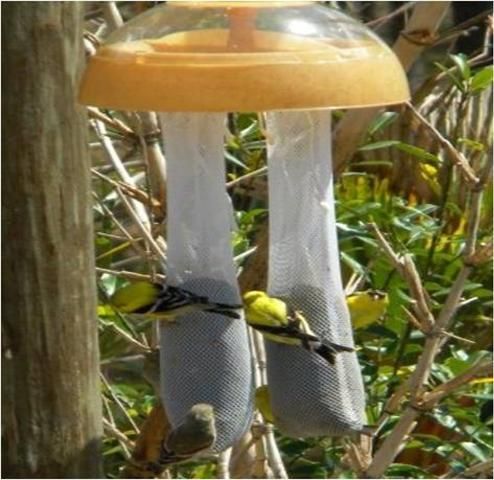
Credit: edis.ifas.ufl.edu
Tips For Feeding Birds Safely
Feeding birds in your backyard can be a joyful experience, but it’s important to do it safely to protect the birds’ health and keep your outdoor space clean. Unsafe feeding practices can spread disease, attract unwanted pests, or even harm the birds you want to help. Here are some practical tips to ensure your feathered visitors stay happy and healthy while enjoying your offerings.
Clean Feeding Stations
Keeping your bird feeders and birdbaths clean is crucial. Old food and droppings can harbor bacteria and fungi that cause illness in birds.
- Wash feeders with warm, soapy water at least once every two weeks.
- Rinse thoroughly and let them dry completely before refilling.
- Remove any moldy or wet food immediately to prevent disease.
I once ignored cleaning my feeder regularly, and noticed fewer birds visiting. After cleaning it thoroughly, the birds returned quickly and seemed more active. Don’t let dirty feeders drive your backyard friends away.
Proper Food Storage
Storing bird food correctly keeps it fresh and safe for your visitors. Moisture and pests can ruin seeds and mixes, making them harmful.
- Use airtight containers to keep food dry and free from insects.
- Store seed bags off the ground and away from direct sunlight.
- Buy food in amounts you can use within a month or two to avoid spoilage.
Have you ever noticed ants or rodents invading your bird food? Proper storage not only protects the food but also helps keep your garden pest-free. Think about where you keep your supplies and make adjustments if needed.
Seasonal Feeding Adjustments
Birds’ dietary needs change with the seasons, and your feeding habits should adapt accordingly. Offering the right types of food at the right time supports their health year-round.
- In winter, provide high-energy foods like black oil sunflower seeds and suet to help birds stay warm.
- During spring and summer, reduce feeding as natural food sources become abundant, and focus on fresh fruits and mealworms.
- In fall, offer foods rich in fats and proteins to help birds prepare for migration.
Have you ever wondered why some birds disappear at certain times of the year? Adjusting your feeding can encourage seasonal visitors and help resident birds thrive. Paying attention to the calendar can make your backyard a vital resource for birds through every season.
Credit: creators.yahoo.com
Frequently Asked Questions
What Are The Best Seeds To Feed Backyard Birds?
Black oil sunflower seeds are ideal for most backyard birds. They are high in fat, easy to crack, and attract many species. Millet and nyjer seeds are also popular, especially for smaller birds like finches and sparrows.
Can I Feed Bread To Birds In My Backyard?
It’s best to avoid feeding bread to birds. Bread offers little nutrition and can harm birds’ health. Instead, provide seeds, nuts, or fruits to give them essential nutrients and energy.
How Often Should I Refill Bird Feeders?
Refill bird feeders every few days or when empty. Regular refilling ensures birds have a constant food supply. Clean feeders often to prevent mold and disease, keeping birds safe and healthy.
Are Fruits Safe For Feeding Backyard Birds?
Yes, many birds enjoy fruits like berries, apples, and oranges. Offer fresh or dried fruits without added sugar. Avoid citrus fruits for some species, as they may be too acidic for certain birds.
Conclusion
Feeding birds in your backyard brings nature closer to you. Choose safe, healthy foods like seeds, fruits, and nuts. Avoid giving birds bread or junk food. Keep feeders clean to help birds stay healthy. Watch different bird species visit and enjoy your efforts.
Small steps make a big difference for local wildlife. Start today and create a friendly space for birds. Your backyard can become a lively, happy place.




