
Is your bird suddenly struggling to balance or walking unsteadily? These signs could mean your feathered friend is facing ataxia, a condition that affects coordination and movement.
It’s scary to see your pet like this, but you don’t have to panic. You can take simple, effective steps right at home to help your bird feel better and regain stability. In this guide, you’ll discover easy-to-follow tips and practical advice to treat ataxia in birds.
Keep reading to learn how you can support your bird’s health and bring back their happy, lively spirit.

Credit: www.aav.org
Recognizing Ataxia Symptoms
Ataxia affects a bird’s balance and coordination. Spotting symptoms early helps you care for your bird well.
Knowing the signs lets you act quickly. Birds hide sickness, so watch closely for changes.
Common Signs In Birds
Birds with ataxia show trouble walking or standing. They may fall or wobble often.
Other signs include head tilting and unusual eye movements. These can mean nerve problems.
- Loss of balance while perching
- Unsteady or staggering walk
- Head tilting or bobbing
- Difficulty flying or flapping wings
- Shaky or jerky movements
- Unusual eye motion or blinking
Behavioral Changes To Watch
Ataxia can cause birds to act differently. They might eat less or hide more than usual.
Changes in vocal sounds or less activity can also signal problems. Watch for these signs daily.
- Loss of appetite or refusal to eat
- Increased sleeping or lethargy
- Less social interaction with owners or other birds
- Unusual vocalizations or silence
- Hiding or reluctance to move
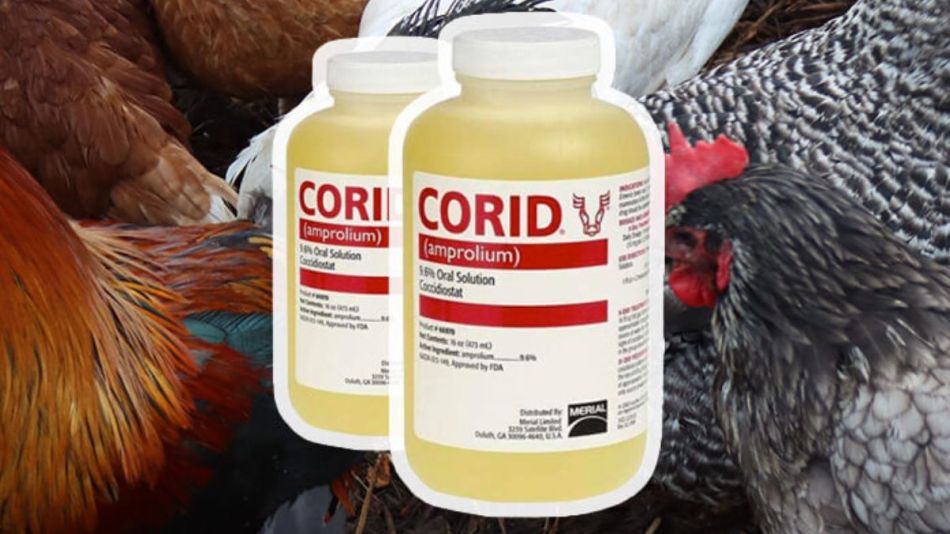
Credit: bitchinchickens.com
Causes Of Ataxia In Birds
Ataxia is a condition where birds lose control of their movement. It can make walking, flying, and perching hard for them. Many things can cause ataxia in birds.
Understanding the causes helps bird owners provide better care. It also guides how to treat the problem at home safely.
Nutritional Deficiencies
Poor diet is a common cause of ataxia in birds. Birds need vitamins and minerals to keep their nerves and muscles healthy. Lack of these nutrients can lead to balance problems.
- Vitamin E deficiency harms nerve function.
- Low levels of vitamin B complex affect coordination.
- Calcium and magnesium shortages weaken muscles.
- Poor protein intake reduces overall strength.
Infections And Diseases
Birds can get infections that attack their nervous system. These infections often cause ataxia symptoms. Some diseases also affect balance and movement.
| Infection/Disease | Effect on Bird |
| Avian Bornavirus | Weakens coordination and balance |
| Psittacine Beak and Feather Disease | Damages nerves controlling muscles |
| Newcastle Disease | Causes tremors and muscle weakness |
| Fungal infections | Can lead to brain inflammation |
Toxins And Environmental Factors
Birds may suffer ataxia from harmful substances around them. These toxins affect their brain and nerves. Environmental dangers can also cause sudden balance loss.
Common toxins include:
- Heavy metals like lead and zinc
- Pesticides used in gardens
- Certain household chemicals
- Smoke from fires or strong fumes
Cold drafts and stress can worsen ataxia symptoms too.
Home Care Essentials
Ataxia in birds causes loss of balance and coordination. Caring for a bird with ataxia needs special attention at home.
Creating a safe space and giving proper food help your bird recover. These simple steps improve your bird’s comfort.
Safe And Comfortable Environment
Your bird needs a cage with soft bedding to avoid injuries. Remove sharp or hard objects that can hurt it during falls.
Keep the cage in a quiet, warm place. Avoid sudden noises or bright lights to reduce stress for your bird.
- Use soft, non-slip liners on cage floor
- Place perches low and close to the ground
- Keep cage away from drafts and loud areas
- Check the cage daily for hazards
Proper Nutrition And Hydration
Good food helps your bird stay strong. Offer fresh seeds, fruits, and vegetables that are easy to eat.
Always provide clean water. Birds with ataxia may drink less, so check water levels often and encourage drinking.
- Feed soft fruits like banana and melon
- Provide soaked seeds for easier eating
- Change water daily to keep it fresh
- Offer small, frequent meals to boost energy
Natural Remedies To Support Recovery
Ataxia in birds affects their balance and movement. Natural remedies can help support their recovery at home. These treatments focus on gentle care and nutrition.
Using herbal supplements, vitamins, minerals, and hydration therapies can improve your bird’s health. Always observe your bird closely during recovery.
Herbal Supplements
Certain herbs can help improve nerve function and calm your bird. Use these herbs in small amounts and consult a vet if unsure.
- Ginkgo biloba supports blood flow to the brain.
- Milk thistle helps detoxify the liver.
- Chamomile calms nerves and reduces stress.
- Turmeric has anti-inflammatory properties.
Vitamins And Minerals
Birds need key vitamins and minerals to heal and regain strength. A balanced diet with supplements can provide these nutrients.
| Vitamin/Mineral | Benefit | Source |
| Vitamin B1 (Thiamine) | Supports nerve health | Whole grains, seeds |
| Vitamin E | Protects cells from damage | Leafy greens, nuts |
| Calcium | Strengthens bones and muscles | Cuttlebone, fortified pellets |
| Magnesium | Helps muscle and nerve function | Leafy greens, nuts |
Hydration Therapies
Keeping your bird hydrated supports healing and helps flush toxins. Offer fresh water often and use hydration boosts if needed.
- Provide fresh, clean water daily.
- Offer electrolyte solutions made for birds.
- Use a spray bottle to mist your bird gently.
- Include water-rich fruits like melon in their diet.
Physical Support Techniques
Ataxia in birds affects their balance and coordination. Providing physical support can help improve their quality of life. Simple techniques can be applied at home to assist your bird.
Supporting your bird physically involves gentle handling and encouraging safe mobility. This can help them regain confidence and improve their physical abilities.
Gentle Handling Methods
Handle your bird gently to prevent stress or injury. Use both hands to support their body, especially around the chest and abdomen.
Calm movements help the bird feel safe. Avoid sudden or jerky motions. Speak softly to reassure them.
- Use a towel for extra support if needed
- Keep sessions short to avoid tiring your bird
- Observe their reactions for signs of discomfort
Encouraging Mobility Safely
Encourage your bird to move safely by setting up a controlled environment. Use soft surfaces to cushion any falls.
Allow them to explore at their own pace. Create pathways with perches and toys to stimulate movement.
- Place perches at different heights for climbing
- Use ramps or ladders for easy access
- Ensure the area is free from hazards
When To Seek Veterinary Help
Ataxia in birds means they lose control of their movements. It can be a sign of serious health problems.
You should know when to get a vet’s help fast. Early care can save your bird’s life.
Emergency Warning Signs
Watch your bird closely. Some signs need urgent veterinary care.
- Sudden loss of balance or falling often
- Severe shaking or tremors
- Weakness that stops your bird from standing
- Labored or fast breathing
- Refusing to eat or drink for more than a day
- Swelling or bleeding anywhere on the body
- Unusual eye movements or blindness
- Seizures or convulsions
Preparing For A Vet Visit
Getting ready helps the vet find the problem quickly. Bring useful information and keep your bird calm.
| Preparation | Details |
| Note Symptoms | Write when ataxia started and what you saw |
| Record Diet | List foods and treats given recently |
| Keep Bird Safe | Use a small carrier lined with soft cloth |
| Avoid Stress | Handle gently and keep noise low |
| Bring Medical History | Include past illnesses and medications |
Preventing Ataxia In Birds
Ataxia affects a bird’s balance and coordination. Treating it early can help your bird recover. Preventive measures are essential to keep your bird healthy.
Here, we discuss simple ways to prevent ataxia. Focus on diet, habitat, and health monitoring for best results.
Balanced Diet Tips
A balanced diet is crucial for a bird’s health. It supports their immune system and overall well-being. Feed your bird a variety of foods.
- Include seeds, fruits, and vegetables
- Provide calcium-rich foods
- Avoid processed or sugary treats
Maintaining A Clean Habitat
A clean habitat helps prevent diseases. Keep your bird’s cage and surroundings tidy. This reduces stress and keeps your bird healthy.
- Clean the cage weekly
- Change water daily
- Remove uneaten food promptly
Regular Health Monitoring
Monitoring your bird’s health is vital. Look for signs of illness early. Regular checks can help catch problems before they worsen.
- Observe behavior changes
- Check for weight loss
- Visit a vet for regular check-ups

Credit: www.aav.org
Frequently Asked Questions
What Are The First Signs Of Ataxia In Birds?
Early signs of ataxia include unsteady walking, head tilting, and loss of balance. Birds may also show difficulty flying or perching.
How Can I Safely Care For A Bird With Ataxia?
Provide a quiet, safe space with soft perches. Avoid sudden movements and ensure easy access to food and water to reduce stress.
Can Diet Improve Ataxia Symptoms In Birds?
Yes, a balanced diet rich in vitamins, especially B-complex and E, supports nerve health and may help reduce ataxia symptoms.
When Should I Consult A Vet For Bird Ataxia?
Consult a vet immediately if your bird shows sudden balance loss, seizures, or worsening symptoms despite home care.
Conclusion
Treating ataxia in birds at home needs patience and care. Watch your bird closely for any changes. Provide a safe and calm space to help recovery. Always keep fresh food and water nearby. Consult a vet if symptoms get worse or do not improve.
Small steps make a big difference in your bird’s health. Your attention and love can support healing every day. Stay calm, act quickly, and keep learning about your bird’s needs. This helps give your feathered friend the best chance to get better.




