
Are birds taking over your backyard and causing a mess? You’re not alone.
Those noisy visitors can damage your plants, leave droppings everywhere, and make your outdoor space less enjoyable. But don’t worry—there are simple, effective ways to scare birds away without harming them. You’ll discover easy tips and tricks you can start using today to protect your garden and reclaim your backyard.
Keep reading to find out how to keep those pesky birds at bay for good.
Credit: www.amazon.ca
Common Backyard Birds To Deter
Before you decide how to scare birds away from your backyard, it helps to know which birds are most likely causing trouble. Some species are more persistent and can create bigger problems, like damaging plants or creating messes. Understanding these common backyard birds makes it easier to choose the right deterrent methods that actually work.
European Starlings
European starlings are aggressive and often gather in large flocks. They can damage fruit trees and compete with native birds for nesting spots. If you notice shiny feathers or loud chattering noises, it might be these birds.
Have you tried reflective tape or scare balloons? These often confuse starlings and keep them at bay.
House Sparrows
House sparrows are small but very bold. They tend to nest in eaves and gutters, which can cause blockages and damage. Their constant chirping can also become a noise nuisance.
Consider sealing entry points and using bird spikes to prevent them from settling in unwanted areas.
Pigeons
Pigeons are common in urban backyards and can leave droppings that damage surfaces and spread diseases. They prefer flat surfaces for roosting, like ledges and rooftops.
Using netting or angled bird spikes on these surfaces can stop pigeons from landing comfortably.
Grackles
Grackles are larger birds known for their loud calls and habit of eating crops and garden plants. Their shiny black feathers and iridescent colors make them easy to spot.
Noise deterrents or decoy predators can help discourage grackles from invading your space.
What Bird Is Causing You The Most Trouble?
Identifying the exact bird species lets you tailor your approach. Are you dealing with noisy sparrows or messy pigeons? Your answer can guide your choice of deterrents and save time and effort.
Why Birds Visit Your Backyard
Have you ever wondered why birds seem to find your backyard so inviting? Understanding their reasons can help you manage their visits better. Birds don’t just drop by randomly; they come looking for something specific.
Food Sources Available In Your Backyard
Birds are attracted to places where food is easy to find. If you have fruit trees, bird feeders, or even leftover scraps, they will likely visit often. I once noticed that leaving out a bowl of seeds brought a variety of birds daily, which quickly turned into a challenge when they started overfeeding.
Are you providing unintended snacks that encourage their stay? Even fallen fruits or insects attracted to your garden can serve as a natural buffet for birds.
Safe Shelter And Nesting Spots
Birds seek safe places to rest and build nests. Dense bushes, tree branches, and quiet corners create ideal hideouts. A backyard with plenty of cover acts like a bird hotel, offering protection from predators and harsh weather.
Think about the kinds of plants and structures you have—are they making your yard too inviting as a bird sanctuary?
Water Availability For Drinking And Bathing
Water is essential for birds, and a backyard with accessible water sources becomes a magnet. Birdbaths, ponds, or even puddles after rain can keep birds coming back. I once added a small water fountain to my garden and noticed an immediate increase in bird activity.
Do you have water features that might be attracting more birds than you want?
Favorable Climate And Environment
Birds prefer environments that suit their species’ needs. Your backyard’s microclimate, such as sunlight exposure and wind protection, may create a perfect spot for them. Warm, sheltered areas often become prime resting places for migrating birds.
Consider how your yard’s layout affects temperature and shelter—these factors might explain persistent bird visits.
Physical Barriers To Keep Birds Out
Physical barriers create a strong line of defense against birds invading your backyard. They block birds from landing or entering areas where they cause damage. These barriers work well because they do not harm birds but keep them away effectively. Using physical barriers is a smart choice for peaceful bird control.
Netting And Screens
Netting acts like a shield over plants and fruit trees. It stops birds from reaching food or nesting spots. Use fine mesh netting to cover bushes, trees, or garden beds. Secure the edges tightly to prevent birds from slipping underneath.
- Choose bird-proof netting with small holes.
- Stretch netting firmly to avoid sagging.
- Fix netting with stakes, clips, or ties.
Screens on windows or vents also keep birds out of your house. They allow airflow but block bird entry. Install durable screens to protect tricky spots.
Spikes And Wire Strips
Spikes discourage birds from landing on ledges, fences, or rooftops. They are thin, pointed strips that make surfaces uncomfortable. Birds avoid these places to prevent injury.
- Use plastic or metal spikes for long-lasting use.
- Place spikes along edges where birds perch.
- Ensure spikes cover enough space to be effective.
Wire strips work like spikes but are flexible and easier to install. They create a barrier that birds find hard to cross. Attach wire strips on narrow ledges or window sills.

Credit: www.amazon.ca
Visual Deterrents That Work
Visual deterrents are a simple way to keep birds away from your backyard. These tools use sight to scare birds off. Birds see the threat and avoid the area. Visual deterrents are safe and easy to set up. They require little maintenance and can be moved around as needed. The key is to choose items that catch the bird’s attention and make them feel unsafe.
Reflective Objects
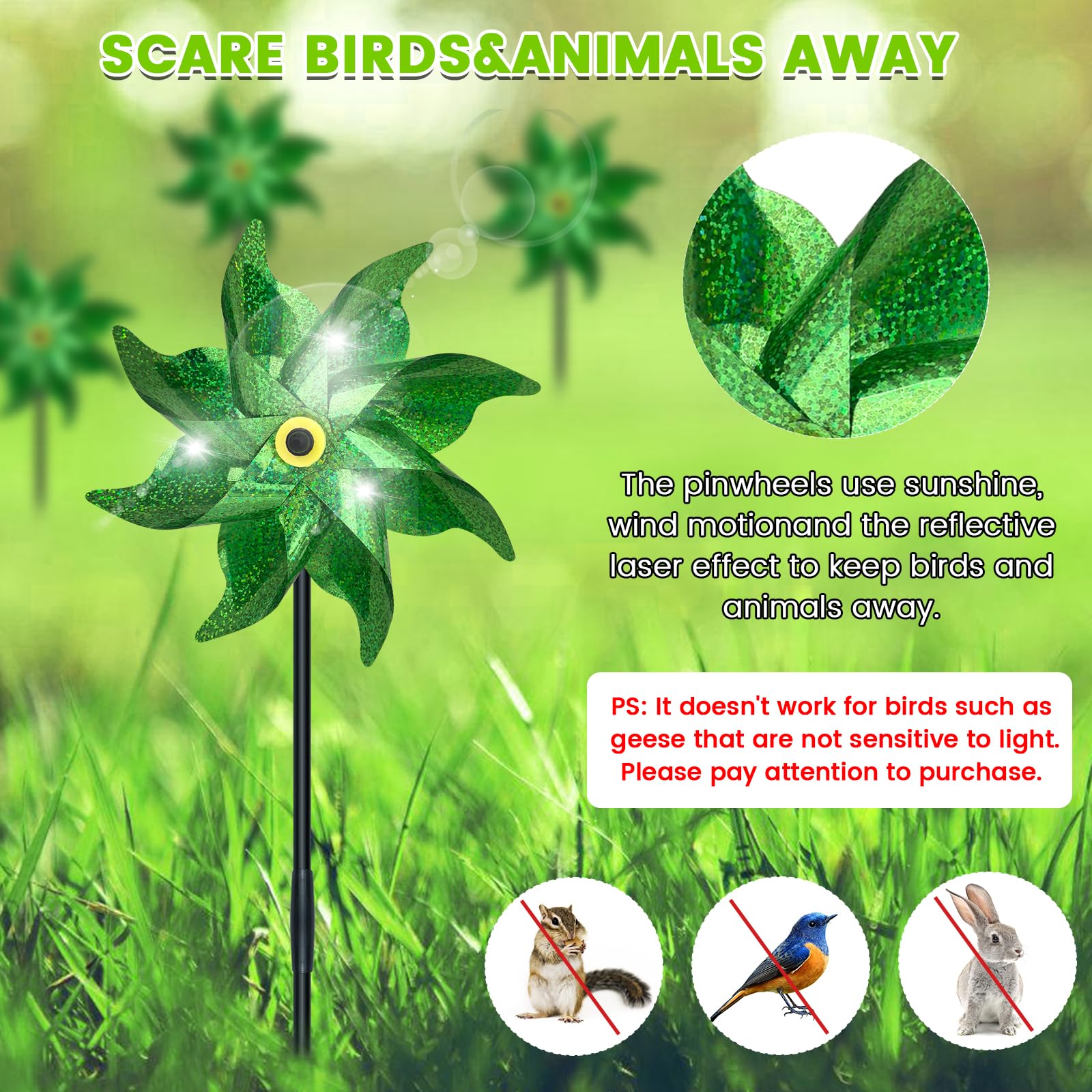
Reflective objects work by shining light and creating movement. Birds dislike bright flashes and shifting reflections. Hang shiny items that move with the wind to scare birds away.
- Old CDs or DVDs
- Aluminum foil strips
- Reflective tape
- Mirrors or small metal pieces
Place these items where birds often land or rest. The light reflections make birds nervous and keep them from settling.
Decoy Predators
Decoy predators look like real threats to birds. They trigger fear and cause birds to flee. Common decoys include:
- Plastic owls
- Fake snakes
- Model hawks
Move decoys regularly to keep birds from getting used to them. Position them in visible spots to maximize their effect. Decoy predators are a natural way to protect your backyard.
Using Sound To Frighten Birds
Using sound to frighten birds can be an effective way to keep your backyard free from unwanted feathered visitors. Birds are highly sensitive to noise, and certain sounds can trigger their natural flight response. However, not all sounds work the same, so it’s important to choose the right tools to make your efforts successful.
Ultrasonic Devices
Ultrasonic devices emit high-frequency sounds that humans usually can’t hear but birds find extremely uncomfortable. These devices are discreet and won’t disturb your outdoor activities or neighbors.
Many users report that ultrasonic devices work best in quiet areas where background noise is minimal. If your backyard is already noisy, the ultrasonic waves might get lost in the mix, reducing their effectiveness.
Keep in mind that different bird species react differently to ultrasonic sounds. You may need to experiment with different devices or settings to find what works for your specific bird problem.
Noise Makers And Alarms
Noise makers and alarms use loud, sudden sounds to startle birds and make them leave the area. These can include propane cannons, clappers, or electronic alarms that produce distress calls or predator noises.
One practical tip is to vary the timing and types of noises. Birds quickly get used to repetitive sounds, so switching things up keeps them on edge and more likely to stay away.
Have you tried using noise makers in your backyard? You might notice that birds avoid the area right after the noise but return once it becomes predictable. Adjusting your approach frequently keeps the scare factor high.

Credit: www.amazon.ca
Natural Repellents And Plants
Planting strong-smelling herbs like mint or lavender helps keep birds away naturally. Sprinkling chili powder or using garlic sprays also deters birds from your backyard. These natural repellents protect plants without harming the environment.
Enjoying a peaceful morning in your backyard can be quickly interrupted by the constant chirping and fluttering of birds. While these feathered visitors are a delight for some, for others, they can become a nuisance. Luckily, nature provides us with tools to gently discourage these uninvited guests without causing harm. Dive into the world of natural repellents and plants to find effective solutions that maintain the harmony of your outdoor space.Scent-based Repellents
Scent is a powerful deterrent for birds. You can use strong-smelling substances that birds find unpleasant to keep them at bay. Consider using essential oils like peppermint, citronella, or garlic, which are easily available and simple to apply. Create your own mixture by adding a few drops of these oils to water in a spray bottle. Spritz the mixture around your garden or patio, focusing on spots where birds like to perch. Refresh the scent regularly, especially after rain, to maintain its effectiveness.Bird-repelling Plants
Certain plants naturally deter birds, adding beauty and functionality to your garden. Consider planting marigolds, lavender, or chives, known for their strong scents that birds tend to avoid. These plants not only keep birds away but also enhance your garden with vibrant colors and aromas. Incorporate these plants into your garden’s borders or in pots around seating areas. This way, you create a barrier that is as decorative as it is effective. Have you ever thought about how your choice of plants can transform your outdoor space while solving a bird problem? Using natural methods to manage bird activity respects the environment and offers a peaceful coexistence with nature. With these simple, eco-friendly strategies, you can reclaim your backyard tranquility without compromising on aesthetics.Maintaining Your Yard To Discourage Birds
Maintaining your yard is key to keeping birds away naturally. Birds visit yards mainly for food and water. Removing these attractions helps reduce bird visits. A clean, well-kept yard sends a clear message: no easy meals here.
Removing Food Sources
Birds search for seeds, fruits, and insects in yards. Remove fallen fruits and ripe berries from trees and bushes. Clean up spilled birdseed from feeders regularly. Store pet food indoors and cover compost bins tightly. Avoid feeding birds directly if trying to scare them away.
Managing Water Availability
Standing water attracts birds for drinking and bathing. Eliminate puddles by fixing drainage problems. Empty birdbaths frequently or remove them temporarily. Check gutters and plant saucers for trapped water. Keep your yard dry to discourage birds from settling.
Safe And Humane Bird Control Methods
Keeping birds away from your backyard doesn’t mean you have to harm them or disrupt the environment. Safe and humane bird control methods respect wildlife while protecting your space. These techniques are effective without causing stress or injury to the birds you want to deter.
Using Visual Deterrents
Birds are cautious creatures and can be scared off by certain visual cues. Items like reflective tape, shiny objects, or predator decoys can create an uncomfortable environment for them.
For example, hanging strips of reflective tape near your garden can confuse birds as the light bounces unpredictably. I once tried this in my backyard, and the sudden flashes kept sparrows away for weeks without any harm.
Try moving these deterrents occasionally so birds don’t get used to them. Have you noticed how birds get used to stationary objects? Keeping visual cues dynamic makes your efforts more successful.
Sound-based Bird Deterrents
Sounds that mimic predators or create sudden noises can discourage birds from settling. Devices that emit distress calls or ultrasonic sounds work well without being loud enough to annoy you or your neighbors.
Just remember, using sound too frequently might make birds ignore it. I found that using sound deterrents only during peak bird activity times keeps them alert and respectful of your space.
Could adjusting the timing of these sounds help maintain their effectiveness in your backyard?
Physical Barriers To Protect Plants
Installing barriers like netting or wire mesh prevents birds from accessing your fruits and vegetables. These barriers are straightforward to set up and keep birds from damaging your hard work.
When I covered my berry bushes with bird netting, the results were immediate—no more pecked fruits, and the birds moved on peacefully. It’s a win-win for your garden and the birds.
Make sure the netting is secured well so birds don’t get trapped or injured. How can you improve your barrier setup to be both effective and safe?
Maintaining A Clean Backyard
Birds are attracted to easy food sources like spilled seeds and uncovered trash. Keeping your backyard clean reduces their motivation to hang around.
I used to leave bird feeders messy, which invited unwanted visitors. Cleaning up regularly and using feeders designed to limit spillage helped me control the bird population without causing harm.
Are you unintentionally providing food that invites birds closer? Assess your feeding habits to keep your backyard less attractive to them.
When To Seek Professional Help
Persistent bird problems that damage plants or structures may need expert advice. Professionals offer safe, effective solutions for tough situations. Seeking help early can prevent bigger issues in your backyard.
Sometimes, despite your best efforts to deter birds from your backyard, you may find that they persistently return, creating chaos and mess. It’s in these instances you might wonder if it’s time to bring in the experts. Understanding when to seek professional help can save you time, stress, and perhaps your favorite garden flowers.Recognizing Persistent Bird Problems
If you’re continuously battling with bird nests in precarious places, such as gutters or chimneys, this could be a sign that professional intervention is needed. Persistent droppings on your patio or car, despite regular cleaning, can also signal a larger issue. A professional can provide a more effective, lasting solution to these recurrent problems.Dealing With Protected Bird Species
Some birds are protected by law, and disturbing them or their nests can lead to hefty fines. If you’re unsure about the type of birds visiting your yard, or if they are protected, consult an expert. They can help you navigate the legal landscape while addressing your bird issue responsibly.When Diy Methods Aren’t Enough
You may have tried all the DIY methods under the sun—reflective tapes, decoys, or even homemade repellents—but still, the birds return. Sometimes, these methods aren’t enough, especially if you’re dealing with a large bird population. Professionals have access to tools and techniques that aren’t available to the general public, providing more robust solutions.Preventing Damage To Property
Birds can cause significant damage to property, especially when they peck at roofing materials or build nests in inconvenient spots. If you notice signs of damage, it might be time to call in a professional. They can assess the situation and implement measures to protect your home and belongings.Ensuring Peace Of Mind
Ultimately, if bird issues are causing you stress or impacting your enjoyment of your backyard, getting professional help can offer peace of mind. It allows you to reclaim your outdoor space without the constant worry of feathered invaders. Isn’t it worth considering expert assistance if it means a tranquil, bird-free backyard?Frequently Asked Questions
How Can I Scare Birds Away From My Backyard?
Use visual deterrents like reflective tapes, scarecrows, or predator decoys. These create an unsafe environment for birds, discouraging them effectively.
What Natural Methods Repel Birds In Gardens?
Plant bird-repellent plants such as marigolds or use homemade sprays with garlic or chili. These natural options keep birds away without harm.
Are Sound Devices Effective For Bird Control?
Yes, ultrasonic bird repellents and distress call devices can deter birds. However, effectiveness varies by species and may need combination with other methods.
How To Protect Fruit Trees From Bird Damage?
Cover fruit trees with bird netting or mesh. This physical barrier prevents birds from reaching and damaging the fruit.
Conclusion
Scaring birds away from your backyard helps protect plants and keep your space clean. Use safe and simple methods that do not harm the birds. Change your tactics often to keep birds from getting used to them. Stay patient, as it takes time to see results.
Enjoy a peaceful backyard without unwanted bird visits. Keep trying different ideas until you find what works best for you. Your garden will thank you with healthy plants and less mess.




