
Are you tired of birds constantly perching on your Arlo camera and blocking its view? It can be frustrating when your security footage gets interrupted by feathered visitors.
But don’t worry—you’re not alone, and there are simple ways to keep those birds away without harming them. You’ll discover easy, effective tips to protect your camera and keep your footage clear. Keep reading to find out how to solve this common problem once and for all.

Credit: www.reddit.com
Why Birds Target Arlo Cameras
Birds often target Arlo cameras for various reasons. These devices create spots that attract birds looking for shelter or a place to perch. Understanding why birds focus on these cameras helps in finding ways to keep them away.
Birds see Arlo cameras as safe spots. The camera’s shape and location often make it a good resting place. Sometimes, birds mistake the shiny parts for water or food.
Common Bird Behaviors Near Cameras
- Perching on the camera for rest or observation
- Building nests nearby or on top of the device
- Pecking at reflections or shiny surfaces
- Using the camera as a lookout spot for predators
Attractants On Camera Surfaces
- Glossy lenses that reflect sunlight
- Small crevices that seem like shelter
- Warm spots created by the device’s heat
- Residue from insects or food particles
Physical Barriers To Deter Birds
Physical barriers offer a strong way to keep birds away from your Arlo camera. They stop birds from landing or nesting near the device. These barriers protect the camera lens and maintain clear video footage. Using simple tools can make your camera bird-proof without much hassle.
Using Bird Spikes
Bird spikes are thin, pointed rods that block birds from landing. Place them on top or around the camera mount. The spikes do not harm birds but create an uncomfortable surface. This stops birds from settling and keeps the camera clear. Bird spikes are easy to install and weather resistant.
Installing Wire Mesh
Wire mesh acts as a fence that prevents birds from reaching the camera. Choose a mesh with small holes to keep even tiny birds away. Fix the mesh around the camera housing or mount. It allows the camera to work without obstruction. Wire mesh is durable and blends well with most outdoor settings.
Applying Protective Covers
Protective covers shield the camera lens and block bird access. Use covers made from clear plastic or glass to keep video quality high. Covers stop birds from sitting directly on the camera. They also reduce dirt and droppings on the lens. Protective covers are simple to fit and clean regularly.
Visual Deterrents That Work
Visual deterrents create an environment that birds find uncomfortable. They confuse or scare birds away from your Arlo camera. These tools work by triggering a bird’s natural instincts to avoid danger. Using visual cues is safe and does not harm the birds.
Reflective Tape And Objects
Reflective tape shines in sunlight and moves with the wind. This movement and light reflection make birds uneasy. Hang strips of reflective tape near the camera. You can also use small, shiny objects like CDs or mirrors.
The constant flicker of light distracts birds and keeps them away. Place these items at different heights for better coverage. Reflective deterrents are easy to install and cost-effective.
Fake Predators And Eyespots
Fake predators mimic birds’ natural enemies, such as owls or hawks. Placing these models near your camera scares birds off. Eyespots resemble the eyes of larger animals. Birds see these and feel watched or threatened.
Use plastic or metal predator figures for lasting effect. Move the fake predators occasionally to keep birds cautious. Both fake predators and eyespots tap into birds’ survival instincts effectively.
Sound-based Bird Repellents
Sound-based bird repellents offer a unique way to keep birds away from your Arlo camera without harming them or altering the environment drastically. These repellents use noise to create an uncomfortable space for birds, encouraging them to stay clear of your equipment. If you’ve ever noticed birds repeatedly perching on your camera, these solutions might be just what you need to protect your device and maintain clear footage.
Ultrasonic Devices
Ultrasonic devices emit high-frequency sounds that are mostly inaudible to humans but can irritate birds. These sounds disrupt their comfort, prompting them to avoid the area around your Arlo camera.
One surprising insight is that birds react differently based on species and environment. Some birds may ignore certain ultrasonic frequencies while others flee instantly. You might need to test different devices or adjust settings to find the right balance for your situation.
Placing these devices near your camera can create an invisible sound barrier. This approach keeps the camera safe without affecting your outdoor enjoyment. Have you thought about how sound might affect other wildlife around your home?
Natural Bird Alarm Calls
Natural bird alarm calls mimic the distress sounds birds make when danger is near. Playing these calls near your Arlo camera tricks birds into thinking the area is unsafe.
I tried this method last spring, and it worked better than expected. Birds quickly stopped approaching the camera, and the calls blended well with the outdoor environment, so they didn’t disturb neighbors.
Using recorded alarm calls requires periodic changes to avoid birds getting used to the sounds. You can find these recordings online or through bird control products. Could using nature’s own signals be the key to protecting your gear?
Maintaining Cleanliness Around The Camera
Keeping your Arlo camera clean is key to deterring birds from making it their hangout spot. Birds are naturally attracted to places where they can build nests or perch comfortably. By maintaining cleanliness around your camera, you reduce these attractions and help your device stay clear of unwanted visitors.
Removing Nesting Materials
Regularly check your Arlo camera for any signs of twigs, leaves, or feathers. Birds often start by dropping small materials nearby before building a full nest. Removing these early signs discourages them from settling in.
If you notice nesting attempts, gently clear the area without damaging your camera. A quick inspection once a week can save you from bigger problems later. Have you ever found unexpected nests on your outdoor gear? It’s surprising how quickly birds can claim a spot.
Regular Surface Cleaning
Dirt and debris on your camera can make it more inviting for birds. Clean the camera’s surface with a soft cloth and mild soap to remove any grime or sticky residues. Avoid harsh chemicals that might damage the lens or housing.
Don’t forget to wipe down the mounting area and nearby surfaces. A clean environment feels less like a safe resting place for birds. How often do you clean your outdoor electronics? Making it a habit can keep birds at bay and your camera working perfectly.
Positioning Tips To Avoid Bird Interference
Place the Arlo camera away from bird nests and feeding spots to reduce visits. Angling the camera slightly downward helps keep birds from landing on it. Using small deterrents nearby can also discourage birds without blocking the view.
Positioning your Arlo camera correctly can help keep birds away. Birds can block the camera view, affecting security. Here are some tips to position your camera to avoid bird interference.Optimal Camera Placement
Choose a location with less bird activity. Place the camera under an eave or a ledge. This can deter birds from perching. Mount the camera at a slight angle. It helps avoid flat surfaces where birds land. Ensure the camera is secure and stable.Avoiding Bird Flight Paths
Install the camera away from bird feeders and nests. Avoid areas with heavy bird traffic. Identify common bird routes in your area. Place the camera in a less trafficked spot. This reduces the chance of birds blocking the view.Safe And Humane Bird Deterrent Practices
Placing bird spikes or reflective tape near the camera helps keep birds away without harm. Sound or motion deterrents can gently scare birds off without causing injury.
Keeping birds off your Arlo camera can be a challenge, but using safe and humane deterrent practices ensures that you protect both your camera and the birds. Birds often find cameras to be convenient perches, but this can obstruct your view and lead to messy situations. Employing methods that are gentle and considerate of wildlife can provide a harmonious balance between technology and nature.Avoiding Harmful Chemicals
Using chemicals to deter birds might seem like a quick fix, but it can have unintended consequences. Many chemical repellents can harm birds and the environment. Instead, consider natural alternatives like using reflective surfaces or sound devices that safely discourage birds from approaching your camera. Reflective tape or small mirrors can be attached near your camera. These create light flashes that birds find unsettling. Ultrasonic bird repellents emit sounds that are irritating to birds but inaudible to humans. These devices can be a game changer, as they gently encourage birds to find a more peaceful perch elsewhere.Respecting Wildlife Regulations
It’s important to be aware of the wildlife regulations in your area before implementing any deterrent methods. Some bird species are protected by law, and interfering with them can lead to hefty fines. Check local regulations to ensure that your bird deterrent practices are compliant. This not only keeps you on the right side of the law but also promotes ethical wildlife management. Have you considered reaching out to local wildlife organizations for advice? They can offer valuable insights and suggest humane practices that align with both legal and environmental standards. By respecting these guidelines, you not only keep your camera bird-free but also contribute to the well-being of your local ecosystem.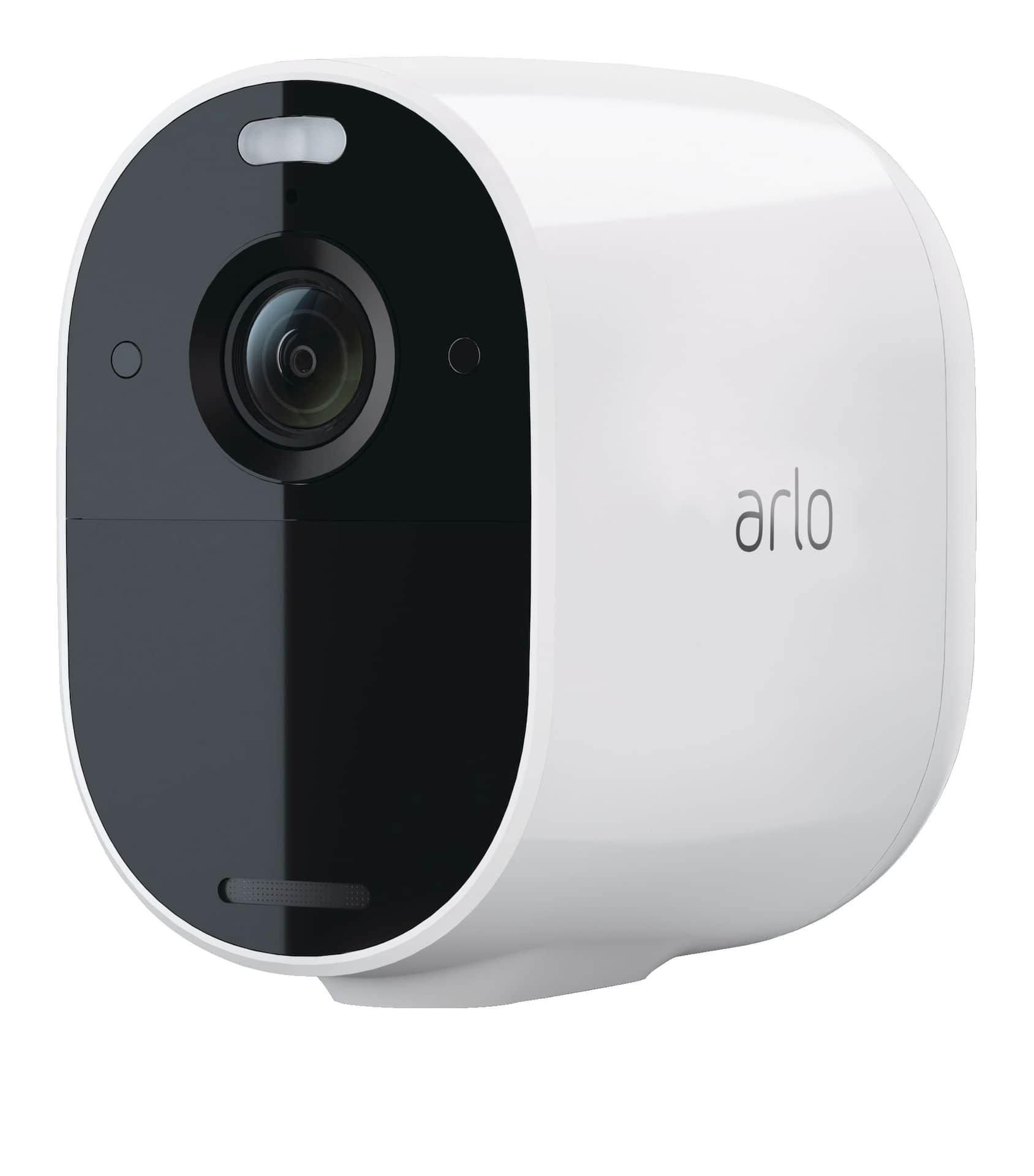
Credit: www.canadiantire.ca

Credit: www.bestproducts.com
Frequently Asked Questions
How Can I Prevent Birds From Nesting On My Arlo Camera?
To stop birds from nesting, install a small bird deterrent spike or netting around the camera. Regularly clean the area and avoid leaving food nearby. This discourages birds from settling and protects your camera from damage.
What Natural Bird Repellents Work For Arlo Cameras?
Natural repellents like peppermint oil, vinegar spray, or bird-safe gels can deter birds. Apply them carefully near the camera without blocking the lens. These scents repel birds without harming them or affecting camera performance.
Does Using Reflective Tape Keep Birds Away From Cameras?
Yes, reflective tape can scare birds away. Its flashing light confuses birds and prevents them from perching. Place strips near the Arlo camera to reduce bird activity without causing harm.
Are Ultrasonic Bird Repellents Effective Near Security Cameras?
Ultrasonic repellents emit high-frequency sounds birds dislike, helping keep them away. However, their effectiveness varies, and some birds may ignore them. Use along with other methods for better protection of your Arlo camera.
Conclusion
Keeping birds away from your Arlo camera helps keep your view clear and safe. Use simple tools like bird spikes or reflective tape to deter them. Regularly clean the camera lens to avoid dirt buildup from birds. Position the camera where birds are less likely to perch.
Small changes can make a big difference in your camera’s performance. Protect your device and enjoy clear footage every day. Taking these easy steps saves time and frustration. Your Arlo camera works best when birds stay away.




