
Have you ever spotted a tiny house wren flitting around your yard and wondered if it might be more aggressive than it seems? You’re not alone.
Many people ask, “Do house wrens kill other birds? ” It’s a surprising question because these little birds look so harmless. But what’s really going on behind their busy, chirpy behavior? If you want to know the truth and protect your backyard visitors, keep reading.
This article will reveal the facts about house wrens and their impact on other birds—so you can understand your feathered neighbors better than ever before.
House Wren Behavior
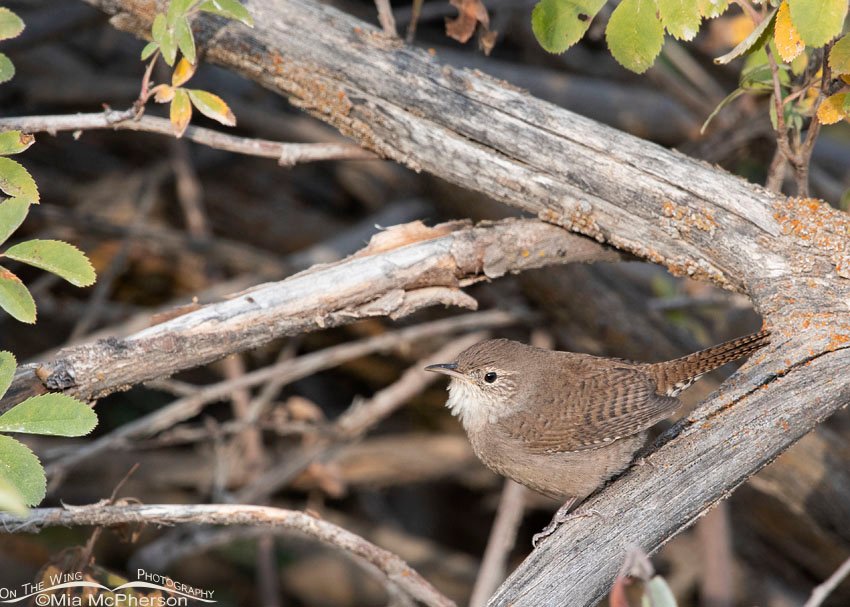
House wrens are small, lively birds known for their energetic and curious nature. Their behavior often surprises bird watchers due to their boldness and strong territorial instincts. Understanding how house wrens act helps clarify myths about their interactions with other birds, including whether they harm them.
Typical Habits
House wrens are active throughout the day. They hop quickly on the ground and flit through bushes. These birds eat mainly insects and spiders. Their sharp, chattering songs mark their territory. Males sing loudly to attract females and warn rivals. They are very protective of their space and nests.
Nesting Patterns
House wrens use old nests or small cavities for building their homes. They gather twigs, grass, and feathers to create a cozy nest. Often, they pick spots close to human homes, like birdhouses or tree holes. Males sometimes destroy other birds’ eggs or nests nearby to reduce competition. This behavior is about securing space, not killing other birds directly.
Aggression In House Wrens
House wrens show a surprising level of aggression despite their small size. This behavior helps them defend their space and resources. Aggression plays a key role in their survival and nesting success. Understanding this can clarify if house wrens harm other birds.
Territorial Nature
House wrens fiercely guard their territory. Males sing loudly to mark their area. They chase away intruders with rapid flights and sharp calls. This protects their nest and food sources. The territory size varies but is usually small and well-defended.
Their aggression peaks during breeding season. They become especially protective of nesting sites. This behavior ensures their young have a safe place to grow. It also reduces competition for food nearby.
Interactions With Other Birds
House wrens often clash with other small birds. They may attack or drive away species that enter their territory. This includes bluebirds, chickadees, and sparrows. Wrens sometimes destroy eggs or nests of these rivals to reduce competition.
Despite this, they rarely kill other birds. Their aggression is mainly about defense and dominance. Physical harm is usually limited to chasing and pecking. Wrens focus on securing space rather than causing injury.
Incidents Of Bird Killing
House Wrens are often admired for their cheerful songs and active nesting habits. However, some bird watchers have reported unsettling behaviors where these small birds seem to kill other birds. Understanding these incidents helps you protect your backyard wildlife and make sense of what’s happening around your bird feeders and nesting boxes.
Recorded Cases
There have been documented cases where House Wrens have killed other birds, especially during the breeding season. These incidents mostly involve the wrens destroying eggs or nestlings of competing species. For example, wrens have been seen tearing apart nests of Bluebirds or Chickadees to eliminate competition for nesting sites.
Some bird enthusiasts have observed wrens attacking adult birds aggressively to protect their territory. These attacks can be quite intense, sometimes resulting in injury or death of the other bird. Have you ever noticed unusual aggression around your birdhouses? This might be the wrens defending their claim.
Reasons Behind Aggression
Territorial behavior is the main reason behind House Wrens’ aggression. They fiercely guard their nesting areas, especially when raising young. This drive can push them to extreme actions, including killing other birds or destroying nests.
Competition for limited nesting sites is another major factor. House Wrens prefer cavities or nest boxes, which are also sought after by many small birds. When space is scarce, wrens may resort to eliminating rivals to secure a safe home for their offspring.
Understanding these behaviors can help you manage your bird habitats better. Providing multiple nesting boxes spaced apart may reduce conflicts. Have you tried arranging your birdhouses differently to see if it affects the wrens’ aggression?

Credit: www.earthofbirds.com
Impact On Bird Populations
The impact of house wrens on bird populations is a topic that often raises curiosity among bird watchers and nature lovers alike. Understanding how these small but assertive birds interact with their neighbors can help you appreciate the delicate balance of your local ecosystem. Let’s take a closer look at their influence on other birds and what it means for the environment around you.
Effect On Local Species
House wrens are known for their aggressive behavior, especially during nesting season. They often take over nests built by other small birds, sometimes destroying eggs or young chicks in the process. This can reduce the population of certain local species such as bluebirds and chickadees.
However, this interaction doesn’t always lead to a drastic decline. Some bird species have adapted by building nests in more hidden or secure locations. Have you noticed if your backyard birds change their nesting spots when wrens are around?
Ecological Balance
Despite their aggressive tendencies, house wrens play a role in maintaining ecological balance. Their habit of controlling insect populations benefits many other creatures in the habitat. This natural pest control can actually support the health of trees and plants, indirectly aiding other bird species.
It’s important to consider whether the presence of house wrens disrupts the ecosystem or contributes positively in the long run. How might your garden or local park change if house wrens were suddenly absent? Observing these dynamics can give you deeper insight into the complex web of nature around you.
Preventing Conflicts
House Wrens are small but fierce defenders of their territory. They can become aggressive and even harm other birds. Preventing conflicts between House Wrens and other species is crucial. Proper management can help create harmony in your backyard.
Habitat Management
Creating a balanced habitat is essential. Ensure there’s enough space for different bird species. Planting dense shrubs can provide shelter and hiding spots. This reduces competition and stress among birds. Maintain clean water sources to attract various species. Fresh water helps birds stay healthy and hydrated.
Providing Alternative Nesting Sites
Offering additional nesting sites can prevent territorial fights. Install multiple birdhouses with ample distance between them. This gives birds their own space to nest peacefully. Ensure birdhouses are at different heights and locations. Variety in placement helps accommodate different preferences.
Choose birdhouses with different entrance sizes. This attracts a range of bird species and minimizes conflict. Regularly clean and maintain the birdhouses. A clean environment encourages occupancy and reduces disease spread.
Credit: www.onthewingphotography.com
Myths Vs Reality
House Wrens often get a bad reputation when it comes to their behavior around other birds. Many people wonder if these tiny birds actually kill others to protect their territory or nests. Separating the myths from reality helps you understand what’s really happening in your backyard and how you can coexist peacefully with these lively creatures.
Common Misconceptions
One common myth is that House Wrens deliberately kill other birds, especially nestlings, to eliminate competition. People often blame them for empty nests or missing chicks nearby. This leads to the idea that House Wrens are aggressive predators rather than just protective parents.
Another misconception is that their constant chattering and aggressive behavior mean they are dangerous to other bird species. You might hear about wrens attacking larger birds, but is that really true? Many times, what looks like an attack is actually territorial defense, not a lethal assault.
Scientific Findings
Scientific studies show that House Wrens are highly territorial, but their aggression usually stops short of killing other birds. They mainly destroy eggs or remove rival nestlings to reduce competition for resources, not to kill for food. This behavior is common in many cavity-nesting birds trying to secure the best spots.
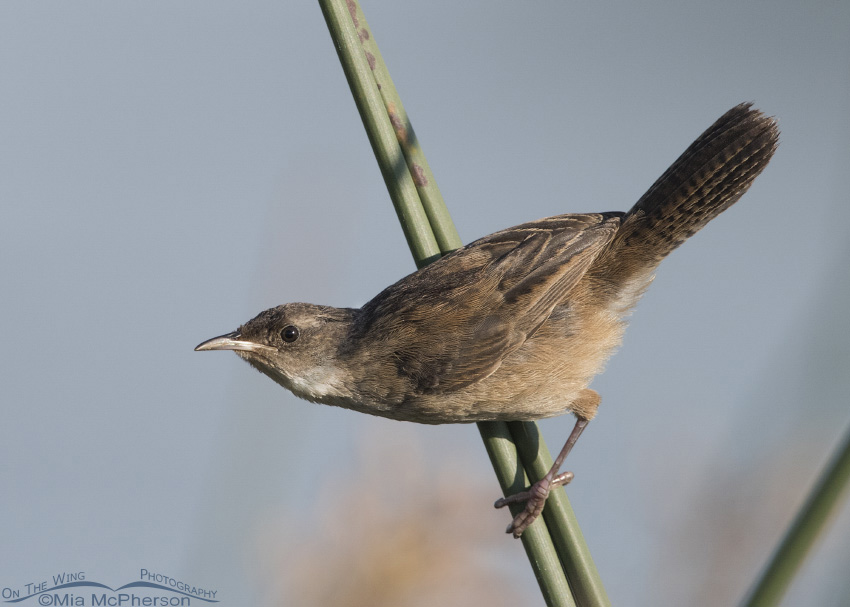
Research also highlights that House Wrens rarely harm adult birds. Their actions are more about protecting their own young than attacking others. So, when you see wrens being feisty around your garden, remember they are mostly just defending their space, not hunting their neighbors.
Credit: www.onthewingphotography.com
Frequently Asked Questions
Do House Wrens Attack Other Birds’ Nests?
House wrens often invade other birds’ nests to claim space. They may destroy eggs or chicks to take over. This behavior helps them secure nesting sites but can harm other bird species nearby.
Why Do House Wrens Kill Eggs Or Chicks?
House wrens kill eggs or chicks to reduce competition. Removing rival offspring increases their own young’s survival chances. This aggressive nesting behavior is common during breeding season.
Are House Wrens Dangerous To Small Birds?
House wrens can be aggressive toward smaller birds. They may attack or displace them from nesting areas. However, they rarely kill adult birds, focusing mostly on eggs or nestlings.
How Can I Protect Other Birds From House Wrens?
To protect other birds, use wren-proof nest boxes. Install boxes with small entrance holes to limit wren access. Regularly monitor nests and relocate wrens if necessary to reduce conflicts.
Conclusion
House Wrens sometimes chase other birds to protect their nests. They do not usually kill other birds. Their behavior is mostly about keeping their space safe. These small birds can be quite bold and noisy. Understanding their actions helps us appreciate their role in nature.
Watching them shows how they survive and care for their young. Nature can be tough but also interesting. House Wrens remind us that even small creatures work hard to live.




