
Have you ever wondered why the tropics are home to so many unique bird species you won’t find anywhere else? If you love birds or nature, understanding this mystery will change how you see the world.
The tropics are bursting with life, and the secret behind their rich bird diversity is closer than you think. Keep reading to discover the surprising reasons why these regions hold the key to so many special birds—and how this knowledge can deepen your connection with nature.
:focal(1061x707:1062x708)/https://tf-cmsv2-smithsonianmag-media.s3.amazonaws.com/filer_public/2c/74/2c74a43f-f969-4fbf-9165-2b8227ec68a6/gettyimages-898596862.jpg)
Credit: www.smithsonianmag.com
Tropical Bird Diversity
The tropical regions of the world are a hotspot for bird diversity. These lush environments offer a unique blend of climate, food resources, and habitats that support a staggering variety of bird species. As you explore tropical forests or coastlines, you’ll notice how many bird species call these places home exclusively, showcasing nature’s intricate patterns of life.
Bird Species Distribution Patterns
Bird species are not spread evenly across the globe. The tropics, near the equator, host far more species than colder regions. This happens because the warm climate and abundant food in tropical zones create ideal conditions for many species to thrive.
Think about how birds adapt to different niches in the forest—from the canopy to the forest floor. This diversity in living spaces allows many species to coexist without competing directly. You might spot colorful toucans in the upper branches and secretive antbirds closer to the ground, each perfectly suited to their micro-habitat.
Have you ever wondered why some birds are found only in certain tropical areas and nowhere else? It’s because these regions have unique environments shaped by geography and climate, leading to isolated populations that evolve separately.
Endemism Defined
Endemism refers to species that live in a specific place and nowhere else on Earth. Tropical regions have many endemic bird species due to their long-term stability and isolated landscapes like islands and mountain ranges.
For example, the Hawaiian honeycreepers are a famous group of endemic birds that evolved in isolation on the Hawaiian Islands. Their diversity shows how isolation in the tropics can lead to the creation of new species over time.
Understanding endemism helps you appreciate why protecting tropical habitats is crucial. When you lose an endemic species’ habitat, you risk losing that species forever. How do you think conservation efforts can prioritize these unique birds to protect our planet’s natural heritage?
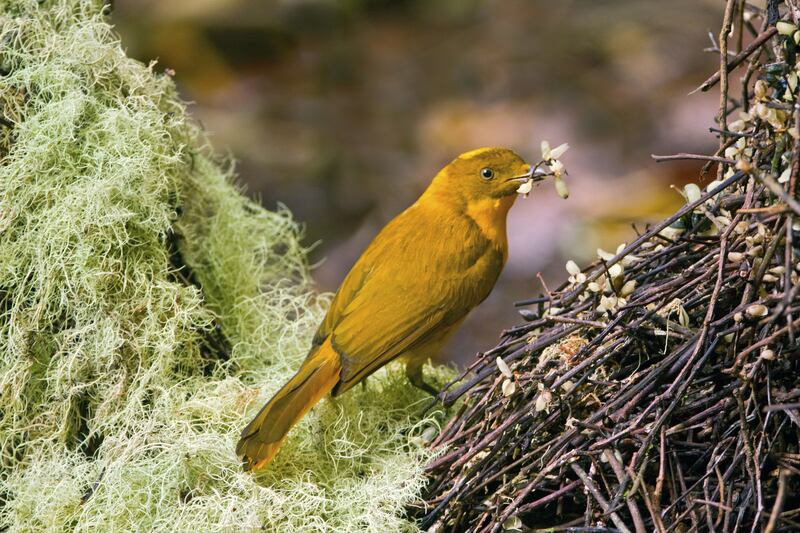
Credit: www.ctvnews.ca
Climate Influence On Bird Habitats
The climate plays a crucial role in shaping bird habitats, especially in tropical regions. These areas offer conditions that allow diverse bird species to thrive and evolve uniquely. Understanding how climate affects these habitats helps explain why the tropics have so many endemic birds found nowhere else on Earth.
Stable Tropical Climate Effects
The tropics experience less temperature variation throughout the year compared to temperate zones. This stability creates a consistent environment where birds can breed and feed year-round without facing harsh winters or extreme heat. You might notice how tropical birds often have bright colors and complex behaviors, which develop because the climate supports long life cycles and continuous activity.
Stable climates reduce the need for migration, allowing birds to stay put and adapt specifically to their local environment. This leads to more specialized species that fit into unique niches. Have you ever wondered why tropical forests sound so alive with bird calls even in winter? It’s because the climate supports constant activity.
Resource Availability And Seasonality
Unlike regions with harsh seasons, tropical areas offer steady food and shelter resources. Fruit, insects, and nectar are available almost year-round, which helps birds maintain populations without large fluctuations. This abundance encourages a higher number of species to coexist, each adapting to particular food sources or habitats.
Seasonality in the tropics is often linked more to rainfall than temperature, causing subtle but important changes in resource distribution. Birds respond by developing unique breeding or feeding strategies aligned with these cycles. Have you noticed how some tropical birds time their nesting with rainy seasons? This strategy ensures their chicks have enough food.
Understanding these climate influences can change how you view birdwatching or conservation efforts. When you visit a tropical forest, pay attention to how the climate shapes the birds’ behavior and diversity—it’s a live example of nature’s balance at work.
Geographical Factors
Geographical factors play a key role in why tropical regions host more endemic bird species. The unique landforms and natural barriers in these areas help create isolated environments. These isolated spots encourage birds to evolve separately, forming species found nowhere else. The variety of habitats in the tropics also supports diverse bird life, each adapted to its niche.
Isolation And Speciation
Isolated areas prevent birds from mixing with other populations. Islands, rivers, and dense forests act as natural borders. Birds trapped in these zones develop unique traits over time. This process, called speciation, leads to new species. Tropical regions have many such isolated spots, boosting endemic bird numbers.
Mountain Ranges And Habitat Variation
Mountain ranges create different climates and habitats at various heights. Birds living at one elevation may not survive at another. This separation causes birds to adapt differently to each zone. The tropics often have tall, complex mountains. These mountains provide many habitats, supporting many unique bird species.
Ecological Interactions
Ecological interactions shape the rich variety of bird species found in the tropics. These interactions influence how species live, compete, and evolve together. Understanding these dynamics helps explain why so many birds in tropical regions are unique to their habitats.
Niche Specialization
In tropical environments, birds often develop very specific roles or niches. This means they adapt to use particular food sources, nesting sites, or times of activity that reduce overlap with other species.
Think about hummingbirds in tropical forests. Each species may feed on different flowers or hover at varying heights. This specialization lowers competition and allows more species to thrive in the same area.
Have you noticed how some birds only eat certain insects or fruits? Such precise adaptations create a delicate balance where many species can coexist without outcompeting each other.
Competition And Coexistence
Competition is intense in the tropics because many species live close together. Yet, instead of driving each other away, tropical birds find ways to coexist.
- They may forage at different times of the day.
- Some stick to distinct microhabitats within the forest.
- Others develop unique calls or behaviors to avoid confusion.
This constant push and pull between competition and coexistence creates opportunities for new species to evolve. It’s a natural puzzle where every bird’s survival depends on how well it fits into the ecosystem.
Next time you watch birds in a tropical forest, ask yourself: how does each one carve out its own space without stepping on the toes of another?
Evolutionary Processes
Evolutionary processes play a key role in creating the rich variety of birds found in tropical regions. These processes help species adapt and diversify over time. The stable climate and complex habitats in the tropics encourage unique evolutionary paths. Birds evolve to fill many different ecological roles, leading to more endemic species. Understanding these processes reveals why tropical areas are hotspots for bird diversity.
Adaptive Radiation
Adaptive radiation occurs when a species rapidly evolves into many new forms. This happens as birds explore different habitats and food sources. In the tropics, many niches are available, allowing birds to specialize. For example, some birds develop unique beaks to eat specific fruits or insects. This specialization reduces competition and supports more species living closely. Adaptive radiation leads to many closely related, yet distinct, endemic bird species.
Long-term Evolutionary Stability
The tropics have a stable climate with little change over millions of years. This stability allows species to evolve slowly and steadily. Birds have time to develop unique traits without drastic disruptions. Long-term stability reduces extinction rates and supports the survival of many unique species. This steady environment encourages the accumulation of endemic birds that remain isolated from other regions.

Credit: www.ctvnews.ca
Conservation Implications
Tropical regions host diverse habitats, leading to more endemic bird species. High biodiversity and stable climates support unique evolutionary paths. Conservation efforts in these areas are crucial to protect these irreplaceable species.
Conserving tropical bird species is crucial for biodiversity. Tropical regions host more endemic bird species than anywhere else. These areas are biodiversity hotspots, rich with unique life forms. Protecting them is vital for maintaining global ecological balance. These birds often face specific threats that can lead to extinction.Threats To Endemic Birds
Endemic birds in tropics face numerous threats. Habitat loss is a major issue. Deforestation for agriculture reduces their living space. Climate change alters their natural habitats. These changes affect their food supply and breeding patterns. Invasive species pose another threat. They compete for resources and sometimes prey on native birds. Human activities also disturb their ecosystems.Protecting Tropical Biodiversity
Protecting these birds requires focused efforts. Conservationists work on habitat restoration projects. Reforestation helps bring back native plants and trees. Protected areas and reserves offer safe havens. They prevent land use changes that threaten bird habitats. Community engagement is key. Local communities can help monitor and protect bird populations. Education raises awareness about the importance of biodiversity. Conservation policies must be enforced to be effective.Frequently Asked Questions
Why Do Tropical Regions Have More Endemic Birds?
Tropical regions offer stable climates and diverse habitats. This stability allows species to evolve uniquely, resulting in more endemic birds. High plant diversity also supports specialized diets, encouraging bird specialization and endemism.
How Does Climate Affect Bird Endemism In Tropics?
Warm, stable tropical climates reduce extinction risks and promote continuous breeding. This environment allows birds to adapt to narrow niches, leading to a higher number of endemic species compared to temperate zones.
What Role Does Habitat Diversity Play In Endemic Bird Species?
Habitat diversity provides varied ecological niches in the tropics. Birds adapt to specific habitats, such as rainforests or mangroves, fostering unique evolutionary paths. This specialization increases endemic bird species in these regions.
Are Isolation And Geography Important For Tropical Bird Endemism?
Yes, geographic isolation like islands or mountain ranges limits gene flow. This isolation promotes speciation and endemism by allowing birds to evolve independently in tropical areas.
Conclusion
Tropical regions offer warm climates and stable environments. These conditions help many bird species survive and grow. Also, diverse plants provide plenty of food and shelter. Isolation on islands and mountains allows birds to evolve separately. This leads to unique species found nowhere else.
Protecting tropical habitats keeps these special birds safe. Their variety shows how nature adapts in different places. Understanding this helps us value and care for wildlife. The tropics remain a rich home for many endemic birds.




