
Have you ever wondered where the stunning birds-eye view landscapes in Northern Renaissance paintings come from? These sweeping scenes capture your attention with details you might miss at first glance.
Understanding the origins and techniques behind these views can change the way you see art forever. You’ll discover the secrets that make these paintings so unique and why they still fascinate art lovers like you today. Keep reading to unlock the mystery behind these breathtaking perspectives.

Credit: www.artera.ae
Birds-eye View In Northern Renaissance Art
Birds-eye view is a common feature in Northern Renaissance paintings. Artists used this viewpoint to show landscapes and towns from above. This gave viewers a new way to see the world in art.
Northern Renaissance artists focused on detail and realism. The birds-eye view helped them include many elements in one scene. It also added depth and scale to their works.
Key Characteristics
Birds-eye view paintings in this era have several key features. These include detailed landscapes, small human figures, and clear buildings. The scenes often show villages, rivers, and forests from above.
- High viewpoint looking down on the scene
- Strong focus on natural details like trees and water
- Use of light and shadow to create depth
- Inclusion of many small figures and activities
- Careful rendering of buildings and town layouts
Notable Artists
Several artists are known for their use of birds-eye views in Northern Renaissance art. They combined skillful painting with detailed observation of nature and towns.
| Artist | Famous Work | Contribution |
| Albrecht Dürer | View of Nuremberg | Detailed town views from above |
| Joos de Momper | Mountain Landscape | Large landscapes with high viewpoints |
| Bruegel the Elder | Hunters in the Snow | Scenes showing villages and nature from above |
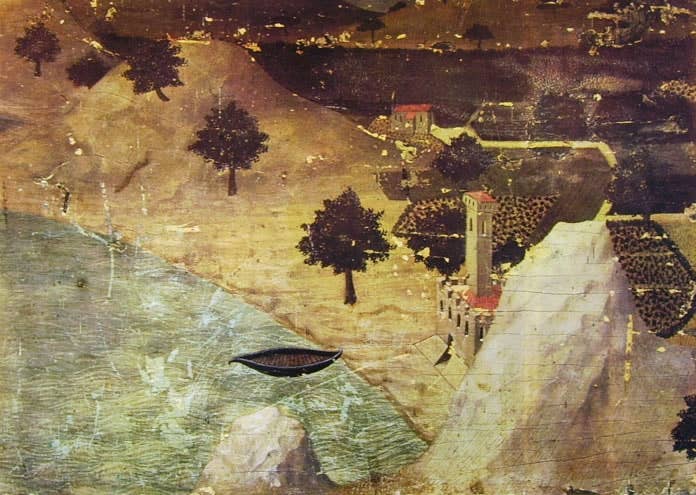
Credit: owlcation.com
Historical Context And Influences
Birds-eye view landscape paintings became popular during the Northern Renaissance. Artists showed cities and lands from above. This view gave a new way to see the world.
These paintings were influenced by old maps and new ideas about space. They combined art, science, and exploration to create detailed pictures.
Medieval Cartography
Medieval maps were the first to show land from above. They were not very accurate but had important details. These maps helped artists learn how to draw landscapes.
Mapmakers used symbols and colors to explain places. Artists copied these ideas to make their paintings clear and interesting.
- Maps showed cities, rivers, and roads
- Symbols represented important buildings
- Colors marked different regions
- Maps were used for travel and trade
Advances In Perspective
Artists in the Northern Renaissance learned new ways to show depth. They used perspective to make scenes look three-dimensional. This made birds-eye views more realistic.
Linear and aerial perspectives helped artists place objects correctly. They could show distance and size clearly in their paintings.
- Linear perspective uses lines to show depth
- Aerial perspective changes color for distance
- Objects get smaller as they move away
- These techniques create a sense of space
Cultural And Religious Impacts
Birds-eye view landscapes in Northern Renaissance paintings show more than just land. They reveal deep cultural and religious meanings. Artists used these views to share ideas and beliefs of their time.
These paintings reflect how people saw their world and their faith. The details in the landscape tell stories about life, nature, and religion.
Symbolism In Landscapes
Landscapes often include symbols that represent religious or moral ideas. Trees, rivers, and buildings carry special meanings. These symbols guide viewers to think about faith and life’s challenges.
- Forests can symbolize mystery or the unknown.
- Rivers often represent life’s journey or cleansing.
- Churches show the presence of faith and community.
- Mountains may stand for strength and closeness to God.
Patronage And Audience
Many paintings were made for wealthy patrons. These patrons were often religious leaders or noble families. They wanted art that showed their beliefs and power.
| Patron Type | Purpose | Audience |
| Church Officials | Teach religious stories | Congregation |
| Noble Families | Display wealth and piety | Courts and visitors |
| Merchants | Show social status | Local community |
Inspiration Sources For Artists
Birds-eye view landscapes in Northern Renaissance paintings show scenes from above. Artists used new ideas to create these views. They looked at many things around them to get inspired.
These artists wanted to show land, cities, and nature in fresh ways. They learned from travel, science, and careful watching. This helped their art look real and detailed.
Travel And Exploration
Travel was a big part of how artists found new ideas. Explorers brought back stories and maps from far places. Artists used these maps to draw scenes from above.
They also saw new lands and cities when people visited towns. This helped artists imagine what places looked like from high up. Travel gave them fresh views to paint.
- Maps from explorers showed wide areas.
- New cities inspired detailed rooftops and streets.
- Travel stories helped artists picture distant lands.
Scientific Observations
Artists studied nature and the sky carefully. They learned how light and shadow work from real observation. This helped make their pictures more lifelike.
Science also improved map-making and drawing skills. Artists used these to create better birds-eye views. They aimed to show accurate details from a high point.
- Careful study of light and shadow added depth.
- Improved maps gave more accurate views.
- Observation of nature helped with realistic details.
Legacy In Later Art Movements
The birds-eye view landscape style from the Northern Renaissance left a strong mark on art history. Many artists and movements drew ideas from its unique perspective and detail.
This style helped change how people saw and painted the world around them. It influenced how artists created depth and space in their work.
Baroque And Beyond
Baroque artists used dramatic angles and detailed landscapes, inspired by Northern Renaissance views. They added movement and emotion to these scenes.
Birds-eye views helped Baroque painters show grand settings and busy scenes with many people and actions. This made their paintings lively and complex.
- Use of high viewpoints to show large scenes
- More focus on light and shadow for drama
- Adding emotion and action to landscapes
Modern Interpretations
Modern artists use birds-eye views in new ways. They often explore abstract shapes and patterns from above.
These views inspire modern art in photography, painting, and digital art. They help artists show familiar places in fresh ways.
- Abstract patterns from aerial views
- Use in urban and landscape photography
- Digital art with layered, top-down perspectives

Credit: www.kellybagdanov.com
Frequently Asked Questions
What Is A Birds-eye View In Northern Renaissance Painting?
A birds-eye view is a high, elevated perspective showing landscapes from above. Northern Renaissance artists used it to capture detailed scenes realistically.
Why Did Northern Renaissance Artists Use Birds-eye Views?
They used birds-eye views to display intricate details and spatial relationships clearly. This perspective helped convey depth and realism in their landscapes.
Where Can I See Famous Northern Renaissance Birds-eye Paintings?
Famous examples are found in works by Pieter Bruegel the Elder. Museums in Europe often display these detailed landscape paintings.
How Did Birds-eye Views Influence Landscape Painting?
Birds-eye views introduced a new way to depict space and environment. They inspired later artists to explore complex, realistic landscapes.
Conclusion
Birds-eye view landscape paintings changed the Northern Renaissance era. Artists captured scenes from above. This unique perspective made the world look different. Viewers saw broader views of landscapes. These paintings showed more details than before. They were a fresh, creative approach.
Artists highlighted the beauty of the land. This style influenced art for generations. It offered a new way to see the world. The technique remains inspiring today. Exploring these artworks helps us appreciate past creativity. They remind us of art’s power to transform perspectives.
A true testament to artistic innovation and vision.




