
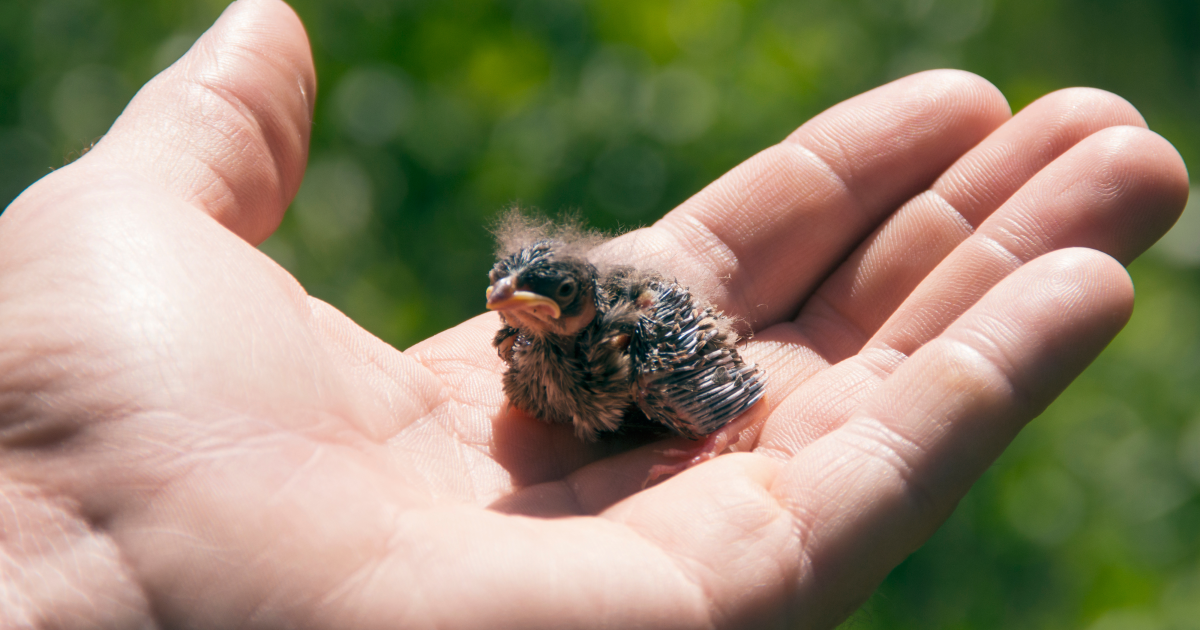
Finding a baby bird in need can be both exciting and overwhelming. You want to help, but you might wonder, “What should I feed this tiny creature to keep it safe and healthy?” Feeding a baby bird the wrong food can do more harm than good.
That’s why knowing exactly what to give your little feathered friend matters. You’ll discover simple, effective tips on feeding a baby bird at home. By the end, you’ll feel confident and ready to provide the care your baby bird truly needs.
Keep reading to learn how to make a real difference in your bird’s life.
Credit: www.petsradar.com
Choosing The Right Food
Choosing the right food for a baby bird is crucial for its growth and survival. The food you provide should closely match the bird’s natural diet to ensure it receives the necessary nutrients. Feeding the wrong type of food can harm the bird or stunt its development, so understanding what to offer is key.
Types Of Baby Bird Food
Baby birds need food that is easy to digest and rich in protein. Common options include:
- Specialized Baby Bird Formula:Commercially available formulas are designed to meet the nutritional needs of various baby bird species. They are often the safest choice if you’re unsure.
- Boiled Eggs:Mashed boiled eggs provide essential proteins and fats. They work well as a supplement or temporary food source.
- Insects and Larvae:Many baby birds naturally eat insects like mealworms or crickets. These are excellent sources of protein and fats.
- Soft Fruits and Vegetables:Offer small amounts of mashed fruits like apples or berries and veggies like peas for added vitamins.
Have you noticed how some baby birds refuse certain foods? It’s often about texture and taste, so patience and experimentation help.
Foods To Avoid
Knowing what not to feed a baby bird is just as important. Avoid these common mistakes:
- Milk and Dairy:Birds can’t digest lactose, and dairy products can cause digestive upset or worse.
- Bread and Processed Foods:These lack nutrients and can lead to malnutrition or choking hazards.
- Seeds and Nuts:Hard seeds can be difficult for baby birds to swallow and digest.
- Human Junk Food:Items like chips, candy, or anything salty or sugary are harmful and should never be given.
Feeding a baby bird isn’t just about filling its stomach. What you choose influences its health and future survival. What food choices will you make to help your little feathered friend thrive?
Credit: www.petsradar.com
Preparing Homemade Bird Food
Preparing homemade bird food is a safe way to feed a baby bird at home. It helps provide the right nutrients for growth and health. Homemade food can mimic what birds eat in nature. Fresh ingredients ensure the baby bird gets energy and vitamins. This section guides you through choosing ingredients and making the food just right.
Ingredients You Need
- Hard-boiled egg yolk – rich in protein
- Cooked rice or oatmeal – provides energy
- Baby bird formula powder (optional) – adds extra nutrients
- Plain yogurt – aids digestion
- Mashed fruits like banana or apple – supply vitamins
- Boiled vegetables such as peas or carrots – add fiber
- Water – to adjust consistency
Mixing And Consistency Tips
Start by mashing the egg yolk and soft fruits thoroughly. Mix in cooked rice or oatmeal for bulk. Add yogurt or baby bird formula powder to enrich the mix.
Use water to make the food smooth but not runny. The final texture should be thick but easy to swallow. Test by feeding a small amount with a spoon or syringe. Adjust the thickness until it flows slowly but steadily.
Keep the food fresh by making small batches daily. Store unused portions in the refrigerator for up to 24 hours. Warm the food slightly before feeding to match the bird’s body temperature.
Feeding Techniques
Feeding a baby bird at home requires patience and attention to detail. The right techniques ensure the bird gets the nutrition it needs without harm. Understanding how often to feed, which tools to use, and practicing safety can make a big difference in your bird’s recovery and growth.
How Often To Feed
Baby birds need frequent feeding because they burn energy fast. Very young birds might need feeding every 15 to 20 minutes during daylight hours. As they grow, you can gradually space out the feedings to every 30 to 60 minutes.
Watch the bird’s behavior closely; if it opens its mouth eagerly, it’s a good sign it’s hungry. Overfeeding can be dangerous, so avoid forcing food if the bird turns away or closes its beak. Can you commit to this kind of schedule to give your bird the best care?
Proper Feeding Tools
Using the right tools makes feeding easier and safer for both you and the baby bird. Small syringes, eyedroppers, or tiny spoons work well for delivering food gently. Avoid large or sharp objects that can injure the bird’s delicate mouth.
Cleanliness is key—always sterilize your tools before each feeding to prevent infections. I once tried feeding a baby bird with a regular kitchen spoon and quickly realized the size was overwhelming and risky. What simple tools do you have at home that could be adapted safely for feeding?
Safe Feeding Practices
Safety is critical to prevent choking or aspiration. Hold the bird upright or slightly inclined to help the food go down smoothly. Never force food into the throat or feed the bird while it’s lying flat on its back.
Feed slowly and watch for signs of distress like coughing or head shaking. If the bird struggles, stop and let it rest before trying again. Remember, your calm and steady approach can make feeding less stressful for the little bird in your care.
Hydration Needs
Keeping a baby bird hydrated is just as important as feeding it the right food. Water supports their tiny bodies in many ways, from aiding digestion to maintaining body temperature. Without enough water, a baby bird can quickly become weak and ill.
When And How To Provide Water
Baby birds get most of their water from the food you feed them, especially if you offer soft, moist meals like soaked dog kibble or mashed fruits. However, as they grow, you should start offering small amounts of water separately.
Use a shallow dish or a dropper to provide water carefully. Never force water directly into their beak, as this can cause choking. Instead, let the bird sip the water slowly or use a dropper to place tiny drops near its mouth.
Signs Of Dehydration
Watch for these signs to know if your baby bird needs more fluids:
- Sunken eyes or dull, tired appearance
- Dry or wrinkled skin around the beak and eyes
- Weakness or lethargy
- Reduced appetite or less frequent begging for food
If you notice any of these signs, increase hydration by offering more moist food and small amounts of water. Paying attention to these clues can save a baby bird’s life.
Monitoring Baby Bird Health
Monitoring a baby bird’s health is essential for its survival and growth. Careful observation helps spot problems early. Knowing the signs of hunger, feeding issues, and illness supports better care at home.
Recognizing Hunger Cues
Baby birds show clear signs when they are hungry. Watch for wide-open mouths and loud chirping. Movement toward the feeder or your finger is a strong signal. A healthy baby bird begs eagerly. Less active or silent birds may not be hungry or could be ill.
Common Feeding Issues
Sometimes feeding does not go as planned. Overfeeding can cause crop swelling or regurgitation. Underfeeding leads to weak, slow growth. Watch for refusal to eat or spitting food. Food left in the crop too long may rot and cause infection. Keep feeding tools clean to avoid illness.
When To Seek Veterinary Help
Seek help if the baby bird shows these signs:
- Persistent lethargy or weakness
- Swollen or hard crop
- Breathing difficulties or wheezing
- Unusual droppings or diarrhea
- Refusal to eat for more than one feeding
A vet can diagnose and treat infections or injuries. Early care can save a baby bird’s life.
Weaning Tips
Weaning a baby bird is a critical step in its development. This transition involves moving from a liquid diet to solid foods. Understanding this process ensures the bird grows healthy and strong. Let’s explore some essential weaning tips.
Introducing Solid Foods
Begin by offering soft, easily digestible foods. Choose foods like mashed fruits and vegetables. These are gentle on the bird’s digestive system. Place small amounts in a shallow dish. This encourages exploration and tasting. Gradually increase the variety of foods. Offer seeds and small pellets as the bird progresses.
Encouraging Independent Eating
Place food within the bird’s reach. This fosters curiosity and independence. Observe the bird’s eating habits closely. Ensure it consumes enough food daily. Positive reinforcement is key. Praise and gentle encouragement boost confidence. Patience is vital during this stage. Each bird weans at its own pace. Adjust feeding strategies as needed. Aim for a balanced diet for optimal growth.
Credit: pethelpful.com
Frequently Asked Questions
What Is The Best Food For Baby Birds At Home?
The best food for baby birds includes softened dog food, hard-boiled eggs, and soaked dog biscuits. These provide essential protein and nutrients needed for growth. Avoid bread or milk, as they can harm the baby bird’s health. Always feed in small, frequent amounts.
How Often Should I Feed A Baby Bird?
Feed a baby bird every 15 to 20 minutes during daylight hours. Young birds need frequent feeding to maintain energy and support development. As they grow, feeding intervals can gradually increase. Monitor the bird’s hunger cues for best results.
Can I Use Milk To Feed A Baby Bird?
No, never feed milk to baby birds. Birds are lactose intolerant and cannot digest milk properly. Feeding milk can cause severe digestive issues and harm the baby bird. Use specialized bird formula or appropriate substitutes instead.
How Do I Prepare Food For A Baby Bird?
Prepare food by mashing or soaking it to a soft, easy-to-swallow consistency. Use warm water to soften dry foods like dog biscuits or cereals. Ensure the food is fresh and free from harmful additives before feeding.
Conclusion
Feeding a baby bird at home needs care and patience. Use soft, easy-to-digest foods like soaked dog food or mealworms. Always feed small amounts often to avoid harm. Keep the bird warm and safe while feeding. Watch for signs of health problems and seek help if needed.
With kindness and attention, you can help the bird grow strong. Remember, feeding baby birds is a big responsibility. Take your time and do it right. The little bird depends on you.




