
Have you ever wondered if the Bird of Paradise is truly a tropical plant? If you’re thinking about adding a splash of exotic beauty to your home or garden, knowing the right environment for this stunning flower is key.
You’ll discover what makes the Bird of Paradise special, where it thrives best, and how you can care for it to keep it healthy and vibrant. Keep reading, and you’ll soon see why this plant could be the perfect tropical touch you’ve been searching for.
Bird Of Paradise Origins
The Bird of Paradise plant has a rich and fascinating background. Its origins trace back to specific regions and environments that shape its unique appearance and growth habits. Understanding where this plant comes from helps gardeners care for it better and appreciate its tropical nature.
Native Regions
The Bird of Paradise is native to South Africa. It grows naturally in the coastal areas and subtropical zones. This region’s warm climate suits the plant well. It thrives in places with mild winters and hot summers.
Natural Habitat
In its natural habitat, the Bird of Paradise grows in open grasslands and forest edges. It prefers well-drained soil and plenty of sunlight. The plant often grows near rivers and streams, where moisture is more available. These conditions help it develop its vibrant flowers and strong leaves.
Credit: orchidrepublic.com
Tropical Characteristics
The Bird of Paradise is often linked to tropical environments. Its vibrant flowers and large leaves reflect traits found in tropical plants. These traits help it thrive in warm, moist areas. Understanding its tropical characteristics reveals why it is popular in gardens and homes.
Climate Preferences
Bird of Paradise prefers warm temperatures. It grows best in areas where temperatures stay above 50°F (10°C). It cannot handle frost or cold drafts. Humidity is important for its growth. High humidity mimics its native tropical habitat. Bright, indirect sunlight helps the plant flourish. Direct sunlight for several hours boosts flower production. Shady or cold places slow its growth and reduce blooms.
Growth Conditions
This plant thrives in rich, well-draining soil. It likes soil that holds moisture but does not stay soggy. Regular watering is needed, especially in warm weather. The soil should dry slightly between watering to prevent root rot. Bird of Paradise grows well in both pots and the ground. It benefits from occasional feeding with balanced fertilizer. Pruning dead leaves encourages new growth. The plant can reach up to 6 feet tall in good conditions.
Plant Description
The Bird of Paradise is a stunning tropical plant known for its unique shape and vibrant colors. It stands out in any garden or indoor space. This plant has striking features that make it easy to recognize. Both its flowers and leaves add to its exotic appeal. Understanding its appearance helps appreciate its tropical nature and beauty.
Flower Appearance
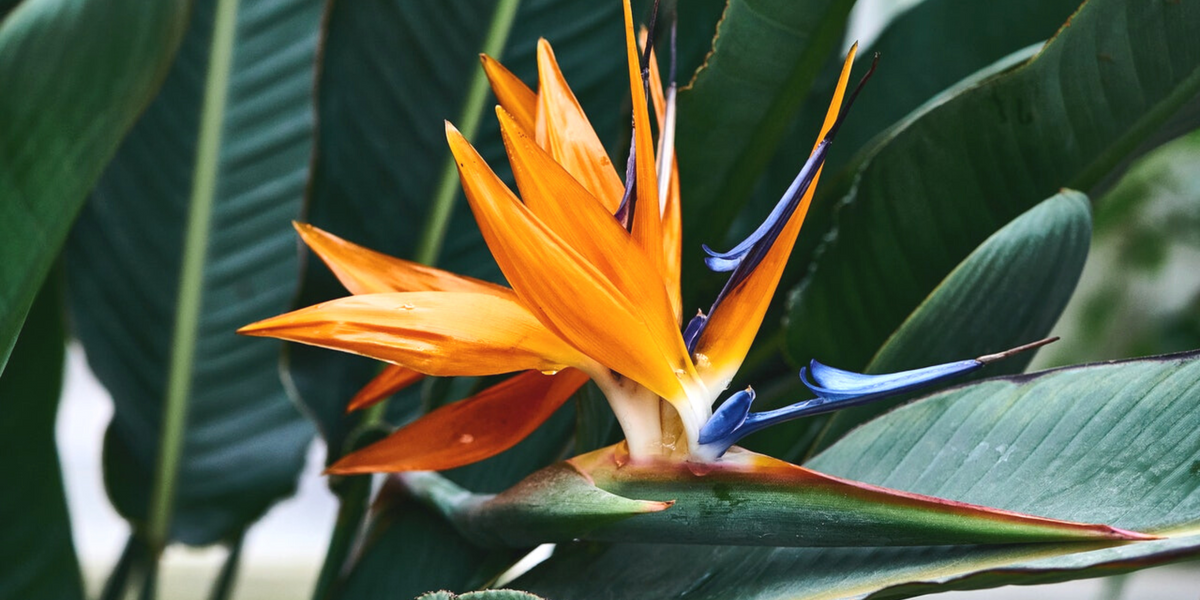
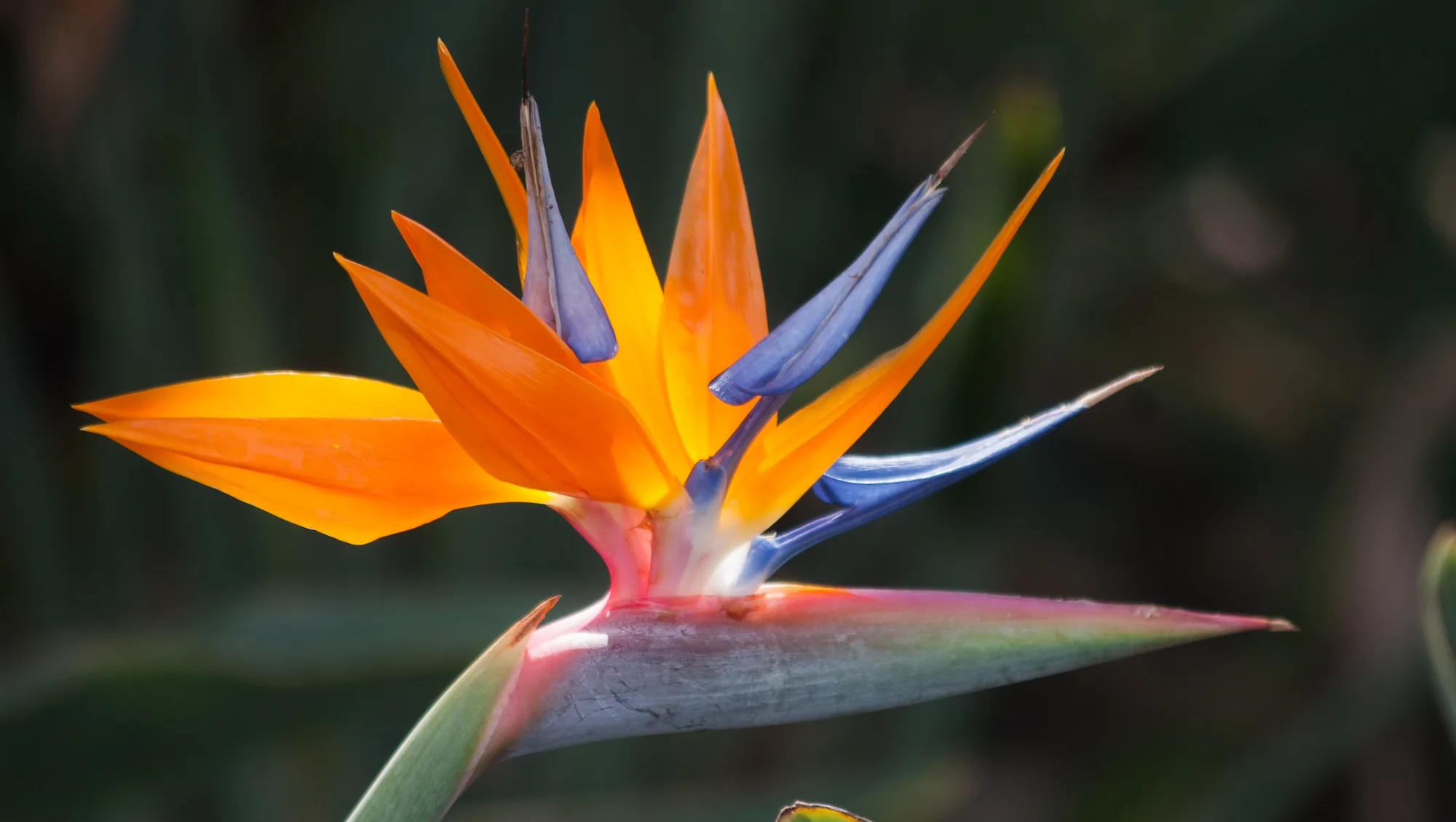
The flowers look like a bird in flight, which gives the plant its name. Bright orange and blue petals form a striking contrast. Each bloom has a pointed shape that resembles a bird’s beak and plumage. The flowers grow on tall, sturdy stalks that rise above the leaves. They attract birds and pollinators with their vivid colors and sweet nectar.
Leaf Structure
The leaves are large, glossy, and shaped like banana leaves. They have a smooth texture and deep green color. Each leaf grows on a long stem, creating a fan-like arrangement. The leaves can reach up to two feet in length. They provide a lush backdrop for the colorful flowers, emphasizing the plant’s tropical look.
Cultivation Tips
Growing Bird of Paradise plants requires attention to their basic needs. Proper care helps them bloom with their unique, colorful flowers. Understanding soil, water, light, and temperature is key to healthy growth.
Soil And Water Needs
Bird of Paradise thrives in rich, well-draining soil. A mix with organic matter works best. Avoid waterlogged soil to prevent root rot.
Water the plant deeply but allow the top inch of soil to dry out between watering. During the growing season, keep the soil moist but not soggy. Reduce watering in winter when growth slows down.
Light And Temperature
This tropical plant loves bright light. It grows well in full sun or partial shade. Too little light can cause poor flowering and leggy growth.
Ideal temperatures range from 65°F to 70°F (18°C to 21°C). Protect the plant from cold drafts and temperatures below 50°F (10°C). Warm, stable conditions encourage strong growth and vibrant blooms.
Common Varieties
Bird of Paradise plants come in a few popular varieties, each with unique traits that might suit your space differently. Understanding these common types can help you choose the right one for your home or garden. Let’s look at two well-known varieties that often catch the eye of tropical plant lovers.
Strelitzia Reginae
Strelitzia Reginae, often called the “orange Bird of Paradise,” is famous for its bright, striking flowers that resemble a bird in flight. Its compact size makes it perfect for indoor spaces or smaller gardens. If you want a plant that stands out with vibrant color, this variety delivers without needing a huge amount of space.
From my experience, placing a Strelitzia Reginae near a sunny window brought a lively burst of color to my living room. It thrives with moderate watering and plenty of sunlight, making it fairly easy to care for. Could this be the perfect tropical accent for your home?
Strelitzia Nicolai
Strelitzia Nicolai, also known as the “giant Bird of Paradise,” grows much larger and has lush, banana-like leaves. It’s an excellent choice if you want a bold, tropical vibe in your garden or a spacious indoor area. This variety can become a dramatic focal point with its impressive height and large foliage.
When I added a Strelitzia Nicolai to my patio, it immediately changed the atmosphere, giving it a lush, tropical feel. Keep in mind, it needs room to grow and bright, indirect light to flourish. Do you have enough space to let this giant thrive and transform your environment?
Credit: www.hawaii-aloha.com
Uses And Benefits
Bird of Paradise is a tropical plant known for its vibrant, exotic flowers. It adds beauty to gardens and indoor spaces while thriving in warm climates. Its unique shape often attracts birds and enhances natural decor.
Bird of Paradise is more than just a pretty plant. It’s a symbol of the tropics. This tropical plant offers various uses and benefits. Its striking appearance brings joy and beauty to many spaces. But its value extends beyond aesthetics. It plays a role in environmental health, too.Ornamental Value
The Bird of Paradise is a stunning addition to any garden. Its vibrant flowers resemble a bird in flight. This makes it a popular choice for tropical-themed gardens. The plant’s unique shape and vivid colors catch the eye. It creates a focal point in landscapes or indoor spaces. The Bird of Paradise also complements other plants well. Its lush, green foliage adds depth and texture. This makes it a versatile choice for plant arrangements. Whether indoors or outdoors, it adds a touch of exotic elegance.Environmental Impact
Bird of Paradise plants benefit the environment. They help purify the air by absorbing pollutants. This makes them excellent for indoor spaces. Cleaner air improves overall health and well-being. These plants also support local ecosystems. They attract pollinators like birds and insects. This enhances biodiversity in gardens and natural areas. By planting Bird of Paradise, you contribute to a healthier ecosystem. Overall, the Bird of Paradise serves both ornamental and environmental purposes. It offers beauty and supports ecological balance.Challenges In Growing
Bird of Paradise thrives best in warm, tropical climates but can struggle in cooler areas. It needs plenty of sunlight and well-drained soil to grow well. Protecting it from frost and dryness is often a challenge for gardeners.
Growing a Bird of Paradise plant can be a rewarding experience, but it does come with its set of challenges. This tropical beauty requires specific care to thrive, and even the most experienced gardeners can find themselves navigating a few hurdles. If you’re considering adding this striking plant to your collection, it’s essential to understand the potential challenges you might face.Pests And Diseases
Bird of Paradise plants, like many tropical varieties, are susceptible to pests such as aphids, mealybugs, and spider mites. These pests can sap the vitality of your plant, leaving it looking less vibrant. Regularly inspect your plant for signs of infestation, such as discolored leaves or sticky residue. A simple solution involves using a mixture of water and mild soap to spray on the affected areas. This can effectively deter pests without harming the plant. If the problem persists, consider using a neem oil spray as an organic option to keep these nuisances at bay.Seasonal Care
While Bird of Paradise plants thrive in warm climates, they can struggle when temperatures drop. If you live in an area with cold winters, you may need to move your plant indoors or provide additional insulation. Consider using a grow light to simulate the sun’s rays during shorter winter days. During the summer, ensure your plant receives plenty of sunlight, ideally five to six hours a day. Overwatering is another common challenge, so let the soil dry out between waterings. This care routine will help maintain your plant’s health throughout the year. Have you ever faced these challenges with your Bird of Paradise plant? What strategies have you found effective in overcoming them? Your experiences could be the key to someone else’s gardening success.
Credit: www.amazon.com
Frequently Asked Questions
Is Bird Of Paradise A True Tropical Plant?
Yes, Bird of Paradise is a true tropical plant. It thrives in warm, humid climates typical of tropical regions. It is native to South Africa but widely grown in tropical and subtropical areas worldwide.
Can Bird Of Paradise Grow Indoors In Non-tropical Areas?
Yes, Bird of Paradise can grow indoors in non-tropical areas. It requires bright, indirect sunlight and consistent humidity. Proper care mimics tropical conditions, allowing it to flourish indoors.
What Temperature Suits Bird Of Paradise Best?
Bird of Paradise grows best in temperatures between 65°F and 70°F (18°C to 21°C). It cannot tolerate frost or temperatures below 50°F (10°C). Warm temperatures support healthy growth and vibrant blooms.
Does Bird Of Paradise Need High Humidity Like Tropical Plants?
Yes, Bird of Paradise prefers high humidity similar to tropical environments. Maintaining humidity around 60% helps the plant stay healthy and prevents leaf damage.
Conclusion
Bird of Paradise is indeed a tropical plant loved by many. It grows best in warm, sunny places with good air. This plant adds bright, beautiful colors to any garden or home. Taking care of it is simple with regular water and sunlight.
Its unique shape and flowers make it stand out. People enjoy having it indoors and outdoors. Understanding its tropical nature helps you grow it better. A perfect choice for those who want a touch of the tropics. Try adding Bird of Paradise to your plant collection today.




