
Have you ever woken up with itchy, red bumps on your skin and wondered where they came from? If you’ve been around birds or noticed tiny insects on your feathers, you might be dealing with bird lice bites.
These bites can be uncomfortable and confusing, but the good news is you don’t have to suffer in silence. You’ll discover simple and effective ways to treat bird lice bites on your skin quickly. Keep reading to learn how to ease the itching, prevent infection, and get back to feeling comfortable again.
Your skin deserves the best care, and we’re here to help you with every step.
Credit: www.bedbugbarrier.com.au
Identifying Bird Lice Bites
Bird lice can sometimes bite humans. These bites can cause itching and discomfort. Knowing how to spot these bites helps you treat them quickly.
This guide explains how to identify bird lice bites. It also shows how they differ from other insect bites.
Common Symptoms
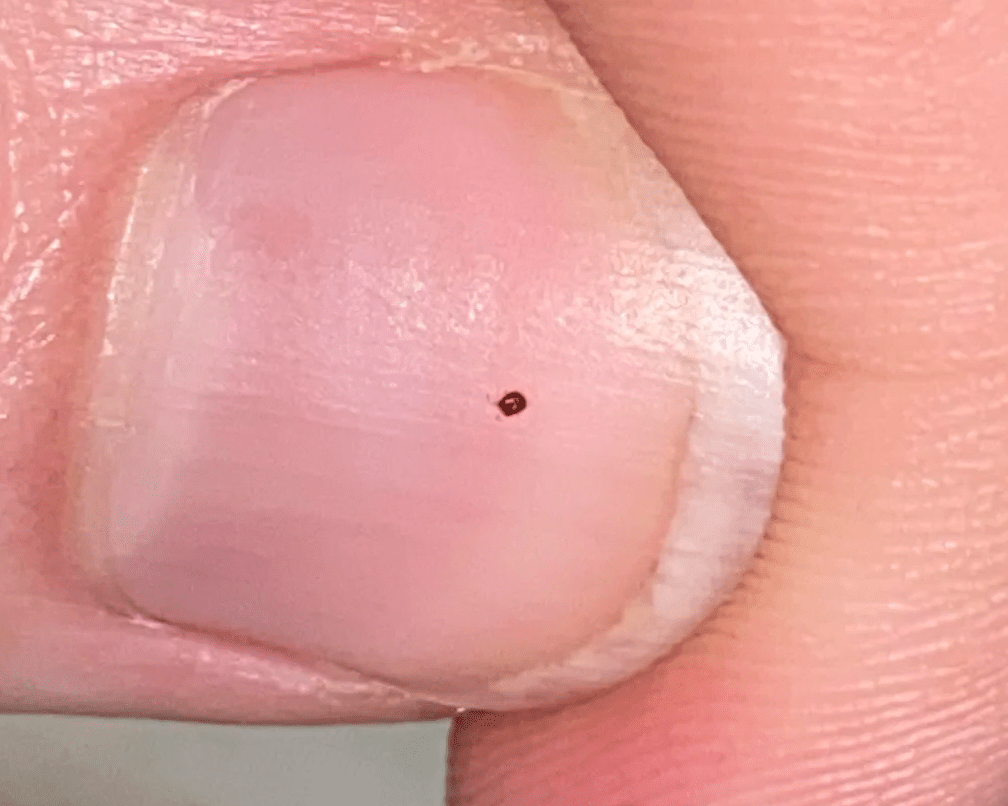
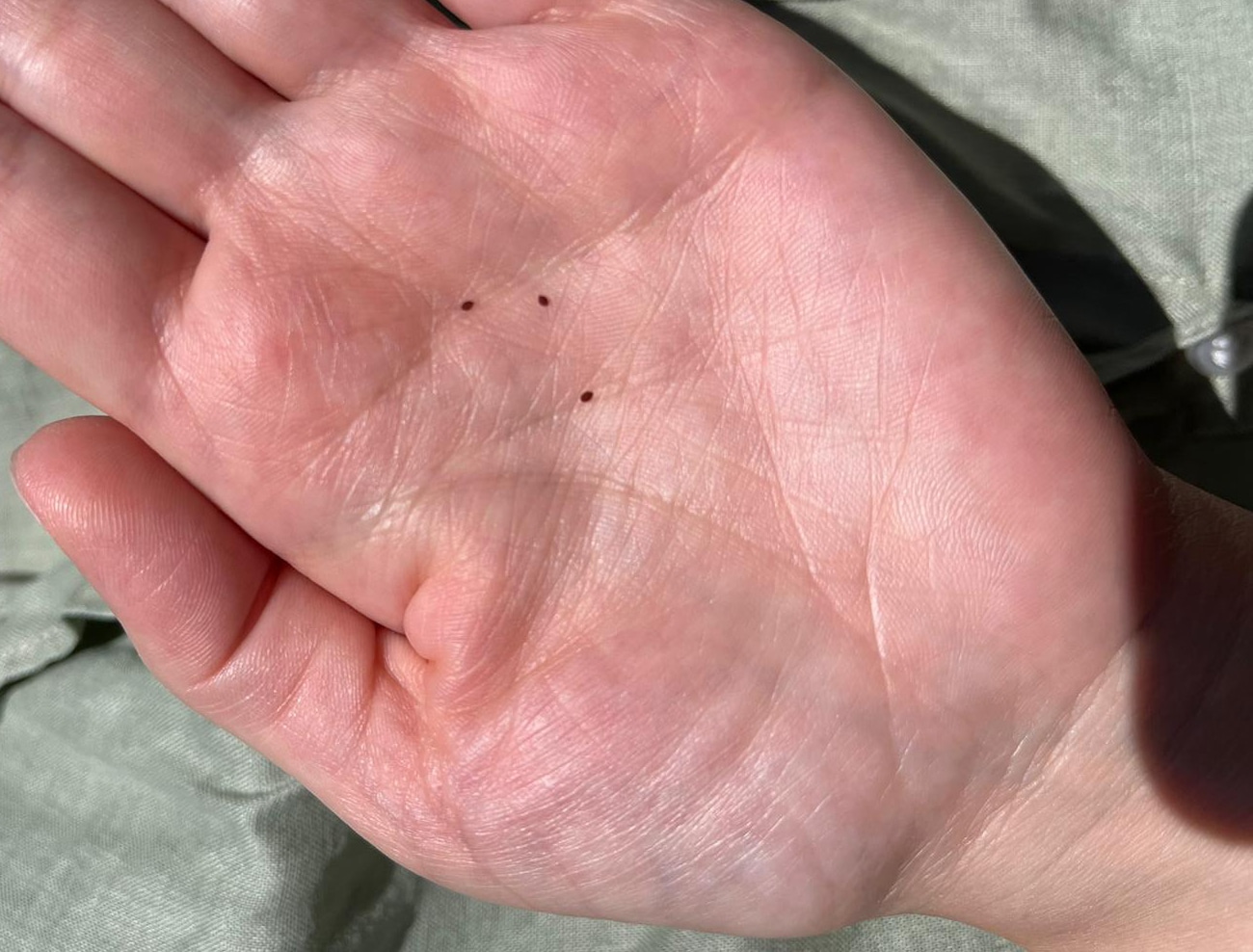
Bites from bird lice often cause red, itchy spots. The skin may become swollen or irritated. Some people might feel a mild burning sensation.
- Small red bumps on the skin
- Itching that starts soon after the bite
- Swelling around the bite area
- Sometimes mild pain or burning
- Clusters of bites in one area
How Bird Lice Bite Humans
Bird lice usually live on birds, but they can bite humans if they lose their host. They crawl onto human skin to feed on blood. Bites happen mostly at night or in places where birds nest.
The lice use their small mouthparts to pierce the skin. They do not stay on humans long. Bites are often found on arms, neck, and shoulders.
- Bird lice bite to feed on blood
- Bites occur when lice leave birds temporarily
- They bite exposed skin areas
- Bites often appear in groups
Distinguishing From Other Insect Bites
Bird lice bites look similar to bites from other insects. They cause small red bumps with itching. The key difference is their location and timing.
Bites often appear near bird nests or where birds rest. They come in clusters and itch more at night. Unlike flea or mosquito bites, bird lice bites may be less swollen.
- Bird lice bites cluster near bird areas
- They cause less swelling than flea bites
- Itching is strong, especially at night
- Do not usually spread diseases like mosquitoes
Immediate Relief Steps
Bird lice bites can cause itching and discomfort on the skin. Acting quickly helps reduce irritation and swelling.
These steps will guide you through simple ways to ease the bite symptoms right away.
Cleansing The Affected Area
Wash the bite area gently with soap and cool water. This removes dirt and possible bacteria.
Keep the skin clean to prevent infection and help the healing process.
Applying Cold Compress
Place a cold compress or ice pack on the bite for 10 to 15 minutes. This helps reduce swelling and numb pain.
Wrap the ice pack in a cloth to protect your skin from frostbite.
Using Over-the-counter Remedies
Apply creams or lotions that contain hydrocortisone or calamine to calm itching. Antihistamine tablets can also help reduce allergic reactions.
Follow package instructions and avoid using these products on broken skin.
Home Remedies For Soothing Bites
Bird lice bites can cause itching and discomfort on your skin. Treating these bites quickly can stop irritation.
Simple home remedies can help soothe the itching and reduce redness. These remedies use natural ingredients you may have.
Natural Anti-itch Solutions
Cold compresses can calm itching and lower swelling. Applying ice wrapped in cloth helps ease pain.
Oatmeal baths are gentle and reduce skin irritation. Soaking in cool water with oatmeal helps soothe bites.
- Use a cold cloth or ice pack for 10 minutes.
- Take an oatmeal bath for 15-20 minutes.
- Keep the area clean to avoid infection.
Essential Oils And Their Benefits
Some essential oils can reduce itching and fight bacteria. They help heal the skin faster after bites.
Tea tree oil and lavender oil are popular choices. They have natural antiseptic and anti-inflammatory properties.
- Dilute essential oils with a carrier oil before use.
- Apply gently to the bitten area twice daily.
- Stop use if skin shows irritation.
When To Use Aloe Vera Or Honey
Aloe vera gel cools the skin and reduces swelling. It also speeds up healing with its natural compounds.
Honey acts as an antibacterial agent. It helps prevent infection and soothes the bite area.
- Apply fresh aloe vera gel directly to the bites.
- Use raw honey on the affected skin for 20 minutes.
- Rinse gently and repeat 2-3 times daily.
Preventing Infection
Bird lice bites can cause itching and irritation on human skin. Taking care of these bites helps stop infections. Simple steps can keep your skin safe and heal faster.
Learn how to protect your skin by avoiding scratching, keeping clean and dry, and knowing when to get medical help.
Avoiding Scratching
Scratching bird lice bites can break the skin and let germs enter. This increases the chance of infection and makes healing slower. Try these tips to avoid scratching:
- Keep your nails short and clean
- Use cold compresses to reduce itching
- Apply anti-itch creams or lotions as directed
- Distract yourself with activities to keep hands busy
Keeping Skin Clean And Dry
Cleaning the bite area helps remove dirt and bacteria. Dry skin stops lice and germs from growing. Follow these simple rules for care:
| Care Step | What to Do |
|---|---|
| Cleaning | Wash the bite gently with soap and warm water twice daily |
| Drying | Pat the skin dry with a clean towel; avoid rubbing |
| Moisturizing | Use a light lotion if skin feels too dry, but keep bites mostly dry |
| Clothing | Wear loose, breathable clothes to avoid sweat buildup |
When To Seek Medical Advice
Most bird lice bites heal on their own. See a doctor if you notice signs of infection or if bites worsen. Watch for these symptoms:
- Increased redness or swelling around the bite
- Warmth or pain that gets worse
- Yellow or green pus oozing from the bite
- Fever or feeling unwell
- Spreading rash beyond the bite area
Doctors can provide treatments like antibiotics or special creams. Early care helps prevent serious problems.
Avoiding Future Bird Lice Exposure
Bird lice can bite humans and cause itching and discomfort. It is important to avoid future exposure to prevent bites.
Taking simple steps can help reduce contact with bird lice. Keeping safe around birds and clean areas helps a lot.
Managing Bird Contact Safely
Limit direct contact with wild or pet birds to avoid lice bites. Watch for birds’ nests near your home.
If you must handle birds, do it gently and avoid touching their feathers too much. Check birds for lice before touching.
- Keep birds outside your living areas
- Remove old nests near windows or vents
- Use gloves when cleaning bird cages or nests
Protective Clothing And Barriers
Wear long sleeves and pants when near birds or their nests. Cover your skin to stop lice from biting.
Use gloves and hats as extra protection. These barriers keep lice from reaching your skin.
- Long-sleeved shirts and pants reduce exposed skin
- Gloves protect your hands during cleaning
- Hats can stop lice from reaching your scalp
- Use insect-repellent sprays safe for clothing
Maintaining Clean Living Spaces
Keep your home and yard clean to prevent bird lice from spreading inside. Remove bird droppings and debris often.
Wash bedding and furniture covers regularly. Vacuum floors and corners to remove lice or eggs.
- Clean bird feeders and birdhouses frequently
- Seal holes or gaps where birds can nest indoors
- Use vacuum cleaners with strong suction
- Wash fabrics in hot water to kill lice

Credit: vermicure.co.uk
Credit: www.bedbugbarrier.com.au
Frequently Asked Questions
What Are Common Symptoms Of Bird Lice Bites On Humans?
Bird lice bites cause itching, redness, and small bumps on the skin. Sometimes, mild swelling or irritation may appear. Symptoms usually develop within hours after contact with infested birds or their nests. These bites are generally harmless but uncomfortable.
How Can I Relieve Itching From Bird Lice Bites?
Apply an over-the-counter anti-itch cream or calamine lotion to the affected area. Use cold compresses to reduce swelling and soothe irritation. Avoid scratching to prevent infection. Taking an oral antihistamine can also help control itching and allergic reactions.
Are Bird Lice Bites Dangerous To Humans?
Bird lice bites are generally not dangerous and do not transmit diseases. They mainly cause mild skin irritation and discomfort. However, excessive scratching may lead to secondary infections. Consult a doctor if symptoms worsen or show signs of infection.
How Do I Prevent Bird Lice Bites At Home?
Avoid contact with wild birds and their nests near your home. Regularly clean and disinfect areas where birds roost. Use protective gloves when handling birds or cleaning nests. Seal gaps and openings to prevent bird infestations indoors.
Conclusion
Treating bird lice bites fast helps reduce itching and discomfort. Clean the affected skin with mild soap and water. Apply an anti-itch cream or lotion to soothe irritation. Avoid scratching to prevent infection and scarring. Keep your living area clean to stop lice from returning.
Watch for signs of infection, like redness or swelling. Seek medical help if symptoms worsen or don’t improve. Taking quick action ensures faster healing and comfort. Stay alert and protect yourself from future bites. Small steps make a big difference in staying bite-free.




