
Are you passionate about bird photography and wondering how to turn your stunning shots into income? Selling your bird photos can be a rewarding way to share your art and make money at the same time.
But where do you start? How do you find buyers who truly value your work? This guide will walk you through simple, practical steps to help you sell your bird photography effectively. By the end, you’ll have clear strategies to showcase your photos, reach the right audience, and boost your sales.
Ready to turn your passion into profit? Let’s dive in.
Choosing The Right Birds
Choosing the right birds is key to selling bird photography successfully. The species you select affect how buyers perceive your work. Certain birds attract more interest and can boost your sales. Understanding which birds appeal to your market helps you create valuable images. Focus on birds that are visually striking and easy to recognize. This makes your photos more desirable for prints, calendars, and digital use.
Popular Bird Species
Some bird species are favorites among photography buyers. Birds with bright colors or unique features often catch the eye. Examples include:
- Cardinals with their vivid red feathers
- Blue Jays known for their striking blue color
- Owls with their mysterious, big eyes
- Hummingbirds admired for their tiny size and fast wings
These birds are widely recognized and have a strong visual appeal. Including them in your portfolio can increase interest and sales.
Seasonal Bird Trends
Bird availability changes with seasons. Some birds appear only during certain times of the year. Capturing seasonal birds adds freshness to your collection. For example:
- Spring brings colorful warblers and nesting birds
- Fall features migrating geese and ducks
- Winter highlights birds like snow buntings and chickadees
Seasonal trends influence buyer demand. Photos of birds that relate to holidays or seasons can sell better.
Local Vs Exotic Birds
Local birds connect well with nearby buyers. They evoke a sense of place and familiarity. Exotic birds offer uniqueness and rarity. They attract buyers who want something different. Weigh these points:
| Local Birds | Exotic Birds |
|---|---|
| Easy to find and photograph | Harder to access but eye-catching |
| Appeal to local markets | Appeal to niche and international buyers |
| Reflect local nature and culture | Offer rare and unusual subjects |
Choose birds that fit your style and target audience. Balance local favorites with exotic species for variety.
Capturing Marketable Photos
Capturing marketable bird photos requires more than just snapping pictures of beautiful birds. You need images that grab attention and speak to buyers’ needs. Understanding how to use lighting, composition, and editing will help your photos stand out in a crowded market.
Lighting And Composition
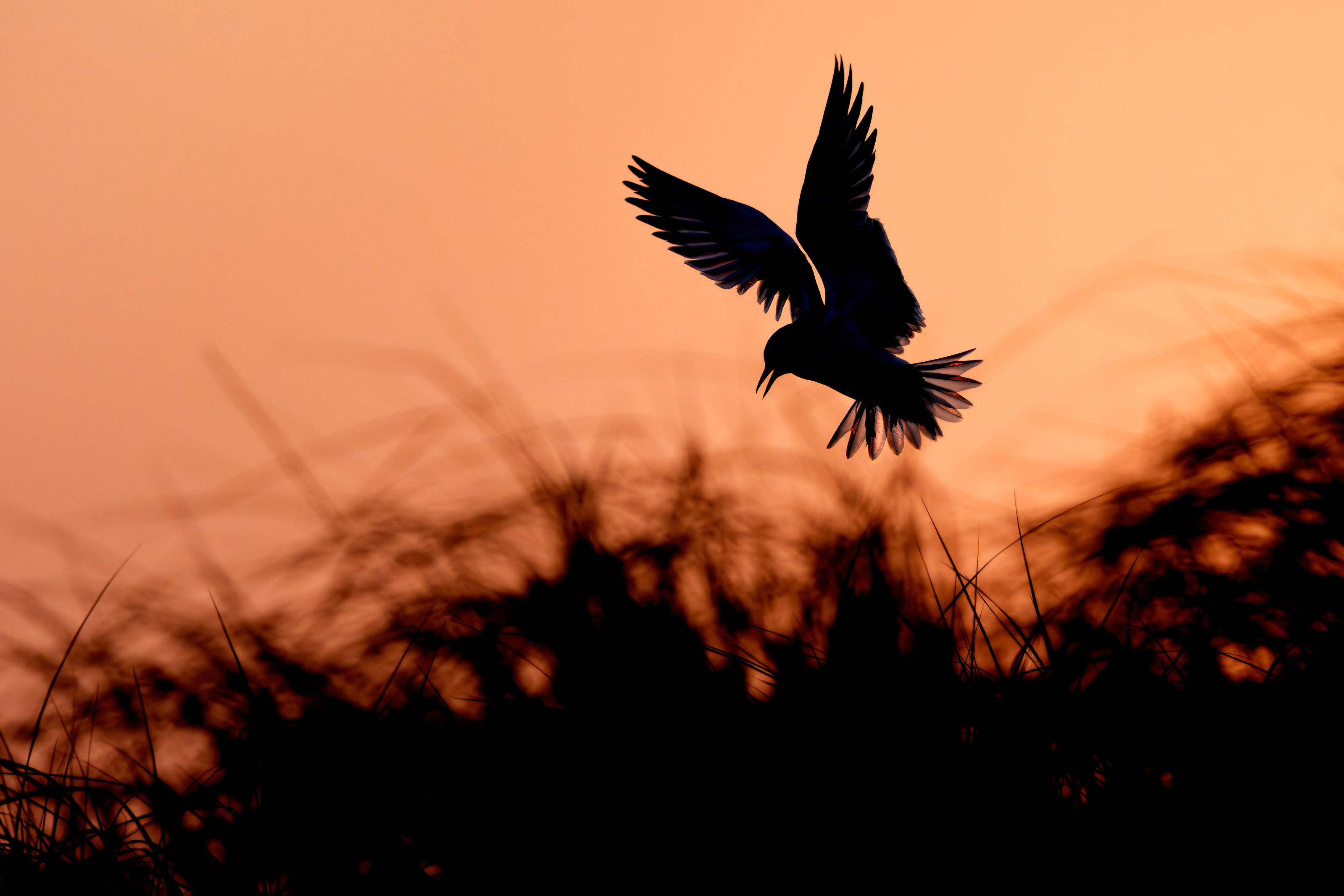
Good lighting can make or break a bird photo. Soft morning or late afternoon light often works best, highlighting feathers without harsh shadows. Avoid midday sun that can create blown-out highlights or deep shadows.
Composition guides the viewer’s eye and tells a story. Try using the rule of thirds to place the bird off-center, creating a balanced but dynamic image. Don’t be afraid to zoom in tight on details like feathers or eyes—these close-ups can be very striking to buyers.
Action Shots Vs Portraits
Decide what kind of bird photo fits your target market. Action shots, like birds in flight or feeding, show energy and life. They appeal to buyers looking for dynamic, natural scenes.
Portraits, on the other hand, focus on clarity and detail. A sharply focused bird against a soft background highlights beauty and personality. Which style do you feel more confident shooting? Both have strong selling points, so try to build a mix in your portfolio.
Editing For Impact
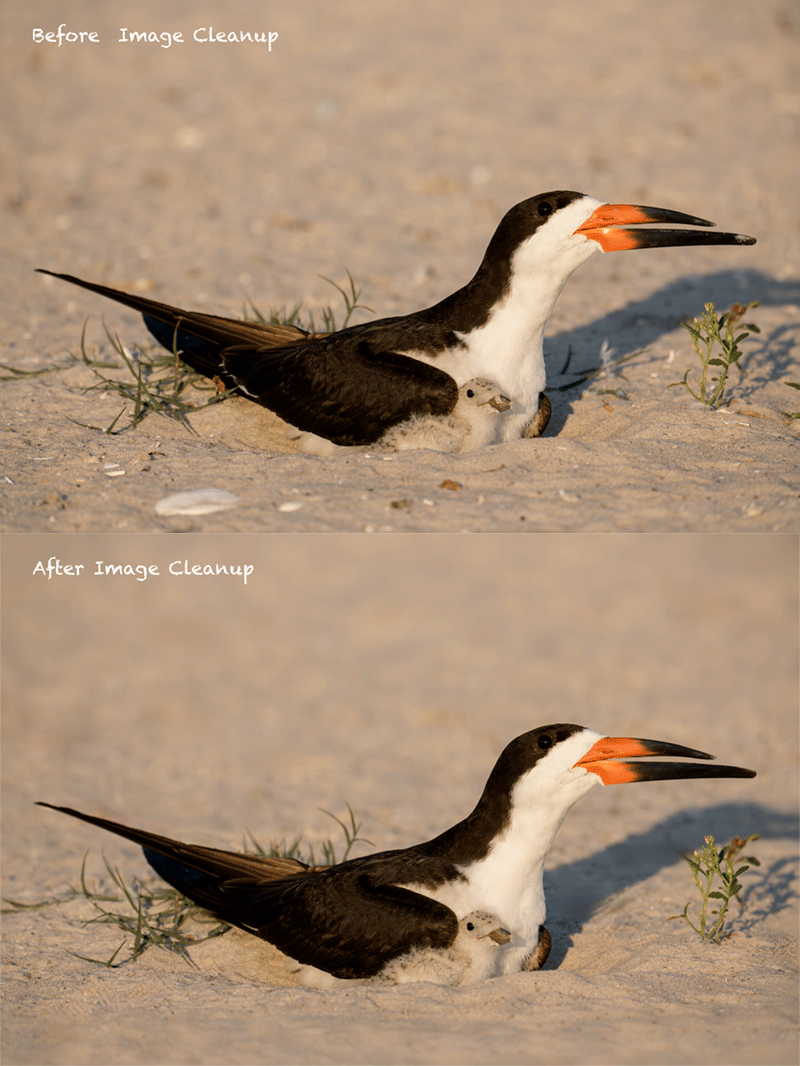
Editing lets you enhance your photos without changing their truth. Adjust brightness and contrast to make colors pop, but avoid overdoing it. Natural-looking photos sell better because buyers want authenticity.
Sharpen details like feathers and eyes carefully to draw attention where it matters. Cropping can improve composition or remove distractions. Remember, your goal is a clean, striking image that catches the buyer’s eye immediately.
Building A Strong Portfolio
Building a strong portfolio is essential if you want to sell your bird photography effectively. It’s more than just collecting beautiful images; it’s about showing your skill, creativity, and ability to capture the essence of birds in different environments. Your portfolio should speak to potential buyers, galleries, or clients, convincing them that your work deserves attention and investment.
Diverse Styles And Settings
Variety makes your portfolio stand out. Show birds in different lighting conditions—early morning mist, bright sunlight, or golden hour glow. Capture them in various habitats such as forests, wetlands, or urban parks.
Try different photographic styles like close-ups focusing on feathers, action shots of flight, or wide-angle images that place birds in a larger landscape. This range demonstrates your flexibility and ability to adapt to different situations, which buyers appreciate.
Showcasing Unique Shots
Unique images catch the eye and create lasting impressions. Look for uncommon bird behaviors or rare species to photograph. For instance, capturing a bird feeding its chicks or a moment of interaction between two species adds a story to your image.
Think about angles and perspectives that aren’t typical. Shooting from ground level or using reflections can make your photos more intriguing. What unusual moments have you captured that others might miss?
Organizing Your Work
A well-organized portfolio helps viewers navigate your work easily. Group your photos by theme, species, or style to create a logical flow. This organization allows buyers to find exactly what interests them without feeling overwhelmed.
Use high-quality digital platforms or print portfolios with clear labels and minimal distractions. Consider including brief captions that provide context or technical details. How can you make your portfolio effortless and enjoyable to explore?
Choosing Sales Channels
Choosing the right sales channels is crucial to successfully sell your bird photography. Each platform offers unique opportunities and challenges, so understanding where your target audience spends time can boost your sales significantly. Let’s look at some effective channels that can help you reach potential buyers.
Online Marketplaces
Online marketplaces like Etsy, eBay, and specialized art platforms give you access to a global audience. These sites often have built-in tools to help you showcase your work and handle transactions securely.
Listing your photos here means you compete with many sellers, so quality images and clear descriptions are key. Have you thought about what keywords your buyers might use to find bird photography?
Also, check the fees and commission rates before committing. Some marketplaces charge listing fees, while others take a percentage of each sale.
Social Media Platforms
Social media platforms such as Instagram, Facebook, and Pinterest are excellent for building a community around your bird photography. These channels allow you to engage directly with potential buyers and showcase your creative process.
Use hashtags strategically to increase visibility. Posting consistently helps maintain interest and can turn followers into customers.
Have you tried running targeted ads on these platforms? Even a small budget can boost your reach to people interested in wildlife and nature photography.
Local Galleries And Shows
Local art galleries and craft shows offer a personal touch to selling your bird photography. Meeting buyers face-to-face allows you to share the story behind each image, making your work more memorable.
Find out if galleries take a commission or require a fee to display your art. Participating in local events can also build your reputation in the community.
Think about how you can present your photos—framing and display quality can make a big difference in attracting attention.
Pricing Your Work
Setting the right price for your bird photography is key to making sales. Price too low and you might lose money. Price too high and customers may not buy. Understanding how to value your work helps attract buyers and respects your effort. Here are ways to decide your pricing.
Researching Market Rates
Start by checking what others charge for similar bird photos. Visit online galleries, photography sites, and marketplaces. Note prices for prints, digital downloads, and licenses. Pay attention to the photographer’s experience and image quality. This research gives a realistic price range to follow.
Value-based Pricing
Think about what makes your photos special. Unique bird species, rare moments, or great composition add value. Also, consider your skill and time spent. Price your work based on the value it offers buyers, not just costs. This approach builds respect for your art and keeps prices fair.
Offering Packages And Prints
Offer different buying options to reach more customers. Create packages like:
- Single digital image licenses
- Prints in various sizes
- Bundles of multiple photos
Prints can include framed or canvas options. Packages encourage larger purchases and provide choices for different budgets. Clear pricing for each option helps buyers decide quickly and easily.
Credit: www.birdsasart-blog.com
Marketing Strategies
Marketing bird photography can be challenging. Effective strategies help reach potential buyers and create demand. Focus on building your brand and connecting with the right audience. Leverage online platforms and communities to showcase your work. Collaborations can also enhance your reach and credibility.
Building An Online Presence
Establish a professional website. Display your best bird photographs. Use clear, high-quality images. Include detailed captions and stories. Optimize your website for search engines. Use keywords like “bird photography” and “nature images.” Make navigation easy. Add a contact page for inquiries. Share links to your social media.
Engage on platforms like Instagram and Pinterest. Post regularly to keep your audience engaged. Use hashtags related to birds and nature. Engage with followers through comments and messages. Build a loyal community around your work.
Engaging With Bird Communities
Join online bird photography forums and groups. Share your photographs and participate in discussions. Offer tips and advice to other photographers. Attend local birdwatching events and meetups. Network with other bird enthusiasts. Understand what bird lovers seek in photography. Tailor your portfolio to meet those interests.
Collaborate with birdwatching clubs. Offer to host photography workshops. Share your expertise with interested members. Build your reputation within these communities.
Collaborations And Partnerships
Partner with nature magazines and websites. Pitch your photographs for publication. Collaborate with wildlife organizations for campaigns. Contribute your images for awareness projects. Work with travel agencies promoting birdwatching tours. Provide them with stunning visuals for marketing.
Build relationships with other photographers. Create joint exhibitions to widen your audience. Share each other’s work on social media. This mutual promotion benefits both parties.
Legal And Licensing Tips
Understanding legal and licensing aspects is crucial in bird photography. It safeguards your work and ensures fair use. This section offers practical insights for photographers. Navigate the complexities of copyright and licensing with ease.
Copyright Basics
Copyright protects your photos from unauthorized use. Once you snap a photo, copyright is yours. It’s automatic. No registration needed. But registering can offer extra protection. It strengthens your legal standing in disputes.
Model And Property Releases
Do you need a model release for birds? Generally, no. But what if your photo includes private property? A property release may be necessary. This ensures you have permission to use the image commercially.
Usage Rights And Agreements
Define how others can use your photos. Usage rights are crucial. They specify terms like duration and geographical limits. Create agreements that match your business goals. Clear terms prevent misunderstandings and protect your interests.
Credit: www.birdsasart-blog.com
Boosting Sales Quickly
Boosting sales quickly in bird photography requires smart strategies. You need to catch the buyer’s eye and create urgency. Small changes can lead to faster results. Focus on clear offers and trust-building to attract more buyers.
Limited-time Offers
Limited-time offers create urgency and prompt buyers to act fast. Set a clear deadline for discounts or special deals. Use phrases like “only this week” or “ends soon” to motivate customers. This strategy encourages quick decisions and boosts sales.
Seasonal Promotions
Seasonal promotions match your photos with holidays or events. For example, offer discounts during spring when birds are active. Tailor your offers to match seasons like autumn or winter. This approach connects your products to buyers’ moods and needs.
Leveraging Customer Testimonials
Customer testimonials build trust and credibility. Share positive reviews and feedback from buyers. Use quotes or short stories about how your photos brightened their space. Testimonials make new customers feel confident about buying from you.
Credit: www.livescience.com
Frequently Asked Questions
How Can I Start Selling Bird Photography Online?
Begin by building a portfolio of your best bird photos. Use platforms like Etsy, Shutterstock, or Adobe Stock to sell digital copies. Promote your work on social media and bird photography forums to reach potential buyers and gain visibility.
What Equipment Is Best For Bird Photography Sales?
Use a DSLR or mirrorless camera with a telephoto lens for sharp, detailed shots. A tripod helps stabilize your camera. Good lighting and high resolution improve photo quality, making your images more attractive to buyers.
How Do I Price My Bird Photography Effectively?
Research market rates for similar bird photos on stock sites. Consider your experience, photo uniqueness, and usage rights. Price competitively but don’t undervalue your work to attract serious buyers and earn fair returns.
Where Can I Sell Bird Photography Prints?
Sell prints through online stores like Etsy, Fine Art America, or your own website. Local galleries, birdwatching clubs, and nature fairs are also great places to showcase and sell physical prints.
Conclusion
Selling bird photography takes patience and clear steps. Focus on good quality photos that show birds well. Share your work on websites where people buy photos. Connect with bird lovers and groups online. Keep learning about birds and photography to improve.
Pricing your photos fairly helps attract buyers. Stay consistent and enjoy sharing your passion. Success comes with time and effort. Keep shooting, sharing, and growing your skills.




