
Are you waking up with itchy, red bites and wondering where those tiny pests are coming from? Bird mites could be the hidden troublemakers invading your home.
These tiny creatures can make your living space uncomfortable and stressful. But don’t worry—you can take control and get rid of them for good. You’ll discover simple, effective steps to eliminate bird mites from your house and protect your family.
Keep reading, because the solution to your problem is easier than you think.
Identifying Bird Mites
Bird mites are tiny pests that can invade homes, causing discomfort and irritation. They often come from birds nesting near or inside buildings. Identifying bird mites early helps stop their spread and protect your family. Knowing their signs and common hiding places makes removal easier.
Signs Of Infestation
- Small red or pink spots on skin, often itchy
- Visible tiny moving dots on walls or furniture
- Bird nests near windows or vents with mites inside
- Increased bites after being near bird nesting areas
- Presence of shed bird feathers or droppings inside
Common Hiding Spots
- Cracks and crevices around windows and doors
- Air vents and chimneys connected to bird nests
- Under loose wallpaper or behind baseboards
- Inside attic or roof spaces with bird access
- Furniture near infested walls or windows

Credit: www.sunherald.com
Preparing Your Home
Getting rid of bird mites starts with how you prepare your living space. Before diving into treatments, you need to create an environment that makes it hard for these pests to survive and hide. This means more than just cleaning—it’s about setting the stage for effective mite elimination.
Cleaning And Decluttering
Bird mites thrive in cluttered, dusty areas where they can easily hide. Begin by removing piles of clothes, papers, or any items that gather dust and provide shelter for mites. Vacuum every corner of your home thoroughly, paying special attention to baseboards, carpets, and upholstered furniture.
Don’t forget to wash all your bedding, curtains, and cushions in hot water. Heat kills mites on contact and removes their eggs. If you have pet beds or blankets, treat those the same way.
How often do you clean behind or under furniture? These often-overlooked spaces can harbor mites. Make it a habit to move and clean these areas regularly to reduce the chances of mite nests.
Protective Measures
Protect yourself while preparing your home. Wear gloves, long sleeves, and a face mask to prevent mite bites during cleaning. Bird mites can cause itching and irritation, so shielding your skin is important.
Seal any cracks or gaps in walls, windows, and doors to block mites from entering. Use weather stripping or caulk to close off these potential entry points. This simple step can limit reinfestation after you’ve cleaned.
Consider using mattress and pillow covers designed to block mites. These create a barrier between you and any mites that might still be present. Have you checked your mattress cover lately? It might be time for an upgrade to ensure full protection.
Diy Treatment Methods
Getting rid of bird mites in your home can feel overwhelming, but you have several practical DIY options at your fingertips. Tackling the problem yourself not only saves money but also gives you control over the products and methods you use around your family and pets. Let’s explore some straightforward ways to clear out these pests effectively.
Natural Remedies
Natural remedies offer a gentle yet effective way to reduce bird mite populations. You can start by thoroughly vacuuming carpets, furniture, and curtains to remove mites and their eggs. Dispose of the vacuum bag immediately to prevent re-infestation.
Washing bedding and fabrics in hot water can kill mites hiding in your linens. Adding a cup of white vinegar to the wash boosts the cleaning power and helps neutralize odors.
Another tip is to sprinkle diatomaceous earth around infested areas. This natural powder damages the mites’ exoskeletons, leading to dehydration. Just make sure you use food-grade diatomaceous earth and keep it away from pets’ food and water.
Chemical Solutions
Chemical treatments can offer quick relief, but choosing the right product is crucial. Look for acaricides specifically designed for bird mites to avoid unnecessary toxicity.
Always follow the label instructions carefully—overuse or misuse can harm your health and pets. It’s a good idea to ventilate the treated areas well after application and keep children and animals away until it’s safe.
If you decide to spray, target cracks, crevices, and places where mites hide, such as window sills and baseboards. Repeat treatments might be necessary to fully eliminate the infestation.
Using Essential Oils
Essential oils can be a powerful weapon against bird mites, thanks to their natural insect-repelling properties. Oils like tea tree, eucalyptus, and lavender are popular choices that also leave your home smelling fresh.
You can mix a few drops of essential oil with water in a spray bottle and apply it to infested areas. Be cautious with the concentration—too much can irritate skin or respiratory systems.
Some people find that diffusing essential oils around the house helps keep mites at bay. Have you tried this approach before? It might be a simple addition to your pest control routine that makes a big difference.

Credit: www.atpest.com.au
Preventing Future Infestations
Seal cracks and gaps around windows and doors to block bird mites. Keep your home clean and remove old bird nests nearby. Regularly check for signs of mites to act quickly.
Preventing bird mites from making a comeback in your home is a task that demands both vigilance and strategy. Once you’ve successfully eradicated these pesky pests, the next step is ensuring they don’t return. How can you effectively keep bird mites at bay? The answer lies in a combination of sealing entry points and maintaining a clean environment.Sealing Entry Points
Bird mites often find their way into homes through small cracks and gaps. Begin by inspecting your home thoroughly. Check for any crevices around windows, doors, and even attic spaces. Use caulk or weatherstripping to seal these potential entry points. Focus on areas where birds might nest, as these are prime locations for mites to enter your living space. Remember, even tiny gaps can be an open invitation for mites. Regularly recheck these areas, especially after extreme weather conditions, as they can create new openings.Regular Maintenance
Regular maintenance is your best friend in preventing future infestations. Make it a habit to clean and vacuum your home frequently. Pay special attention to areas that collect dust and debris, as mites thrive in such environments. Don’t forget to check and clean air vents and ducts. These often overlooked spots can harbor mites and other pests. A simple routine of dusting and vacuuming can make a significant difference. Consider setting a reminder for seasonal inspections. This proactive approach helps catch potential issues before they become infestations. Ask yourself: are you doing everything possible to make your home uninviting to bird mites? By taking these steps, you can enjoy a mite-free sanctuary.When To Seek Professional Help
Knowing when to seek professional help is key to managing bird mite infestations. Some situations demand expert attention to ensure safety and effectiveness. Recognizing these signs early can save time and prevent health risks.
Persistent Infestation Despite Diy Treatments
Repeated cleaning and home remedies may fail against bird mites. If mites return quickly or spread, professional services become necessary. Experts use stronger treatments that are not available to the public.
Severe Skin Reactions Or Allergies
Bird mite bites can cause itching, redness, or allergic reactions. When symptoms worsen or do not improve, a doctor or pest control expert can help. They can provide proper medical care and pest removal.
Large Or Hard-to-reach Infested Areas
Bird mites often hide in walls, attics, or vents. These locations are difficult to treat without special tools. Professionals can inspect and treat these areas thoroughly and safely.
Risk Of Bird Nests Near The Home
Bird nests close to or inside the house increase mite risks. Removing nests and treating affected areas requires caution. Pest control experts can handle this safely and prevent re-infestation.
Health Concerns In Vulnerable Individuals
Children, elderly, and people with weak immune systems need extra care. Exposure to bird mites can worsen their health conditions. Professionals ensure a safer environment for these individuals.
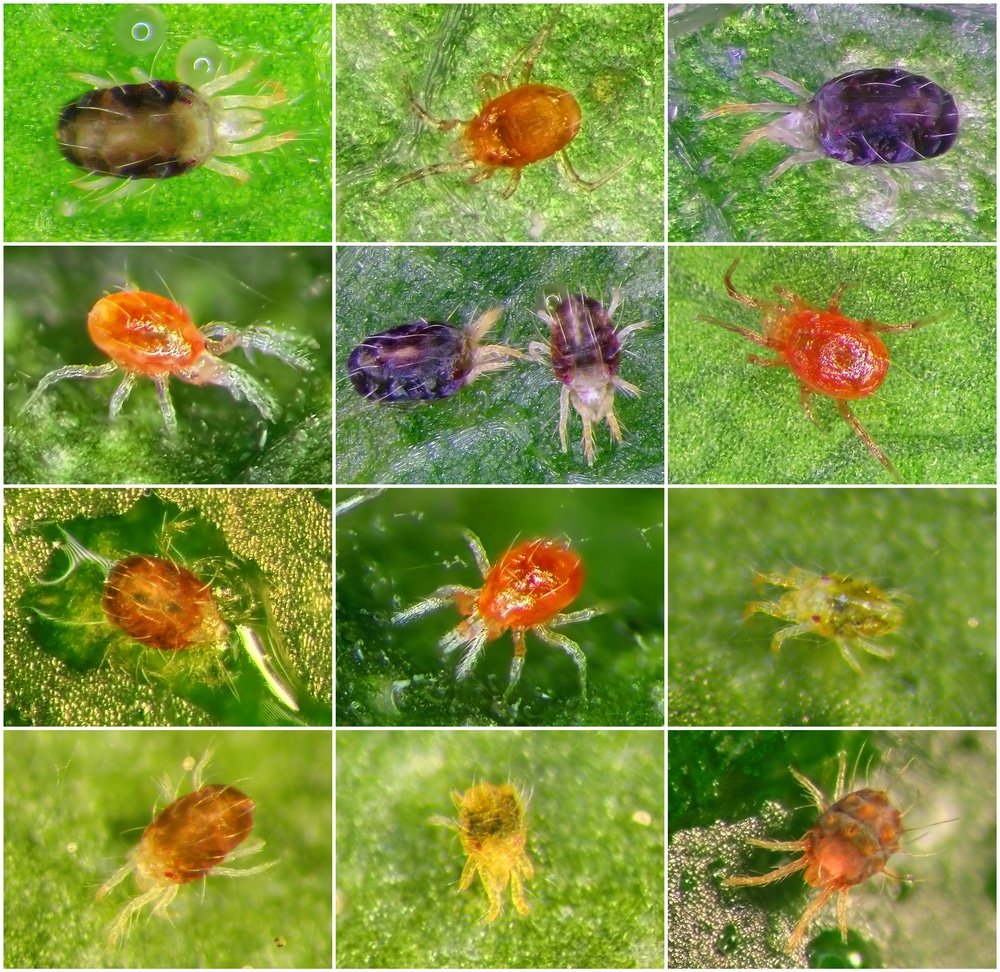
Credit: howtopest.com
Frequently Asked Questions
What Are The Common Signs Of Bird Mites Infestation?
Common signs include itchy red bites, tiny moving specks on skin or furniture, and bird nests near windows or vents. You may also notice restless pets or small black spots in affected areas.
How Do Bird Mites Enter A House?
Bird mites enter through open windows, vents, or cracks near bird nests. They hitchhike on pets or birds that come inside. Once inside, they seek warm hosts like humans or animals.
What Is The Fastest Way To Kill Bird Mites Indoors?
Vacuuming affected areas, washing bedding in hot water, and using insecticides designed for mites are effective. Sealing entry points and removing bird nests prevent re-infestation. Professional pest control may be needed for severe cases.
Can Bird Mites Bite Humans And Cause Health Issues?
Yes, bird mites bite humans causing itching, redness, and irritation. They do not transmit diseases but can cause allergic reactions or secondary infections from scratching.
Conclusion
Getting rid of bird mites takes patience and careful action. Clean your home often and remove bird nests nearby. Use safe treatments to stop mites from spreading. Keep your pets checked and clean too. Stay consistent with these steps to protect your home.
Small efforts make a big difference in keeping mites away. You can enjoy a mite-free, comfortable living space. Remember, prevention helps avoid future problems with these pests.




