
Have you ever wanted to welcome beautiful bluebirds right to your backyard? Building a bluebird house is a simple and rewarding way to do just that.
Not only will you provide a safe home for these charming birds, but you’ll also enjoy watching them up close throughout the seasons. In this guide, you’ll learn exactly how to build a bluebird house that attracts these lovely visitors and keeps them safe.
Ready to create a cozy spot for bluebirds and bring more life to your outdoor space? Let’s get started!

Credit: www.shopsmith.com
Choosing The Right Materials
Choosing the right materials is key to building a sturdy and safe bluebird house. The materials affect the house’s durability and how comfortable it is for the birds. Using proper wood and tools ensures the house lasts through all weather conditions. Avoiding harmful chemicals keeps the birds healthy and safe inside their new home.
Best Wood Types
Wood must be natural and untreated. Cedar and pine are good choices. Cedar resists rot and insects well. Pine is easy to work with and common. Avoid soft woods that absorb water quickly. These woods keep the house strong and dry. Using thick wood helps keep the house warm in cold weather.
Necessary Tools And Supplies
Basic tools include a saw, hammer, and drill. Sandpaper smooths rough edges to protect bird feathers. Use galvanized nails or screws to prevent rust. A measuring tape helps cut accurate wood pieces. Paint brushes are only needed if you use safe finishes. Having the right tools makes building easier and safer.
Avoiding Harmful Chemicals
Do not use wood treated with chemicals. Avoid paints and stains that contain toxins. Birds can be harmed by fumes or residues. Use natural finishes like linseed oil if needed. Always choose non-toxic, water-based products. This keeps the birdhouse safe for nesting bluebirds.
Designing The Bluebird House
Designing the bluebird house needs careful thought. The right design helps attract bluebirds and keeps them safe. Size, entrance, and airflow matter a lot. These features create a cozy home for bluebirds to nest and raise their young.
Ideal Dimensions
The house should be small and snug. A typical size is 8 inches wide, 8 inches deep, and 12 inches tall. The floor space should be about 5 by 5 inches. This size fits bluebirds perfectly and keeps bigger birds out.
The roof should extend past the walls to protect from rain. The house’s interior should be smooth to prevent injury to birds.
Entrance Hole Size
The entrance hole is very important. It must be just the right size for bluebirds to enter but keep predators away. The perfect hole diameter is 1.5 inches wide. This size stops bigger birds and squirrels from getting in.
Place the entrance about 6 inches above the floor. This height helps protect the nest from ground predators.
Ventilation And Drainage
Good airflow keeps the nest cool and dry. Add small holes near the top of the house for ventilation. These holes let hot air escape. Avoid making holes too big to keep rain out.
Drainage holes in the floor are also necessary. They let water escape if rain gets inside. Proper drainage prevents mold and keeps the nest safe for baby birds.
Building The Birdhouse
Building the birdhouse is a fun and rewarding part of creating a bluebird home. It requires simple tools and basic woodworking skills. Start with good quality wood and careful measurements to ensure a safe shelter for bluebirds. Follow each step to make the birdhouse sturdy and inviting.
Cutting The Wood Pieces
Cut wood pieces to the right size for the birdhouse walls, floor, and roof. Use cedar or pine wood for durability. Measure twice, cut once. Smooth the edges with sandpaper to avoid sharp splinters that can harm birds.
- Front panel with a round entrance hole (1.5 inches diameter)
- Back panel
- Two side panels
- Floor piece with small drainage holes
- Roof pieces with an overhang
Assembling The Structure
Start by attaching the sides to the back panel using wood screws or nails. Make sure the panels fit tightly together. Then fix the front panel with the entrance hole. Leave space between the floor and walls for ventilation. Check that the structure is solid and stable to protect the birds.
Adding The Roof And Base
Attach the roof pieces to create a sloped cover. The overhang should shield the entrance from rain. Secure the roof with screws. Fix the floor at the bottom with small gaps for water drainage. This keeps the inside dry and comfortable. Sand any rough areas for safety before placing the birdhouse outside.

Credit: www.bluebirdlanding.com
Painting And Finishing Touches
Choose non-toxic, water-based paint to protect bluebird houses safely. Apply a thin coat for weather resistance and let it dry fully before use. Small details, like smooth edges and proper ventilation, enhance the birdhouse’s durability and comfort.
Building a blue bird house is a rewarding project, and once the structure is complete, it’s time to add the perfect finishing touches. Painting and weatherproofing are crucial steps that can enhance both the beauty and durability of your bird house. The right colors and finishes can make your bird house not only a safe haven for birds but also an eye-catching addition to your garden.Choosing Safe Paints
When selecting paint for your blue bird house, safety should be your top priority. Opt for non-toxic, water-based paints that are free from harmful chemicals. Birds are sensitive to toxins, so ensure the paint is labeled as bird-safe. Consider using light, natural colors to blend with the environment. These colors will keep the bird house cooler in the sun. Avoid dark colors that may cause the house to overheat.Weatherproofing Tips
To ensure your bird house withstands the elements, apply a weatherproof sealant after painting. This will protect the wood from rain and sun, prolonging the life of the bird house. Focus on sealing the roof and edges where water might seep in. Remember, you want a cozy home for the birds, not a swimming pool. Check your bird house regularly for signs of wear. Reapply weatherproofing as needed to maintain its integrity over time.Decorative Ideas
Adding decorative elements can make your bird house stand out. Think about stenciling designs or adding small, decorative pieces like tiny wooden flowers. If you enjoy a rustic look, consider lightly sanding the edges after painting for a distressed effect. This adds character and charm. Why not personalize the bird house with your initials or a meaningful date? It’s a fun way to leave your mark while creating a unique piece for your garden. Taking the time to thoughtfully paint and finish your blue bird house ensures it will be a welcoming and safe space for birds. Plus, it adds a touch of personal flair to your outdoor space. How will you design yours?Placing And Maintaining The House
Placing and maintaining your bluebird house correctly is key to attracting these beautiful birds and ensuring they return year after year. The right spot and proper care can make a big difference in the success of your bluebird nesting project. Let’s look at how to set up your house in the best possible way and keep it in top shape.
Best Location For Bluebird Houses
Choose a spot that is open and sunny, with short grass or a mowed lawn nearby. Bluebirds prefer areas where they can easily watch for predators and spot insects on the ground. Avoid placing the house near dense woods or thick bushes, as this can invite unwanted predators like squirrels or cats.
Mount your house at a height of about 4 to 6 feet off the ground. Facing the entrance hole away from prevailing winds and towards a tree or fence within 20-30 feet gives bluebirds a safe perch near their home. Have you noticed how birds often pick spots with clear views? Mimic this to increase your chances of occupancy.
Mounting Techniques
Use a sturdy pole or post to mount the house rather than attaching it to a tree. Poles reduce the risk of predators climbing up and make monitoring easier. You can add a metal predator guard to the pole to stop raccoons and snakes from reaching the nest.
Secure the house firmly so it doesn’t sway in the wind, which can scare birds away. Avoid nails or screws that might damage the house structure; instead, opt for brackets or clamps designed for birdhouses. Have you tried using quick-release mounts? They make cleaning and inspection much simpler.
Regular Cleaning And Upkeep
Clean the house every fall after the birds have migrated. Remove old nesting material and scrub the interior with a mild bleach solution (one part bleach to nine parts water) to kill parasites. Rinse well and let it dry completely before rehanging.
Inspect the house for damage or loose parts each season. Fix cracks, repaint with non-toxic paint if necessary, and ensure the entrance hole is not blocked. Have you checked that the ventilation holes are clear? Proper airflow helps keep the nest dry and healthy.
Keeping the house clean and well-maintained not only protects the bluebirds but also encourages them to nest again, creating a lasting backyard sanctuary.
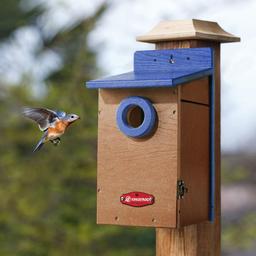
Credit: www.kingsyard.com
Frequently Asked Questions
What Materials Are Best For Building Bluebird Houses?
Use untreated wood like cedar or pine for durability and safety. Avoid treated wood or metal, which can harm birds. Ensure materials are weather-resistant and provide good insulation to protect bluebirds from extreme temperatures.
How High Should A Bluebird House Be Mounted?
Mount bluebird houses 4 to 6 feet above ground. This height protects birds from predators and provides easy access for bluebirds. Place the house in an open area with nearby perches for optimal visibility and safety.
What Is The Ideal Entrance Hole Size For Bluebird Houses?
The entrance hole should be 1. 5 inches in diameter. This size allows bluebirds to enter while keeping out larger birds and predators. Proper hole size is critical for attracting bluebirds and ensuring their safety inside the house.
When Is The Best Time To Install A Bluebird House?
Install bluebird houses in late winter or early spring. This timing prepares nesting sites before bluebirds arrive for breeding season. Early installation increases the chances of attracting bluebirds to your house.
Conclusion
Building blue bird houses helps protect these lovely birds. It also brings nature closer to your home. Use wood that lasts and paint with safe colors. Place the house where birds feel safe and calm. Check the house often to keep it clean and ready.
Small steps like these make a big difference for blue birds. Enjoy watching them visit and build their nests. Your effort helps birds thrive year after year. Simple actions create a happy home for blue birds.




