
Are you eager to see colorful birds visit your new feeder? Attracting birds isn’t always as simple as hanging a feeder and waiting.
You need the right tips and tricks to make your feeder irresistible. Imagine watching vibrant feathers flutter right outside your window every day. You’ll discover easy steps to draw birds in quickly and keep them coming back. Ready to turn your backyard into a lively bird haven?
Let’s dive in!
Choose The Right Feeder
Choosing the right feeder is crucial to attract birds to your new setup. The feeder you pick not only affects which birds visit but also how often they come back. Understanding different feeders, their materials, and where to place them can make your birdwatching experience much more rewarding.
Types Of Feeders
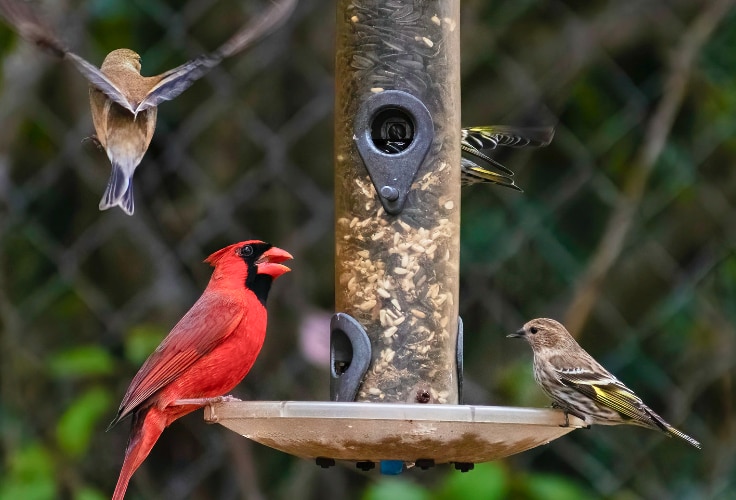
There are many types of bird feeders, each suited for different bird species and types of food. Tube feeders are great for small songbirds like finches and chickadees. Platform feeders offer an open space that attracts a wide variety of birds, including cardinals and jays.
Hopper feeders store a good amount of seed and protect it from the weather, making them ideal if you want to attract larger birds like doves and grosbeaks. Suet feeders are perfect for woodpeckers and nuthatches since they hold high-energy suet cakes. You might want to try different types to see which birds show up in your area.
Materials And Durability
Feeders come in plastic, metal, wood, and even glass. Plastic feeders are lightweight and affordable but can crack in extreme weather. Metal feeders tend to last longer and resist squirrels better, but they might get hot in the sun, affecting the seed quality.
Wood feeders blend naturally with your garden but require regular maintenance to prevent rot. Think about the climate where you live and how much effort you want to spend on upkeep before choosing a material. A durable feeder means fewer replacements and less hassle.
Feeder Placement
Where you put your feeder can make all the difference in attracting birds. Place it near natural cover like shrubs or trees so birds feel safe from predators. However, avoid spots too close to windows to prevent collisions.
Think about visibility too—birds need to see your feeder easily from the air. Also, putting the feeder in a sheltered spot can protect it from wind and rain, keeping the food fresh longer. Are you ready to experiment with different locations and observe which one draws the most visitors?
Select Bird-friendly Food
Choosing the right food is key to attracting birds to a new feeder. Birds have specific tastes and nutritional needs. Offering bird-friendly food encourages them to visit often. The right seeds and mixes can support their health and energy. Feeding birds the proper food helps create a safe and welcoming space.
Popular Seeds And Mixes
Black oil sunflower seeds are a favorite for many birds. They have thin shells and high oil content. Nyjer seed attracts small finches like goldfinches and siskins. Safflower seeds appeal to cardinals and grosbeaks. Mixed seed blends combine different types to attract a variety of species.
- Black oil sunflower seeds
- Nyjer seed (thistle)
- Safflower seeds
- Milo and cracked corn for ground feeders
- Mixed seed blends for diversity
Seasonal Food Choices
Bird food preferences change with the seasons. In winter, high-energy foods help birds stay warm. Suet cakes provide fat and calories during cold months. In spring and summer, fresh fruits and insects attract breeding birds. Offering seasonal foods supports birds’ natural diets all year.
- Winter: suet, sunflower seeds, peanuts
- Spring/Summer: fruits, mealworms, nectar
- Fall: millet, cracked corn, sunflower seeds
Avoiding Harmful Foods
Some foods can harm birds or attract pests. Avoid bread and junk food; they lack nutrients. Salted or flavored seeds can upset bird digestion. Moldy or spoiled food causes illness. Clean feeders regularly to prevent disease and keep birds safe.
- No bread or processed foods
- Avoid salted or flavored seeds
- Discard moldy or old food
- Keep feeders clean and dry
Create A Safe Environment
Creating a safe environment is key to attracting birds to a new feeder. Birds choose places that feel secure from threats. They want to rest, eat, and watch for danger easily. A safe spot helps birds visit often and stay longer.
Predator Protection
Keep feeders away from places where cats or other predators hide. Place feeders at least 10 feet from bushes or fences. Use baffles on poles to stop climbing animals. Open areas let birds see danger early. This gives them time to fly away.
Shelter And Cover
Nearby trees and shrubs provide shelter from weather and predators. Birds use leaves and branches to hide and rest. Plant native bushes or install a brush pile close to feeders. Avoid dense cover right next to feeders. Birds need clear views to feel safe.
Cleanliness And Maintenance
Dirty feeders spread disease and scare birds away. Clean feeders every two weeks with warm water and mild soap. Rinse well and dry before refilling. Remove old seeds and droppings daily. Check feeders for mold or damage. Safe, clean feeders keep birds healthy and happy.

Credit: www.youtube.com
Use Water Features
Water features can be a powerful way to attract birds to your new feeder. Birds need water not just to drink but also to bathe and stay clean. Adding water to your bird feeding area can make it a lively spot that birds will visit regularly.
Bird Baths
Bird baths provide a safe and accessible source of water for birds. Choose shallow baths with gentle slopes so birds can easily hop in and out. Adding small stones or pebbles helps birds grip the surface and feel secure.
I once added a simple bird bath near my feeder, and within days, I noticed more bird species visiting. They seemed to enjoy splashing and preening, which also made them return often to the feeder.
Moving Water Benefits
Birds are naturally drawn to the sound and sight of moving water. A fountain or dripper can keep water fresh and signal a reliable source. Moving water also deters mosquitoes and keeps the bath cleaner longer.
Try adding a small solar-powered fountain or a bubbler to your bird bath. You’ll likely see birds hovering nearby, curious and ready to investigate the refreshing movement.
Water Placement Tips
- Place water features within 3 to 10 feet of your feeder to encourage birds to visit both spots.
- Keep the water source visible but offer nearby cover like shrubs or trees for safety.
- Position the bath on a flat surface and away from areas with heavy foot traffic or predators.
Think about how you can make the water feature inviting and safe. Where would you feel comfortable drinking or bathing if you were a bird? Your answer can help you decide the best spot for your water feature.
Incorporate Natural Elements
Incorporating natural elements around a new bird feeder creates a welcoming space for birds. These elements make birds feel safe and comfortable. They also offer food, shelter, and places to rest. Setting up a natural environment helps attract more birds quickly. It encourages birds to visit often and stay longer.
Native Plants
Plant native flowers, shrubs, and trees near the feeder. Native plants provide natural food like seeds, berries, and nectar. Birds recognize these plants and feel secure nearby. They attract insects too, which some birds eat. Choose plants that bloom in different seasons. This keeps the area lively all year round.
Nesting Sites
Offer safe places for birds to build nests. Use birdhouses or leave natural materials like twigs and leaves around. Dense bushes and trees also serve as good nesting spots. Birds prefer spots hidden from predators and harsh weather. Nesting sites near feeders invite birds to stay and raise young.
Perches And Branches
Place branches or perches close to the feeder. Birds use these to rest and watch for danger. Natural branches with rough bark feel familiar to them. Vary the height and thickness of perches for different bird species. Perches create a natural setting that encourages birds to return often.
Credit: avibirds.com
Encourage Regular Visits
Enhance the appeal of your bird feeder by providing fresh seeds and water. Place the feeder in a quiet, safe spot to attract regular visitors. Keep the area tidy to ensure a welcoming environment for birds.
Attracting birds to your new feeder can be a rewarding experience, turning your backyard into a lively haven for avian visitors. Encouraging regular visits requires a mix of consistency, creating a peaceful environment, and using the right auditory cues. Engaging with nature in this way not only brings joy but also supports local bird populations.Consistency In Feeding
Birds quickly learn where to find reliable food sources. By consistently filling your feeder, you establish it as a dependable spot. Try refilling it at the same time daily. This regularity signals to birds that your feeder is a stable option, much like their favorite fruiting tree. A personal tip: I noticed an uptick in feathered guests when I made it a ritual to fill the feeder every morning with fresh seeds. This habit made my garden a regular stop for numerous bird species.Avoiding Disturbances
Creating a peaceful environment is crucial for attracting birds. Loud noises or sudden movements can deter them from visiting. Consider the placement of your feeder—away from busy roads and bustling areas of your garden. Limit disturbances by keeping pets and children at a distance. A quiet space ensures that birds feel safe and are more likely to return often.Using Bird Calls And Sounds
Bird calls can be a powerful tool to attract avian visitors. Playing recordings of bird songs can pique their curiosity and draw them to your feeder. Choose calls of the local species you wish to attract. You might be surprised how effective this is. Once, after playing a series of finch calls, I noticed a small group of them fluttering around my garden, seemingly eager to investigate the new sounds. This practice also enhances your interaction with nature, as you learn to distinguish between different bird songs and calls. Are you ready to transform your backyard into a vibrant bird sanctuary? Consider these strategies and enjoy the delightful company of your feathered friends.
Credit: happygardens.com
Frequently Asked Questions
How Long Does It Take For Birds To Find A New Feeder?
Birds typically find a new feeder within a few days to a week. Placement near natural cover speeds up discovery. Consistent food supply attracts birds faster. Patience is key as local bird activity varies.
What Types Of Seeds Attract More Birds To Feeders?
Black oil sunflower seeds attract the most bird species. Nyjer seeds are perfect for finches. Mixed seeds offer variety but may attract squirrels. Choose seeds based on local bird preferences for best results.
Where Is The Best Place To Hang A New Bird Feeder?
Place feeders near trees or shrubs for bird safety and shelter. Avoid direct sunlight and strong winds. Ensure visibility for birds but away from predators. A quiet, sheltered spot encourages frequent visits.
How Often Should I Clean A New Bird Feeder?
Clean feeders every two weeks to prevent mold and disease. Use warm water and mild soap, then rinse well. Regular cleaning keeps birds healthy and encourages return visits. Avoid harsh chemicals that can harm birds.
Conclusion
Attracting birds to a new feeder takes time and care. Choose the right seeds and place the feeder where birds feel safe. Keep the feeder clean and refill it often. Be patient as birds learn about the new food source.
Watching birds visit brings joy and peace. Small steps make a big difference in creating a bird-friendly space. Enjoy the beauty and sounds that come with your effort. Nature will respond to your kindness and care.




