
Have you ever wondered why parrots are called tropical birds? It’s not just about their bright colors or playful nature.
There’s a fascinating reason behind this name that connects to where they live and how they thrive. Understanding this can change the way you see these amazing creatures forever. Keep reading, and you’ll discover surprising facts that make parrots truly unique in the bird world.
This knowledge might even spark a new appreciation for your feathered friends!
Parrots And Their Natural Habitat
Parrots are often called tropical birds because of where they live naturally. Their homes are mostly warm and lush places with many trees. These environments give parrots the food, shelter, and climate they need to thrive. Understanding their natural habitat helps explain why parrots are linked to the tropics.
Geographical Range Of Parrots
Parrots are found mainly in tropical and subtropical regions. They live in parts of Central and South America, Africa, Asia, and Australia. These birds prefer forests, woodlands, and savannas. Some species also live on islands in the Pacific Ocean. Their wide range shows how parrots adapt to different tropical environments.
Climate Preferences
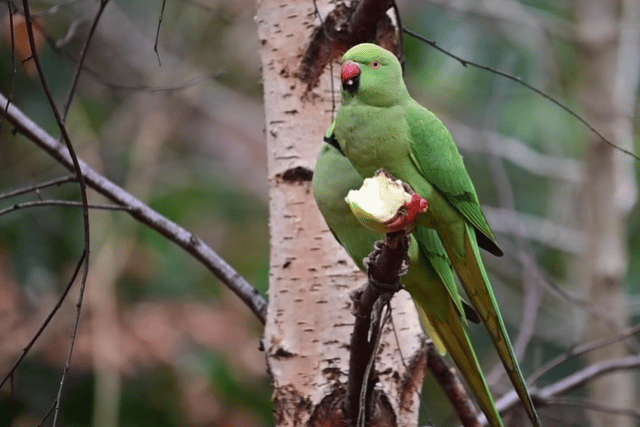
Parrots favor warm temperatures with high humidity. They thrive in places with lots of rain and consistent weather. These conditions help plants grow, providing parrots with fruits, seeds, and nuts to eat. Cold or dry climates are less suitable for them. The tropical climate supports their active lifestyle and vibrant colors.
Credit: www.glasgowworld.com
Tropical Regions Explained
Tropical regions are more than just warm places on the map. They create unique environments that shape the lives of many creatures, including parrots. Understanding these regions helps explain why parrots are often called tropical birds.
Characteristics Of Tropical Climates
Tropical climates stay warm year-round, rarely dropping below 18°C (64°F). You’ll find high humidity and plenty of rainfall, which keeps the environment lush and green.
These areas usually have distinct wet and dry seasons. This pattern affects the plants and animals living there, including parrots, which rely on consistent food sources like fruits and seeds.
Have you noticed how parrots’ bright colors seem to match the vibrant surroundings of tropical forests? This isn’t a coincidence—it’s a direct result of adapting to these colorful and dense habitats.
Biodiversity In Tropical Zones
Tropical zones boast incredible biodiversity. They house more species per square mile than any other region on Earth.
This richness in life means parrots share their home with countless plants, insects, and animals. These interactions create a complex web of survival, influencing parrot behavior and diet.
Ever wondered why parrots are so social and vocal? Living in diverse, crowded forests pushes them to develop strong communication skills to find mates and warn of dangers.
Parrots’ Adaptations To Tropical Environments
Parrots have evolved unique features that help them thrive in tropical environments. These adaptations make them perfectly suited for warm, humid forests filled with dense vegetation. Understanding these traits can give you insight into why parrots are closely associated with tropical regions.
Physical Traits For Survival
Parrots have strong, curved beaks designed to crack open tough nuts and seeds, a common food source in tropical forests.
Their zygodactyl feet, with two toes facing forward and two backward, allow them to grip branches firmly and manipulate objects with precision.
Bright, colorful feathers help them blend into the vibrant tropical surroundings, providing camouflage from predators.
Diet And Feeding Habits
Parrots mainly feed on a variety of fruits, nuts, seeds, and flowers found in tropical forests.
Some species have developed the ability to eat clay from riverbanks, which helps neutralize toxins found in certain seeds and fruits.
Have you noticed how parrots use their beaks almost like hands? This skill lets them access food sources other birds can’t reach.
Common Misconceptions About Parrots
Many people think parrots live only in warm, tropical places. This idea is common but not entirely true. Parrots come from many regions, not just tropical ones. Misunderstanding their habitat can lead to wrong assumptions about these birds.
Parrots Outside Tropical Areas
Some parrot species live in cooler climates far from the tropics. For example, the Kakapo lives in New Zealand’s forests. These parrots adapt to different environments, proving they are not only tropical birds. Their presence in varied places shows their flexibility.
Parrot Species Diversity
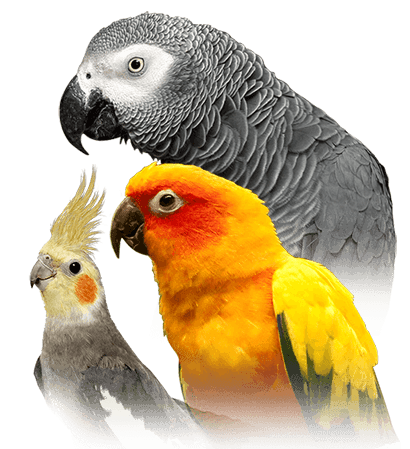
There are over 350 parrot species worldwide. They differ in size, color, and habitat. Not all parrots live in rainforests or hot zones. Some prefer dry areas, mountains, or even urban spaces. This variety challenges the idea that all parrots are tropical.
Cultural And Commercial Influence
The cultural and commercial influence surrounding parrots plays a big role in why people often label them as tropical birds. This connection goes beyond their natural habitat and taps into how parrots are portrayed and marketed in everyday life. Understanding this influence helps you see why parrots evoke images of sunny beaches and exotic jungles, even if you’ve never seen one in the wild.
Parrots In Media And Advertising
Parrots frequently appear in movies, cartoons, and advertisements set in tropical environments. Think about pirate movies where a colorful parrot perches on a captain’s shoulder, or beach resort ads featuring these birds to highlight a tropical vibe.
This consistent media portrayal links parrots with warmth, sunshine, and vacation-like settings. It shapes your mind to associate these birds with tropical locations, regardless of the actual variety of habitats parrots live in.
- Cartoons like “Aladdin” feature parrots in desert-oasis scenes.
- Travel ads use parrots to signal exotic, tropical destinations.
- Product packaging often shows parrots alongside palm trees and beaches.
Impact On Popular Perception
These cultural references influence your perception more than you might realize. When you think of parrots, tropical imagery comes to mind almost automatically. This shows how powerful repeated exposure is in shaping what you believe about animals and their environments.
Have you ever stopped to question why this connection feels so natural? It’s because your experiences with parrots mostly come through media and commercial outlets that highlight their colorful, tropical side.
Next time you see a parrot image, consider how much of your impression is shaped by culture and marketing. This awareness can help you appreciate the diverse realities of parrots beyond the tropical label.

Credit: www.msn.com
Credit: lafeber.com
Frequently Asked Questions
Why Are Parrots Called Tropical Birds?
Parrots are called tropical birds because they mostly live in warm, humid regions near the equator. These areas provide ideal climates and food sources like fruits and nuts for parrots to thrive. Their bright colors also match the vibrant tropical environment.
Where Do Most Tropical Parrots Live?
Most tropical parrots live in Central and South America, Australia, and Southeast Asia. These regions have lush rainforests and diverse ecosystems that support various parrot species. The warm temperatures and abundant vegetation create perfect habitats for their survival.
What Makes Parrots Suited For Tropical Climates?
Parrots have strong beaks to crack nuts and fruits found in tropical forests. Their feathers provide camouflage among colorful flowers and foliage. They adapt well to humid conditions and rely on the rich biodiversity of tropical areas for food and shelter.
Are All Parrots Tropical Birds?
No, not all parrots are tropical birds. While most species live in tropical regions, some parrots inhabit subtropical and temperate zones. However, the majority of parrot diversity is concentrated in tropical habitats due to favorable climate and food availability.
Conclusion
Parrots live mostly in warm, tropical places around the world. Their bright colors match the lively, green forests they call home. These birds enjoy warm weather and lots of fruit, just like tropical regions offer. People call them tropical birds because they thrive in these sunny, humid areas.
Understanding this helps us appreciate parrots better. They remind us of the beauty and life in tropical forests. Knowing where parrots come from shows why they need special care. It also explains their vibrant look and joyful sounds. Tropical birds, indeed!




