
Imagine this: you’re going about your day when suddenly, a bird flies into your house. It’s fluttering around, knocking into walls, and causing a bit of chaos.
You might feel confused, worried, or unsure about what to do next. Don’t panic—this situation happens more often than you think, and there are simple steps you can take to help both yourself and the bird. You’ll discover exactly how to stay calm, safely guide the bird outside, and prevent future visits.
Keep reading—you’ll be surprised at how easy it can be to handle this unexpected visitor.
Stay Calm And Assess
A bird flying inside your home can cause sudden panic. Staying calm helps you think clearly and act safely. Observing the bird’s behavior is key. It can guide your next steps. Avoid making quick moves or loud noises. This can scare the bird more.
Take a moment to watch where the bird is and how it moves. Check if it is injured or trapped. This information helps in deciding the best way to help the bird out.
Observe The Bird’s Location
Look around the room to see where the bird stays. Is it near windows or in a corner? Notice if it tries to fly out or hides. This helps you plan how to guide it outside gently.
Notice The Bird’s Behavior
Watch if the bird is calm or panicked. Does it flap wings hard or stay still? A calm bird is easier to catch or guide. A scared bird might need more space and quiet.
Check For Injuries
Look closely for signs of harm. Is the bird bleeding or unable to fly? If injured, avoid chasing it. Contact a local wildlife rescue for help instead.
Plan Your Next Steps
Think about safe ways to lead the bird outside. Open windows and doors to create an exit. Turn off fans and close other rooms. Prepare to move slowly and quietly.
Secure Pets And Children
Having a bird fly into your home can be a surprising event. While your first instinct might be to help the bird find its way out, it’s equally important to secure your pets and children. Their safety and calmness during this unexpected visitor’s presence will make the situation easier to manage for everyone involved.
Keep Pets In A Separate Room
Pets like cats and dogs are naturally curious and may try to chase or catch the bird. This can stress the bird further and create chaos in your home. Move your pets to a different room with the door closed to keep them away from the bird.
Make sure they have food, water, and toys to keep them occupied. This separation also prevents any accidental harm to your pets or the bird.
Explain The Situation To Children Calmly
Children often want to help but may not understand the best way to do so. Talk to them in a calm voice and explain that the bird is scared and needs space to get out safely.
Ask them to stay in one area and avoid running or shouting. This helps reduce noise and movement that might frighten the bird even more.
Create A Safe Zone For Everyone
Choose a comfortable spot where your children and pets can stay while you manage the bird situation. This might be a corner of the house or a room with a clear view of the bird’s location.
Providing a “safe zone” helps everyone feel secure and reduces the chance of sudden movements that could escalate the situation.
Have You Thought About How Your Pets’ Behavior Could Affect The Bird?
Pets may react unpredictably to the bird’s flapping or calls. Observing your pets closely can give you clues about their stress levels and help you decide when to bring them back into the room.
Consider using a baby gate or a closed door with a window so pets can see the bird but not get too close. This keeps curiosity in check without causing panic.
Create An Escape Path
Creating an escape path helps guide the bird safely outside your house. Birds get confused and scared indoors. They need a clear route to find their way out quickly. Setting up an easy exit reduces stress for the bird and avoids damage to your home.
Open Doors And Windows
Open all doors and windows that lead outside. This gives the bird several exit options. Remove any screens or barriers blocking the openings. Larger openings make it easier for the bird to fly out fast. Keep the space around these openings clear of furniture or decorations.
Turn Off Indoor Lights
Turn off all indoor lights to avoid confusing the bird. Birds fly toward light, so dark rooms help direct it to the open windows. Leave outdoor lights on near the exit points. This contrast guides the bird towards the outdoor space. Keep indoor areas quiet and calm during this process.
Credit: www.modernexteriorroofing.com
Avoid Direct Contact
Avoid touching the bird directly to prevent injury or stress. Use gentle movements and tools like a towel or box to guide it outside safely.
Finding a bird flapping around your living room can be quite the surprise! It’s essential to act calmly and avoid direct contact with the bird. Direct handling might stress the bird, which can cause harm to both you and the feathered visitor. Instead, use gentle methods to guide it safely outdoors.Use Gentle Tools
Consider using tools like a soft towel or a broom with a long handle. These tools help you gently guide the bird without touching it directly. Slowly and calmly, use the broom to direct the bird toward an open window or door. A towel can be handy if the bird is perched somewhere. Drape it gently over the bird, allowing you to safely carry and release it outside.Wear Protective Gear
Before you start, it’s wise to wear protective gear. Gloves are essential to protect your hands in case the bird gets too close. A hat can shield your head from any accidental brushes with wings. With these simple precautions, you can ensure your safety while helping the bird find its way back to the skies. Have you ever wondered how a small bird feels trapped in a human-sized room? Your calm and careful approach can make all the difference in easing its distress. Remember, patience and gentle actions are key!Guide The Bird Outdoors
Guiding a bird outdoors requires calm and gentle actions. The goal is to help the bird find its way outside without stress or harm. Creating a clear path and using soft tools can make the process smooth and quick. Patience is key during this gentle guidance.
Use A Towel Or Blanket
Grab a soft towel or blanket to gently cover the bird. This helps calm the bird and prevents flapping. Slowly approach the bird with the cloth ready to scoop it up. Keep movements slow and steady to avoid scaring it. Once covered, carefully carry the bird near an open window or door.
Encourage Flight Towards Exit
Open all possible exits like windows and doors wide. Turn off indoor lights and open curtains to bring in natural light. Stand behind the bird and gently guide it toward the exit with your hands. Avoid sudden moves or loud noises that could frighten it. The bird will usually fly out when it sees clear light and open space.

Credit: www.bilantan.com
Handle Injured Birds
Handling an injured bird in your home needs care and calmness. Birds can be fragile, and rough handling may cause more harm. Approach slowly and try to calm the bird without sudden moves. Provide a quiet space away from pets and loud noises. Use a soft cloth or towel to gently pick up the bird, supporting its body fully. Keep the bird in a ventilated box or container with a soft lining to avoid stress and further injury.
Recognize Signs Of Injury
Look for visible wounds, bleeding, or broken wings. Notice if the bird struggles to fly or walk. Watch for unusual breathing or weak movements. Swelling or a tilted head can also signal injury. Sometimes, the bird may be silent or overly still. These signs need quick attention to avoid worsening the condition.
Contact Wildlife Rehabilitators
Reach out to local wildlife rehabilitators for expert help. They have the skills to treat and care for injured birds properly. Provide details about the bird’s condition and location. Follow their instructions carefully for safe transport or care. Avoid trying to treat the bird yourself unless guided. Quick contact improves the bird’s chances of recovery and release back into nature.
Prevent Future Incidents
Preventing birds from entering your house again is important. Taking simple steps can keep your home bird-free and safe. Focus on finding how birds got inside and blocking those spots. Use barriers to stop them from coming back. These actions protect your space and prevent surprises.
Check For Entry Points
Look around your home for small holes or gaps. Birds can enter through tiny openings near windows, vents, or doors. Check attic vents, chimneys, and roof edges. Inspect screens and weather stripping for damage. Seal cracks with caulk or weatherproof materials. Cover vents with mesh to keep birds out. Regularly inspect these areas to catch new openings early.
Install Screens Or Barriers
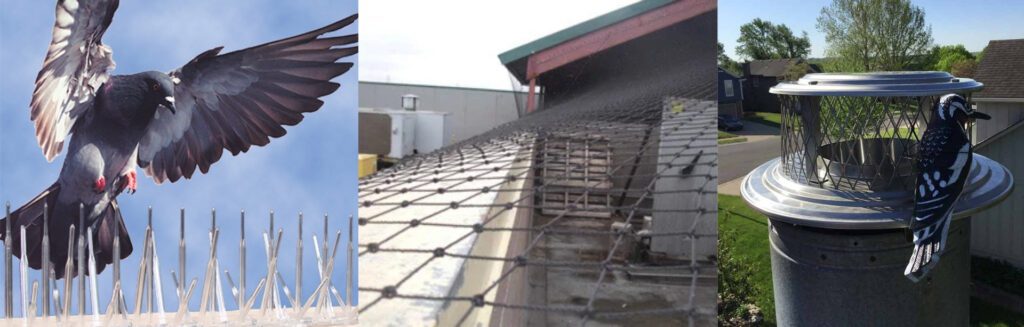
Add screens to windows and doors that stay open. Use sturdy mesh or wire screens for durability. Place barriers around chimneys and vents to block bird access. Use bird spikes or netting on ledges and eaves. These tools make it hard for birds to land or enter. Choose materials that fit your home style and climate. Maintain screens and barriers to keep them effective over time.
Credit: www.petassure.com
Frequently Asked Questions
How Can I Safely Remove A Bird From My House?
Open windows and doors to create an exit path. Turn off indoor lights and close other rooms. Use gentle movements to guide the bird outside without touching it.
What Should I Avoid When A Bird Is Inside?
Avoid chasing or grabbing the bird; it causes stress and injury. Don’t use harmful chemicals or loud noises. Keep pets away to prevent panic or harm.
How Do I Prevent Birds From Entering My Home?
Seal gaps around windows, doors, and vents. Install screens and bird deterrents outside. Keep food sealed and clean to avoid attracting birds indoors.
Can I Catch And Release A Bird By Myself?
Yes, if you stay calm and use a towel or box carefully. Approach slowly, cover the bird gently, and release it outside quickly to minimize stress.
Conclusion
A bird inside your house can feel stressful. Stay calm and move slowly. Open windows and doors to guide it outside. Avoid chasing or grabbing the bird. Use gentle tools like a towel or box if needed. Keep pets away to avoid scaring the bird.
Patience helps the bird find its way out safely. Remember, birds want to leave your home too. Taking these simple steps protects both you and the bird. Safe and kind actions make a big difference.




