
Have you ever wished you could see everything around your car at once, like a bird soaring high above? That’s exactly what a Birds Eye View Camera in Acar offers you.
It gives you a clear, all-around view of your vehicle’s surroundings, making parking and driving safer and easier. If you want to avoid blind spots and tricky maneuvers, understanding how this smart camera works will change the way you drive.
Keep reading to discover how this feature can protect your car—and your peace of mind.
Birds Eye View Camera Basics
A Bird’s Eye View Camera offers drivers a complete view of their car’s surroundings. It helps avoid blind spots and park with confidence. This system uses multiple cameras around the vehicle to create a single overhead image. Drivers see what is around their car from above, making tight spaces easier to navigate.
Camera Placement In Cars
Cameras are placed at key points on the car’s exterior. Common locations include:
- Front grille or bumper
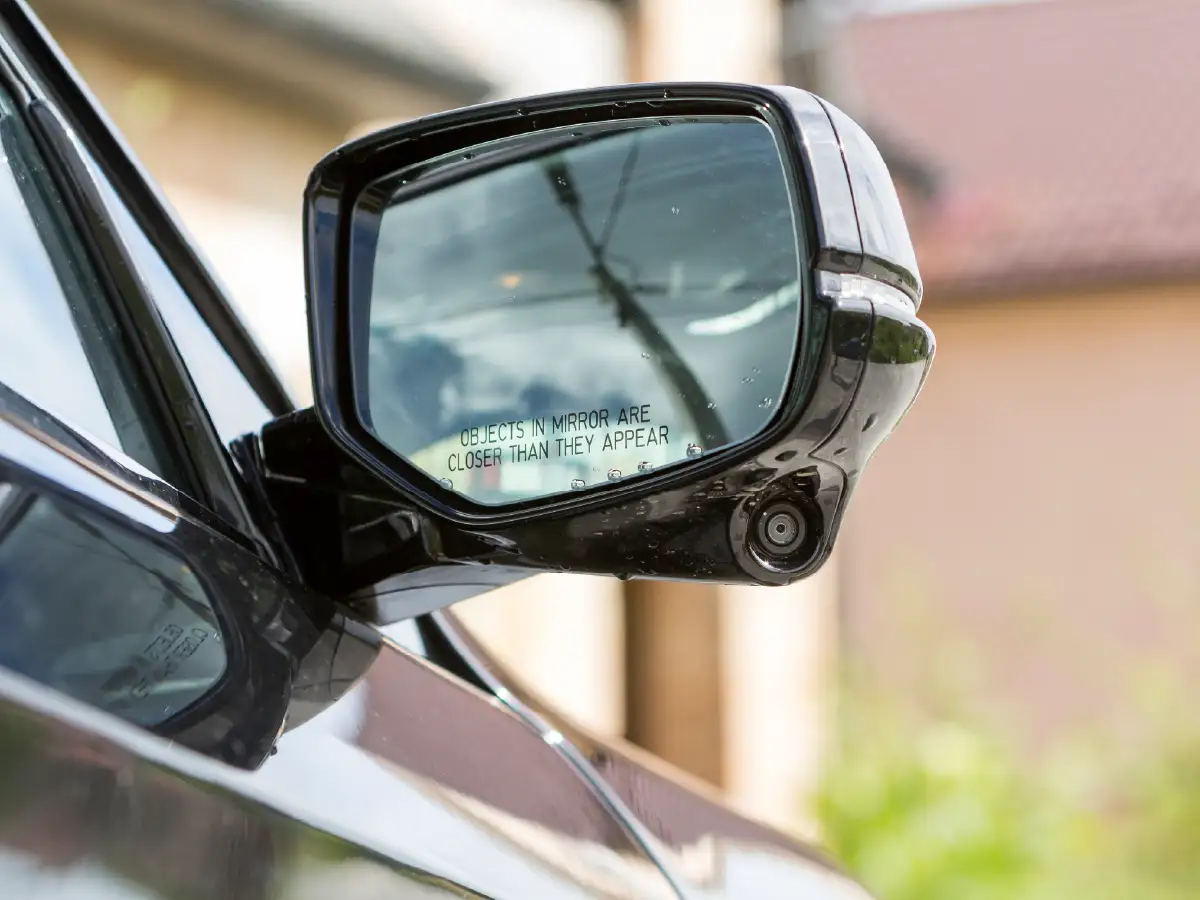
- Side mirrors or doors
- Rear bumper
Each camera captures a different angle. The images combine to give a 360-degree view.
How The System Works
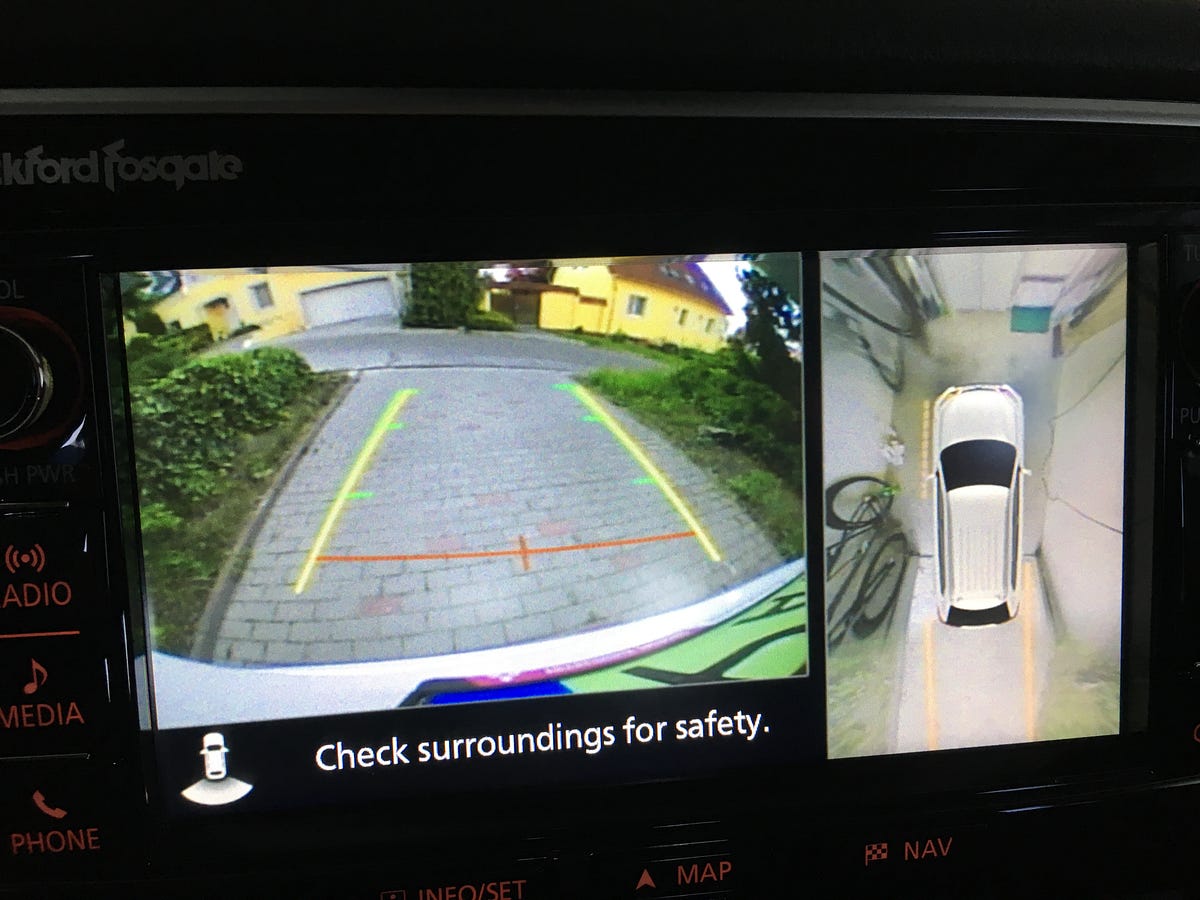
The system stitches images from all cameras into one picture. It uses software to align and blend these images. This creates a seamless overhead view. Drivers see obstacles, nearby cars, and curbs clearly. The display updates in real time as the car moves.
Types Of Bird’s Eye View Cameras
- Wired Systems:Cameras connect with wires to the main unit. They offer reliable video quality.
- Wireless Systems:Cameras send signals without cables. Easier to install but may have delay.
- Integrated Systems:Built into newer cars by manufacturers. Often include additional sensors.
- Aftermarket Systems:Added later by car owners. Compatible with many car models.
Credit: medium.com
Safety Benefits
The safety benefits of a Birds Eye View Camera in your car go beyond just convenience. This system offers a comprehensive look at your vehicle’s surroundings, helping you make smarter decisions on the road. It’s like having an extra pair of eyes that work tirelessly to keep you and others safe.
Enhanced Parking Assistance
Parking can be stressful, especially in tight spots or crowded areas. The Birds Eye View Camera gives you a clear, 360-degree view around your car, making it easier to judge distances and angles.
You can spot curbs, pedestrians, and other obstacles that might be hidden from your mirrors. This reduces the risk of minor scrapes or costly damage to your vehicle.
Blind Spot Reduction
Blind spots are a major cause of accidents, especially when changing lanes or merging. With a Birds Eye View Camera, you get a real-time view of areas that are usually out of sight.
This means you can confidently move your car without second-guessing if something or someone is lurking in your blind spot. Have you ever missed spotting a motorcycle or cyclist? This technology helps prevent that.
Accident Prevention
Accidents often happen because drivers lack full visibility around their vehicle. The Birds Eye View Camera offers a detailed perspective that helps you avoid collisions.
Whether you’re backing out of a driveway or navigating a busy parking lot, this system alerts you to potential hazards early on. The extra awareness can be the difference between a close call and a crash.
Technology Behind The Camera
The technology behind a Birds Eye View Camera in a car is a fascinating blend of advanced hardware and clever software. It combines multiple camera feeds into a single seamless image, giving you a clear view of your surroundings from above. Understanding how this works can help you appreciate the precision and safety it adds to your driving experience.
Image Stitching Techniques
Image stitching is the core technology that merges several camera images into one wide, clear view. Each camera captures a different angle around your car, and stitching software aligns and blends these images to eliminate overlaps and gaps.
This process must be incredibly accurate to avoid distortions. Have you noticed how some systems make the car appear perfectly centered, as if you’re looking at a map? That’s the result of precise stitching algorithms working behind the scenes.
Sensor Integration
The cameras rely on sensors that capture light and color data with high accuracy. These sensors work together to provide consistent brightness and sharpness across all angles.
Integrating sensors involves calibrating them to match each other’s settings, so the final stitched image looks natural and balanced. This synchronization is crucial because mismatched sensors can create confusing visual artifacts, making parking or maneuvering harder rather than easier.
Real-time Processing
All this data must be processed instantly to give you a live, real-time view. Powerful processors inside the car handle massive amounts of image data every second, stitching and displaying it without lag.
Imagine trying to park in a tight spot—any delay in the camera feed could cause mistakes. Real-time processing ensures your Birds Eye View responds immediately to your movements, making it a reliable safety tool rather than just a fancy gadget.
Installation And Compatibility
Understanding the installation and compatibility of a Birds Eye View Camera is crucial before you make a purchase. Knowing how it fits into your vehicle and what the installation entails can save you time and frustration. Let’s break down the key aspects to help you decide what works best for your car.
Factory-installed Vs Aftermarket
Factory-installed cameras come built into your vehicle by the manufacturer. They usually offer seamless integration with your car’s existing systems and a clean look. However, they might limit your options to what the manufacturer provides.
Aftermarket cameras give you more flexibility. You can choose models with specific features or better resolution. But installation might be more complex, sometimes requiring professional help or modifications to your vehicle.
Ask yourself: Do you prefer convenience and guaranteed compatibility, or are you looking for advanced features and customization?
Compatible Vehicle Models
Not all Birds Eye View Cameras fit every vehicle. Most factory-installed systems are designed for specific makes and models. Check your car’s manual or the manufacturer’s website to see if your vehicle supports it.
Aftermarket cameras often come with universal kits that can work on many models. But compatibility depends on your car’s wiring, dashboard space, and existing camera systems. Some SUVs and trucks may need special adapters.
Think about your vehicle type and how much modification you’re comfortable with before selecting a camera.
Installation Process
Installing a factory camera typically means plugging it into the vehicle’s system during assembly or at the dealership. If you buy a car with it pre-installed, you just need to activate the feature.
Aftermarket installation can vary widely. It may involve mounting cameras on multiple sides of your car, connecting wires to the car’s power supply, and syncing the system to your display screen. This could take a few hours and might require removing interior panels.
- Check if your kit includes detailed instructions and all necessary hardware.
- Consider hiring a professional if you’re unsure about electrical work.
- Test the system thoroughly after installation to ensure all angles display correctly.
Have you considered how much effort you’re willing to invest in the setup? Sometimes, paying a bit more for professional installation can save headaches later.
Using The Camera Effectively
Using a bird’s eye view camera in a car helps drivers see their vehicle from above. This view shows nearby objects and surroundings clearly. To benefit fully, drivers must know how to use the system well. This section explains how to interpret the display, follow best driving practices, and understand the camera’s limits.
Interpreting The Display
The display shows a top-down image of your car and its surroundings. Different colors or lines often mark parking spaces and obstacles. Watch for moving objects like pedestrians or other cars. The screen may split into multiple views for a better picture.
Pay attention to distance markers. They help judge how close you are to objects. The camera may have blind spots, so do not rely only on the screen. Use mirrors and look around as well.
Best Practices While Driving
- Use the camera when parking or driving in tight spaces.
- Check the screen before turning or changing lanes.
- Move slowly and carefully to react to hazards seen on the display.
- Keep your windshield and cameras clean for a clear image.
- Combine camera views with mirrors and head checks for safety.
Limitations To Keep In Mind
The camera may not work well in bad weather like heavy rain or fog. Low light conditions can reduce image clarity. Small or low objects may not appear clearly on the screen.
Delays in the video feed can happen, so avoid sudden moves based on the display alone. Use the camera as a tool, not a replacement for careful driving.

Credit: www.youtube.com
Future Trends In Vehicle Cameras
Vehicle cameras are advancing rapidly. The bird’s eye view camera is a great example. It gives drivers a 360-degree view. This technology is evolving fast. Let’s explore future trends in vehicle cameras.
Advancements In Ai And Sensors
AI is making cameras smarter. It helps in recognizing objects. Sensors are becoming more accurate. This means better safety for drivers. Smarter systems detect obstacles faster. AI can even predict movements. This reduces the chance of accidents.
Integration With Autonomous Systems
Autonomous vehicles rely on cameras. Bird’s eye view cameras are crucial here. They help in safe navigation. Cameras provide real-time data. This data guides self-driving cars. Integration with these systems is vital. It ensures seamless operation.
Improved User Interfaces
User interfaces are getting better. They are becoming more intuitive. Drivers find it easier to use. Touchscreens simplify controls. Clear visuals enhance understanding. Easy-to-use interfaces reduce distractions. They help drivers focus on the road.
Credit: www.cars24.com
Frequently Asked Questions
What Is A Birds Eye View Camera In A Car?
A Birds Eye View Camera provides a 360-degree overhead image of your car. It helps drivers see all angles around the vehicle. This enhances parking safety and prevents collisions with obstacles. The system uses multiple cameras around the car for a seamless view.
How Does A Birds Eye View Camera Work?
It combines video feeds from cameras on the car’s front, rear, and sides. Then, it stitches these images into a single bird’s eye perspective. This view shows the car’s surroundings clearly on the dashboard screen. It helps drivers maneuver tight spaces easily.
What Are The Benefits Of Birds Eye View Cameras?
They improve parking accuracy by eliminating blind spots. These cameras reduce accident risks during low-speed maneuvers. They also increase driver confidence in crowded or narrow areas. Overall, they enhance vehicle safety and convenience significantly.
Can Birds Eye View Cameras Replace Traditional Mirrors?
No, they complement traditional mirrors but don’t fully replace them. Mirrors provide real-time side and rear views without delay. The camera system is an additional aid for better spatial awareness. Drivers should use both for optimal safety.
Conclusion
A bird’s eye view camera helps drivers see all around the car. It makes parking and turning safer and easier. This camera shows a clear view from above. Drivers can avoid obstacles and reduce accidents. Many cars now include this useful feature.
It adds extra confidence while driving in tight spaces. Understanding this camera helps you choose the right car. Safety and convenience come together with this technology. A simple tool with big benefits for every driver.




