
Have you ever wished you could bring more life and color to your garden? Building a house for birds is one of the easiest and most rewarding ways to do just that.
Imagine watching cheerful birds visit your yard, singing and nesting right outside your window. In this guide, you’ll discover simple steps to create a safe, cozy home that birds will love. Whether you’re a beginner or just looking for fresh ideas, you’ll find everything you need to start welcoming feathered friends today.
Keep reading to unlock the secrets of making the perfect birdhouse that attracts and protects your new visitors.

Credit: underatinroof.com
Choosing The Right Birdhouse
Choosing the right birdhouse is key to inviting birds into your garden. A well-made birdhouse offers shelter and safety. It also encourages birds to nest and raise their young. Understanding the needs of different birds helps create a perfect home for them.
Selecting Suitable Materials
Use natural, untreated wood for the birdhouse. Cedar and pine are good choices. Avoid metal or plastic, as they can get too hot or cold. Wood breathes well, keeping the inside dry and comfortable. Make sure the wood is thick enough to protect birds from weather.
Picking Ideal Sizes For Different Birds
Different birds need different sizes of birdhouses. Small birds like chickadees prefer small openings. Larger birds need bigger entrances and more space inside. Use this simple guide:
- Chickadees:1 1/8 inch entrance, 6x6x8 inches inside
- Bluebirds:1 1/2 inch entrance, 6x6x9 inches inside
- Wrens:1 inch entrance, 4x4x8 inches inside
Match the entrance hole size to the bird species to keep predators out.
Design Features That Attract Birds
Birdhouses with good ventilation and drainage are more inviting. Drill small holes near the top and bottom for airflow. Slant the roof to keep rain out. A rough interior surface helps young birds climb out. Avoid perches outside the entrance to prevent predators from landing.
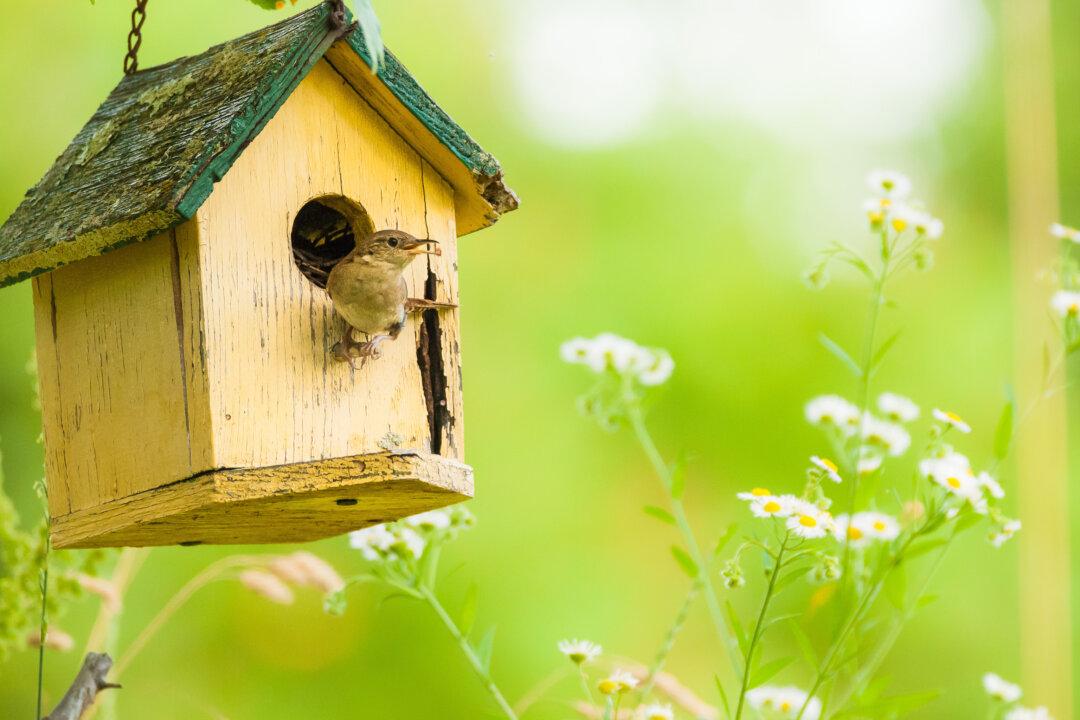
Credit: www.theepochtimes.com
Gathering Tools And Supplies
Before you start building a house for birds, gathering the right tools and materials is key. Having everything ready will make your project smoother and more enjoyable. Think about what you already have at home and what you might need to buy or borrow.
Essential Tools For Building
Simple tools can help you create a sturdy birdhouse that lasts through seasons. You’ll need a hammer and nails or a screwdriver and screws to hold pieces together firmly. A saw is necessary to cut wood to the right size, but if you don’t have one, you might find pre-cut pieces at a local hardware store.
Don’t forget a measuring tape or ruler to ensure accuracy. A pencil will help you mark where to cut or drill. Sandpaper smooths rough edges, making the house safer for tiny bird visitors.
Safe And Eco-friendly Materials
Choosing the right materials affects both the safety of the birds and the environment. Untreated wood, like cedar or pine, is a great choice because it’s natural and doesn’t release harmful chemicals. Avoid using painted or varnished wood since these can be toxic to birds.
Think about using recycled wood or scrap lumber you might have around. It’s surprising how much quality material you can find without spending extra money. Natural fibers or untreated rope can be used for hanging the house without harming the birds or trees.
Step-by-step Building Process
Building a birdhouse can be a rewarding project that brings nature closer to your home. The process is straightforward, but attention to detail ensures the birds have a safe and comfortable space. Let’s break down the essential steps to help you create a perfect bird home.
Cutting And Assembling Parts
Start by choosing untreated wood like cedar or pine, which is safe for birds. Cut the pieces precisely—walls, roof, floor, and entrance hole—based on your bird species’ size. You’ll want a clean, smooth finish to avoid splinters or sharp edges that could harm the birds.
Assemble the parts using nails or screws, making sure the structure is sturdy. Don’t fully seal the box yet; leaving a panel removable can make cleaning easier later. Have you thought about how the size of the entrance hole affects which birds will visit?
Creating Proper Ventilation And Drainage
Ventilation is crucial to keep the birdhouse cool and prevent mold. Drill small holes near the top on the sides or add gaps under the roof. This airflow helps regulate temperature and humidity inside.
Drainage holes in the floor prevent water from pooling during rain. A few small holes or a slight floor slope directs moisture out. Consider how these features can extend the life of your birdhouse and keep it inviting for birds year-round.
Adding Finishing Touches
Sand the exterior to smooth rough spots and protect the wood from weather damage with a non-toxic, water-based sealant. Avoid painting inside the box to keep it safe for birds. Adding a small perch can be tempting, but many birds prefer an entrance without one—it’s safer from predators.
Think about mounting options that will keep the birdhouse stable and away from predators. Will you attach it to a tree, pole, or hang it? Your choice can influence how often birds use the house, so pick carefully.

Credit: www.youtube.com
Placing Your Birdhouse
Place your birdhouse in a quiet spot, away from strong winds and direct sun. Choose a location about 5 to 10 feet above the ground for safety. Ensure it is easy to see and reach for cleaning and monitoring.
Placing your birdhouse in the right spot is essential. The right location helps birds feel safe and secure. It can also encourage more birds to visit. Choose a spot that protects them from predators and harsh weather.Choosing The Best Location
Select a quiet area in your yard. Birds prefer peaceful places away from noise. Keep the birdhouse away from busy roads and loud machinery. Position the house at least 5 feet above the ground. This height offers a safe distance from ground predators. Ensure the entrance faces away from the wind. This keeps the interior dry during rain.Mounting Techniques For Stability
Use sturdy materials to mount your birdhouse. Wood or metal poles provide good support. Ensure the pole is firmly planted in the ground. This prevents the birdhouse from tipping over in strong winds. Use brackets or screws to attach the house securely. This ensures stability and safety for the birds.Avoiding Predators And Harsh Weather
Install predator guards around the mounting pole. These guards deter cats and raccoons from climbing. Position the birdhouse in a shaded area. Trees or shrubs provide natural protection from harsh sunlight. Avoid placing the house near bird feeders. Feeders attract other animals that may harm the birds.Maintaining The Birdhouse
Keeping your birdhouse in good shape is key to providing a safe and welcoming home for birds year after year. Maintenance doesn’t have to be a chore; with some simple habits, you can ensure your feathered friends stay happy and healthy. Let’s look at practical ways to care for your birdhouse regularly and through the changing seasons.
Regular Cleaning Tips
Cleaning your birdhouse often prevents disease and keeps it inviting for new bird families. After the nesting season ends, remove old nesting materials and scrub the interior with a solution of one part bleach to nine parts water. Rinse well and let it dry completely before putting it back outside.
Wear gloves to protect yourself from bacteria, and use a small brush to reach tight corners. Avoid harsh chemicals as they can harm birds. How often you clean depends on your local bird activity, but a good rule of thumb is once a year, right after the breeding season.
Seasonal Care And Repairs
Check your birdhouse at the start of each season. Look for signs of wear like cracks, loose nails, or faded paint. These small problems can turn into bigger issues if left untreated.
Wooden birdhouses might need a fresh coat of non-toxic, water-based paint or sealant to protect against rain and sun damage. Make sure ventilation holes are clear, and the entrance hole hasn’t been enlarged by predators or weather.
Do you know what kind of birds visit your house? Adjusting the entrance size or adding predator guards might be necessary to keep the right guests safe. Seasonal upkeep helps your birdhouse last longer and supports the birds’ well-being.
Attracting Wildlife To Your Yard
Creating a welcoming environment for birds and other wildlife starts with thoughtful choices in your yard. Attracting wildlife not only brings beauty and life close to your home but also supports local ecosystems. The key lies in making your outdoor space a safe, nourishing, and peaceful habitat.
Providing Food And Water Sources
Birds need reliable food and water to thrive in your yard. Set up feeders with a variety of seeds like sunflower, millet, and nyjer to attract different species.
Fresh water is just as important. A shallow birdbath or a small fountain with moving water can catch their attention and keep them coming back.
Have you noticed how some birds prefer water that’s moving rather than still? Adding a dripper or small pump can make a big difference.
Planting Native Flora
Native plants are the best choice to attract local wildlife because they provide familiar food and shelter. They also support native insects, which many birds rely on for protein.
Try planting a mix of shrubs, flowers, and trees that bloom at different times to offer food year-round. Think about berry bushes, seed-producing flowers, and trees with good nesting sites.
Have you ever watched birds pick through your garden? Native plants encourage them to stay longer and visit more often.
Minimizing Disturbances
Wildlife is sensitive to noise and sudden movements. Keep your yard calm, especially near feeding and nesting areas.
Limit the use of pesticides and avoid frequent trimming during nesting season. This gives birds a safe space to raise their young.
Do you feel the difference when your yard is peaceful? Quiet spaces encourage birds to explore and settle in.
Frequently Asked Questions
What Materials Are Best For Building A Birdhouse?
Use untreated wood like cedar or pine for durability and safety. Avoid toxic paints or chemicals. Natural materials ensure a healthy environment for birds.
How Do I Choose The Right Birdhouse Size?
Match the birdhouse size to the bird species you want to attract. Small birds need smaller entrances and compact interiors. Proper sizing prevents predators and encourages nesting.
Where Should I Place The Birdhouse Outdoors?
Place the birdhouse in a quiet, shaded area 5 to 10 feet above ground. Avoid direct sunlight and strong winds. A safe location increases bird occupancy.
How Do I Maintain A Birdhouse For Long-term Use?
Clean the birdhouse yearly after nesting season. Remove old nests and debris to prevent parasites. Regular maintenance keeps birds healthy and returns each year.
Conclusion
Building a birdhouse brings joy and helps local birds. Small efforts create safe, cozy homes for feathered friends. Use simple materials and follow basic steps carefully. Place the house in quiet, sheltered spots outside. Watch as birds visit and enjoy your work.
Nature feels closer when you care for wildlife. Every birdhouse makes a difference in your neighborhood. Try making one today and see the magic. Helping birds is easy and rewarding for all.




