
Do you love watching birds visit your yard but don’t have trees to hang feeders on? You’re not alone.
Many people want to attract beautiful birds, but no trees nearby make it tricky. The good news is, you don’t need trees to enjoy bird feeders. With a few simple ideas and easy steps, you can bring feathered friends right to your space.
Keep reading, and you’ll discover clever ways to hang bird feeders that work perfectly without relying on trees. Your garden—and your new bird visitors—are waiting!
Credit: dengarden.com
Choosing The Right Location
Finding the perfect spot to hang a bird feeder without trees can feel tricky, but it’s all about knowing your space and the needs of the birds. The right location can attract more visitors and keep them safe while giving you a great view of your feathered friends. Let’s break down what to look for so your bird feeder becomes a favorite hangout.
Assessing Your Space
Look around your yard or balcony carefully. Is there an open area where a feeder can stand without blocking walkways or doorways? Think about spots that get some sun but also offer shade during the hottest part of the day.
Also, consider how easy it will be for you to fill and clean the feeder. You don’t want to struggle with awkward angles or tight spaces. A well-chosen spot makes maintenance simple and quick, encouraging you to keep the feeder fresh and inviting.
Considering Bird Safety
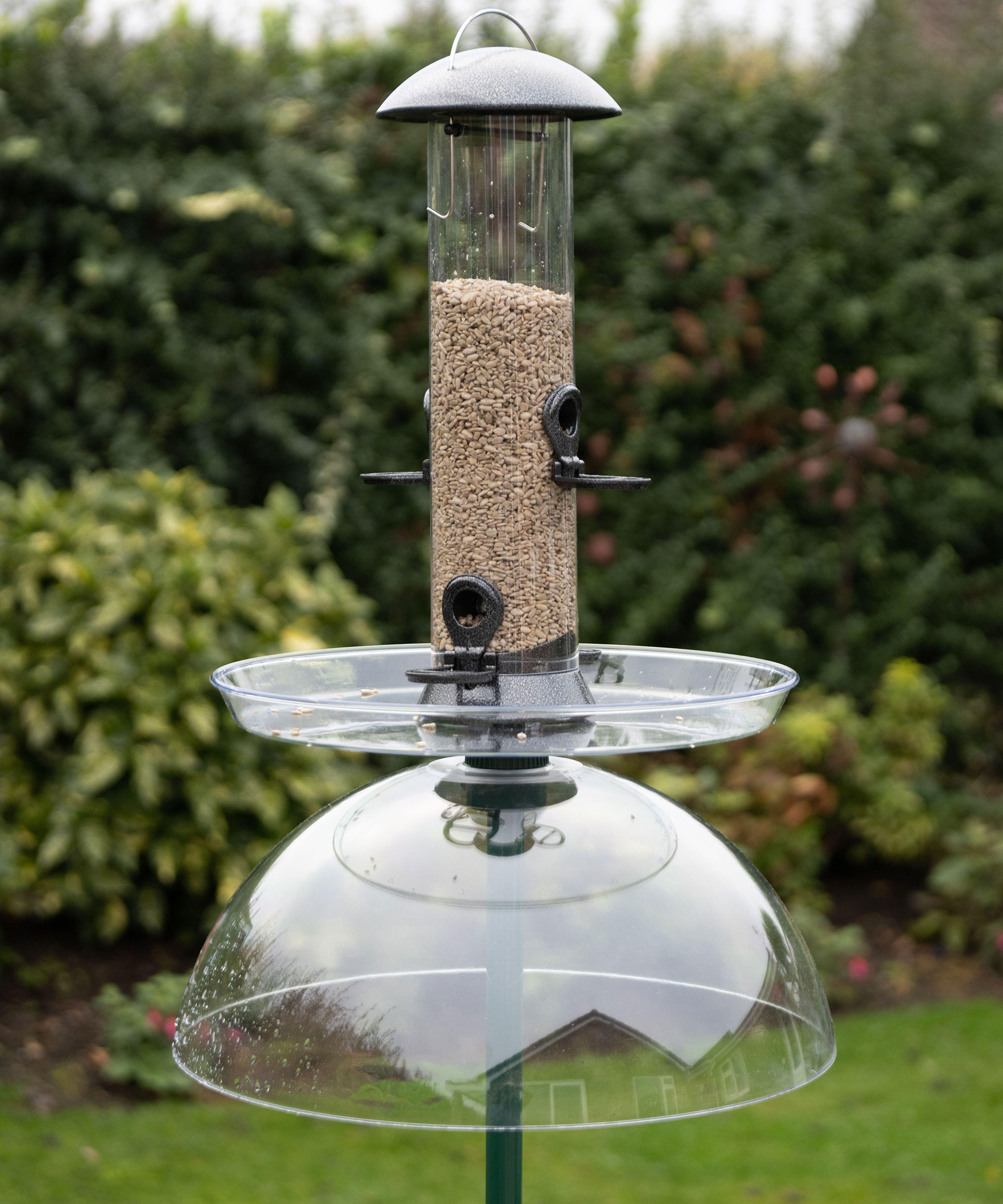
Birds need protection from predators like cats and squirrels. Place feeders at least 5 feet away from places where predators can hide, such as bushes or fences. If possible, use poles with baffles or special guards to block unwanted visitors.
Wind and weather are other factors. Avoid windy spots where seeds might blow away or where birds will be uncomfortable. A sheltered spot near a wall or fence can offer birds a safe haven.
Maximizing Bird Visibility
Think about where you want to watch the birds from. Placing feeders near windows or seating areas lets you enjoy their visits up close. But keep in mind, birds need a clear flight path to the feeder without obstacles.
Choose locations where the feeder stands out against the background. Brightly colored feeders work well in dull surroundings, making it easier for birds to find food. Have you noticed how birds seem to prefer spots where they can quickly spot danger and escape?

Credit: www.calloways.com
Using Poles And Stakes
Bird feeders can brighten any yard, even without trees. Poles and stakes provide simple, effective ways to hang feeders. They create a safe spot for birds to eat and for you to enjoy watching them.
Selecting Sturdy Poles
Choose poles made from strong materials like metal or thick wood. They should hold the feeder’s weight and resist wind. Look for poles at least 5 to 7 feet tall. This height keeps birds safe from ground predators. Avoid poles that bend or wobble easily. A solid base ensures the feeder stays steady and secure.
Installing Feeders On Stakes
Drive stakes deep into the ground for stability. Use a mallet or hammer to secure them firmly. Attach hooks or brackets to hold the feeder. Make sure the feeder hangs freely and does not touch the pole. This prevents damage and allows birds easy access. Position feeders away from busy paths to avoid disturbances.
Preventing Predator Access
Protect birds from cats, squirrels, and other predators by adding barriers. Use baffles—dome or cone-shaped guards—around poles. Place them above or below feeders to block climbing animals. Keep poles at least 10 feet from fences or structures predators can jump from. Regularly check the setup to ensure safety for visiting birds.
Hanging Feeders From Structures
Hanging bird feeders without trees is easy when using existing structures. These spots provide sturdy support and good visibility for birds. Structures like pergolas, decks, and fences offer perfect places to hang feeders safely. This way, you can enjoy birdwatching right from your patio or yard.
Using Pergolas And Gazebos
Pergolas and gazebos often have beams and hooks ideal for hanging feeders. Use S-hooks or sturdy strings to attach feeders to the beams. These structures keep feeders off the ground and away from predators. Birds will feel safe feeding in these sheltered spots. Place feeders near open areas for easy bird access and good viewing angles.
Attaching To Decks And Railings
Decks and railings are great for hanging small to medium-sized feeders. Use hanging brackets or clamp hooks designed for railings. Secure the feeder tightly to avoid swinging in the wind. Position feeders where you can watch birds from inside your home. Clean feeders often to keep birds healthy and happy.
Utilizing Fences And Walls
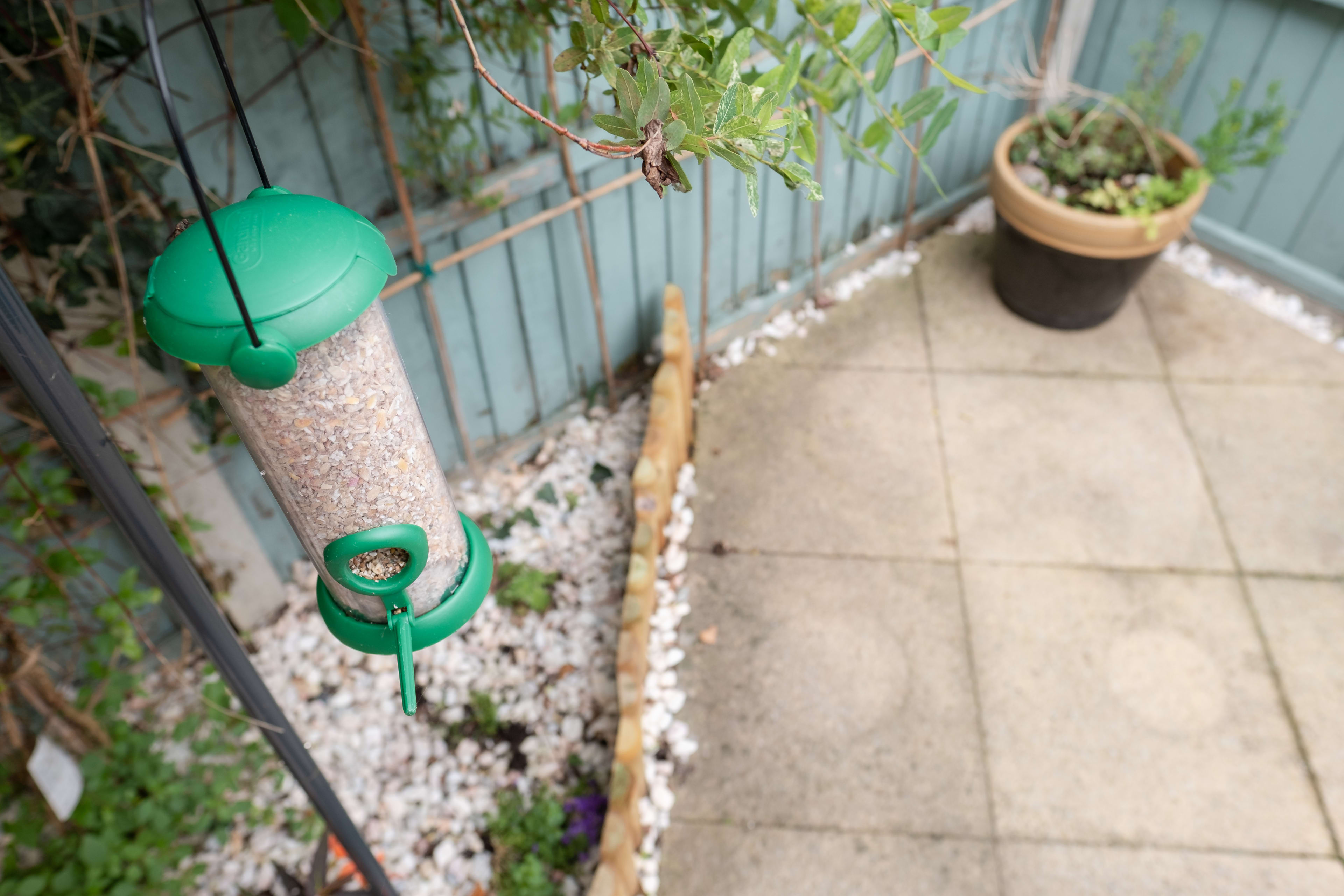
Fences and walls provide solid surfaces for mounting feeders. Use wall hooks or brackets suitable for outdoor use. Choose locations with some shade to protect food from sun and rain. Attach feeders at bird-friendly heights, usually between 4 to 6 feet. This setup helps attract birds while keeping feeders stable and secure.
Credit: www.inkl.com
Creative Hanging Solutions
Finding the perfect spot to hang bird feeders without trees nearby can be tricky. But with a bit of creativity, you can create attractive and functional setups that invite feathered friends to your space. Let’s look at some clever ways to hang feeders that don’t rely on natural branches.
Diy Hanging Frames
Building your own frame is a flexible way to hang bird feeders anywhere you like. Use simple materials like wood or metal to create a sturdy structure that suits your garden or balcony.
Try making a square or A-frame stand that can hold multiple feeders at different heights. This setup not only looks neat but also helps keep feeders stable in windy weather.
Have you considered adding a little roof on top? It can protect the food from rain and add charm to your frame.
Repurposing Household Items
Look around your home for items that can be turned into bird feeder hangers. Old ladders, vintage chairs, or even unused garden tools can become unique supports.
For example, an old bicycle can be leaned against a wall, with feeders hung from the handlebars or frame. It creates a quirky and fun bird feeding station that sparks conversations.
What common object do you have that could serve a new purpose outside? Sometimes, the best ideas come from everyday items.
Using Shepherd’s Hooks
Shepherd’s hooks are a classic solution for hanging bird feeders without trees. These metal stakes slide into the ground and offer a strong, elevated spot for your feeders.
They come in various heights and styles, allowing you to place feeders exactly where you want them. The curved top makes hanging and removing feeders quick and easy.
Consider grouping several hooks together for a mini feeding station. Birds love spots where they can choose from different feeder types close by.
Maintaining Feeders Without Trees
Keeping your bird feeders in good shape without the convenience of trees takes some extra care and attention. Without natural supports, feeders can be more exposed to dirt, weather, and the challenge of staying stocked. Paying close attention to maintenance will help you enjoy a vibrant feeding area that attracts birds day after day.
Regular Cleaning Tips
Clean your feeders at least once every two weeks to prevent mold and bacteria buildup. Use warm water and mild soap, avoiding harsh chemicals that can harm birds. Rinse thoroughly and let feeders dry completely before refilling.
Do you notice leftover seeds or droppings? Remove them promptly to keep the feeder inviting and healthy. A clean feeder not only protects birds but also keeps pests away.
Keeping Feeders Filled
Without trees, feeders might be in more open areas, so seed can spoil faster due to sun and wind exposure. Check your feeders daily, especially in warm weather, to keep seeds fresh and dry.
Consider using feeders with covers or built-in seed guards to slow down seed spoilage. If you can, keep a small container of seed nearby for quick refills—this saves trips and ensures birds don’t go hungry.
Protecting Feeders From Weather
Wind and rain can quickly damage feeders that hang without tree protection. Position your feeders near sturdy poles or under eaves to shield them from storms.
Using weather-resistant materials like metal or heavy-duty plastic can extend feeder life. Have you thought about adding a small roof or shield? Even a simple umbrella can protect feed and keep birds comfortable during bad weather.
Frequently Asked Questions
How Can I Hang Bird Feeders Without Trees?
Use poles, shepherd hooks, or wall mounts to hang bird feeders. These alternatives provide stable support and easy access for birds.
What Materials Work Best For Feeder Poles?
Metal or treated wood poles work well. They resist weather damage and provide sturdy support for various feeder types.
Can I Hang Feeders On Fences Or Decks?
Yes, attach feeders securely to fences or deck railings using hooks or brackets. Ensure feeders are stable and safe for birds.
How Do I Prevent Squirrels Without Trees?
Use baffles on poles or place feeders away from jumping points. Squirrel-proof feeders also help keep pests away.
Conclusion
Hanging bird feeders without trees is easy and fun. Use poles, hooks, or stands to place feeders safely. Make sure feeders are stable and away from pets. Watch birds enjoy feeding in your yard or balcony. Keep feeders clean and filled to attract more birds.
Enjoy nature even without trees nearby. Simple steps bring birds closer to you. Try different spots to find the best place. Happy bird watching!




