
Finding a bird inside your house can be surprising—and a little stressful. You want to get it out quickly, safely, and without harming it or your home.
But how do you do that? You might be wondering if you should chase it, open windows, or call for help. You’ll discover simple, effective steps to remove a bird from your house calmly and confidently. Keep reading, and you’ll learn exactly what to do to solve this tricky situation fast.
Credit: www.petassure.com
Signs Of A Bird Inside
Noticing signs of a bird inside your house can be surprising and sometimes stressful. Birds don’t usually stay quiet when they’re trapped indoors, and their presence often reveals itself through distinct behaviors and sounds. Recognizing these signs early can help you act quickly and safely.
Common Bird Behaviors Indoors
When a bird is inside your home, you might hear sudden, loud chirping or fluttering sounds, especially near windows or ceiling corners. Birds often try to escape by flying toward light sources like windows or glass doors, repeatedly hitting or perching on them.
Look for small feathers scattered around, especially near entry points or resting spots. Birds may also leave droppings on floors or furniture, which can help confirm their presence. If you notice unusual movement or shadows in rooms, it might be a bird trying to hide or find a way out.
Identifying Bird Species
Knowing what kind of bird you’re dealing with can change how you approach the situation. Smaller birds like sparrows or finches tend to flutter nervously and might be easier to catch or guide outside. Larger birds such as pigeons or doves can be more cautious and may require more space to calm down.
Notice the color and size of the feathers you find; a bright green feather might point to a parrot, while brown and gray feathers could belong to common house sparrows. If you spot the bird, try to observe from a distance to avoid stressing it further. Understanding the species helps you decide whether you need professional help or can manage the situation yourself.
Why Birds Enter Homes
Birds often enter homes seeking shelter, food, or safety. They may get confused by open spaces inside houses. Sometimes, they follow light or hear sounds that attract them indoors.
Understanding why birds come inside helps prevent unwanted visits. It also guides you in safely removing them without harm.
Attracting Factors
- Food scraps left on counters or floors
- Open windows or doors without screens
- Houseplants that offer seeds or fruits
- Bright indoor lights during evening hours
- Warm areas like fireplaces or heaters
Entry Points To Check
- Open windows and doors
- Chimneys and vents without covers
- Cracks or holes in walls and roofs
- Gaps around attic or garage doors
- Spaces under eaves or behind shutters
Safe Ways To Remove Birds
Removing a bird safely from your house protects both you and the bird. Using gentle and calm techniques helps avoid injury or stress. These methods guide the bird outside without causing harm or panic. Here are some safe ways to encourage birds to leave your home.
Creating An Exit Path
Open windows and doors to give the bird a clear way out. Remove screens if possible to make the path wider. Close other doors inside to keep the bird focused on the exit. This reduces confusion and helps the bird find its way quickly. Avoid blocking the exit with furniture or objects.
Using Light And Noise
Birds often move toward natural light sources. Turn off indoor lights and open blinds or curtains near the exit. Use soft noise like talking or clapping to gently guide the bird. Avoid loud or sudden sounds that may scare it. Keep the environment calm to prevent the bird from flying wildly.
Guiding Birds Outside
Use a broom or large piece of cardboard to gently guide the bird toward the exit. Move slowly and calmly to avoid startling it. Do not try to catch the bird with your hands, as this can cause injury. If the bird lands, wait for it to rest before encouraging it again. Patience is key for a safe removal.
Credit: www.callnorthwest.com
Preventing Future Bird Intrusions
Seal entry points around doors and windows to keep birds out. Remove food sources that attract them near your home. Regularly check for nests and clear them safely to prevent return visits.
Preventing birds from entering your home again is essential to maintain a peaceful living environment. Imagine waking up to the sound of chirping, only to find a bird flapping around your kitchen. To keep your home bird-free, you’ll need to address a few key areas. Let’s explore some effective strategies for preventing future bird intrusions.Sealing Entry Points
Inspect your home for potential entry points. Birds can squeeze through surprisingly small gaps. Check for cracks, holes, or gaps in walls, roofs, and windows. Use caulk or weather stripping to seal these openings. Don’t forget to secure chimneys with caps and ensure attic vents are covered with mesh. Regular maintenance is key. A small investment of time can prevent larger headaches later on.Removing Attractants
Evaluate your surroundings. Are you unintentionally inviting birds with food or nesting materials? Keep outdoor areas tidy. Remove food scraps, secure trash cans, and store pet food indoors. Trim trees and bushes close to your home. Birds are less likely to nest if their access to shelter is limited.Installing Deterrents
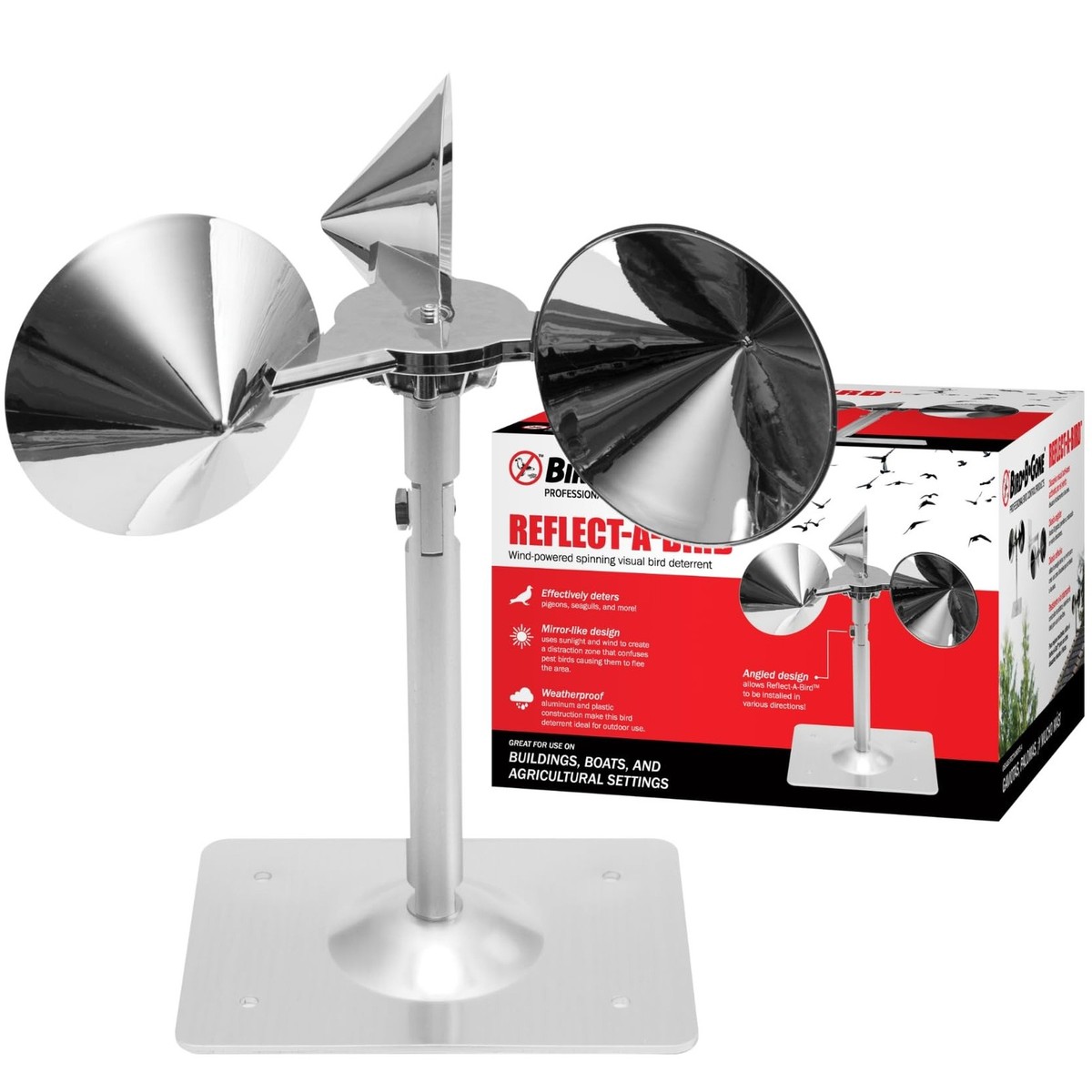
Consider bird deterrents to keep your home bird-free. Simple installations can make a big difference. Wind chimes, reflective tape, or garden spinners can scare birds away. Their movement and noise are often enough to deter curious birds. You might also try ultrasonic repellents. These devices emit sounds that are unpleasant to birds but inaudible to humans. Are these methods worth the effort? Absolutely, if you value a bird-free home. By taking these steps, you ensure peace and quiet without unexpected feathered guests.When To Call Professionals
Knowing when to call professionals is key to handling a bird in your house safely and effectively. Some situations demand expert help to avoid harm to you, the bird, or your home. Understanding these moments can save time, reduce stress, and prevent bigger problems down the line.
Signs You Need Help
Is the bird injured or trapped in a hard-to-reach spot? This is a clear sign to call in experts. Struggling on your own can cause more stress to the bird and increase the risk of injury to you.
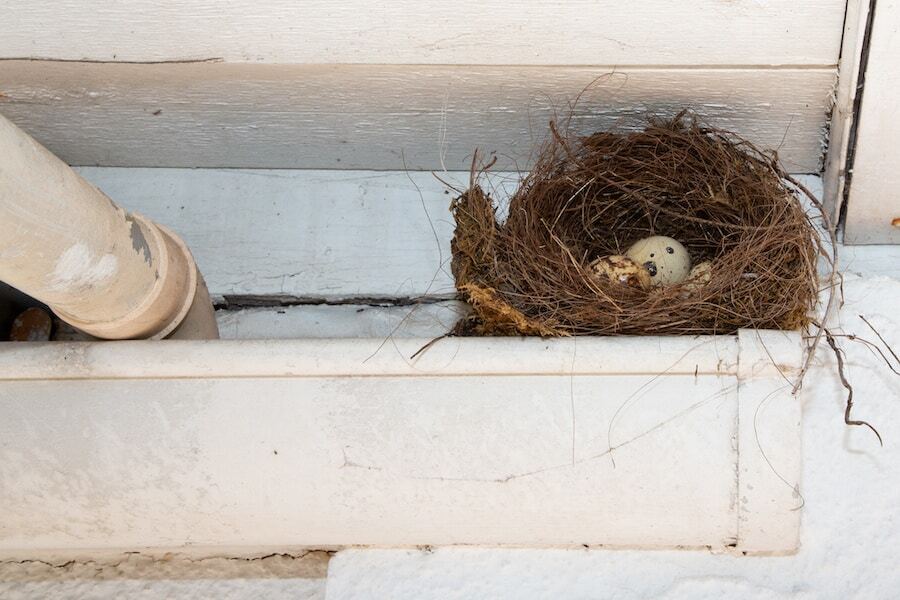
If you notice nesting or repeated visits from wild birds, it might mean there’s a larger issue. Professional wildlife experts can handle nests properly without breaking laws protecting some bird species.
Have you tried to remove the bird but it keeps returning or acting aggressively? This can indicate the bird feels threatened or territorial. Professionals know how to calm and remove birds safely.
Choosing Wildlife Experts
Look for licensed and experienced wildlife removal experts in your area. Check reviews and ask if they specialize in bird removal specifically. This ensures they understand bird behavior and legal requirements.
Ask if they use humane methods. You want to protect the bird and avoid causing unnecessary harm. Professionals should also offer advice on how to prevent future visits.
Don’t hesitate to ask for a clear estimate and timeline. Reliable experts communicate openly and set expectations. This helps you avoid surprises and plan your next steps effectively.
Credit: www.ebay.com
Frequently Asked Questions
How Can I Safely Remove A Bird From My House?
Open windows and doors to create an exit path. Turn off indoor lights and close other rooms. Use gentle movements to guide the bird outside. Avoid chasing or touching it to reduce stress and injury risk.
What Attracts Birds To Enter Homes Accidentally?
Birds often enter through open windows, doors, or chimneys. Bright indoor lights and indoor plants can lure them inside. Sometimes, they seek shelter or get confused. Sealing entry points and using screens can prevent accidental indoor visits.
Is It Harmful To Catch A Bird Indoors By Hand?
Catching a bird by hand can stress and injure it. Use a soft cloth or towel if necessary. Always move slowly to avoid panic. If unsure, contact local wildlife professionals for safe removal.
How Do I Prevent Birds From Entering My Home Again?
Install window and door screens to block entry points. Keep windows and doors closed when not in use. Use bird deterrents like reflective tape outside. Regularly check for gaps or holes in your home’s structure.
Conclusion
Getting a bird out of your house can feel tricky. Stay calm and act quickly. Open windows and doors to give the bird a clear way out. Use gentle movements to guide it without causing fear. Avoid chasing or grabbing the bird yourself.
Keep pets away during the process. Once the bird leaves, check for any entry points. Seal those to prevent future visits. A quiet and patient approach works best. You can solve this problem safely and peacefully.




