
Are you eager to welcome more birds to your yard but don’t know where to start? Getting birds to find your feeder isn’t as tricky as it seems.
With the right tricks, you can turn your outdoor space into a lively bird hotspot. Imagine watching colorful birds visit your feeder every day, filling your surroundings with life and joy. Keep reading, and you’ll discover simple, effective steps that make your feeder impossible for birds to miss.
Your birdwatching experience is about to get a whole lot better!
Choose The Right Feeder
Choosing the right feeder plays a key role in attracting birds to your yard. A good feeder fits the type of birds you want to see. It holds the right food and stays safe from weather and pests. Knowing about feeder types, materials, and placement helps you make smart choices. This guide covers what to pick for the best bird visits.
Types Of Bird Feeders
- Tube feeders:Perfect for small birds like finches and chickadees.
- Platform feeders:Open trays that attract many bird types.
- Hopper feeders:Hold large amounts of seed and protect food from rain.
- Nectar feeders:Made for hummingbirds and orioles that drink nectar.
- Suet feeders:Designed for suet cakes to attract woodpeckers and nuthatches.
Material And Durability
Feeder material affects its lifespan and bird safety. Plastic feeders are light and cheap but may crack in cold weather. Metal feeders last longer and resist squirrels better. Wood feeders look natural but need regular cleaning to avoid mold. Glass feeders are easy to clean but can break.
Feeder Placement Tips
- Place feeders near trees or shrubs for bird cover.
- Keep feeders away from windows to prevent bird collisions.
- Set feeders at least 5 feet off the ground to avoid predators.
- Choose a quiet, calm spot where birds feel safe.
- Rotate feeder locations occasionally to keep birds curious.
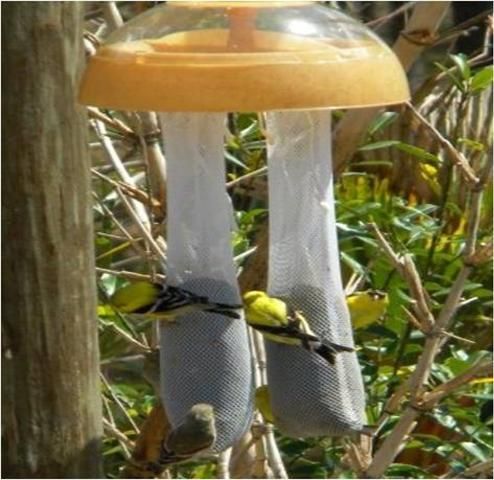
Credit: edis.ifas.ufl.edu
Select Attractive Bird Food
Choosing the right bird food is key to attracting a variety of birds to your feeder. Birds have different tastes and preferences, so offering appealing food can make your feeder a popular spot. Think about what birds in your area like and how you can provide fresh, tasty options that keep them coming back.
Popular Seeds And Mixes
Black oil sunflower seeds are a top choice for many backyard birds. Their thin shells make them easy to crack open, attracting finches, chickadees, and cardinals.
Other favorites include millet, especially for sparrows and juncos, and nyjer seeds, which goldfinches love. You can also offer mixed seed blends to draw in a wider variety of birds. Just be cautious with mixes that contain filler seeds like red millet or wheat, as some birds tend to ignore them.
Seasonal Food Choices
Birds’ diets change with the seasons, so adjusting what you offer can boost visits. In spring and summer, try adding live mealworms or suet to attract insect-eating birds.
During colder months, high-fat foods like suet cakes or peanuts provide energy birds need to stay warm. You might notice more woodpeckers and nuthatches showing up when you offer these options. Have you ever thought about how feeding habits shift with the weather in your area?
Avoiding Spoiled Food
Freshness matters. Moldy or spoiled seed can harm birds and keep them away from your feeder.
Check your feeders regularly and clean them out if you see clumps, dust, or moisture. Store extra seed in a cool, dry place to prevent spoilage. Have you checked your seed lately to make sure it’s still good?
Create A Bird-friendly Habitat
Creating a bird-friendly habitat invites birds to visit your feeder often. Birds need more than food to feel safe and comfortable. A welcoming environment includes water, plants, and places to rest. These elements make your yard attractive and support birds’ natural needs.
Adding Water Sources
Birds need water for drinking and bathing. Place a shallow birdbath near the feeder. Keep the water clean and fresh every day. A small fountain or dripping water attracts even more birds. Water helps birds stay healthy and cool in warm weather.
Planting Native Vegetation
Native plants provide natural food and shelter. Choose bushes, trees, and flowers local to your area. These plants attract insects that birds eat. They also offer seeds and berries for many bird species. Native plants are easier to grow and support local wildlife.
Providing Shelter And Perches
Birds look for safe spots to rest and hide. Add shrubs or small trees near the feeder. Place branches or poles for birds to perch on. Shelter protects birds from predators and bad weather. Perches give birds a place to watch and relax before feeding.
Credit: www.youtube.com
Use Visual And Auditory Attractants
Using visual and auditory attractants helps birds notice your feeder from far away. Birds rely on sound and sight to find food sources. Creating a welcoming environment with these attractants increases the chances of birds visiting your feeder.
Bird Calls And Songs
Playing bird calls or songs mimics natural sounds. These sounds signal safety and food nearby. Use recordings of local bird species to attract familiar visitors. Keep volume low to avoid scaring birds away. Regularly change the calls to maintain interest.
Reflective Objects
Shiny, moving objects catch birds’ attention. Hang small mirrors or metallic items near the feeder. Light reflections create movement that draws birds closer. Avoid objects that might frighten birds with sudden flashes. Reflective items also deter some pests from the feeder area.
Colorful Feeder Decorations
Bright colors attract many bird species. Use red, yellow, or blue accents on feeders or nearby plants. Paint feeder parts with safe, non-toxic colors. Surround feeders with colorful flowers or ribbons. Colorful decorations help birds spot feeders from a distance.
Maintain Feeder Cleanliness
Keeping your bird feeder clean is key to attracting birds and keeping them healthy. Dirty feeders can turn away birds and even spread diseases. You want to create a safe, inviting spot that birds trust and visit often.
Regular Cleaning Schedule
Set a routine to clean your feeder at least once every two weeks. If you notice wet seeds or mold, clean it immediately. Use warm, soapy water and a brush to scrub all parts, then rinse thoroughly.
Cleaning more often during rainy or humid weather helps prevent buildup. How often do you check your feeder for dirt and debris? Making it a habit ensures your feeder stays fresh and welcoming.
Preventing Mold And Disease
Moldy seeds are a health risk for birds and discourage visits. Always remove old or damp seed before adding fresh food. Avoid spills under the feeder by using trays or seed catchers, which reduce ground mess.
Birds gather in groups, so disease can spread quickly if feeders aren’t clean. Use a mild bleach solution (1 part bleach to 9 parts water) monthly to disinfect, then rinse well. Keeping feeders dry also limits mold growth.
Safe Feeding Practices
Place your feeder in a spot that’s easy to reach for cleaning and away from areas that collect water. Make sure seeds are stored in a cool, dry place to prevent spoilage. Rotate seed types occasionally to avoid attracting pests or unwanted animals.
Have you noticed which birds return to a clean feeder more often? Maintaining cleanliness isn’t just about looks—it’s about creating a healthy environment that encourages birds to keep coming back.
Be Patient And Consistent
Birds can take time to find your feeder. Patience is crucial in this process. Consistency in your efforts will eventually bring results. As you wait, remember that birds need time to trust new food sources.
Allowing Birds To Discover
Let birds find the feeder naturally. Place it in a visible location. Near trees or shrubs is ideal. Birds need to feel safe while exploring new areas. Avoid moving the feeder often. Stability encourages birds to visit regularly.
Avoiding Sudden Changes
Keep your feeder setup consistent. Sudden changes can confuse birds. Stick to a regular feeding schedule. Use the same type of seeds. Familiarity helps birds return to your feeder. Avoid drastic changes in the environment.
Recording Bird Activity
Track bird visits to your feeder. Note the time and types of birds. This helps you understand their patterns. Adjust your feeding routine based on their activity. Recording also allows you to see progress over time.

Credit: happygardens.com
Frequently Asked Questions
How Can I Attract Birds To My Feeder Quickly?
Place your feeder in a visible, quiet spot with nearby trees. Use fresh, high-quality seeds and refill regularly to encourage visits.
What Type Of Seeds Do Birds Prefer At Feeders?
Different birds prefer different seeds; sunflower seeds attract many species. Mix seeds like millet, safflower, and nyjer for variety and more visitors.
How Often Should I Clean My Bird Feeder?
Clean your feeder every two weeks to prevent mold and disease. Use warm, soapy water and rinse thoroughly before refilling.
What Feeder Designs Attract The Most Birds?
Tube feeders attract small songbirds, while platform feeders suit larger birds. Choose a feeder matching local bird species for best results.
Conclusion
Attracting birds to your feeder takes patience and care. Choose the right seeds and place feeders in quiet spots. Keep feeders clean and refill them often. Watch and enjoy the variety of birds that visit. Each small step helps bring nature closer to your home.
Bird feeding can become a relaxing and fun hobby. Try different techniques and see what works best. Soon, your feeder will become a lively gathering place for many birds.




