
If you have a pet bird, you know how important it is to keep its home clean. But how often should you clean your bird’s cage to keep your feathered friend happy and healthy?
Cleaning too little can cause health problems, while cleaning too much might stress your bird. You’ll discover the perfect cleaning routine that fits your lifestyle and keeps your bird safe. Stick with me, and you’ll learn simple tips that make cage cleaning easy and effective.
Ready to make your bird’s home a cleaner, happier place? Let’s dive in!

Credit: birdsupplies.com
Frequency Of Cage Cleaning
Cleaning your bird’s cage regularly is essential for its health and happiness. The right cleaning frequency keeps your pet safe from bacteria and odors. It also helps maintain a pleasant home environment. Different tasks need to be done daily, weekly, or monthly to keep the cage in top shape.
Daily Tasks
Daily cleaning prevents buildup of waste and food scraps. Remove droppings and leftover food every day. Change the water with fresh, clean water. Wipe down surfaces that your bird touches often. This keeps the cage fresh and your bird healthy.
Weekly Deep Cleaning
Once a week, clean the cage more thoroughly. Take out toys, perches, and dishes. Wash them with warm, soapy water and rinse well. Clean the cage bars and bottom tray with a bird-safe cleaner. Dry everything completely before putting items back inside.
Monthly Maintenance
Monthly cleaning helps remove hidden dirt and germs. Check for rust or damage and replace parts if needed. Clean under the cage and around the area. Wash or change the cage liner or paper. This keeps the environment safe and comfortable for your bird.
Signs Your Bird’s Cage Needs Cleaning
Knowing when to clean your bird’s cage keeps your pet healthy and happy. Birds live in their cages all day. The cage can get dirty quickly. Watch for clear signs that show the cage needs cleaning. These signs help you avoid bad smells and germs. Pay attention to your bird’s behavior too. It can tell you a lot about the cage’s cleanliness.
Unpleasant Odors
Strong smells from the cage mean it needs cleaning. Droppings and old food cause bad odors. The smell can bother you and your bird. Fresh air should flow freely around the cage. A clean cage smells neutral or slightly fresh.
Visible Dirt And Droppings
Look for dirt on cage bars and floor. Droppings build up quickly and can look messy. Old food stuck in corners attracts bugs. Dust and feathers gather on surfaces. Clean cages have no visible grime or waste.
Behavioral Changes In Your Bird
Birds act differently if their home is dirty. They may become quiet or restless. Your bird might avoid the cage corners. Feather plucking or biting can start. Healthy birds are active and calm in a clean cage.
Steps For Safe Cage Cleaning
Cleaning your bird’s cage safely is essential not only for your feathered friend’s health but also for your peace of mind. It might seem like a simple task, but careful preparation and attention to detail make all the difference. Let’s look at how you can clean the cage effectively without stressing your bird or exposing them to harmful chemicals.
Gathering Cleaning Supplies
Before you start, gather all the supplies you will need to avoid leaving your bird unattended. Prepare gloves, a mild bird-safe disinfectant, a scrub brush, paper towels, and a trash bag. Having everything ready helps you work quickly and efficiently.
Choose cleaning products specifically made for birds or natural options like vinegar diluted with water. Avoid harsh chemicals that can harm your bird’s sensitive respiratory system. You might be surprised how simple ingredients can do the job well.
Removing Your Bird Safely
Taking your bird out of the cage requires calm and care to prevent injury or stress. Use a familiar perch or a small travel cage to gently transfer your bird. Talk softly and move slowly to keep your bird relaxed during the process.
Have a safe, quiet space prepared for your bird while you clean. I once tried cleaning without securing my bird first, and it flew around in panic, making the job twice as hard. Protecting your bird’s comfort is key to a smooth cleaning routine.
Cleaning And Disinfecting Surfaces
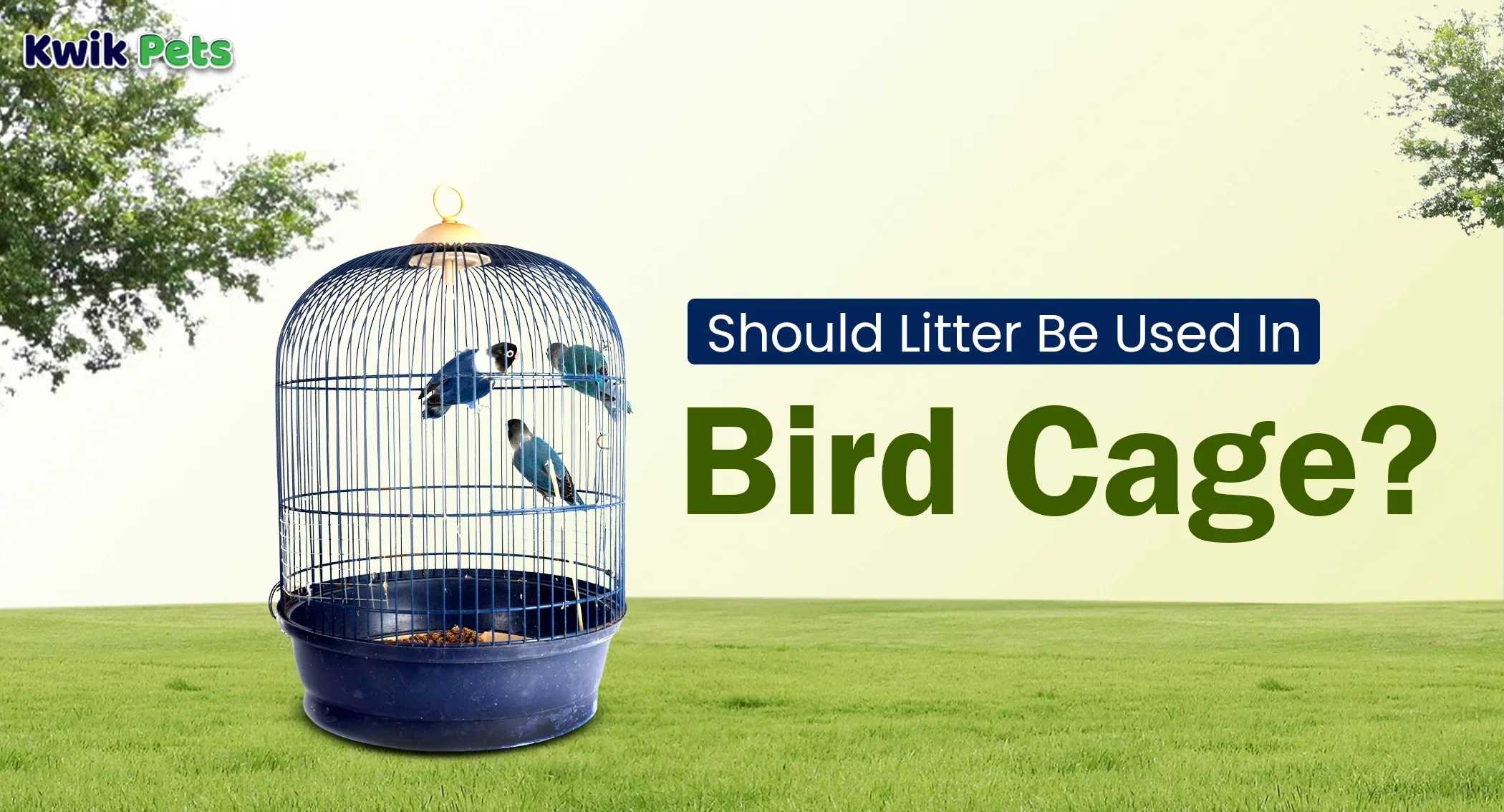
Start by removing all toys, perches, and dishes from the cage. Wash these separately with warm soapy water and rinse thoroughly. While the bird items soak, scrub the cage surfaces with your brush and disinfectant solution, paying close attention to corners and bars where dirt accumulates.
Rinse the cage well with water to remove any residue. Let everything dry completely before putting your bird back inside. This avoids any chemical exposure and keeps the cage environment fresh and safe.
Credit: www.kwikpets.com
Choosing Bird-safe Cleaning Products
Choosing bird-safe cleaning products protects your pet from harmful chemicals during cage cleaning. Clean the cage weekly using gentle, non-toxic cleaners to keep your bird healthy and happy. Safe products ensure a clean home without risking your bird’s well-being.
Choosing the right cleaning products for your bird’s cage is vital. Birds are sensitive to certain chemicals and fumes. Using the wrong products can harm your feathered friend. Opt for products that ensure a safe and healthy environment for your bird.Non-toxic Options
Select cleaning products labeled non-toxic. These are safe for both you and your bird. Look for eco-friendly labels. They often indicate fewer harmful chemicals. Products with natural ingredients are a good choice. They minimize the risk of toxic exposure.Avoiding Harmful Chemicals
Avoid products with bleach or ammonia. These can be dangerous for birds. Strong odors and fumes can affect their respiratory systems. Read labels carefully before purchasing. Ensure there are no harsh chemicals present. Your bird’s health depends on it.Homemade Cleaning Solutions
Consider making your own cleaning solutions. Use simple ingredients like vinegar and water. Mix equal parts in a spray bottle. It’s effective and safe for cleaning cages. Baking soda is another great option. It helps remove stains without harsh chemicals. These homemade solutions are budget-friendly and bird-safe.Maintaining Accessories And Toys
Maintaining your bird’s accessories and toys keeps the cage safe and fun. These items get dirty quickly. Dirt and bacteria can build up. Clean accessories often to keep birds healthy. Toys and perches need special care to last longer. Regular cleaning stops germs and bad smells. It also helps prevent illnesses. A clean cage makes your bird happier and more active.
Cleaning Perches And Feeders
Perches and feeders collect droppings and food bits. Clean them daily or every few days. Use warm water and mild soap. Scrub gently with a brush to remove debris. Rinse well to remove all soap. Dry completely before placing back in the cage. Avoid harsh chemicals that can harm birds. Clean feeders prevent mold and bacteria growth.
Sanitizing Toys
Bird toys attract dirt and saliva. Clean them weekly to avoid germs. Use a mix of water and vinegar or mild soap. Soak plastic or metal toys for a few minutes. Scrub with a soft brush to reach small parts. Rinse thoroughly and air dry. Avoid toys with paint that can chip. Soft or wooden toys need gentle cleaning to avoid damage.
Replacing Worn Items
Check toys and accessories for wear and tear. Broken parts can hurt your bird. Replace frayed ropes, cracked perches, or chipped toys quickly. Old items lose their safety and fun. Regular replacement keeps the cage safe. Fresh toys keep birds interested and active. Always choose bird-safe materials for replacements.
Preventing Common Health Issues
Keeping your bird’s cage clean is vital for preventing health problems. Dirt and waste build-up can cause infections and allergies. Regular cleaning helps keep your bird safe and healthy.
Reducing Bacterial Growth
Bacteria thrive in dirty, damp environments. Waste and leftover food create perfect breeding grounds. Cleaning the cage stops bacteria from multiplying. This lowers the risk of infections and illnesses in birds.
Controlling Allergens
Dust, feathers, and droppings cause allergies in birds and owners. A dirty cage increases airborne allergens. Frequent cleaning removes these irritants. This reduces breathing problems and skin reactions for everyone.
Promoting Overall Bird Wellness
A clean cage offers a fresh, comfortable home. Birds feel less stressed and more active in clean spaces. Good hygiene supports their immune system. This leads to longer, happier lives for your feathered friend.
Tips For Stress-free Cleaning
Cleaning your bird’s cage doesn’t have to be a stressful chore. With a few simple strategies, you can make the process smooth and even enjoyable for both you and your feathered friend. Here are some tips to help you keep the cage spotless without causing distress to your bird.
Establishing A Routine
Birds thrive on consistency, so setting a regular cleaning schedule helps them feel secure. Choose specific days and times for cage cleaning, and stick to them as much as possible.
This predictability reduces your bird’s anxiety because they start to expect the routine. Imagine how you feel when your day follows a familiar pattern—your bird experiences the same comfort.
Involving Family Members
Cleaning a bird cage doesn’t have to be a solo task. Ask your family members to help with small parts of the job, like removing toys or wiping surfaces.
Sharing the responsibility not only lightens your workload but also helps everyone bond with the bird. Plus, your bird gets more social interaction, which can make the cleaning process less intimidating.
Keeping Your Bird Calm
Before you start cleaning, try to calm your bird by speaking softly or offering a favorite treat. Covering the cage with a light cloth can also reduce visual stimuli that might cause stress.
If your bird shows signs of nervousness, take breaks during cleaning to reassure them. Have you noticed how a calm environment changes your bird’s behavior? It can make a huge difference in how smoothly the cleaning goes.
Credit: www.youtube.com
Frequently Asked Questions
How Often Should I Clean My Bird Cage?
Clean the bird cage daily by removing droppings and food debris. Perform a deep clean weekly using warm soapy water. This routine prevents bacteria buildup and keeps your bird healthy and happy.
What Are The Signs My Bird Cage Needs Cleaning?
If you notice foul odors, visible dirt, or leftover food, it’s time to clean. Birds may also show stress or discomfort if the cage is dirty. Regular checks ensure a safe environment.
Can I Use Household Cleaners For Bird Cage Cleaning?
Avoid harsh chemicals like bleach or ammonia as they harm birds. Use mild soap and water or bird-safe disinfectants. Always rinse thoroughly and dry before placing your bird back in the cage.
How To Maintain Bird Cage Cleanliness Between Deep Cleans?
Remove leftover food and droppings daily. Change the cage liner or newspaper regularly. Clean water and food dishes every day to reduce contamination and keep your bird comfortable.
Conclusion
Keeping your bird’s cage clean helps keep your pet healthy and happy. Clean the cage regularly to stop germs and bad smells. Daily spot cleaning and a full wash once a week work well. Pay attention to food bowls and perches—they get dirty fast.
A clean cage makes your bird feel safe and loved. Simple habits keep the cage fresh and your bird cheerful. A little effort each day goes a long way in care. Clean cages create a better home for your feathered friend.




