
Have you ever wondered if you can keep an exotic cardinal bird as a pet? Cardinals are known for their bright red feathers and cheerful songs, making them a tempting choice for bird lovers like you.
But before you decide to bring one home, there are important things you need to know. From legal rules to care needs, this article will guide you step-by-step. Keep reading to discover whether a cardinal can truly become your next feathered friend.
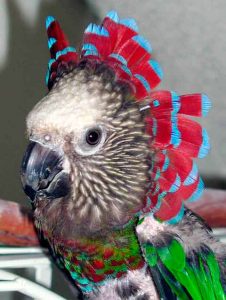
Credit: lafeber.com
Exotic Cardinals As Pets
Exotic cardinals attract bird lovers with their bright colors and lively nature. These birds bring a splash of red and unique charm to any home. Caring for them requires knowledge about their needs and habits. Understanding their types, looks, and natural homes helps in giving the right care.
Species And Varieties
Exotic cardinals include several interesting species. The Northern Cardinal is the most common and popular pet choice. Other varieties like the Vermilion Cardinal and Red-crested Cardinal show different shades of red. Each type has unique traits and sounds. Knowing the species helps in picking the best pet for your home.
Physical Characteristics
These birds have bright red feathers, especially males. Females usually have softer colors like brown or pinkish tones. Their beaks are strong and cone-shaped, perfect for cracking seeds. Cardinals have sharp eyes and a crest on their heads. Their size ranges from 7 to 9 inches in length, making them easy to handle.
Natural Habitat
Cardinals live in woodlands, gardens, and shrublands. They prefer warm places with plenty of trees and bushes. These birds build nests in dense shrubs or low tree branches. Their natural diet includes seeds, fruits, and insects. Mimicking these conditions helps cardinals stay healthy and happy as pets.
Legal Considerations
Keeping an exotic cardinal bird as a pet involves several legal factors. These laws protect wildlife and ensure responsible pet ownership. Understanding legal rules helps avoid fines and legal issues.
Many countries and states have specific laws about owning exotic birds. These laws vary widely depending on location and species. Some places prohibit exotic bird ownership altogether.
Pet Ownership Laws
Local laws define which birds you can keep as pets. Exotic cardinals may be restricted or banned in some areas. Check local and national wildlife protection laws before buying.
Penalties for illegal ownership include fines and confiscation of the bird. Authorities aim to protect native species and prevent illegal trade. Always confirm legality before acquiring an exotic cardinal bird.
Permits And Licenses
Some regions require special permits to own exotic birds. These permits ensure owners meet care and safety standards. The application process may include inspections and fees.
Permits often require proof of the bird’s legal origin. This helps fight illegal wildlife trafficking. Renew permits as required to keep ownership legal and hassle-free.
Import And Export Rules
Importing exotic cardinal birds may require clearance from wildlife agencies. Customs rules protect native ecosystems from invasive species. Proper documentation is crucial for legal import or export.
Illegal import or export can lead to severe penalties and bird confiscation. Always check international and local laws before transporting exotic birds. Follow quarantine rules to protect bird health and native wildlife.
Care Requirements
Exotic cardinal birds require special care to thrive as pets. Their needs differ from common pet birds. Understanding their care requirements ensures they live healthy and happy lives.
Housing And Environment
Cardinals need spacious cages to move freely. The cage should be at least 24 inches long and 18 inches wide. Provide natural perches of varying sizes for foot exercise. Place the cage in a quiet area with natural light but no direct sun. Maintain room temperature between 65 and 80 degrees Fahrenheit. Avoid drafts and sudden temperature changes. Add leafy branches or safe plants for hiding and enrichment.
Diet And Nutrition
Cardinals eat seeds, fruits, and insects in the wild. Offer a balanced diet with high-quality bird seed mix. Fresh fruits like berries, apples, and oranges are good. Provide insects such as mealworms for protein. Change food and water daily to keep fresh. Avoid avocado, chocolate, and caffeine—they are toxic to birds. A cuttlebone or mineral block helps supply calcium.
Health And Hygiene
Keep the cage clean to prevent diseases. Clean food and water dishes daily. Remove droppings and old food regularly. Bathing helps cardinals stay clean and healthy. Offer a shallow dish of water or mist them lightly. Watch for signs of illness like lethargy, ruffled feathers, or loss of appetite. Consult an avian vet for regular check-ups and emergencies.
Behavior And Temperament
Understanding the behavior and temperament of an exotic cardinal bird is key before deciding to keep one as a pet. These birds are known for their striking colors and lively personalities, but their social and emotional needs require attention. Knowing what to expect helps you create a healthy and happy environment for your feathered friend.
Social Needs
Cardinal birds thrive on interaction. They are not the type to enjoy long periods of isolation. If you’re often away, consider how you’ll provide companionship or stimulation.
Many owners find that cardinals respond well to daily human interaction. Talking to them or spending time nearby can reduce stress and prevent boredom. Would your schedule allow consistent bonding time?
Training Tips
Training a cardinal bird involves patience and consistency. Use gentle rewards like small treats to encourage desired behaviors. Avoid loud commands, as cardinals can be sensitive to harsh sounds.
Start with simple tasks, such as stepping onto your finger or recognizing their name. Short, frequent sessions work better than long ones. Have you tried using positive reinforcement with your pets before?
Common Behavioral Issues
Like all birds, cardinals can develop behavioral problems if their needs aren’t met. Common issues include excessive screaming, feather plucking, and aggression.
These behaviors often signal boredom, fear, or health problems. Observing your bird closely can help you identify triggers. What signs will you watch for to catch problems early?
Benefits Of Having A Cardinal
Having a cardinal as a pet offers many unique benefits. These birds are not just beautiful but also bring joy and learning opportunities. Their bright colors and lively behavior make them special companions. Cardinals can brighten up your home and your day.
Aesthetic Appeal
Cardinals have striking red feathers that stand out. Their vibrant color adds beauty to any room or garden space. Watching a cardinal move gracefully is calming and pleasing. Their presence creates a natural and cheerful atmosphere.
Companionship
Cardinals can be friendly and social pets. They enjoy interaction and can bond with their owners. Their cheerful songs fill the air with pleasant sounds. These birds provide a sense of comfort and reduce feelings of loneliness.
Educational Value
Keeping a cardinal teaches responsibility and care. Observing their behavior helps understand bird habits and nature. Children and adults can learn about wildlife and ecosystems. Cardinals inspire curiosity and respect for animals.

Credit: www.caringcardinals.com
Challenges To Consider
Owning an exotic cardinal bird as a pet is not simple. These vibrant creatures bring joy but come with challenges. Understanding these challenges helps in making an informed decision.
Cost Factors
Cardinal birds require a suitable environment. This includes a spacious cage with natural elements. These cages can be expensive. Quality bird food adds to the expense. Regular vet visits are necessary. Exotic birds need specialized care. This care can be costly.
Time Commitment
Cardinals need daily interaction. They thrive with attention and mental stimulation. Without enough interaction, they may become unhappy. Cleaning their living space is crucial. This ensures a healthy environment. It requires time and effort. Consistent care is essential for their well-being.
Potential Allergies
Birds can trigger allergies in some people. Feathers and dander are common allergens. It’s vital to consider household sensitivities. Before adopting, spend time around birds. This helps identify any allergic reactions. Ensure everyone in the home is comfortable.
Alternatives To Exotic Cardinals
Many people admire the beauty of exotic cardinal birds. Yet, having them as pets can be challenging. They require special care and legal permits. Fortunately, there are many alternatives. These options offer vibrant colors and charming personalities. Discover exciting choices that suit your home and lifestyle.
Other Colorful Birds
Colorful birds brighten any space. Consider the Gouldian Finch. It boasts a rainbow of colors. Another option is the Rainbow Lorikeet. It has striking plumage and a playful nature. The Indian Ringneck Parakeet is also a favorite. Its vivid green feathers and friendly demeanor captivate many.
Local Bird Species
Local birds can make excellent pets. They are often easier to care for. The American Goldfinch is a popular choice. Its bright yellow feathers are eye-catching. The Blue Jay is another lovely option. It’s intelligent and has a bold personality. The Northern Cardinal, native to the U.S., is another stunning bird. Its vibrant red color is unmistakable.
Birds Suitable For Beginners
New to bird keeping? Start with beginner-friendly birds. The Budgerigar, or Budgie, is a great start. It’s small, colorful, and easy to care for. The Zebra Finch is another option. It is low-maintenance and delightful. Cockatiels also make wonderful pets. They are friendly and enjoy human interaction.

Credit: www.caringcardinals.com
Frequently Asked Questions
Can You Legally Own An Exotic Cardinal Bird?
Laws vary by location, but most places restrict owning exotic cardinal birds. Always check local wildlife and pet regulations before acquiring one.
What Care Does A Pet Cardinal Bird Need?
Cardinal birds need a spacious cage, fresh food, clean water, and daily social interaction. They also require a quiet, safe environment to thrive.
Are Exotic Cardinal Birds Good Pets For Beginners?
Cardinals can be challenging for beginners due to specific care needs and social habits. Experienced bird owners better handle their care and behavior.
Can Cardinal Birds Mimic Human Speech?
Cardinal birds are not known for mimicking human speech. They communicate through songs and calls rather than learning human words.
Conclusion
Exotic cardinal birds can make unique pets for the right owner. They need special care and a safe environment. Understanding their habits helps keep them happy and healthy. These birds are not for everyone. Think carefully before deciding to bring one home.
Enjoy the beauty and song, but respect their needs. A well-cared-for cardinal can brighten your day. Choose wisely, and your pet will thrive.




